

Feeding your small bird can feel like a puzzle when you’re unsure of what to offer. You want to ensure that your feathered friend thrives and doesn’t face the risk of starvation.
But with so many options out there, it’s easy to feel overwhelmed. Are you providing the right nutrients? Is your bird getting enough variety? You might be asking yourself these questions, and you’re not alone. Discovering the perfect diet for your small bird is crucial for its health and happiness.
In this guide, we’ll explore exactly what your little companion needs to stay well-fed and content, unraveling the mysteries of bird nutrition with simple, actionable insights. Don’t let uncertainty get in the way of your bird’s well-being—read on to ensure your small bird doesn’t just survive, but truly thrives.
Choosing The Right Seeds
Choosing the right seeds is key to keeping small birds healthy and happy. Seeds provide the energy birds need for daily activities. Not all seeds suit every small bird species. Some seeds offer better nutrition and taste. Knowing which seeds to pick helps attract birds and supports their well-being.
Best Seeds For Small Birds
Sunflower seeds are a favorite for many small birds. They are rich in oils and easy to eat. Millet is another popular choice, especially for finches and sparrows. Nyjer seeds work well for small finches and are high in fat. Safflower seeds attract cardinals and grosbeaks. These seeds provide essential nutrients like fats, proteins, and vitamins.
- Black oil sunflower seeds: high energy, soft shells
- White proso millet: easy to digest, lightweight
- Nyjer (thistle) seeds: tiny, rich in oils
- Safflower seeds: bitter taste, deters squirrels
Avoiding Harmful Seeds
Some seeds can harm small birds or cause illness. Avoid seeds treated with pesticides or chemicals. Large seeds with hard shells may choke small birds. Apple seeds contain cyanide and should never be fed. Avoid moldy or old seeds, as they can cause infections. Always choose fresh, clean seeds to keep birds safe and healthy.
- Discard seeds with mold or dust
- Do not feed apple or cherry seeds
- Avoid large, hard seeds like acorns
- Choose untreated, pesticide-free seeds
Fruits And Vegetables
Fruits and vegetables are essential additions to your small bird’s diet. They provide vital nutrients and hydration, helping your bird stay energetic and healthy. Choosing the right fruits and veggies can make a big difference in their overall well-being.
Safe Fruits For Small Birds
Not all fruits are safe for your feathered friend, so it’s important to pick the right ones. Many small birds love the sweet taste of fruits like apples, berries, and melons.
- Apples:Remove seeds before feeding, as they can be toxic.
- Blueberries:Packed with antioxidants and easy to eat.
- Grapes:Cut in halves or quarters to avoid choking hazards.
- Melons:Watermelon and cantaloupe offer hydration and vitamins.
- Pears:Soft and rich in fiber, but remove seeds.
Have you noticed your bird’s favorite fruit yet? Offering a variety can help you discover what keeps them excited about mealtime.
Vegetables That Boost Health
Vegetables add essential vitamins and minerals to your bird’s diet. Leafy greens and crunchy veggies not only nourish but also keep their beaks busy.
- Spinach:High in iron and calcium, but feed in moderation.
- Carrots:Offer vitamin A and natural sweetness.
- Broccoli:Loaded with vitamins and great for nibbling.
- Peas:A good source of protein and fiber.
- Bell Peppers:Rich in vitamin C and colorful to attract your bird’s attention.
Think about which vegetables your bird enjoys most. Adding these regularly can improve their immune system and keep them lively.
Protein Sources
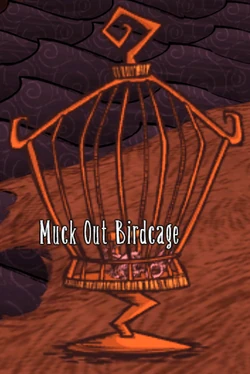
Protein is vital for small birds to grow strong and stay healthy. It supports muscle development, feather growth, and overall energy. Birds need a variety of protein sources in their diet. Natural options are best to mimic what they eat in the wild. This section explores good protein choices for small birds to thrive in Don’t Starve.
Insects And Larvae Options
Insects and larvae provide rich protein and fats. These are easy to find and digest for birds. Common insects include:
- Crickets
- Ants
- Beetle larvae
- Spiders
- Termites
These insects offer essential nutrients and variety. In Don’t Starve, small birds often eat bugs they find on the ground or in trees. Feeding live or dried insects to your birds mimics their natural diet. It helps keep them active and alert.
Eggs And Mealworms
Eggs are a great protein source. They contain vitamins and minerals that boost bird health. Small birds can eat hard-boiled or raw eggs in small amounts. Mealworms are another excellent option. They are high in protein and easy to digest.
- Mealworms can be fed live or dried
- They encourage natural hunting behavior
- Provide a good balance of fat and protein
Eggs and mealworms together make a balanced protein mix. They help birds maintain energy during cold or breeding seasons. These foods support strong feathers and healthy growth.
Credit: dontstarve.fandom.com
Fresh Water Importance
Fresh water is essential for small birds to survive and thrive. Without it, they risk dehydration, which can quickly lead to serious health problems. Ensuring your birds have access to clean, fresh water daily supports their digestion, feather health, and overall energy.
Providing Clean Water
Always offer water that is clear and free from dirt or debris. Change the water at least once a day to prevent bacteria growth, which can harm your birds.
Use shallow dishes to make it easy for small birds to drink safely. Avoid deep containers that could pose a drowning risk.
Place water dishes in shaded areas to keep the water cool and refreshing. Have you noticed how birds avoid water that looks old or dirty?
Hydration Tips For Birds
- Monitor water intake daily to spot any changes in drinking habits early.
- Offer water-rich fruits like apples or cucumbers to boost hydration naturally.
- During hot weather, add ice cubes to their water dish to keep them cool.
Pay attention if your bird shows signs of dehydration such as lethargy or dry feathers. Quick action can save their life.
Avoiding Toxic Foods
Feeding small birds the right food is essential to keep them healthy and thriving. Avoiding toxic foods is a crucial part of this care. Some common household foods can harm or even kill small birds, so it’s important to know what to skip and how to spot danger signs early.
Common Foods To Skip
Many foods that seem harmless to us can be toxic to small birds. Avoid feeding them:
- Avocado:Contains persin, which can cause heart damage and respiratory problems.
- Chocolate:Contains theobromine, toxic to birds and can cause seizures.
- Caffeine:Found in coffee, tea, and soda, it can increase heart rate dangerously.
- Onions and garlic:Can cause digestive upset and damage red blood cells.
- Alcohol:Even small amounts can cause severe poisoning.
- Salt and sugary snacks:Lead to dehydration and kidney issues.
Have you ever offered your bird something you later found out was harmful? Knowing these common offenders protects your feathered friend from unnecessary harm.
Signs Of Food Poisoning
Recognizing food poisoning early can save your bird’s life. Watch for these warning signs:
- Weakness or lethargy
- Difficulty breathing or rapid breathing
- Vomiting or diarrhea
- Swollen eyes or beak
- Unusual droppings
- Loss of appetite
If you notice any of these symptoms, act quickly. Contact an avian vet immediately and provide information about what your bird ate. Quick response can make all the difference.

Credit: www.youtube.com
Feeding Frequency And Portions
Feeding small birds the right amount at the right time is key to keeping them healthy. Proper feeding frequency and portion control help avoid hunger and prevent overfeeding. Small birds have fast metabolisms and need regular nourishment throughout the day.
Understanding how often to feed and how much to give supports their energy needs. This section explains simple guidelines to maintain a balanced feeding routine for small birds.
How Often To Feed Small Birds
Small birds need frequent meals due to their quick metabolism. Offer food at least twice a day to keep their energy steady. Morning and late afternoon are good feeding times.
Some species may benefit from three or more feedings, especially young or active birds. Watch for signs of hunger or fullness to adjust feeding frequency.
- Feed adult birds two times daily
- Feed chicks or young birds three to four times daily
- Ensure fresh food is available during the day
Managing Portion Sizes
Give small portions that birds can finish quickly. Overfeeding causes waste and can harm their health. Use the bird’s size and species as a guide for portion control.
Start with small amounts and increase if the bird finishes all food. Observe eating habits to find the right portion size. Avoid leaving too much food uneaten.
| Bird Size | Suggested Portion Size per Feeding |
|---|---|
| Small (e.g., finches) | 1-2 teaspoons |
| Medium (e.g., parakeets) | 2-3 teaspoons |
| Large (e.g., cockatiels) | 3-4 teaspoons |
Supplemental Nutrition
Supplemental nutrition plays a vital role in keeping your small bird healthy and active. While their main diet provides basic energy, added vitamins and minerals support their overall well-being. You might not realize how much these extras can improve your bird’s quality of life.
Vitamins And Minerals
Vitamins like A, D, and E are essential for your bird’s immune system and feather health. Minerals such as calcium and phosphorus help strengthen bones and support metabolic functions.
You can provide these through fresh fruits and vegetables like spinach, carrots, and apples. Avoid overfeeding high-fat seeds, as they can disrupt the balance of nutrients your bird needs.
Have you noticed your bird looking less vibrant or energetic? That could be a sign of vitamin deficiency that you can fix with simple dietary changes.
Using Commercial Bird Food Mixes
Commercial mixes offer a convenient way to ensure your bird gets a balanced diet. Look for brands that list a variety of seeds, grains, and added vitamins on the label.
Choose mixes tailored to your bird’s species, as nutritional needs differ widely. For example, finches need more small seeds, while parrots benefit from pellets enriched with vitamins.
Remember to read the ingredients carefully. Some mixes contain fillers or artificial colors, which may do more harm than good.
Have you tried rotating different mixes to keep your bird interested? Variety not only excites their palate but also helps cover nutritional gaps.
Seasonal Feeding Adjustments
Adjusting what you feed small birds through the seasons can make a big difference in their health and survival. Birds need different nutrients and energy levels depending on the weather and availability of natural food. Paying attention to these changes helps you support their needs more effectively all year round.
Winter Nutrition Tips
In winter, birds burn more energy to stay warm. You should offer high-energy foods like suet, peanuts, and sunflower seeds. These provide fats and proteins that help birds generate heat and maintain body weight.
Try to keep feeders clean and filled regularly, especially during freezing temperatures. I once noticed my feeder empty within hours during a snowstorm—clearly, the birds relied on that food source heavily. Have you ever wondered how much effort it takes for small birds to survive harsh winters?
- Use high-fat foods such as suet cakes or peanut butter.
- Add cracked corn and millet for extra calories.
- Place feeders in sheltered spots to protect birds from wind.
Summer Feeding Changes
In summer, birds need less fat and more protein to support breeding and raising chicks. Offer mealworms, chopped fruits, and nectar for hummingbirds. These foods provide essential nutrients for growth and energy without excess fat.
Also, keep water available since birds drink more when it’s hot. I noticed a small water dish near my feeder attracts just as many birds as the food itself. Could you make your backyard more inviting simply by adding fresh water?
- Switch to protein-rich foods like live or dried mealworms.
- Offer fresh fruits such as berries or chopped apples.
- Ensure a clean, shallow water source is nearby.
Credit: dontstarve.fandom.com
Frequently Asked Questions
What Are The Best Foods For Small Birds?
Small birds thrive on seeds like millet, sunflower seeds, and nyjer. Fresh fruits and vegetables also provide essential nutrients. Avoid processed or salty foods to keep them healthy and happy.
Can Small Birds Eat Bread Or Crackers?
No, bread and crackers lack necessary nutrients and can cause digestive issues. Instead, offer bird-safe grains and fresh produce. Always prioritize natural, nutrient-rich foods to support their well-being.
How Often Should I Feed Small Birds Daily?
Feed small birds twice a day, morning and evening. Provide fresh food and clean water each time. Regular feeding helps maintain their energy and supports healthy growth.
Is It Safe To Feed Small Birds Mealworms?
Yes, mealworms are a great protein source for small birds. Offer them occasionally as treats or supplements. Ensure they are fresh and pesticide-free for safe consumption.
Conclusion
Feeding small birds the right food keeps them healthy and strong. Seeds, fruits, and insects offer good nutrition. Avoid harmful foods that can make birds sick. Clean water is just as important for their survival. Regular feeding helps birds stay active and happy.
Small efforts can make a big difference in their lives. Care for these tiny creatures with simple, natural foods. Watch them thrive in your garden or backyard. Helping birds is a kind and easy way to connect with nature.