

Have you ever stumbled upon a helpless, fluffy baby bird chirping for help? It can tug at your heartstrings, leaving you wanting to do everything you can to nurture this tiny creature.
But where do you start? Knowing what to feed stray baby birds is crucial. You want to give them the best chance to survive and thrive. The right food can make all the difference, and you might be surprised by how simple it can be to provide the nourishment they need.
As you read on, you’ll discover not only what to feed these little birds but also how to become their hero, turning your compassion into action. Ready to learn how to make a real difference? Let’s dive in!
Identifying Baby Bird Species
Identifying the species of a stray baby bird is crucial before deciding what to feed it. Different birds have different dietary needs, and feeding the wrong food can harm the little one. Recognizing the species helps you provide the right care and increases the chances of survival.
Common Types Of Stray Baby Birds
Some baby birds are more commonly found as strays. These include:
- Sparrows:Small, brownish birds often found in urban areas.
- Pigeons:Larger with gray feathers and iridescent necks.
- Robins:Easily recognized by their orange chest and round shape.
- Starlings:Glossy black feathers with speckles, usually found in groups.
Knowing these types helps you start with a general idea of their dietary needs.
Visual Clues For Species Identification
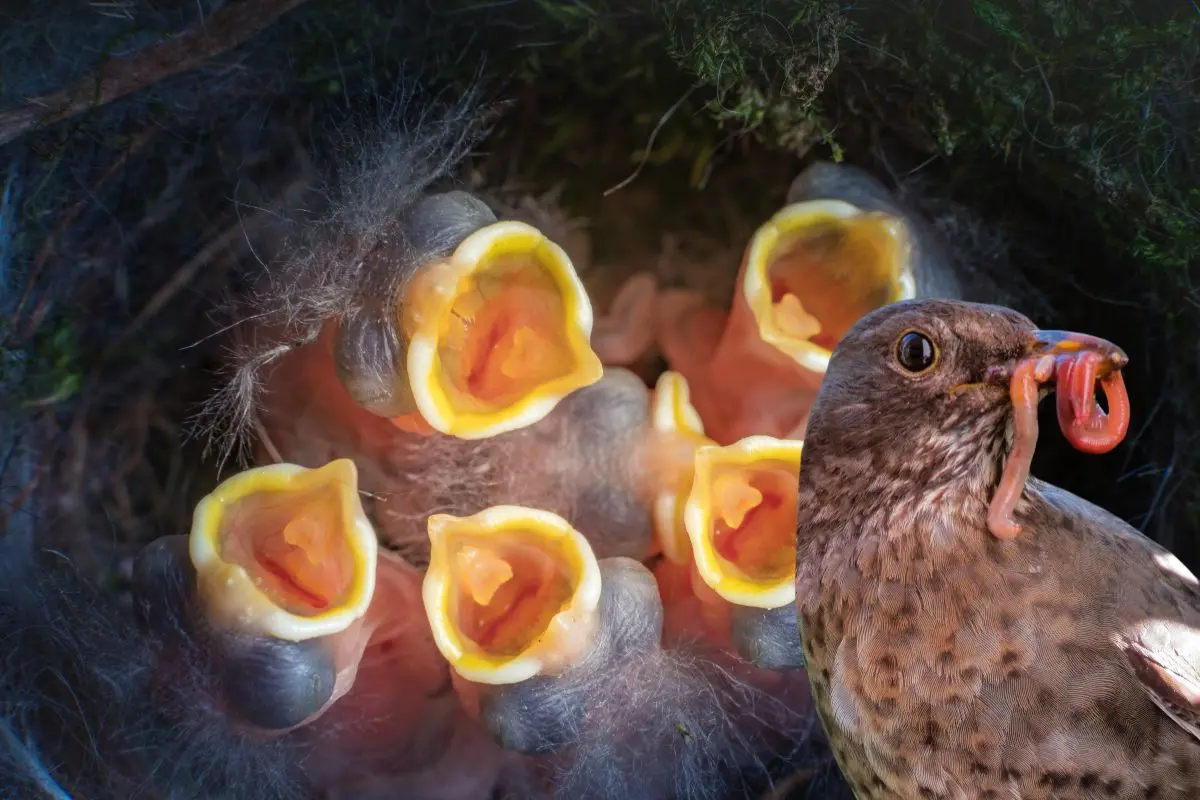
Look closely at the baby bird’s size, feather color, and beak shape. These clues tell you a lot about its species.
- Size:Smaller birds usually eat insects or seeds, while larger birds might need more protein.
- Feather Patterns:Bright colors or specific markings often point to certain species, like the robin’s orange chest.
- Beak Shape:Sharp, pointed beaks usually mean the bird eats insects. Short, thick beaks are for seed-eaters.
Have you noticed how a bird’s beak tells a story about what it eats? Paying attention to these details can guide you in choosing the right food.
Credit: wildbloo.com
Assessing Baby Bird’s Condition
Before feeding a stray baby bird, check its condition carefully. This step helps decide the best care and food it needs. Observing the bird’s health guides you on how to help or if experts should be called.
Signs Of Injury Or Illness
- Look for visible wounds or bleeding on the bird’s body.
- Notice if the bird is weak and cannot stand or fly.
- Check for unusual breathing or constant wheezing sounds.
- Observe if the bird has swollen eyes or beak.
- See if the bird is very quiet or lethargic.
- Watch for signs of dehydration like dry mouth or sunken eyes.
When To Contact Wildlife Experts
Contact wildlife experts if the bird is injured or very weak. Experts have the right tools and knowledge to care properly. Never try to treat serious injuries yourself. Immediate help can save the bird’s life.
Call local animal rescue centers or wildlife rehabilitation groups. They can advise on safe handling and feeding steps. Experts also provide shelter and medical care when needed.
Safe Feeding Techniques
Feeding stray baby birds requires care and attention to keep them safe. Using the right methods helps avoid harm and supports their health. Feeding must be gentle and done with clean tools. Proper timing and amounts prevent overfeeding or hunger. This section explains safe feeding techniques for baby birds.
Proper Feeding Tools
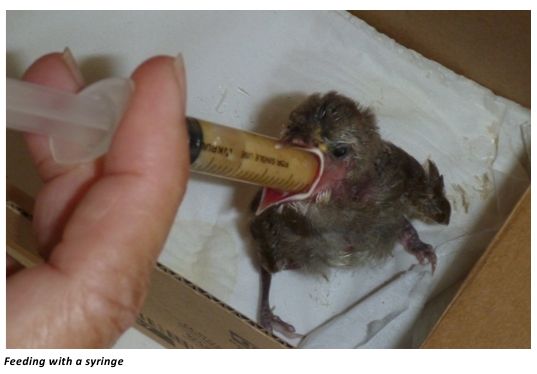
- Use a small syringe or dropper without a needle.
- Soft-tipped feeding spoons work well for tiny mouths.
- Choose clean containers to hold the food.
- Warm the food slightly, but never hot.
- Keep tools sterilized to avoid infections.
Feeding Frequency And Amounts
- Feed baby birds every 20 to 30 minutes from dawn to dusk.
- Offer small amounts to prevent choking or vomiting.
- Watch the bird’s crop to check if it’s full but not swollen.
- Stop feeding when the crop feels soft and empty.
- Adjust feeding as the bird grows and needs change.
Credit: besgroup.org
Suitable Food Options
Finding the right food for stray baby birds is crucial to their survival and growth. Their tiny bodies need nutrients that closely match what their parents would normally provide. Choosing suitable food options can be tricky, but knowing what to offer and what to avoid will make a huge difference.
Insects And Protein Sources
Baby birds rely heavily on protein to develop strong muscles and feathers. Small insects like mealworms, crickets, and fruit flies are excellent choices. You can also offer finely chopped boiled eggs or soaked dog kibble as a quick protein boost.
Make sure the insects are soft and easy to swallow. Hard-bodied bugs might choke or injure the baby bird. Have you noticed how wild parents bring live worms and bugs almost constantly? It’s nature’s way of ensuring their chicks get enough protein.
Fruits And Seeds To Avoid
While fruits and seeds might seem like natural choices, many are harmful to baby birds. Avoid citrus fruits, avocado, and apple seeds as they contain toxins. Also, large or hard seeds can cause choking or digestive issues.
Stick to soft fruits like mashed bananas or peeled, finely chopped berries if you want to offer fruit. But always prioritize protein-rich foods first. Did you know some seeds can even cause poisoning in birds? It’s better to play safe.
Commercial Baby Bird Foods
Specially made commercial formulas are often the safest and most balanced option. These come in powdered or paste forms and are designed to mimic the nutrition found in natural bird regurgitation. You can find them at pet stores or online.
Using commercial baby bird food eliminates guesswork and reduces risk. Just mix with warm water and feed with a small syringe or dropper. Have you tried this approach? Many bird rescuers swear by it for quick and effective feeding.
Hydration Needs
Stray baby birds need water to survive just like food. Water keeps their bodies working well. It helps with digestion and keeps them cool. Young birds get water mostly from the food they eat. But sometimes they need extra water, especially in hot weather or if they seem thirsty.
Water Delivery Methods
Giving water to baby birds requires care. Use a small dropper or syringe without a needle. Offer tiny drops at the side of their beak. Let the bird swallow slowly. Avoid pouring water directly into the throat. This could cause choking or water in the lungs.
Another way is to moisten their food with water. Make the food soft and easy to swallow. This helps them get water naturally while eating. Always use clean, fresh water to prevent illness.
Avoiding Overhydration
Too much water can harm baby birds. Overhydration may cause swelling or breathing problems. Give small amounts often instead of a lot at once. Watch the bird’s behavior carefully. Stop giving water if it looks full or stops swallowing.
Keep water feeding sessions short. Let the bird rest between feedings. Proper hydration means balance, not excess. Healthy baby birds stay alert and active.
Creating A Temporary Nest
Creating a temporary nest for stray baby birds is crucial to keep them safe and comfortable while you figure out the next steps. A cozy, secure spot mimics what they would have in nature and reduces their stress. It also gives you a better chance to feed and care for them properly.
Materials For Comfort And Safety
Choose soft, natural materials that won’t harm the delicate skin of baby birds. Cotton balls, tissue paper, or clean cloth pieces work well as lining. Avoid anything fluffy like wool or synthetic fibers that could tangle around their tiny toes.
Adding a small layer of dry grass or leaves on top can replicate the feel of a real nest. Make sure the materials stay dry and are changed regularly to prevent mold or bacteria. Think about what you would want if you were in their place—warmth and cleanliness are key.
Ideal Nest Location
Place the temporary nest somewhere quiet and sheltered from direct sunlight and strong winds. A shaded spot indoors near a window with indirect light can work well. Avoid areas with heavy foot traffic or loud noises to keep the baby bird calm.
Consider the temperature too. Baby birds can’t regulate their body heat well. You might need to add a heating pad set on low beneath half of the nest, so the bird can move if it gets too warm. What’s the safest spot in your home where you can check on the bird often but won’t disturb it?
Preparing For Release
Preparing a stray baby bird for release takes care and patience. It ensures the bird can survive on its own in the wild. The process focuses on health, strength, and natural behaviors. This helps the bird adjust to life outside human care.
Signs Of Readiness
Watch for these signs to know when the bird is ready to leave:
- The bird eats on its own without help.
- Feathers look strong and fully grown.
- The bird can fly short distances.
- It shows alertness and reacts to sounds and movement.
- The bird practices hunting or finding food.
These signs mean the bird is gaining independence. It needs to survive without human support.
Steps To Reintroduce To Wild
Follow these steps to help the bird return safely:
- Choose a quiet, safe place near where it was found.
- Place the bird in a sheltered area with natural cover.
- Offer food nearby to encourage self-feeding.
- Limit contact to reduce human dependence.
- Observe from a distance to check its behavior.
- Allow several days for the bird to adjust and explore.
Releasing in stages helps the bird build confidence. It learns to find food and avoid danger. Patience is key to a successful release.
Credit: www.petsradar.com
Frequently Asked Questions
What Do Stray Baby Birds Eat For Proper Nutrition?
Stray baby birds need protein-rich foods like soaked dog kibble, mealworms, and mashed boiled eggs. Avoid bread or milk, as these can harm them. Providing moisture-rich foods helps keep them hydrated and healthy.
How Often Should I Feed A Stray Baby Bird?
Feed stray baby birds every 15 to 20 minutes during daylight hours. Young birds require frequent meals to support their rapid growth and energy needs. Avoid overfeeding to prevent choking or digestive issues.
Can I Feed Stray Baby Birds With Milk Or Bread?
No, milk and bread are harmful to baby birds. Milk can cause digestive problems, and bread lacks essential nutrients. Stick to bird-safe foods like insects, soaked grains, or specialized bird formula.
When Should I Contact A Wildlife Rehabilitator For Baby Birds?
Contact a rehabilitator if the bird is injured, cold, or orphaned. Professionals provide proper care and increase survival chances. If unsure, it’s best to seek expert advice promptly.
Conclusion
Feeding stray baby birds takes care and patience. Choose soft, easy-to-digest foods like soaked dog food or mashed fruits. Avoid giving milk or bread, as they can harm the birds. Keep feeding small amounts often to match their needs. Always place food safely, away from predators.
Remember, the goal is to support the baby birds until they can eat on their own. Watching them grow strong feels rewarding. Helping these little birds makes a big difference in their lives. Simple actions can save a life.