
Spring is the perfect time to welcome birds back to your yard. But have you ever wondered what to feed the birds in spring to keep them healthy and happy?
Choosing the right food can make all the difference. You’ll discover simple tips and the best foods that will attract a variety of beautiful birds to your outdoor space. Get ready to create a bird-friendly haven that brings life and color to your spring days!
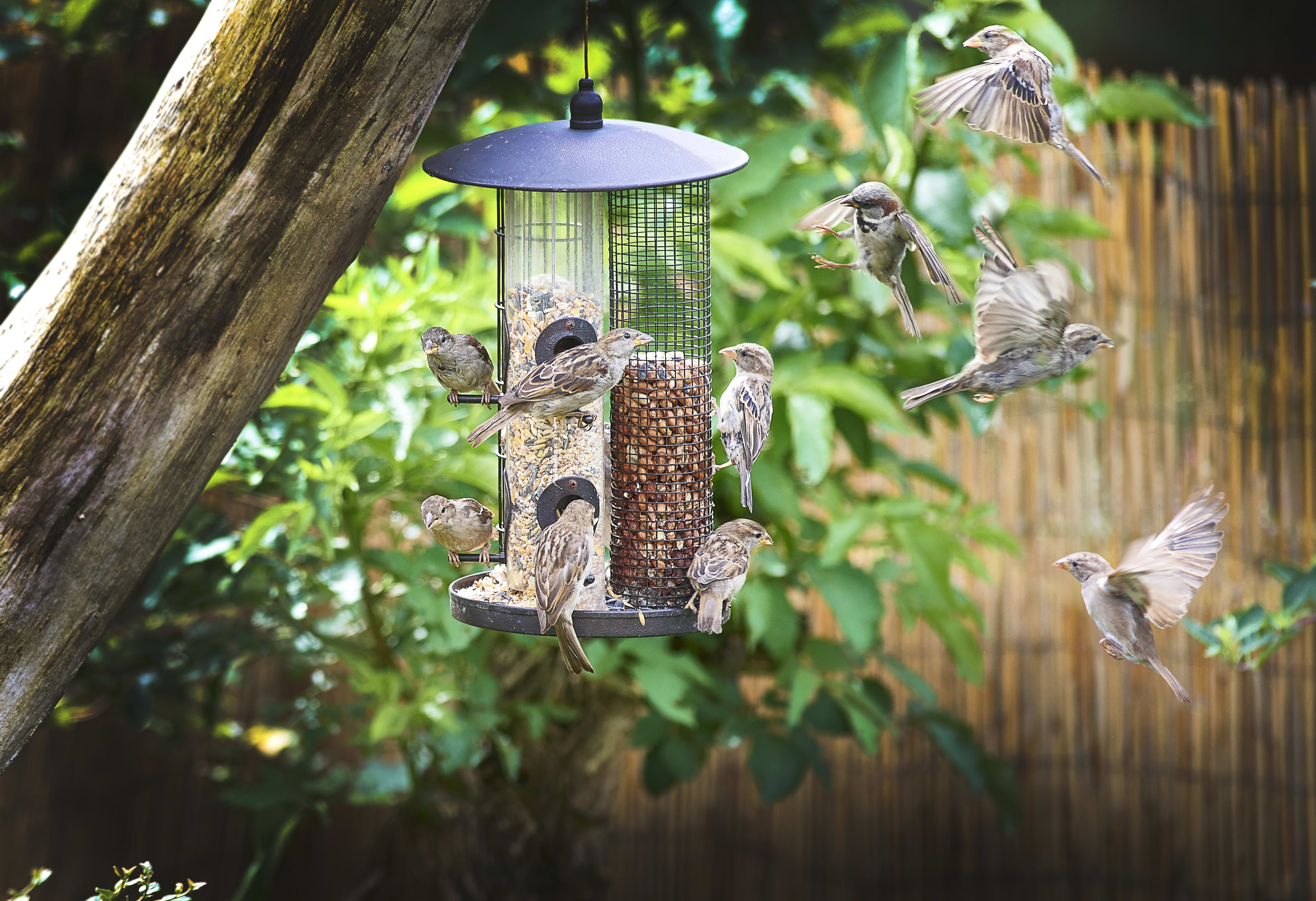
Credit: dengarden.com
Best Seeds For Spring Birds
Spring is a busy season for birds. They need energy to build nests and raise young. Choosing the right seeds helps birds stay healthy and strong. Seeds provide essential nutrients and attract a variety of species to your yard. Here are some of the best seeds to offer spring birds.
Sunflower Seeds Benefits
Sunflower seeds are a top choice for many birds. They have a high oil content, giving birds energy. Birds like finches, chickadees, and cardinals enjoy these seeds. Their black oil variety is easy to crack and digest. Sunflower seeds also attract larger birds like woodpeckers and nuthatches. These seeds help birds stay active during the busy spring season.
Millet And Its Appeal
Millet is small but mighty. It attracts ground-feeding birds like sparrows and doves. White proso millet is popular among many bird species. Its mild taste makes it a favorite for picky eaters. Millet seeds are easy to find and affordable. Adding millet to your feeder brings more variety and color to your bird visitors.
Safflower For Selective Feeders
Safflower seeds suit selective birds like cardinals and grosbeaks. These seeds have a hard shell, so squirrels often ignore them. Safflower has a mild, slightly bitter taste that some birds prefer. It is rich in protein and fat, perfect for nesting birds. Feeding safflower helps keep unwanted guests away from feeders.
Fruits That Attract Birds
Fruits add a natural and vibrant touch to your bird feeding routine in spring. They provide essential nutrients and attract a variety of bird species that you might not see with just seeds or nuts. Offering fresh fruits can turn your garden into a lively bird-watching spot filled with color and activity.
Berries For Colorful Birds
Berries are a favorite for many birds, especially colorful species like orioles and tanagers. Blueberries, raspberries, and blackberries are easy to place on feeders or scatter on the ground. These fruits are packed with antioxidants and natural sugars that give birds the energy to stay active during breeding season.
Try adding a small dish of mixed berries near your birdbath. Have you noticed how quickly birds flock to bright berries compared to dull seeds?
Apples And Pears As Treats
Apples and pears are excellent treats that attract woodpeckers, thrushes, and waxwings. Slice them into manageable pieces or skewer them on branches to make it easier for birds to perch and eat. Avoid fruit that is overly ripe or moldy, as it can harm the birds.
Using these fruits can diversify your feeding station and encourage different species to visit. Have you considered how much variety your garden needs to keep birds interested throughout spring?
Citrus Fruits In Moderation
Citrus fruits like oranges and tangerines can attract orioles and some finches but should be offered sparingly. Their acidity may upset some birds if given in large quantities. Peel the fruit and slice it into wedges for easy access.
Offering citrus occasionally adds a burst of flavor and nutrients, but watch how your feathered visitors respond. Have you tried monitoring which fruits your local birds prefer the most?
Insects And Protein Sources
Providing birds with the right protein sources during spring is crucial. As birds ramp up their activity, they need more energy and nutrients to build feathers, raise young, and stay healthy. Insects and other protein-rich foods are essential to meet these demands.
Mealworms And Their Advantages
Mealworms are a popular choice for feeding birds in spring. They are rich in protein and easy to offer in feeders or dishes. Many birds like robins, bluebirds, and wrens find mealworms irresistible.
One advantage of mealworms is their availability year-round, either live or dried. You can even try growing your own if you want a fresh, sustainable supply. Have you noticed how quickly birds return when you offer mealworms? It’s a sign they truly value this protein boost.
Crickets As Natural Food
Crickets provide a natural, nutrient-packed protein source. They are closer to what many birds find in the wild during spring. Offering crickets mimics the birds’ natural diet and supports their health.
Crickets are especially favored by insectivorous birds like swallows and flycatchers. You can buy live crickets or dried ones for convenience. Try placing them in shaded, dry spots to keep them fresh and appealing.
Homemade Protein Mixes
Creating your own protein mix lets you control what your birds eat. Combine ingredients like chopped nuts, seeds, dried mealworms, and even bits of cooked egg. This mix offers variety and covers different nutritional needs.
Mixes can be sprinkled on the ground or placed in shallow dishes. You might find birds experimenting with new tastes and sticking around longer. What ingredients could you add to make your mix more tempting to your feathered visitors?
Nuts For Energy Boost
Nuts provide a powerful energy boost for birds in spring, helping them stay active and healthy during this busy season. Their high fat and protein content makes them an excellent choice to support birds’ rapid growth and increased activity. Including nuts in your bird feeding routine can attract a variety of species, offering you a lively and diverse backyard scene.
Peanuts And Their Popularity
Peanuts are among the most popular nuts for feeding birds. Many birds, such as woodpeckers, jays, and titmice, are especially fond of them. Their high fat content gives birds the fuel they need to stay warm and energetic.
You can offer peanuts in different forms—shelled, unshelled, or as peanut butter. Just make sure to avoid salted or flavored varieties, as these can harm birds. Have you noticed how quickly peanuts disappear from your feeder? That’s a good sign that birds appreciate this energy-packed snack.
Almonds And Walnut Options
Almonds and walnuts are other great nut options to consider. They offer a slightly different nutritional profile, providing essential oils and minerals along with energy. Birds like chickadees, nuthatches, and even some finches enjoy these nuts.
Chop almonds and walnuts into smaller pieces to make them easier for smaller birds to handle. You might be surprised at which birds show up once you add these nuts to your feeding mix. This variety can keep your garden lively and full of feathered visitors.
Preparing Nuts Safely
Proper preparation is key to feeding nuts safely to birds. Always use raw, unsalted nuts and avoid any that are roasted or seasoned. Moldy or old nuts can be toxic, so check their freshness carefully.
Break large nuts into manageable pieces to prevent choking, especially for smaller birds. Clean your feeders regularly to avoid the spread of disease. How often do you inspect your bird food for safety? This small step can make a big difference in keeping your feathered friends healthy.
Vegetables Birds Enjoy
Spring is a great time to freshen up the birds’ diet with vegetables they really enjoy. Offering the right veggies can boost their energy and health as they prepare for nesting season. Knowing which vegetables to add and which to avoid makes your feeding efforts more effective and safe.
Leafy Greens For Nutrition
Leafy greens like spinach, kale, and romaine lettuce are packed with vitamins and minerals. Birds love nibbling on these fresh, tender leaves. Try tearing them into small pieces to make eating easier for smaller birds.
When I started adding kale to my backyard feeder, I noticed more finches and sparrows visiting. The bright green color seems to attract them, and the nutrition helps keep their feathers shiny and strong.
Carrots And Peas
Carrots and peas are other veggies birds enjoy, especially when chopped finely or lightly steamed. Peas provide a good source of protein, while carrots add beta-carotene, important for vision and immune health.
Have you ever seen birds pecking at carrot shreds? It’s a delightful sight. Adding these veggies can diversify their diet beyond seeds and fruits, supporting their overall well-being.
Avoiding Harmful Veggies
Some vegetables can harm birds if fed incorrectly. Avoid onions, garlic, and raw beans, as these can be toxic. Also, stay away from starchy or salty vegetables that may upset their digestion.
Keeping an eye on what you feed helps prevent health problems. If you’re unsure about a vegetable, research it before offering it to your feathered friends.
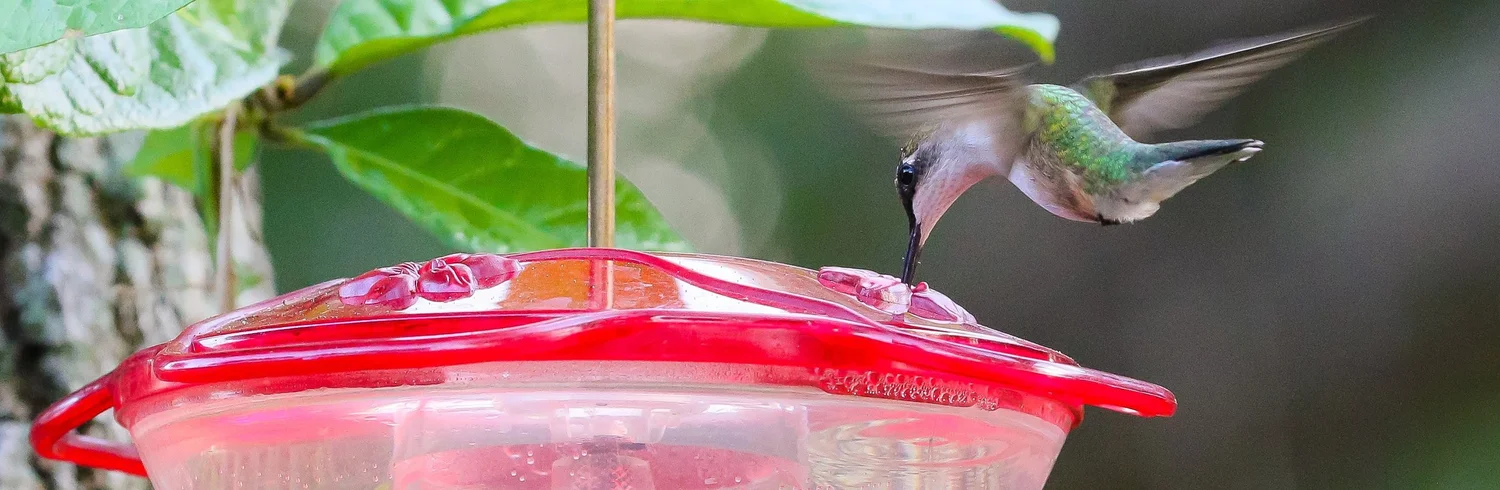
Credit: tropicalaudubon.org
Feeding Tips For Spring
Feeding birds in spring is a rewarding way to support local wildlife as they prepare for nesting and raising their young. However, to ensure your efforts truly help, you need to focus on safe and effective feeding practices. Here are some essential tips to keep your bird feeders welcoming and healthy for your feathered visitors this season.
Setting Up Clean Feeders
Clean feeders prevent the spread of diseases among birds. Wash your feeders with warm, soapy water at least once a week. Rinse thoroughly and let them dry completely before refilling.
Consider placing feeders in shaded areas to reduce mold growth on seeds. Also, keep the ground below the feeders clean by regularly removing seed hulls and droppings. This simple habit protects birds from infections and keeps your yard tidy.
Timing And Frequency
Start feeding early in spring when you first notice birds returning. They need extra energy for nesting and foraging. Keep feeders stocked consistently, but avoid overfilling to prevent waste and pests.
Offer food in small amounts multiple times a day if possible. Birds eat frequently, and fresh food encourages regular visits. Think about how your schedule can match their natural feeding patterns to create a reliable food source.
Avoiding Common Feeding Mistakes
One common mistake is feeding birds inappropriate food like bread or salty snacks. These can harm their health. Stick to seeds, suet, and fruits that provide real nutrition.
Another issue is placing feeders too close to windows, which can cause collisions. Move feeders at least three feet away or place decals on windows to reduce risk. Also, don’t forget to monitor for unwanted visitors like squirrels or aggressive birds that can chase away smaller species.
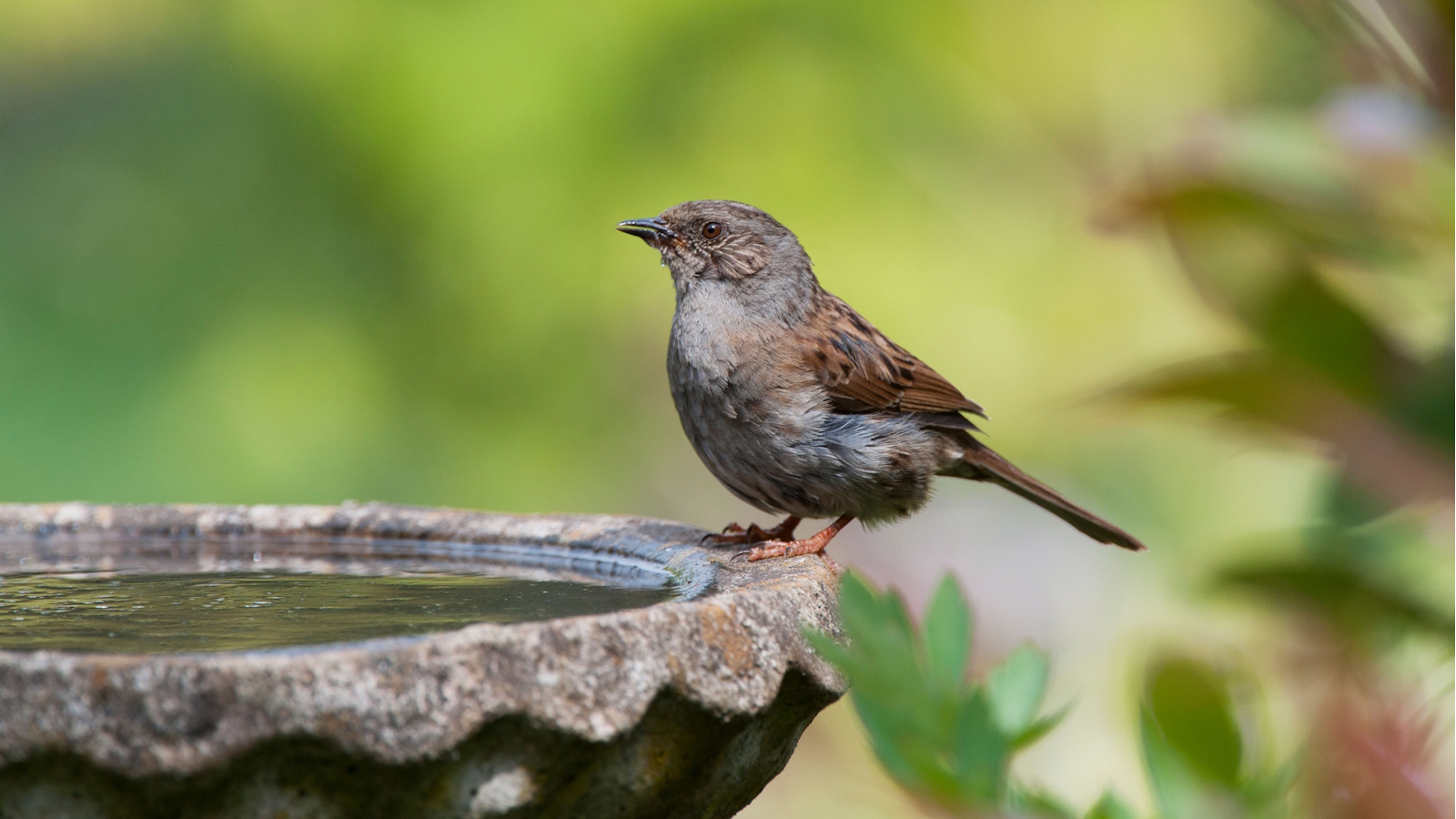
Credit: www.homesandgardens.com
Frequently Asked Questions
What Are The Best Seeds To Feed Birds In Spring?
Sunflower seeds, millet, and nyjer seeds are ideal for spring. They attract various birds and provide essential nutrients for growth and energy.
Can I Feed Birds Fruit During Spring?
Yes, fresh fruits like berries, apples, and oranges are great in spring. They offer natural sugars and vitamins that birds need after winter.
How Often Should I Refill Bird Feeders In Spring?
Refill feeders every 2-3 days in spring to keep food fresh. Consistent feeding helps birds build strength for nesting and migration.
Is It Safe To Feed Birds Bread In Spring?
Feeding bread is not recommended as it lacks nutrition. It can harm birds by causing digestive issues and poor health.
Conclusion
Spring offers a perfect time to nourish your garden birds. Providing varied seeds and fresh fruits supports their health. Suet cakes offer energy for nesting and migration. Fresh water is essential for drinking and bathing. Clean feeders regularly to prevent disease.
Encourage native plants to attract insects. These simple steps create a welcoming environment. Birds will visit and thrive in your garden. Enjoy watching them as they sing and play. Their presence brings joy and life to your outdoor space. Happy birdwatching this spring!