

Have you ever paused to watch the colorful flurry of wild birds visiting your garden? These feathered friends bring life, color, and joy to your outdoor space.
But have you ever wondered what to feed them to keep them coming back? Choosing the right food can transform your garden into a bird paradise. By understanding what wild birds love to eat, you not only support their health but also enhance your garden’s vibrancy.
This guide will reveal the best foods to entice a variety of birds, ensuring your garden becomes their favorite spot. Ready to discover the secrets to attracting a beautiful avian crowd? Keep reading, and you’ll soon become the go-to bird whisperer in your neighborhood.
Best Seeds For Wild Birds
Choosing the right seeds attracts a variety of wild birds to your garden. Different seeds appeal to different bird species. Offering a mix increases bird visits and enjoyment.
Sunflower Seeds
Sunflower seeds are a favorite among many wild birds. They have a high oil content that provides energy. Both black oil and striped sunflower seeds work well. Black oil seeds are easier for small birds to eat. Birds like finches, chickadees, and cardinals enjoy them most.
Millet And Sorghum
Millet and sorghum are small, round seeds loved by ground-feeding birds. These seeds attract sparrows, doves, and juncos. White proso millet is especially popular with smaller birds. Millet and sorghum are affordable and easy to find. They are best offered on the ground or in platform feeders.
Nyjer Seeds
Nyjer seeds are tiny and rich in oil. They attract finches such as goldfinches and siskins. These seeds require special feeders with small holes to prevent spillage. Nyjer is expensive but worth it for attracting these colorful birds. It is important to keep nyjer fresh for best results.

Credit: www.amazon.ca
Nutritious Nuts To Offer
Nuts provide wild birds with essential nutrients and energy. They are rich in fats, proteins, and vitamins. These nutrients help birds stay active and healthy, especially in cold weather. Offering a variety of nuts can attract different bird species to your garden. Always serve nuts unsalted and fresh to ensure safety.
Peanuts
Peanuts are popular among many garden birds. They offer high protein and fat content. Use unsalted, raw, or dry-roasted peanuts. Avoid peanuts with added oils or flavors. Birds like blue jays, woodpeckers, and chickadees enjoy peanuts. Serve them whole or crushed in feeders or on the ground.
Almonds
Almonds contain healthy fats and vitamins. They support birds during breeding and migration. Offer almonds unsalted and chopped into small pieces. This size makes eating easier for smaller birds. Species like nuthatches and titmice appreciate almonds. Keep almonds fresh to prevent mold growth.
Walnuts
Walnuts are a nutritious choice for wild birds. They have omega-3 fatty acids and protein. Break walnuts into smaller chunks before feeding. Birds such as jays and crows find walnuts very tasty. Avoid feeding moldy or old walnuts. Freshness is key for bird health and safety.
Fruits That Attract Birds
Fruits are a natural and tasty treat for wild birds in your garden. They provide essential nutrients and energy. Offering fruits helps attract a variety of bird species. Birds enjoy sweet, juicy, and colorful fruits that remind them of their natural diet.
Providing fresh fruits can keep birds healthy and active. It also encourages them to visit your garden more often. Different fruits attract different types of birds. Knowing which fruits to offer makes your garden a bird-friendly spot.
Berries
Berries are a favorite food for many wild birds. Blueberries, raspberries, and blackberries are excellent choices. They are small, easy to eat, and full of vitamins. Many birds, like robins and thrushes, love berries. You can place fresh berries on a feeder or scatter them on the ground. Berries also attract birds in colder months when other food is scarce.
Apples And Pears
Apples and pears are great fruits to feed birds. Cut them into small slices or chunks for easier eating. Birds like woodpeckers, starlings, and waxwings enjoy these fruits. Apples and pears provide hydration and natural sugars. Avoid feeding fruit with pesticides or chemicals. Fresh, organic fruits work best to keep birds healthy.
Grapes And Other Seasonal Fruits
Grapes are another tasty option for wild birds. Slice grapes in half to help birds eat them easily. Birds such as finches and orioles are attracted to grapes. Seasonal fruits like cherries, plums, and peaches also attract birds. Offer these fruits when they are ripe and fresh. Rotate fruits through the seasons to keep birds interested and well-fed.
Vegetables And Other Edibles
Vegetables and other edible items offer wild birds a variety of nutrients. These foods can attract many bird species to your garden. They provide energy and help birds stay healthy throughout the year. Offering a mix of fresh and cooked items ensures birds get the right balance. Always avoid salted or seasoned foods to keep birds safe.
Corn
Corn is a favorite for many wild birds. It can be offered fresh, dried, or cracked. Larger birds like jays, pigeons, and doves enjoy corn the most. It provides good energy and is easy to eat. Avoid using corn with any added salt or butter. Scatter it on the ground or use a feeder for best results.
Cooked Rice And Pasta
Cooked rice and pasta are simple and safe treats for birds. Use plain, unsalted, and unbuttered versions only. These foods are rich in carbohydrates, giving birds extra energy. Offer small amounts to avoid waste and attract ground feeders like sparrows and blackbirds. Always cool the food before placing it outside.
Mealworms And Insects
Mealworms and insects are excellent protein sources. They are especially good for insect-eating birds like robins and bluebirds. Offer live or dried mealworms to suit different bird preferences. Insects help birds during breeding and molting seasons. Place them in shallow dishes or special feeders designed for mealworms.
Foods To Avoid Feeding
Feeding wild birds in your garden is a wonderful way to connect with nature, but it’s important to know which foods to avoid. Giving birds the wrong types of food can harm their health and disrupt their natural diets. Understanding what not to feed is just as crucial as knowing what to offer.
Salty And Processed Foods
Birds cannot handle high salt levels. Even small amounts of salty snacks like chips or pretzels can cause dehydration and kidney damage in birds.
Processed foods often contain additives and preservatives that are harmful. Avoid giving birds leftovers from your meals or any packaged snacks.
Bread And Junk Food
Many people think feeding bread to birds is harmless, but it’s actually poor nutrition. Bread fills their stomachs without providing essential nutrients, leading to malnutrition.
Junk food, including cookies and sweets, can upset birds’ digestive systems and cause long-term health problems. Instead, opt for seeds or natural foods that support their well-being.
Toxic Plants And Seeds
Some plants and seeds can be dangerous to birds. Avoid offering foods like avocado, cherry pits, and apple seeds, as they contain toxins that can be fatal.
It’s also best to steer clear of feeding ornamental plants or unknown garden greens. If you’re unsure about a plant’s safety, it’s safer not to feed it to your feathered visitors.
Credit: dengarden.com
Feeding Tips For Healthy Birds
Feeding wild birds in your garden can be a rewarding experience, but it comes with responsibilities to keep them healthy and safe. Paying attention to how and when you feed birds can make a big difference in their well-being. Here are some practical tips to help you create a bird-friendly feeding environment that supports their health year-round.
Clean Feeding Areas
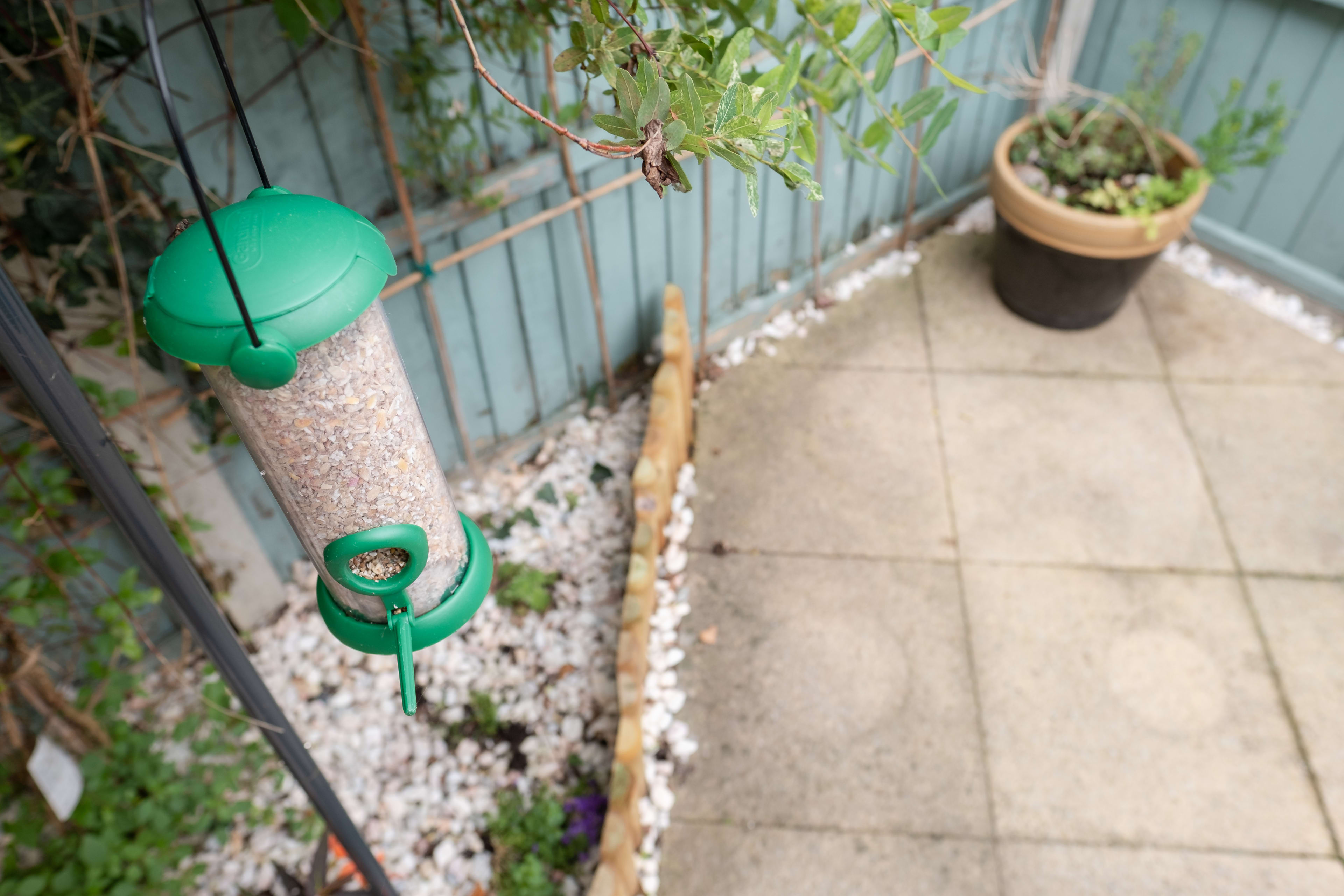
Birds are very sensitive to bacteria and mold, which can build up quickly in feeders and feeding spots. Make sure you clean your bird feeders regularly—ideally once a week—with warm, soapy water. Rinse thoroughly and let them dry before refilling.
Also, clear away old seeds and droppings from the ground beneath feeders. This prevents the spread of diseases and keeps the area inviting. Have you noticed how a clean feeding station attracts more birds? It’s not just your imagination.
Seasonal Feeding Adjustments
Your garden’s bird menu should change with the seasons to meet their nutritional needs. In colder months, high-fat foods like suet, peanuts, and sunflower seeds provide the energy birds need to stay warm. During spring and summer, focus on offering fruits, insects, and softer seeds that support breeding and raising chicks.
Pay attention to local bird species and their habits. You might find that some birds stop visiting certain feeders as the seasons change. Adjust your offerings accordingly to keep your feathered friends healthy and coming back.
Safe Feeding Practices
Keep predators at bay by placing feeders in safe locations away from cats or other threats. Avoid overcrowding feeders to reduce stress and the chance of disease spreading. If you notice sick birds, remove the feeders temporarily and clean everything thoroughly.
Choose feeders made of non-toxic materials and avoid seeds treated with pesticides or chemicals. These details protect the birds and ensure your garden remains a safe haven. What small changes could you make today to improve the safety of your bird feeding routine?

Credit: www.amazon.ca
Frequently Asked Questions
What Are The Best Seeds To Feed Wild Birds?
Sunflower seeds are the most popular choice. They attract many bird species. Millet, nyjer, and safflower seeds are also great options.
Can I Feed Wild Birds Bread Or Leftovers?
Avoid feeding birds bread or leftovers. Bread lacks nutrients and can harm birds. Stick to seeds, nuts, and fruits instead.
How Often Should I Refill Bird Feeders?
Refill feeders every few days or when empty. Regular refills keep birds returning. Clean feeders before refilling to prevent disease.
Which Fruits Are Safe For Wild Birds To Eat?
Birds enjoy apples, berries, grapes, and melon. Remove seeds and pits as they can be toxic. Offer fresh, clean fruit in small pieces.
Conclusion
Feeding wild birds brings life and joy to your garden. Choose seeds and foods that suit local birds best. Clean feeders often to keep birds healthy. Watch different birds visit and enjoy their colors. Feeding helps birds through cold or dry seasons.
A simple act that connects you with nature. Start small, learn what birds like, and enjoy. Your garden becomes a lively space full of bird songs. Every small effort counts for wild bird care.