

As winter blankets Colorado in a pristine layer of snow, the vibrant chirps and flutters of wild birds bring life to the frosty landscape. You may have noticed these feathered visitors seeking sustenance amidst the icy chill, and perhaps you’re wondering how you can lend a helping hand.
Knowing what to feed wild birds during Colorado’s winter is not just a generous act; it’s a way to connect with nature and bring joy to your own backyard. Imagine the satisfaction of watching a flurry of colors and wings as birds flock to your thoughtfully prepared feast.
In this guide, you’ll discover the best foods to nourish your avian guests, ensuring they thrive even when the temperatures drop. Ready to transform your outdoor space into a winter haven for wild birds? Read on to learn more!
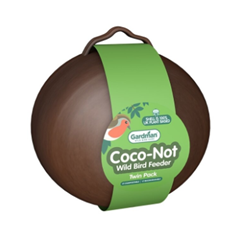
Credit: www.reallywildbirdfood.co.uk
Winter Challenges For Wild Birds
Wild birds in Colorado face many challenges during winter. The cold weather and snow make survival difficult. Birds need extra energy to stay warm. Finding enough food becomes a daily struggle. Understanding these challenges helps us support wild birds better.
Harsh Weather Effects
Winter in Colorado brings freezing temperatures and strong winds. Birds lose body heat quickly. Snow and ice cover their usual shelter places. Staying warm uses much of their energy. Cold nights are especially hard for small birds. They need safe spots to hide from the cold. Some birds fluff their feathers to trap warmth. But severe weather can still be deadly.
Food Scarcity Issues
Snow covers seeds and insects birds normally eat. Food sources become rare and hard to find. Natural supplies drop because plants stop growing. Insects and worms go underground or die off. Birds must travel farther to find food. This uses more energy they can barely spare. Winter food scarcity can lead to hunger and weakness. Feeding stations with the right foods help birds survive.
Nutritional Needs In Cold Months
Winter in Colorado brings cold temperatures and scarce natural food sources for wild birds. Their survival depends on the right nutrition during these tough months. Understanding the specific nutritional needs of wild birds helps you provide the best food to keep them strong and healthy.
Energy Requirements
Cold weather increases birds’ energy needs. They use more calories to keep warm. Birds burn energy quickly to maintain body heat. Foods high in fat provide the most energy. Seeds like sunflower and safflower offer dense calories. Suet blocks are also a great energy source. Feeding energy-rich foods helps birds survive freezing days and nights.
Essential Nutrients
Birds need more than just energy. Proteins help repair and build muscles. Insects and mealworms are good protein sources. Vitamins and minerals support strong feathers and bones. Calcium is vital for egg-laying females. Fresh fruits and vegetables provide important vitamins. Clean water is also essential for hydration and digestion.
Best Seeds For Winter Feeding
Choosing the right seeds helps wild birds survive Colorado’s cold winters. Seeds provide essential energy and nutrients. Different birds prefer different seeds. Offering a mix attracts a variety of birds to your yard.
Sunflower Seeds
Sunflower seeds are a favorite among many bird species. Black oil sunflower seeds have thin shells that are easy to crack. They offer high fat content, which is vital for winter energy. Birds like chickadees, nuthatches, and finches enjoy these seeds the most.
Safflower Seeds
Safflower seeds are a great choice for winter feeding. They have a tough shell that squirrels often avoid. Cardinals and grosbeaks love safflower seeds. These seeds add variety to your bird feeders and support different bird species.
Millet And Nyjer
White proso millet is popular with ground-feeding birds like sparrows and juncos. Nyjer seeds are tiny and rich in oil. Finches, including goldfinches and pine siskins, prefer nyjer. Use special feeders to keep nyjer seeds from spilling.

Credit: www.birdsandblooms.com
Nut Options For Wild Birds
Nuts are a fantastic energy source for wild birds during Colorado’s cold winters. They provide essential fats and proteins that help birds stay warm and active. Offering nuts can attract a variety of bird species to your feeder. Choose safe, unsalted nuts to keep birds healthy and happy.
Peanuts And Peanut Butter
Peanuts are popular with many wild birds, including jays, woodpeckers, and chickadees. Offer shelled or unshelled peanuts, but avoid salted or flavored types. Peanut butter is also a favorite, especially in colder months. Spread a thin layer on pine cones or tree bark to create a simple feeder. Use natural peanut butter without added sugar or salt to protect bird health.
Shelled Almonds And Walnuts
Shelled almonds and walnuts are rich in fats that help birds survive cold days. Chop them into smaller pieces for easy eating by smaller birds. These nuts attract woodpeckers, nuthatches, and titmice. Avoid roasted or salted varieties. Place them in mesh feeders or scatter on flat surfaces for best results. Fresh, raw nuts are the healthiest choice for wild birds.
Fruits And Suet Choices
Feeding wild birds in Colorado during winter requires careful food choices. Fruits and suet are excellent options that provide energy and nutrients. These foods help birds stay warm and active in cold weather. Offering a mix of fruits and suet attracts a variety of bird species. Understanding the benefits of each helps create a better feeding station.
Dried Fruits Benefits
Dried fruits are lightweight and easy for birds to eat. They offer natural sugars that boost energy quickly. Many birds enjoy raisins, cranberries, and chopped apricots. These fruits provide vitamins and antioxidants that support bird health.
- Easy to store and last longer than fresh fruits
- Attracts species like robins, waxwings, and thrushes
- Contains essential nutrients for winter survival
Keep dried fruits in small pieces for easy feeding. Avoid fruits with added sugars or preservatives. Place fruits on flat trays or mixed with seeds to reduce waste.
Suet Cakes And Mixes
Suet is a high-energy food made from animal fat. It melts slowly in cold weather, providing warmth and fuel. Birds like woodpeckers, nuthatches, and chickadees rely on suet for survival in winter.
- Suet cakes can include seeds, nuts, or berries
- Ready-made mixes save time and attract many birds
- Can be hung in special suet feeders or on tree branches
Choose suet without artificial additives or harmful ingredients. Rotate suet regularly to keep it fresh and prevent mold. Mixing suet with dried fruits offers a balanced treat.
Safe Feeding Tips
Feeding wild birds safely during Colorado winters helps keep them healthy and strong. Birds rely on clean, fresh food to survive harsh weather. Safe feeding prevents illness and supports local wildlife through cold months.
Avoiding Mold And Spoilage
Moldy or spoiled food can harm birds quickly. Check feeders often and remove wet or clumped seed. Use fresh seed every few days to keep it dry and tasty. Avoid seeds that look dusty or smell bad. Store extra seed in cool, dry places to stop mold growth.
Proper Feeder Placement
Place feeders where birds feel safe from predators. Choose spots near bushes or trees for quick shelter. Avoid placing feeders too close to windows to prevent collisions. Keep feeders high enough to stay clear of pets and ground animals. Make sure feeders are easy to refill and clean.
Local Birds To Attract
Winter in Colorado can be harsh for wild birds. Cold temperatures and snow cover make food scarce. Feeding local birds helps them survive and thrive. Knowing which birds visit your area guides your feeding choices.
Common Colorado Species
Many birds stay in Colorado through winter. Some common species include:
- Black-capped Chickadee
- Mountain Bluebird
- Stellar’s Jay
- Dark-eyed Junco
- Red-tailed Hawk
- American Goldfinch
These birds vary in size and diet. Offering a mix of seeds and suet attracts many types. Bird feeders with sunflower seeds and peanuts are popular choices. Water sources also encourage visits during freezing weather.
Birds That Prefer Nuts
Some Colorado birds favor nuts in winter. Nuts provide high energy and fats. They help birds keep warm and active.
- Woodpeckers love suet cakes with nuts mixed in.
- Steller’s Jays enjoy peanuts and walnuts.
- Clark’s Nutcrackers rely heavily on pine nuts and other seeds.
- Nuthatches crack open shelled nuts for a protein boost.
Offer unsalted, shelled nuts to keep birds safe. Use feeders designed for larger birds to prevent small birds from being pushed out. Mixing nuts with seeds and suet works well for a balanced winter diet.

Credit: www.audubon.org
Frequently Asked Questions
What Are The Best Seeds For Winter Birds In Colorado?
Sunflower seeds, nyjer, and millet are top choices. They provide essential fats and nutrients to help birds survive cold winters in Colorado. These seeds attract a variety of species and keep birds energized during scarce food periods.
How Can I Keep Bird Feeders Safe In Winter?
Clean feeders regularly to prevent mold and disease. Use squirrel-proof feeders and place them in sheltered spots. This ensures birds have safe access to food and protection from harsh weather and predators.
Why Is Suet Important For Wild Birds In Winter?
Suet offers high-energy fat that helps birds stay warm. It’s especially beneficial for insect-eating birds like woodpeckers. Providing suet supports their energy needs when insects are scarce in Colorado winters.
When Should I Start Feeding Wild Birds In Colorado Winter?
Begin feeding when temperatures drop below freezing. Early feeding helps birds prepare for harsher weather. Maintaining feeders throughout winter ensures consistent food supply during the coldest months.
Conclusion
Feeding wild birds in Colorado during winter helps them stay strong. Choose seeds like sunflower, millet, and cracked corn for best results. Fresh water is also important when temperatures drop. Place feeders in safe, quiet spots to attract more birds.
Enjoy watching different bird species visit your yard daily. Small efforts make a big difference for birds in cold months. Keep feeding regularly to support their survival and happiness. Nature feels closer when you help these beautiful creatures thrive.