

Are you passionate about the flurry of colors and cheerful chirping of wild birds in your garden? Feeding wild birds in the UK is not only a delightful hobby but also a vital way to support their survival, especially during the colder months.
But what should you actually feed them to ensure they stay healthy and happy? This is where many bird enthusiasts find themselves at a crossroads. Choosing the right food can make all the difference in attracting a wide variety of birds and keeping them coming back for more.
With so many options out there, it can be overwhelming to know where to start. But fear not! You’ll discover exactly what to feed wild birds in the UK, ensuring you provide the best nutrition while enjoying the lively company of your feathered friends. Dive in to learn more and transform your garden into a haven for these enchanting creatures.

Credit: www.amazon.co.uk
Best Seeds For Wild Birds
Choosing the best seeds is key to attracting wild birds in the UK. Seeds provide essential nutrients and energy. Different birds prefer different seeds. Offering a variety ensures more birds visit your garden. Let’s explore some top seed choices.
Sunflower Seeds
Sunflower seeds are a favourite for many wild birds. They contain high fat and protein content. Birds like tits, finches, and nuthatches enjoy them. Black oil sunflower seeds are easier for small birds to eat. These seeds help birds build energy for cold days.
Nyjer Seeds
Nyjer seeds are tiny but packed with nutrients. They attract small finches like goldfinches and siskins. Nyjer seeds need special feeders with tiny holes. These seeds do not sprout, reducing mess. They are perfect for gardens with limited space.
Millet And Hemp
Millet is a favourite of ground-feeding birds like sparrows and doves. It is easy to digest and full of carbohydrates. Hemp seeds offer essential fatty acids and protein. Birds such as pigeons and starlings eat hemp seeds. Mixing millet and hemp creates a balanced diet for many birds.

Credit: peckishbirdfood.com
Fruits That Attract Birds
Feeding wild birds with fruits is a fantastic way to bring vibrant life to your garden. Birds are naturally drawn to the sweet and juicy offerings that fruits provide. Including a variety of fruits can attract different species, making your birdwatching experience richer and more diverse.
Berries And Cherries
Berries like blackberries, raspberries, and blueberries are a favorite for many wild birds. These small fruits are easy for birds to eat and packed with nutrients.
Cherries, especially sour varieties, also draw birds like thrushes and waxwings. You can scatter them on a feeding platform or hang them in mesh bags to keep them accessible.
Apples And Pears
Cut apples and pears into slices or chunks and place them on your bird feeder. Birds such as robins, starlings, and woodpeckers love these fruits.
Make sure to remove any seeds before offering, as some can be harmful. You might be surprised how quickly these fruits disappear once birds discover them!
Raisins And Sultanas
Dried fruits like raisins and sultanas are perfect for colder months when fresh fruit is scarce. Their concentrated sweetness provides essential energy for birds during winter.
Sprinkle them directly onto feeding tables or mix with nuts and seeds for a nutritious treat. Have you noticed birds’ enthusiasm for these tiny dried fruits in your garden?
Nuts And Suet Options
Nuts and suet are popular choices for feeding wild birds in the UK, especially during colder months. These foods provide essential fats and proteins that help birds maintain energy and warmth. Offering a variety of nuts and suet options can attract different species and keep your garden lively.
Peanuts And Hazelnuts
Peanuts are a favorite among many birds like tits, woodpeckers, and nuthatches. They offer high protein and fat, making them a great energy source. Always provide unsalted and shelled peanuts to keep the birds safe.
Hazelnuts are another excellent choice, loved by jays and woodpeckers. Their hard shells mean they last longer on feeders and don’t spoil quickly. Try chopping them into smaller pieces to make eating easier for smaller birds.
Suet Cakes And Balls
Suet cakes and balls are packed with fat and often mixed with seeds, grains, or dried fruits. They’re perfect for attracting insect-eaters like robins and wrens. You can buy ready-made suet or make your own by mixing beef fat with bird-friendly ingredients.
Place suet near trees or shrubs to give birds a safe spot to feed away from predators. Have you noticed how quickly blue tits flock to suet feeders? It’s a clear sign they value this rich food.
Fat And Energy-rich Foods
Birds need fat-rich foods to survive chilly days and long nights. Suet and nuts provide concentrated energy that helps them stay warm and active. Including a mix of these in your feeding routine supports a variety of species throughout the year.
Consider adding sunflower seeds, mealworms, or even small pieces of cheese to diversify the energy sources. What types of birds visit your garden when you add high-energy foods? Observing their preferences can help you tailor your feeding strategy.
Vegetables And Grains
Vegetables and grains make excellent additions to your wild bird feeding routine. They provide essential nutrients that many birds need, especially during colder months when natural food is scarce. Offering a variety of these foods can attract different species and keep your garden lively.
Oats And Wheat
Oats and wheat are easy to source and loved by many wild birds. You can scatter whole oats or wheat grains on the ground or in feeders. Birds like sparrows, finches, and pigeons enjoy pecking at these grains throughout the day.
Try mixing oats with other seeds for a balanced snack. Have you noticed how some birds prefer grains over seeds? Adding oats and wheat can help you attract those species.
Corn And Maize
Corn and maize are excellent energy sources for birds like blackbirds, jays, and woodpeckers. Offering cracked or whole corn can encourage visits from these vibrant species. Be sure to provide these grains in moderation to avoid waste and spoilage.
Remember to avoid salted or flavored corn products. Fresh, plain corn is best for wild birds. Have you ever seen a woodpecker enjoy a fresh ear of corn? It’s a rewarding sight that shows your feeding efforts pay off.
Cooked Vegetables
Cooked vegetables such as peas, carrots, and sweet potatoes can be a tasty treat for wild birds. They are soft, easy to eat, and rich in vitamins. Always serve them plain, without seasoning or oil.
Chop vegetables into small pieces to make them easier for birds to handle. You might be surprised how quickly birds like robins and thrushes will come for these healthy snacks. What vegetables have you tried feeding your garden visitors?
Foods To Avoid Feeding Birds
Feeding wild birds can be a rewarding experience, but it’s important to know which foods can harm them. Some common human foods can cause serious health issues or even be fatal. Avoiding these will keep your feathered visitors safe and healthy.
Salted And Processed Foods
Salt is toxic to wild birds. Even small amounts can cause dehydration and kidney problems. Processed snacks like chips, salted nuts, and crisps often contain high salt levels, so never offer these to birds.
Have you ever noticed birds avoiding salty leftovers? That’s their natural instinct protecting them. Instead, stick to unsalted, natural seeds and nuts for feeding.
Bread And Dairy Products
Bread might seem harmless, but it offers little nutrition and can fill birds up without giving them energy. It can also cause digestive issues and lead to malnutrition if fed frequently.
Dairy products like milk and cheese are not suitable either. Birds lack the enzymes to digest lactose, which can cause stomach upset. Keep your bird feeding simple and natural—skip the bread and cheese.
Moldy Or Spoiled Items
Mold grows quickly on leftover food and can produce toxins dangerous to birds. Feeding moldy bread, fruit, or nuts risks poisoning and illness. Always check food for freshness before offering it to your feathered friends.
Have you ever smelled spoiled food and thought twice? Birds rely on you to provide safe, clean food. Toss out anything that looks or smells off to keep them healthy and happy.
Feeding Tips For Different Bird Species
Feeding wild birds requires understanding their different tastes and habits. Each species prefers certain foods and feeding styles. Offering the right food helps attract a variety of birds to your garden. This guide shares simple tips to feed finches, sparrows, robins, thrushes, woodpeckers, and jays.
Attracting Finches And Sparrows
Finches and sparrows enjoy small seeds. Black sunflower seeds and nyjer seeds work well.
- Use mesh feeders or trays with small holes.
- Keep seeds dry to avoid mold.
- Place feeders in open areas for easy access.
These birds prefer group feeding, so offer plenty of seeds. Avoid large seeds that are hard to eat.
Feeding Robins And Thrushes
Robins and thrushes like soft, juicy foods. Mealworms and chopped fruit are favorites.
- Use platform feeders or shallow dishes.
- Place food near bushes or low branches.
- Keep food fresh and replace often.
These birds eat insects and fruit, not seeds. Avoid feeders designed for seed eaters.
Welcoming Woodpeckers And Jays
Woodpeckers and jays prefer nuts, suet, and fruit. Peanuts and fat balls attract them well.
- Use suet cages and sturdy feeders.
- Hang feeders on tree trunks or strong branches.
- Offer cracked nuts and unsalted peanuts.
These birds are strong and need durable feeders. Provide fresh food to keep them returning.
Seasonal Feeding Practices
Feeding wild birds in the UK changes with the seasons. Each season brings different needs for birds. Understanding these needs helps you provide the right food. This keeps birds healthy and visiting your garden often. Seasonal feeding also supports birds during hard times like cold winters or breeding seasons.
Winter Feeding Essentials
Winter is tough for wild birds. Food is scarce, and cold weather uses much of their energy. Offer high-energy foods to help them survive. Seeds like sunflower and nyjer are favorites. Fat-rich foods such as suet balls provide extra calories. Peanuts and dried fruits also work well. Keep feeders clean to prevent disease. Provide fresh water, as natural sources may freeze.
Spring And Summer Choices
Birds eat less in spring and summer. Natural food like insects and berries is plentiful. Focus on offering soft foods and fruits. Mealworms are great protein sources for chicks. Soft fruits like chopped apples or berries attract many species. Avoid fatty foods in warm weather to prevent spoilage. Maintain fresh water for drinking and bathing. Remove feeders gradually as natural food becomes abundant.
Autumn Food Preparations
Autumn is a time to help birds prepare for winter. Offer a mix of seeds and nuts. Sunflower seeds, peanuts, and corn are excellent choices. Fruits like apples and pears provide vitamins. Keep feeders stocked as natural food starts to decrease. Clean feeders regularly to avoid mold and bacteria. Provide fresh water before colder weather arrives. This support helps birds build strength for winter.
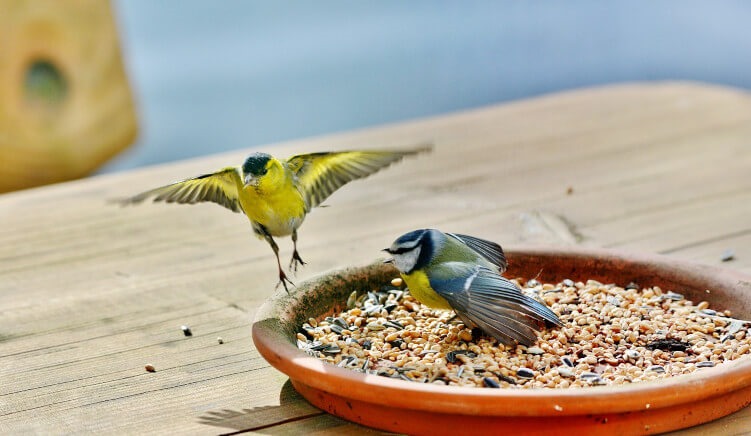
Credit: www.reallywildbirdfood.co.uk
Setting Up Bird Feeders
Setting up bird feeders invites wild birds to your garden. It creates a safe spot for birds to eat. The right feeder and placement help attract many species. Clean feeders keep birds healthy and returning often.
Types Of Feeders
Choose feeders based on the birds you want to attract. Tube feeders suit small birds like finches. Tray feeders work well for ground-feeding birds. Hopper feeders hold large amounts of seed. Suet feeders attract woodpeckers and tits. Peanut feeders are great for nut-loving birds.
Placement And Safety
Place feeders where birds feel safe. Near trees or shrubs is best for quick shelter. Keep feeders away from windows to prevent collisions. Avoid areas with easy access for cats. Place feeders at least 1.5 meters off the ground.
Cleaning And Maintenance
Clean feeders every two weeks to stop disease. Use warm water and mild soap only. Rinse well to remove all soap. Dry feeders before refilling with seed. Check feeders for damage and fix promptly. Keep the area under feeders free from old seed.
Frequently Asked Questions
What Foods Attract Wild Birds In The Uk?
Seeds like sunflower, niger, and millet attract many UK birds. Suet, peanuts, and mealworms are also popular choices. Fresh water and fruit can increase visits. Avoid bread as it lacks nutrients and may harm birds.
When Is The Best Time To Feed Wild Birds?
Feed wild birds year-round, especially in winter. Cold months reduce natural food availability. Spring and summer feeding supports breeding birds. Regular feeding helps birds survive harsh conditions and attracts a variety of species.
How Do I Keep Bird Feeders Clean And Safe?
Clean feeders every two weeks with hot water and mild soap. Rinse thoroughly and dry before refilling. This prevents mold, bacteria, and disease spread. Avoid overcrowding feeders to reduce bird stress and illness.
Can Feeding Wild Birds Harm Them?
Feeding birds with the right food is safe and helpful. Avoid processed or salty human foods. Poor feeding habits can cause dependency or malnutrition. Always provide fresh, suitable food to support healthy bird populations.
Conclusion
Feeding wild birds in the UK helps them stay healthy and strong. Choose seeds, nuts, and fruits that suit local birds. Avoid bread or salty foods that can harm them. Regular feeding creates a safe spot for birds to visit.
Watching birds brings joy and connects you to nature. Small efforts make a big difference for wildlife. Keep feeders clean and filled to support birds year-round. Enjoy the beauty and life wild birds bring to your garden.