

Ever stumbled upon a wounded bird and felt a rush of urgency to help? You’re not alone.
Many of us feel an instinctive need to care for these fragile creatures. But knowing exactly what to feed a wounded bird can be daunting. You want to provide the right nutrition to aid its recovery, yet you worry about causing harm with the wrong food choices.
This guide will unravel the mysteries of what to feed a wounded bird, empowering you with knowledge that can make a genuine difference. Stick around, because the health and well-being of that tiny life might just depend on what you learn next.
Identifying The Bird’s Needs
Identifying a wounded bird’s needs is the first step in providing proper care. Every bird reacts differently to injury. Understanding what it requires helps you offer the right food and support. Observing the bird closely reveals clues about its health and nutritional demands.
Injuries affect a bird’s ability to eat and digest food. Some wounds may prevent the bird from flying or moving easily. Others might cause pain or weakness. Recognizing these signs guides you in choosing the best foods for recovery.
Types Of Common Injuries
- Broken wings or legs that limit movement
- Bruises and cuts causing pain and bleeding
- Head injuries affecting coordination and balance
- Feather damage that impacts insulation and flight
- Internal injuries that might cause weakness or lethargy
Assessing The Bird’s Condition
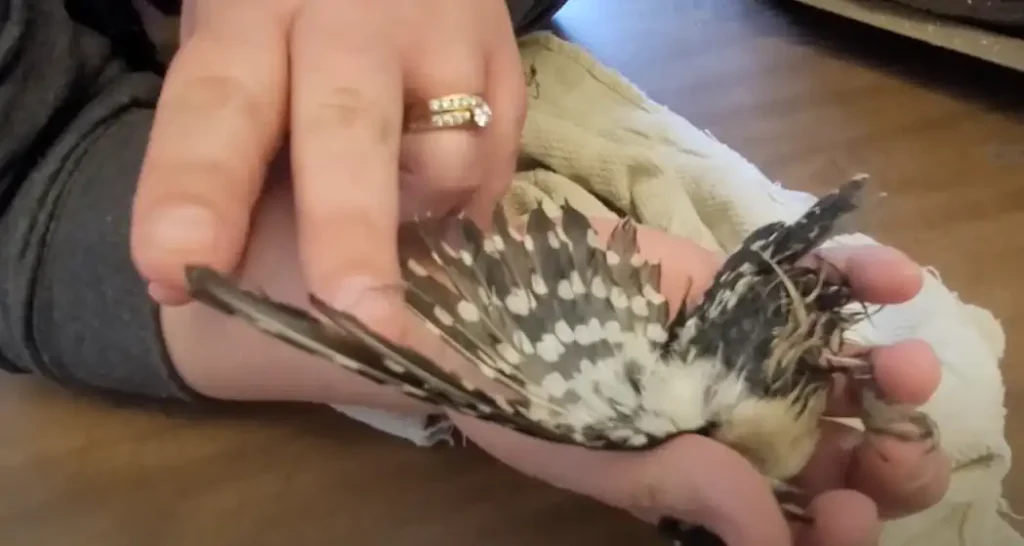
Check if the bird can perch or stand. Notice any signs of pain or distress. Observe breathing patterns and alertness. Look for visible wounds or swelling. These details help decide the type of food and care needed.
Birds with severe injuries may need soft, easy-to-digest food. Weak birds might require small, frequent meals. Hydration is also crucial; water or electrolyte solutions can assist recovery. Tailoring care to the bird’s condition boosts its chance of healing.
Credit: www.earthofbirds.com
Safe Feeding Practices
Feeding a wounded bird requires more than just offering food; it demands careful attention to safety and comfort. You want to avoid causing further harm or stress while helping the bird regain strength. Understanding safe feeding practices ensures you provide the right care without risking injury to the bird or yourself.
Choosing The Right Food
Not all bird foods are suitable for a wounded bird. Focus on easily digestible options that provide quick energy and hydration.
- Soft fruits like mashed bananas or applesauce can be gentle on an injured bird’s digestive system.
- Insects such as mealworms or small crickets offer high protein and help with healing.
- Specialized bird recovery formulas from pet stores are often fortified with essential vitamins and minerals.
Avoid giving bread or processed human foods, as they can cause malnutrition or digestive issues. Ask yourself: what food would be easiest for the bird to swallow without choking or discomfort? That’s a good starting point.
Feeding Tools And Techniques
Your choice of tools and how you feed can make a big difference in the bird’s comfort and safety. Use small, soft tools like a syringe without a needle or tweezers designed for delicate handling.
- Feed slowly and gently, allowing the bird to swallow at its own pace.
- Keep the bird in an upright, natural position to prevent choking.
- Offer food drop by drop to avoid overwhelming the bird’s injured beak or throat.
Remember, patience is key. If the bird resists, stop and try again later—forcing food can cause more harm than good. Have you noticed how subtle changes in your approach can calm a nervous bird? Small adjustments often make feeding safer and more successful.
Nutrition For Healing
Nutrition plays a key role in helping a wounded bird recover. The right foods support tissue repair and boost the immune system. Proper feeding helps the bird regain strength and heal faster. Focus on balanced nutrition to provide energy and essential nutrients.
Protein Sources
Protein is vital for tissue repair and muscle strength. Offer soft, easy-to-digest proteins such as:
- Cooked eggs, finely chopped
- Boiled chicken, shredded
- Mealworms or small insects
- Soft tofu or mashed beans
These options provide amino acids that help rebuild damaged cells.
Vitamins And Minerals
Vitamins and minerals boost the immune system and support healing. Include foods rich in:
- Vitamin A: carrots, sweet potatoes (mashed)
- Vitamin C: mashed berries or citrus pulp
- Calcium: crushed eggshells or calcium supplements
- Iron: finely ground leafy greens
These nutrients help reduce inflammation and promote new cell growth.
Hydration Tips
Water is crucial for healing and overall health. Keep the bird hydrated by:
- Offering fresh, clean water frequently
- Mixing water with a bit of electrolyte solution
- Providing watery fruits like watermelon or cucumber pieces
Hydration supports circulation and helps flush out toxins from the body.

Credit: www.reddit.com
Foods To Avoid
Knowing what not to feed a wounded bird is just as important as knowing what to offer. Certain foods can worsen their condition or even be fatal. Avoiding these harmful items will give your feathered friend the best chance to heal quickly and safely.
Foods High In Salt And Sugar
Salt and sugar can dehydrate birds and disrupt their delicate balance of electrolytes. Even small amounts can be dangerous. Avoid giving anything processed like chips, bread with salt, or sweets.
Have you ever noticed how birds avoid salty or sugary human snacks? Their bodies simply can’t handle it.
Dairy Products
Birds lack the enzymes to digest dairy properly. Milk, cheese, and yogurt can cause digestive upset and diarrhea. It’s best to stick to water and bird-safe hydration options.
Avocado And Chocolate
Both avocado and chocolate contain toxins harmful to birds. These foods can cause heart and respiratory problems, sometimes leading to death. It’s critical to keep these well out of reach.
Uncooked Beans And Certain Seeds
Raw beans contain harmful proteins that can poison birds. Similarly, some seeds like apple seeds have cyanide compounds. Always research or consult before feeding any unfamiliar seeds or legumes.
Foods With Artificial Additives
Artificial colors, flavors, and preservatives can stress a wounded bird’s system. These chemicals may cause allergic reactions or digestive issues. Choose natural, fresh foods whenever possible.
Creating A Recovery Environment
Creating a recovery environment is key to helping a wounded bird heal. It means setting up a safe, quiet place where the bird can rest and regain strength. The right surroundings reduce the bird’s pain and support its natural healing process.
Housing And Comfort
Choose a small, secure cage or box to house the bird. Line the bottom with soft towels or cloths to cushion its body. Keep the space dry and clean to prevent infections. Make sure the container has enough air but no drafts. Place the housing in a calm, warm spot away from pets and loud noises.
Minimizing Stress
Stress slows healing and weakens the bird. Limit handling to only what is needed for feeding and care. Speak softly and avoid sudden movements around the bird. Keep the room quiet and dimly lit to help the bird feel safe. Avoid overcrowding the space with too many objects or people.

Credit: www.reddit.com
When To Seek Veterinary Help
Knowing when to seek veterinary help for a wounded bird is crucial. Some injuries may look minor but can become serious fast. Prompt professional care can save the bird’s life and reduce pain. Watch the bird closely and act quickly if signs of trouble appear.
Signs Of Complications
- Bird refuses to eat or drink for more than 12 hours
- Visible wounds that bleed heavily or do not stop bleeding
- Swelling, redness, or pus around the injury
- Bird appears weak, lethargic, or unresponsive
- Difficulty breathing or noisy breathing sounds
- Broken or hanging feathers with exposed bone or tissue
- Unusual behavior like constant shaking or tilting the head
Professional Care Options
Veterinarians trained in avian care provide the best treatment for injured birds. They can clean wounds safely and prescribe antibiotics to prevent infections. They may also offer pain relief and fluids if the bird is dehydrated.
Wildlife rehabilitation centers accept injured birds and give specialized care. They prepare birds for release back into nature once healed. Calling local wildlife experts can guide you on how to proceed.
Quick action and expert help improve recovery chances. Never delay if the bird shows serious symptoms or worsens over time.
Frequently Asked Questions
What Food Is Safe For A Wounded Bird?
Safe foods include soaked dog biscuits, mealworms, and birdseed mixes. Avoid processed or salty foods. Offer fresh water alongside.
How To Feed A Wounded Bird Gently?
Use a small spoon or syringe to feed. Offer small amounts slowly. Avoid force-feeding to prevent stress or injury.
Can I Feed A Wounded Bird Bread?
Avoid bread; it lacks nutrients and can harm birds. Opt for nutritious options like insects, seeds, or softened fruits instead.
How Often Should I Feed An Injured Bird?
Feed small portions every 2-3 hours during daylight. Consistent feeding supports recovery without overwhelming the bird’s system.
Conclusion
Feeding a wounded bird takes care and patience. Offer soft, easy-to-eat foods like soaked seeds or mealworms. Keep the bird calm and avoid sudden movements. Clean water is important for healing and hydration. Watch the bird closely and adjust food as needed.
Helping a bird recover feels rewarding and kind. Small acts can make a big difference for injured wildlife. Always seek advice from a wildlife expert when possible. Caring for nature starts with simple, gentle steps.