

Are you wondering what to fill your bird feeder with to attract the most beautiful and lively birds to your yard? Choosing the right food can make all the difference in inviting a variety of feathered friends.
Whether you want colorful finches, cheerful sparrows, or curious woodpeckers, the secret lies in what you offer. Keep reading to discover the best options that will turn your bird feeder into a buzzing hotspot of nature’s wonders. You’ll learn simple tips that anyone can follow to enjoy more bird visits every day.
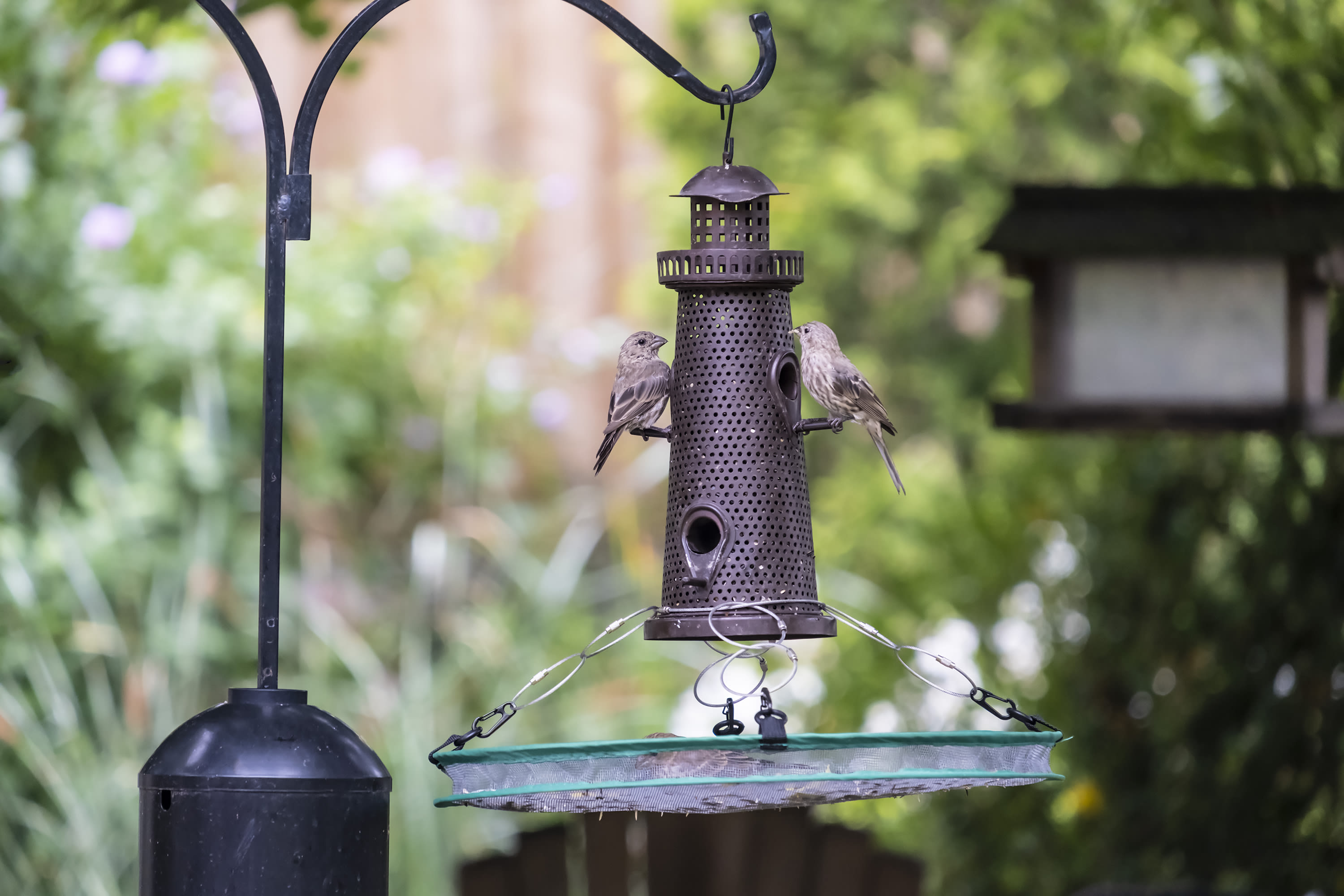
Credit: dengarden.com
Best Seeds For Backyard Birds
Choosing the right seeds for your backyard bird feeder attracts a variety of birds. Different birds prefer different seeds. Offering the best seeds ensures more visitors and a lively garden. This guide covers popular seeds that suit many backyard birds.
Black Oil Sunflower Seeds
Black oil sunflower seeds are a favorite for many birds. They have thin shells, easy to crack open. They offer high fat content for energy. Birds like cardinals, chickadees, and finches enjoy these seeds. They attract a wide range of species.
Nyjer (thistle) Seeds
Nyjer seeds are tiny and rich in oil. They attract small birds like goldfinches and siskins. These seeds require special feeders to prevent spillage. Nyjer is a great choice for seed-loving finches. They provide essential nutrients for these birds.
Safflower Seeds
Safflower seeds have a hard shell and a bitter taste. They appeal to cardinals, doves, and grosbeaks. Squirrels and blackbirds usually avoid them. These seeds help keep unwanted guests away. A good option for selective feeding.
Millet Varieties
Millet is a favorite for ground-feeding birds. White proso millet is the most common type. Sparrows, juncos, and doves feed on millet seeds. It’s affordable and easy to find. Great for filling platform or ground feeders.
Cracked Corn
Cracked corn is a good energy source for large birds. Pigeons, quail, and ducks enjoy cracked corn. It is inexpensive and widely available. Avoid moldy or wet corn to protect birds’ health. Use cracked corn sparingly to prevent mess.
Choosing Seeds For Different Bird Species
Birdwatching can be a delightful hobby. Choosing the right seeds for different bird species enhances the experience. Each bird has its own dietary preferences. Filling your feeder with the correct seeds will attract a variety of birds to your garden.
Attracting Finches
Finches love tiny seeds. Nyjer seeds are a favorite for these colorful birds. They also enjoy sunflower seeds without the shell. Consider using a finch feeder with small holes. This prevents larger birds from eating the seeds.
Feeding Sparrows And Doves
Sparrows and doves prefer larger seeds. White proso millet is ideal for sparrows. Doves enjoy cracked corn mixed with other seeds. A platform feeder works best for these birds. It allows easy access to the seeds.
Seeds For Woodpeckers
Woodpeckers need a mix of seeds and nuts. They love black oil sunflower seeds. Peanuts are also a good option. Offer these in a mesh feeder. This helps them cling and eat comfortably.
Birds That Prefer Suet And Nuts
Some birds seek suet and nuts. Blue jays and nuthatches are among them. Suet cakes provide high energy. Offer peanuts and mixed nuts in a wire feeder. It attracts these birds quickly.
Mixing Seeds For Variety
Mixing seeds in your bird feeder adds excitement to your backyard visitors. Different bird species prefer different seeds, so offering a mix can attract a wider variety. Plus, it keeps your feathered friends coming back for more, curious about what’s next.
Creating A Custom Seed Blend
Start by choosing seeds based on the types of birds you want to attract. Black oil sunflower seeds are a favorite for many birds due to their high oil content and thin shells. Adding millet attracts smaller birds like sparrows and finches, while cracked corn brings in larger birds such as doves and jays.
You can mix these in any ratio that suits your local birds. Try a simple blend like 50% sunflower, 30% millet, and 20% cracked corn. Adjust over time based on the birds visiting your feeder. Have you noticed certain seeds disappearing faster? That’s a clue to tweak your mix.
Benefits Of Mixed Seeds
Offering a variety of seeds meets the dietary needs of more bird species. Birds get a balanced diet with proteins, fats, and carbohydrates all in one place. This variety can also support birds through different seasons when food availability changes.
Another advantage is keeping birds engaged. Some birds prefer to pick through the mix, searching for their favorite seeds, which can be entertaining to watch. Plus, a diverse seed mix often leads to more frequent visits, turning your feeder into a bustling hub of activity.
Avoiding Seed Waste
Seed waste happens when birds ignore parts of the mix. Over time, uneaten seeds fall to the ground, attracting unwanted pests or growing into unwanted plants. To minimize waste, observe which seeds are popular and reduce or eliminate those left untouched.
Use feeders with smaller openings if large seeds are wasted. Also, consider offering separate feeders for different seed types to see what each bird prefers. Have you tried this approach? It can reduce waste and help you fine-tune your feeding strategy.
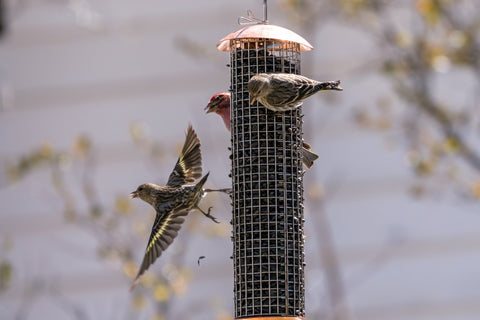
Credit: birdschoice.com
Seasonal Seed Choices
Choosing the right seeds for your bird feeder depends heavily on the season. Birds have different nutritional needs throughout the year, and the types of seeds you offer can attract a wider variety of feathered visitors. Paying attention to seasonal seed choices can make your feeder a hotspot for birds year-round.
Seeds For Spring And Summer
During spring and summer, many birds are busy nesting and raising their young. They need high-protein foods to support this energy-intensive time. Black oil sunflower seeds are a great choice—they are rich in fat and protein and appeal to many species.
Other good options include nyjer seeds, which attract finches, and shelled peanuts that provide extra protein. Offering a mix of these seeds can help you see more birds visiting your feeder and even encourage breeding activity nearby.
Best Seeds For Fall And Winter
As temperatures drop, birds need more energy to stay warm. High-fat seeds help them build up the necessary fat reserves. Black oil sunflower seeds remain a favorite, but adding safflower seeds can be beneficial since they resist spoilage in wet weather.
Suet cakes or seed blends containing millet and cracked corn also work well in colder months. Have you noticed which birds stick around your yard in winter? Adjusting your seed mix to their preferences can keep them coming back.
Adjusting Feeds For Migratory Birds
Migratory birds pass through different regions and have changing dietary needs during migration periods. Offering high-energy seeds like sunflower and millet can provide essential fuel for their long journeys.
Timing matters here—early spring and late fall are prime windows for migration. Pay attention to local bird migration patterns to adjust your feeder offerings accordingly. Are you ready to support these travelers on their way?
Tips For Filling And Maintaining Feeders
Filling and maintaining bird feeders properly keeps birds healthy and happy. It ensures the food stays safe and tasty. Clean feeders attract more birds and reduce disease risks. Follow these simple tips for the best results.
Keeping Seeds Fresh
Use fresh seeds to attract more birds. Store extra seeds in a cool, dry place. Avoid buying seeds in bulk if you cannot use them quickly. Pour seeds into the feeder in small amounts to prevent waste. Keep the feeder in a shaded spot to slow seed spoilage.
Preventing Mold And Spoilage
Remove wet seeds immediately. Wet seeds grow mold quickly. Place feeders where rain cannot soak the seeds. Use feeders with covers or roofs for protection. Check feeders often after rain or heavy dew. Moldy seeds can harm birds and should never be fed.
Cleaning Feeders Regularly
Clean feeders every two weeks or more often in wet weather. Use warm water and mild soap to wash all parts. Rinse feeders well to remove soap residue. Let feeders dry completely before refilling. Regular cleaning stops bacteria and fungi from growing. A clean feeder keeps birds safe and coming back.
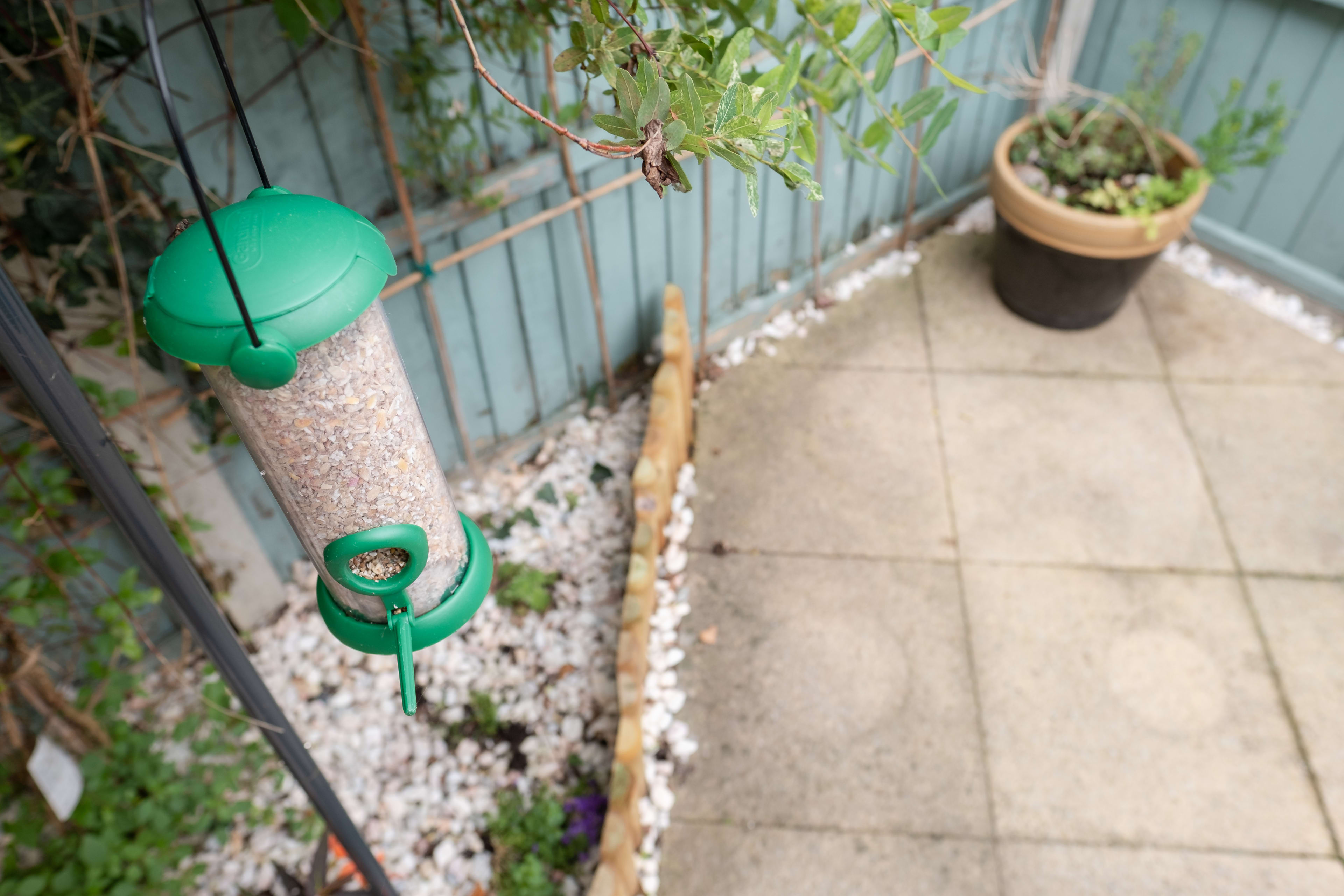
Credit: dengarden.com
Frequently Asked Questions
What Seeds Attract The Most Birds To Feeders?
Black oil sunflower seeds attract a wide variety of birds. They have thin shells and high oil content, making them ideal. Nyjer seeds are perfect for finches. Safflower seeds attract cardinals and grosbeaks, while millet is great for ground-feeding birds.
Can I Use Homemade Bird Feeder Mixes?
Yes, homemade mixes are effective and customizable. Combine seeds like sunflower, millet, and cracked corn. Add nuts or dried fruits for variety. Avoid salty or spoiled ingredients. Homemade mixes save money and attract diverse bird species effectively.
What Foods Should I Avoid In Bird Feeders?
Avoid bread, salty snacks, and processed foods. These can harm birds and cause malnutrition. Also, do not use moldy or spoiled seeds. Avoid foods with pesticides or chemicals. Stick to natural, bird-safe foods for healthy feeding.
How Often Should I Refill Bird Feeders?
Refill feeders when they are about one-quarter empty. Frequent refilling keeps food fresh and birds returning. In winter, refill more often due to higher bird energy needs. Clean feeders regularly to prevent disease and mold buildup.
Conclusion
Choosing the right food makes birds visit your feeder often. Seeds like sunflower and millet attract many birds. Avoid spoiled or moldy food to keep birds safe. Clean the feeder regularly to prevent illness. Offer fresh water nearby for drinking and bathing.
Watch closely and enjoy the different bird species. Feeding birds helps nature and brings joy at home. Keep trying different seeds to see what birds prefer. Simple care creates a happy place for wild birds.