

If you want to attract more birds to your yard, knowing what to put in your bird feeder is key. The right food not only brings a variety of colorful birds but also keeps them healthy and happy.
You might be surprised how a simple change in what you offer can turn your feeder into a buzzing hotspot for feathered visitors. Keep reading, and you’ll discover exactly what to fill your feeder with to make your backyard a favorite stop for birds all year round.
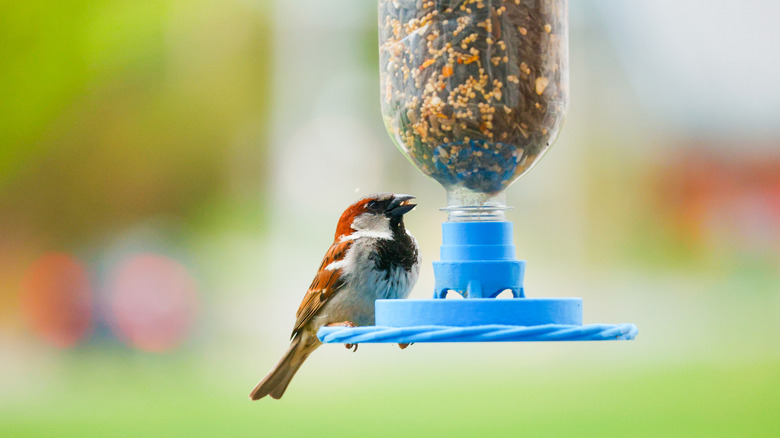
Credit: www.outdoorguide.com
Popular Bird Seeds
Choosing the right seeds for your bird feeder can make all the difference in attracting a variety of birds. Popular bird seeds are not just about feeding; they help you invite colorful visitors to your backyard. Knowing which seeds appeal to which birds helps you create a lively and diverse feeding station.
Sunflower Seeds
Sunflower seeds are a favorite among many bird species, especially black-capped chickadees, cardinals, and finches. Their high oil content provides great energy, especially during colder months. You’ll notice more birds visiting if you add black oil sunflower seeds, as they have thinner shells that are easier to crack.
Millet And Sorghum
Millet and sorghum are excellent choices for ground-feeding birds like sparrows, doves, and juncos. These small, round seeds are easy to eat and perfect for birds that prefer foraging on the ground. Including millet in your feeder mix can encourage a wider range of birds to stop by your yard.
Nyjer Seeds
Nyjer seeds are tiny, oil-rich seeds loved by finches, especially goldfinches and siskins. Because of their size, nyjer seeds require a special feeder with small holes to prevent spillage. If you want to see a splash of bright yellow finches, adding nyjer seeds is your best bet.
Fruits And Nuts For Birds
Fruits and nuts make excellent additions to your bird feeder. They provide essential nutrients and energy that many birds need, especially during colder months. Including these natural treats can attract a wider variety of bird species to your yard.
Apples And Berries
Apples are a favorite for many birds like robins and waxwings. Cut them into small pieces and remove seeds to keep birds safe. Berries such as blueberries, strawberries, and elderberries also draw in colorful songbirds and provide antioxidants.
Try placing these fruits on platform feeders or scatter them on the ground. Have you noticed how birds eagerly peck at berries during early spring? It’s a simple way to support their diet and watch vibrant activity at your feeder.
Peanuts And Almonds
Peanuts are rich in protein and fat, perfect for woodpeckers, chickadees, and nuthatches. Use unsalted, shelled peanuts to avoid health risks. Almonds, chopped into small bits, offer a crunchy treat that many birds enjoy.
Keep in mind that nuts can spoil quickly in damp weather, so replace them regularly. Have you ever seen a bird skillfully cracking open a peanut shell? It’s fascinating and shows how these foods engage their natural behaviors.
Specialty Bird Foods
Specialty bird foods offer unique nutrition and attract specific bird species. They enhance your bird feeder with variety and help birds stay healthy. These foods suit different bird types and seasons.
Suet Cakes
Suet cakes are high-energy food made from animal fat. Birds love them in cold weather for extra calories. Woodpeckers, nuthatches, and chickadees enjoy suet the most.
Suet often contains seeds, nuts, or berries. It provides protein and fat for active birds. Hang suet cakes in mesh feeders to keep them fresh and accessible.
Mealworms
Mealworms are live or dried insects rich in protein. They attract insect-eating birds like bluebirds and wrens. Mealworms support birds during breeding and molting seasons.
Offer mealworms in shallow dishes or special feeders. Dried mealworms last longer and are easy to store. Live mealworms are best for natural feeding behavior.
Hummingbird Nectar
Hummingbird nectar mimics flower nectar with sugar and water. It provides quick energy for hummingbirds. Use four parts water to one part sugar, boiled and cooled.
Fill hummingbird feeders with fresh nectar every few days. Clean feeders regularly to avoid mold. Avoid red dye; natural nectar is safest for birds.
Foods To Avoid
Knowing what not to put in your bird feeder is just as important as knowing what to add. Certain foods can harm birds, affect their health, or even attract unwanted pests. Avoiding these items ensures your feathered visitors stay safe and come back for more.
Salty And Sugary Items
Salty foods like chips, pretzels, or salted nuts are dangerous for birds. Their bodies can’t handle high salt levels, leading to dehydration and serious health problems.
Sugary treats, such as candy or sugary cereals, can disrupt a bird’s natural diet and cause energy crashes. Instead, stick to natural seeds and nuts without added salt or sugar.
Processed Human Foods
Processed foods often contain preservatives, artificial flavors, and unhealthy fats. Items like bread, crackers, and cookies might seem harmless, but they offer little nutrition and can cause digestive issues.
Have you ever noticed birds ignoring bread in favor of seeds? That’s because bread lacks the nutrients birds need. Offering processed snacks can attract pests like rats, which can be harmful to your backyard ecosystem.
Choosing Feeders For Different Foods
Choosing the right feeder affects the type of birds that visit your yard. Different birds prefer different foods and feeding styles. Selecting feeders designed for certain foods helps attract more birds and reduces food waste.
Tube Feeders
Tube feeders are long and narrow with multiple feeding ports. They work well for small seeds like sunflower seeds and millet. Their design keeps food clean and dry. Small birds such as finches and chickadees enjoy these feeders. The clear tube lets you see seed levels easily.
Platform Feeders
Platform feeders are flat and open, ideal for larger seeds and mixed birdseed. They attract a variety of birds including cardinals and doves. The open design allows birds to perch comfortably. These feeders are easy to clean and refill. They also work well for suet cakes and fruit pieces.
Hummingbird Feeders
Hummingbird feeders hold liquid nectar, a sugar-water mix. Bright red parts attract hummingbirds. These feeders have small feeding ports or tubes for their long beaks. Place them in sunny spots to keep nectar fresh. Regular cleaning prevents mold and keeps birds healthy.
Seasonal Feeding Tips
Adjusting what you put in your bird feeder according to the season helps attract more birds and supports their health throughout the year. Different birds need different types of food depending on the weather and natural food availability. Paying attention to these needs can make your feeder a favorite spot for local wildlife.
Winter Foods
During cold months, birds need high-energy foods to help them stay warm. You can add black oil sunflower seeds, which are rich in fat and easy for birds to crack open. Suet cakes are another excellent choice because they provide concentrated energy that many birds rely on when insects are scarce.
Try offering peanuts or peanut pieces, but make sure they are unsalted and fresh. Adding dried fruit like raisins or cranberries can also give birds a quick sugar boost during frosty days. Have you noticed how woodpeckers and nuthatches flock to suet feeders in winter? That’s a clear sign you’re feeding the right foods.
Summer Snacks
In warmer months, birds shift their diet toward insects and fruits, so your feeder should reflect that. Offer fresh fruits such as chopped apples, berries, or melon slices to attract orioles and tanagers. You can also include nectar feeders to invite hummingbirds, but remember to clean them regularly to prevent mold.
Seed mixes with less fat and more variety like millet and nyjer seeds work well in summer. Mealworms, either live or dried, are a great protein source and can bring in insect-eating birds. Have you tried switching up your summer feeder snacks to see which birds show up more often?
Attracting Specific Bird Species
Choosing the right food can attract specific bird species to your feeder. Different birds prefer different seeds and treats. Offering their favorites helps create a lively, diverse backyard.
Songbirds
Songbirds enjoy small seeds and soft foods. Black oil sunflower seeds are a top choice. They also like millet and cracked corn. Suet cakes attract insect-eating songbirds in colder months. Keep feeders clean to keep birds healthy.
Woodpeckers
Woodpeckers love suet and nuts. Offer suet blocks with insects or fruit pieces. Peanuts, either whole or shelled, are popular. They also enjoy sunflower seeds. Use sturdy feeders that can hold heavy birds.
Finches
Finches prefer thistle seed, also called nyjer. Use special feeders with tiny holes for nyjer seeds. They also eat sunflower seeds and small millet. Keep the seed fresh to keep finches visiting often.
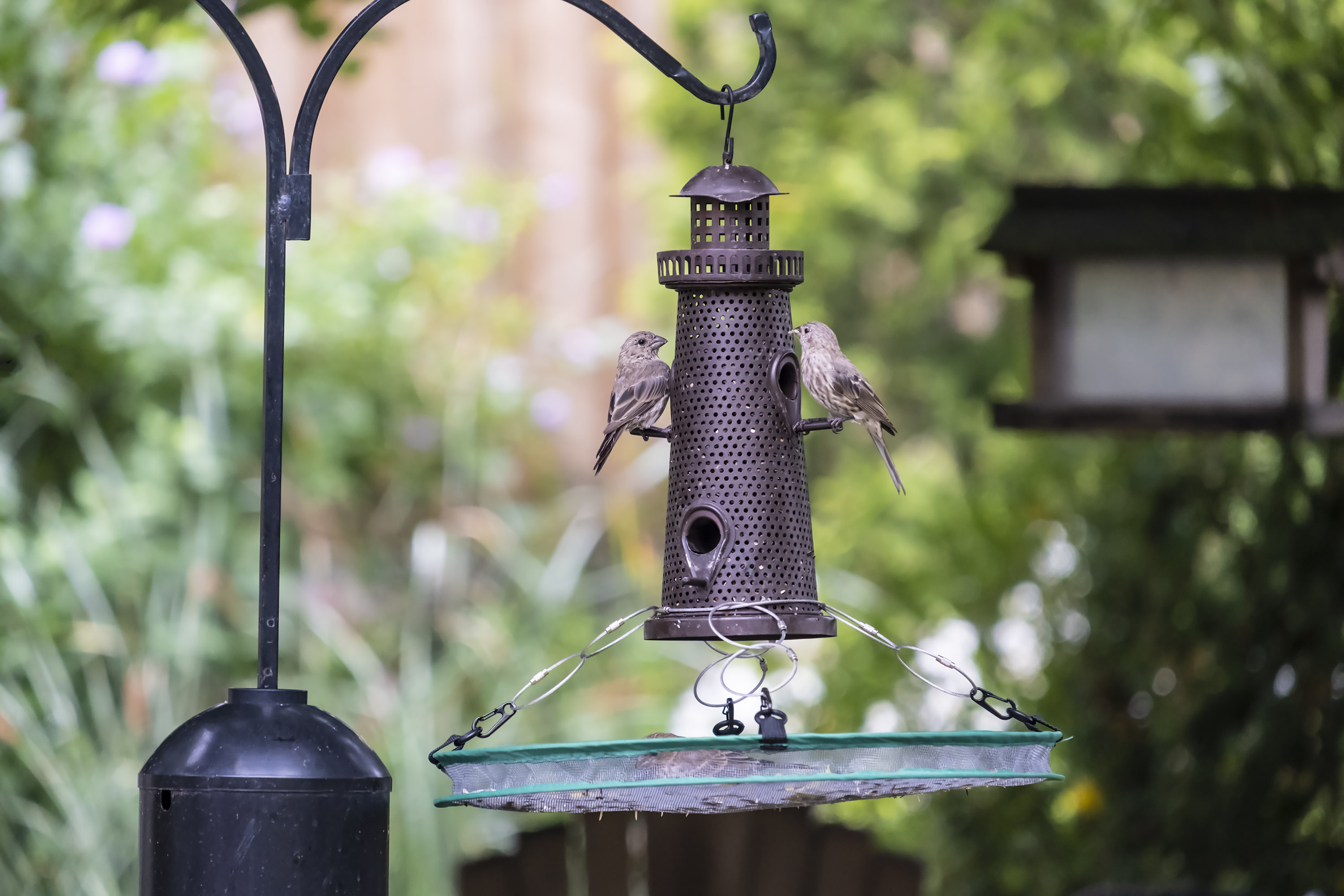
Credit: dengarden.com
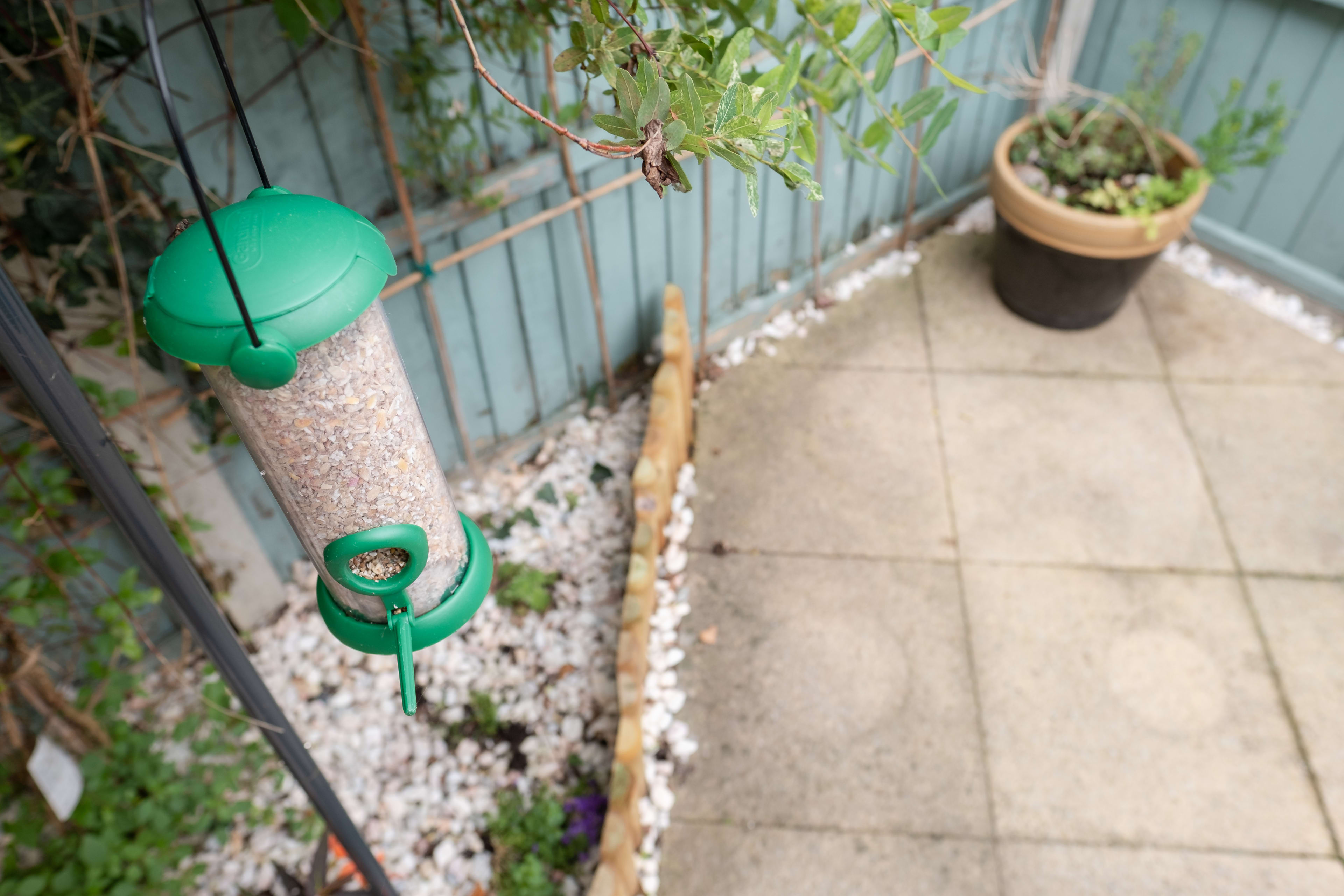
Credit: dengarden.com
Frequently Asked Questions
What Seeds Are Best For Attracting Different Birds?
Black oil sunflower seeds attract many birds due to their high oil content. Nyjer seeds are perfect for finches. Millet suits ground feeders like sparrows. Offering a variety ensures you attract diverse bird species to your feeder.
Can I Put Fruit Or Nuts In My Bird Feeder?
Yes, many birds enjoy fruits like berries, apples, and oranges. Nuts, especially peanuts, attract woodpeckers and jays. Avoid salted or roasted nuts. Fresh fruit and nuts provide essential nutrients for birds during different seasons.
How Often Should I Clean My Bird Feeder?
Clean your feeder at least every two weeks. More frequent cleaning is needed during wet weather. This prevents mold and disease spread among birds. Use warm, soapy water and rinse thoroughly before refilling.
Is It Safe To Feed Birds Year-round?
Feeding birds year-round is safe if done properly. In winter, food helps them survive harsh conditions. During summer, feeding supports breeding and molting. Always provide fresh water and clean feeders to maintain bird health.
Conclusion
Choosing the right food helps attract many birds to your feeder. Seeds like sunflower and millet work well for most birds. Suet and peanuts also bring woodpeckers and nuthatches closer. Keep the feeder clean and filled to keep birds happy.
Enjoy watching different birds visit your garden every day. Feeding birds creates a fun and peaceful outdoor space. Try various foods to see which birds come by. Your simple care makes a big difference for local wildlife.