

Are you eager to attract beautiful bluebirds to your backyard? Choosing the right bird feeder can make all the difference.
Bluebirds are picky about where they eat, and using the wrong feeder might keep them away. You’ll discover exactly what type of bird feeder bluebirds prefer and how to create the perfect feeding spot. Keep reading to transform your yard into a bluebird haven that brings color and life right to your window.
Bluebird Feeding Habits
Bluebirds are gentle birds with simple feeding habits. They prefer natural foods and visit feeders that match their taste. Understanding their feeding habits helps in choosing the right bird feeder. This knowledge attracts bluebirds to your garden and keeps them coming back often.
Preferred Food Types
Bluebirds mainly eat insects and berries. They like mealworms, crickets, and beetles the most. Soft fruits like blueberries and elderberries are also favorites. Avoid feeding them seeds or bread. These foods do not suit their diet and can harm them.
- Live or dried mealworms
- Small insects like crickets
- Soft fruits such as berries
Feeding Times
Bluebirds feed mostly during early morning and late afternoon. They search for insects when it is cooler outside. Offering food at these times increases your chances of seeing them. Keep feeders clean and filled during these peak hours.
Best Bird Feeder Styles
Bluebirds prefer open-style feeders with perches, allowing easy access and clear views. Tray or hopper feeders work well to attract them. Choose feeders placed in quiet, open areas for the best results.
Bluebirds bring color and charm to any garden. To attract them, choosing the right bird feeder is essential. Bluebirds prefer feeders that are open and easy to access. They enjoy feeders where they can perch comfortably and feed without stress. Let’s explore some of the best bird feeder styles for bluebirds.Tray Feeders
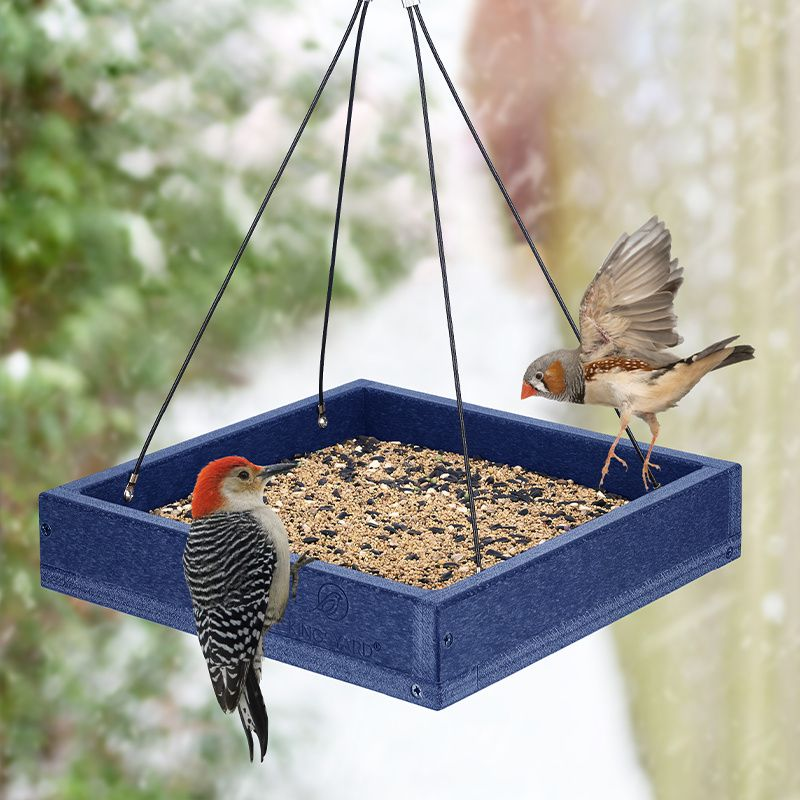
Tray feeders offer an open and inviting space. Bluebirds can easily spot the food and land without difficulty. These feeders usually have a flat surface. This makes it easy for bluebirds to pick their favorite snacks. Ensure the tray has drainage holes. This prevents water from collecting and spoiling the food.Platform Feeders
Platform feeders are similar to tray feeders but may be elevated. They provide a stable surface for bluebirds to feed. Platforms can be mounted on poles or hung from trees. The open design allows bluebirds to see predators. This makes them feel safe while eating. Keep the feeder clean to attract more birds.Tube Feeders
Tube feeders are not the first choice for bluebirds. They are more suited for smaller birds. Bluebirds prefer feeders with wider openings. If you choose a tube feeder, look for one with larger ports. Add a perch to make it easier for bluebirds to access the food. A mix of mealworms and berries can entice bluebirds to visit.Materials That Attract Bluebirds
Choosing the right material for a bluebird feeder plays a big role in attracting these lovely birds. Bluebirds prefer feeders that feel natural and safe. The material impacts how comfortable they feel around the feeder and how well the feeder lasts outside. Understanding the differences between wood and plastic helps you pick the best option for your yard.
Wood Vs. Plastic
Wood feeders look natural and blend well with outdoor spaces. Bluebirds feel safe near wood because it resembles their natural habitat. Wood also stays cooler in the sun, making it more comfortable for birds to perch on.
Plastic feeders can be bright and colorful. Some plastics may look unnatural and scare bluebirds away. Plastic can become very hot in the sun, which may make it less inviting. Scratches and cracks in plastic can trap bacteria, harming birds.
Durability And Safety
Wood feeders can last many years if you choose quality wood. Cedar and pine resist decay and pests. Wood is less likely to break suddenly, protecting birds from injuries.
Plastic feeders may break or crack faster, especially in cold weather. Broken edges can hurt birds. Some plastics release harmful chemicals over time. Avoid feeders with sharp parts or toxic paints.
- Choose untreated or bird-safe finishes for wood.
- Look for BPA-free, non-toxic plastics.
- Check feeders regularly for damage.

Credit: www.amazon.com
Placement Tips For Bluebird Feeders
Getting the placement of your bluebird feeder right is just as important as choosing the right feeder itself. Bluebirds are particular about their surroundings, and thoughtful placement can make a huge difference in attracting these charming birds to your yard. Let’s look at some practical tips to help you position your feeder in the best spot.
Ideal Height
Bluebirds prefer feeders placed at a height between 4 and 6 feet off the ground. This height keeps them safe from most ground predators while remaining easily accessible.
Try to avoid placing feeders too low, as this can expose bluebirds to cats and other threats. On the other hand, feeders placed too high may discourage bluebirds from visiting because they feel less secure.
I once placed a feeder at about 7 feet, and noticed fewer visits. Lowering it to around 5 feet brought the bluebirds back quickly. Have you noticed any height-related patterns in your own yard?
Location And Environment
Bluebirds like open spaces where they can easily spot predators. Position your feeder near open lawns or fields rather than dense woods or thick shrubs.
It’s also helpful to place the feeder within 20 to 30 feet of a natural perch, such as a tree or fence post. This gives bluebirds a safe place to rest and watch for danger before feeding.
Make sure the area has good visibility and isn’t too close to busy walkways or noisy spots. Bluebirds prefer a quiet, calm environment to feel comfortable. What kind of environment do you think your bluebirds would choose?
Top Bluebird Feeder Picks
Choosing the right feeder attracts bluebirds effectively. They prefer simple designs that suit their feeding habits. Bluebirds enjoy platforms and tube feeders with perches. These allow easy access to their favorite foods like mealworms and berries.
Here are top bluebird feeder picks to help you welcome these beautiful birds to your yard.
Best Overall Feeder
The best overall feeder combines durability and ease of use. A platform feeder with a roof offers protection from rain. It provides space for bluebirds to perch comfortably. Mesh bottoms help with drainage and keep food fresh. This style supports mealworms and fruit pieces, perfect for bluebird diets.
Budget-friendly Options
Affordable feeders can still attract bluebirds well. Simple wooden platform feeders work great at low cost. They are easy to clean and maintain. Another option is a basic tube feeder with multiple perches. These feeders are lightweight and easy to refill. Budget choices help beginners start bird watching without much expense.
Premium Choices
Premium feeders offer extra features and high-quality materials. Weather-resistant wood or metal feeders last longer outdoors. Some include built-in mealworm trays or warming features. Clear panels allow easy food level checks. These feeders combine style and function, making them a great investment for serious bird lovers.
Credit: www.kingsyard.com
Maintaining Bluebird Feeders
Maintaining your bluebird feeder is key to keeping these beautiful birds coming back to your yard. A well-kept feeder ensures the health and safety of the birds while providing you with a steady stream of delightful visitors. Neglecting maintenance can lead to mold, disease, or unwanted pests that drive bluebirds away.
Cleaning Tips
Regular cleaning is essential for your bluebird feeder’s success. Aim to clean the feeder at least once every two weeks, or more often during wet weather. Use a mild soap solution and warm water to wash all parts, then rinse thoroughly to remove soap residue.
Dry the feeder completely before refilling it to prevent mold growth. If you notice any mold or old food inside, scrub it away immediately. Keeping the feeder spotless not only protects the birds but also improves the quality of the food.
Preventing Pests
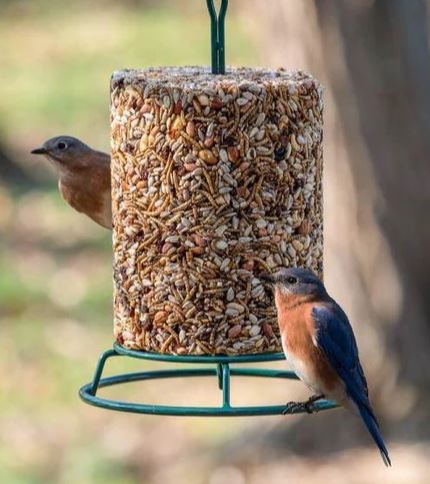
Pests such as squirrels, ants, and bees can spoil the feeding experience and deter bluebirds. To stop squirrels, consider installing a baffle below the feeder or using squirrel-proof feeders designed with weight-sensitive perches.
Ants can be kept at bay by placing the feeder on a pole with a sticky barrier or by adding a small dish of water around the pole base. For bees, avoid using sugary foods and ensure that spilled seeds are cleaned up promptly to eliminate attractants.
Have you tried different pest prevention techniques to see what works best in your yard? Sometimes a small change can make a big difference in keeping your bluebird feeder safe and inviting.
Credit: nature-niche.com
Frequently Asked Questions
What Type Of Feeder Attracts Bluebirds Most?
Bluebirds prefer open platform feeders or tray feeders. These feeders allow easy access and visibility for bluebirds. Avoid tube feeders, as bluebirds rarely use them.
What Food Should I Put In A Bluebird Feeder?
Offer mealworms, berries, and suet to attract bluebirds. They enjoy live or dried mealworms, which provide essential protein. Avoid seed mixes designed for other birds.
Where Should I Place A Bluebird Feeder?
Place feeders in open areas near trees or shrubs. Bluebirds like clear flight paths and nearby cover for safety. Avoid placing feeders near heavy human traffic.
How To Keep Bluebird Feeders Clean And Safe?
Clean feeders regularly with mild soap and water to prevent disease. Rinse thoroughly and dry before refilling. Clean every two weeks or more often in wet weather.
Conclusion
Bluebirds prefer feeders that feel safe and natural. Open trays or hopper feeders work best. They like fresh mealworms and berries as food. Keep the feeder clean to attract more birds. Place it where bluebirds can watch for predators. Quiet spots near trees help them feel secure.
With the right feeder, you can enjoy their bright colors. Feeding bluebirds brings joy and helps support their population. Try different setups to see what they like most. Happy birdwatching!