
Are you eager to attract a delightful array of birds to your backyard? Mealworms might just be the perfect treat to lure them in.
Not only are they a favorite snack for many bird species, but they also provide a rich source of protein that keeps your feathered friends healthy and active. However, choosing the right bird feeder for mealworms can make all the difference in creating a bustling avian hotspot.
Are you ready to discover which type will make your garden the talk of the bird community? We’ll guide you through the best options, ensuring you make the perfect choice to keep your winged visitors coming back for more. Stick around, and let’s transform your backyard into a bird lover’s paradise!
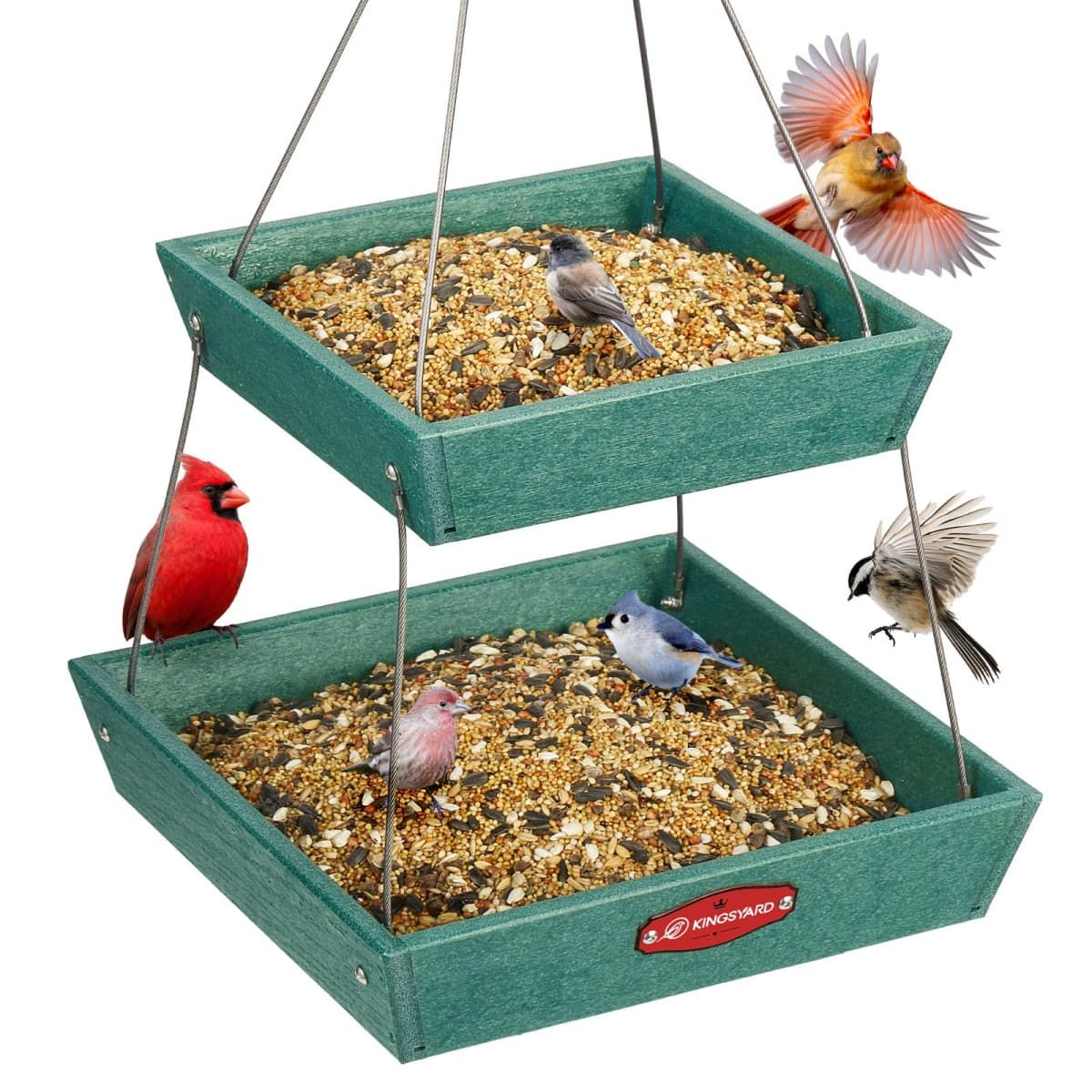
Credit: www.kingsyard.com
Benefits Of Meal Worm Feeders
Meal worm feeders offer many benefits for both birds and bird watchers. They provide a clean, safe way to offer meal worms. Birds enjoy these protein-rich treats, which help them stay healthy and active.
Using a proper meal worm feeder keeps the worms fresh and dry. It also prevents spillage and waste. This helps attract more birds to your yard or garden. The right feeder design makes feeding easier and more enjoyable.
Keeps Meal Worms Fresh And Dry
Meal worms spoil quickly if exposed to moisture. Feeders with covers protect worms from rain and dew. This keeps meal worms fresh longer. Birds get tasty, nutritious food every time.
Prevents Waste And Mess
Specialized feeders reduce meal worm spills. They hold worms securely in place. This prevents wastage and mess on the ground. Your feeding area stays cleaner for longer.
Attracts More Birds
Feeders designed for meal worms appeal to many bird species. The easy access to food invites more birds. Watching different birds visit is fun and rewarding.
Easy To Clean And Maintain
Meal worm feeders usually have simple designs. This makes cleaning quick and easy. Regular cleaning keeps feeders hygienic for birds. It prevents mold and bacteria growth.
Durable And Weather-resistant
Good feeders are made from strong materials. They resist rust, cracking, and fading. This means they last through all seasons. Your investment in feeders pays off over time.
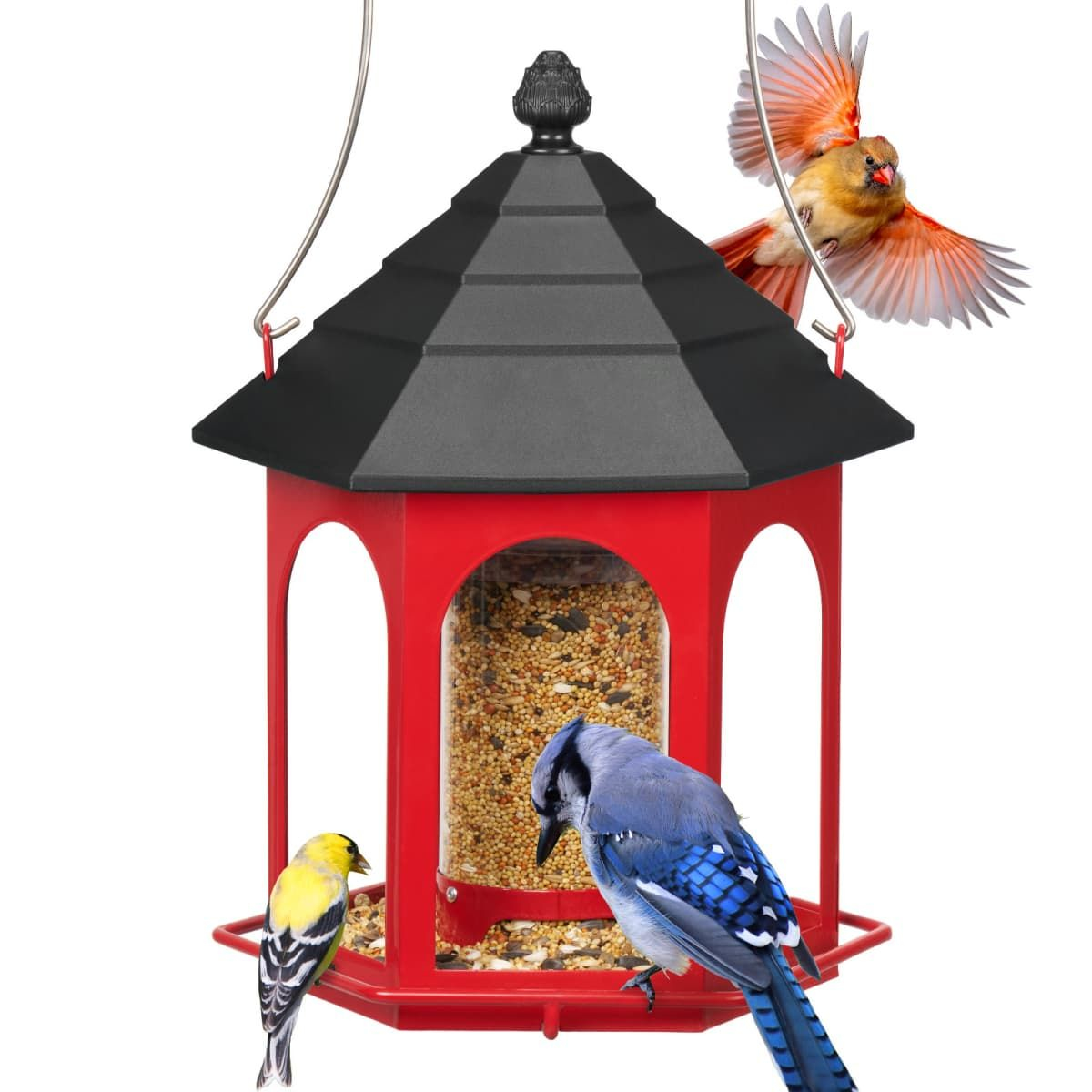
Credit: www.kingsyard.com
Types Of Meal Worm Feeders
Choosing the right feeder for meal worms can make a big difference in attracting the birds you want and keeping the meal worms fresh. Different feeders suit different bird species and feeding environments. Knowing the types of meal worm feeders will help you pick one that fits your backyard and bird friends perfectly.
Tray Feeders
Tray feeders are simple, flat trays where you can spread meal worms evenly. They allow multiple birds to feed at the same time, which is great if you enjoy watching a busy bird gathering. However, tray feeders don’t protect meal worms from rain or squirrels, so placing them in a sheltered spot is a smart idea.
Hopper Feeders
Hopper feeders store meal worms inside a covered container and release small amounts onto a tray below. This design keeps the meal worms dry and safe from pests longer than open feeders. If you prefer a low-maintenance option that reduces waste, hopper feeders are a reliable choice.
Suet Feeders
Suet feeders are usually cages designed to hold suet cakes, but they work well for dried meal worms too. Hanging one from a tree branch can attract woodpeckers and nuthatches, birds that love suet and insects. If your meal worms are dried, a suet feeder might be just the right setup to invite those insect-eating visitors.
Platform Feeders
Platform feeders offer a flat, open surface where you can place meal worms freely. They provide excellent visibility and easy access for larger birds. If you want to feed meal worms alongside other seeds or fruits, a platform feeder gives you the flexibility to mix foods and watch diverse bird species enjoy the feast.
Materials For Meal Worm Feeders
Choosing the right material for your meal worm feeder is important. The material affects durability, cleanliness, and bird safety. Some materials keep meal worms fresh better than others. Consider where you will place the feeder and how easy it is to clean.
Plastic Feeders
Plastic feeders are lightweight and often affordable. They come in many shapes and sizes. Plastic is easy to clean with warm water. Some plastics may crack in cold weather. Look for BPA-free options to keep meal worms safe. Clear plastic lets you see when to refill the feeder.
Metal Feeders
Metal feeders are strong and long-lasting. They resist damage from birds and weather. Metal keeps meal worms cool during hot days. Choose rust-resistant metals like stainless steel or aluminum. Metal feeders often have small holes for good ventilation. They can be harder to clean but are very sturdy.
Wooden Feeders
Wooden feeders look natural in gardens and yards. They blend well with trees and plants. Wood is safe for birds but may absorb moisture. This can lead to mold if not cleaned regularly. Seal the wood to protect it from rain. Wooden feeders need more care but offer a classic look.
Choosing The Right Feeder For Bird Species
Choosing the right feeder for meal worms depends heavily on the types of birds you want to attract. Different species have distinct feeding habits and preferences, so matching your feeder to their needs makes your efforts more rewarding. You’ll see more visits and happier birds when your feeder suits their natural behaviors.
Small Songbirds
Small songbirds like chickadees, wrens, and titmice prefer feeders that offer easy access to meal worms without competition from larger birds. A tray feeder with a shallow lip works well. It lets these little birds perch comfortably while they pick at the worms.
Keep the feeder in a sheltered spot to protect the worms from weather and predators. You might notice that these birds return regularly if you keep the meal worms fresh and accessible.
Woodpeckers And Larger Birds
Woodpeckers and larger birds such as nuthatches and starlings need sturdier feeders. A suet cage or mesh feeder is ideal because it holds meal worms securely and supports their weight. These feeders allow the birds to cling and peck naturally.
Place the feeder on a tree trunk or pole close to cover. This setup mimics their natural feeding environment and makes them feel safe while eating.
Ground-feeding Birds
Many birds like robins and doves prefer feeding on the ground. A flat, shallow dish or platform feeder placed low to the ground works best. Ensure the area is clear of predators and provides some nearby cover.
Keep the dish clean to avoid mold and bacteria. You might find that ground feeders appreciate fresh meal worms especially during colder months when insects are scarce.
Placement Tips For Meal Worm Feeders
Placing your meal worm feeder correctly can make all the difference in attracting birds and keeping the meal worms fresh and safe. Thoughtful placement increases your chances of seeing a variety of feathered visitors while protecting your feeder from unwanted dangers. Let’s look at some practical tips that you can apply right away to find the best spot for your meal worm feeder.
Safe Locations
Choose a spot that offers shelter from harsh weather. Position your feeder near trees or shrubs, but not so close that predators can use them as a hiding spot. A distance of at least 3 feet from dense cover helps birds feel secure while feeding.
Think about ease of refilling and cleaning. Placing the feeder near a window lets you observe without disturbing the birds. Have you noticed how some feeders near your porch attract more visitors? That’s because safety and convenience go hand in hand.
Visibility And Accessibility
Make sure your feeder is easy for birds to spot. Bright, open areas usually work best. Avoid placing feeders in deep shadows or behind thick branches where meal worms might go unnoticed.
Accessibility is key for birds of all sizes. Use a feeder design that allows perching or easy landing. If the meal worms are hard to reach, birds may skip your feeder entirely. Have you tried switching spots after a week to see if bird activity improves?
Avoiding Predators
Keep your feeder out of reach from cats, squirrels, and other predators. Hanging your feeder from a thin, metal pole without nearby branches can prevent unwanted visitors from sneaking up.
Install baffles or guards to deter climbing predators. Also, avoid placing feeders near birdhouses to reduce the risk of nest disturbance. How much effort are you willing to put into protecting your feathered friends? Small adjustments can make a big impact.
Maintaining And Cleaning Feeders
Maintaining and cleaning feeders is vital for feeding meal worms to birds safely. Clean feeders keep birds healthy and attract more visitors. Dirty feeders can spread disease and cause mold growth. Regular care helps keep meal worms fresh and edible.
Cleaning Frequency
Clean the feeder at least once a week. Check it more often in wet weather. Remove old meal worms and debris daily. Frequent cleaning stops bacteria build-up and mold growth. Use warm water and mild soap for washing. Rinse thoroughly to remove soap residue.
Preventing Mold And Bacteria
Keep the feeder dry to avoid mold. Place it in a shaded, well-ventilated area. Remove any wet or spoiled meal worms immediately. Use a brush to scrub hard-to-reach places. Avoid using harsh chemicals that can harm birds.
Replacing Meal Worms
Replace meal worms every two to three days. Discard any dead or shriveled worms. Fresh meal worms are more attractive and nutritious. Store extra worms in a cool, dry place. Regular replacement keeps birds coming back for more.
Attracting Birds With Meal Worm Feeders
Using meal worm feeders is a fantastic way to attract a wide variety of birds to your yard. These feeders offer a rich protein source that many birds find irresistible. But how do you maximize their appeal and make your backyard a bird magnet? Let’s look at some practical tips to help you get the most out of your meal worm feeder setup.
Seasonal Considerations
Birds’ feeding habits change with the seasons, and so should your approach with meal worm feeders. In colder months, meal worms provide vital energy, so keep feeders stocked regularly to support birds through winter. During warmer seasons, birds might prefer natural insects, so you can reduce the amount and focus on supplementing their diet.
Think about the types of birds visiting your area during different times of the year. You might notice more insect-eaters like bluebirds and wrens in spring and summer, so keep your feeders clean and fresh to encourage visits. Have you observed seasonal shifts in your backyard bird activity?
Combining With Other Foods
Meal worms are great alone, but combining them with other foods can attract a wider range of bird species. Try offering seeds, suet, or fruit nearby to cater to different tastes. This variety can turn your feeder into a hotspot for diverse birdwatching.
Place meal worms in a dedicated feeder close to other food sources, but not too close to avoid competition or food waste. You’ll likely see insectivores drawn to the meal worms and seed-eaters nearby. What mix of foods has worked best in your experience?
Using Bird Baths Nearby
Birds need water to drink and bathe, so placing a bird bath near your meal worm feeder can increase visits. The combination of food and water creates a welcoming environment where birds feel safe and supported. Keep the bath clean and filled, especially during dry spells.
Consider shallow baths with gentle slopes, which are easier for small birds to use. Watching birds drink and bathe near your meal worm feeder adds another layer of enjoyment to birdwatching. Do you provide fresh water alongside your feeders?
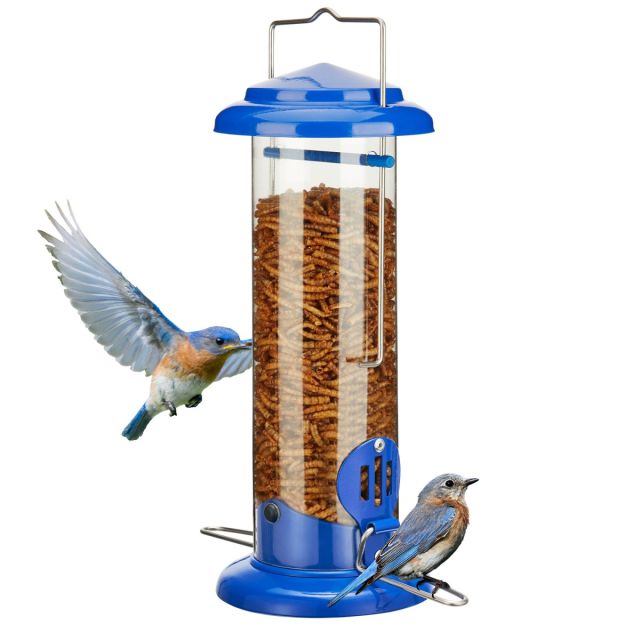
Credit: www.kingsyard.com
Frequently Asked Questions
What Is The Best Bird Feeder For Mealworms?
The best feeder for mealworms is a tray or platform feeder. It keeps mealworms visible and accessible. These feeders prevent mess and reduce waste, attracting birds that prefer mealworms. They are easy to clean and refill, making them ideal for mealworm feeding.
Can Tube Feeders Be Used For Mealworms?
Tube feeders are not ideal for mealworms. Mealworms can get stuck or escape easily. Tray or platform feeders work better, providing a flat surface for mealworms. Birds can easily peck mealworms from these feeders without difficulty or injury.
How To Keep Mealworms Fresh In Feeders?
Keep mealworms fresh by storing them in a cool, dry place. Use a shallow tray feeder for better air circulation. Replace mealworms regularly to avoid spoilage. Avoid moisture buildup in feeders to prevent mold and keep mealworms healthy for birds.
Which Birds Prefer Mealworm Feeders?
Birds like bluebirds, robins, wrens, and chickadees prefer mealworms. Mealworms provide high protein, attracting insect-eating species. Using a suitable feeder boosts visits from these birds. Mealworm feeders support birds during breeding and molting seasons for better nutrition.
Conclusion
Choosing the right bird feeder helps keep meal worms fresh and birds happy. Open feeders work well for quick access but watch for pests. Mesh feeders provide good ventilation and reduce waste. Make sure the feeder is easy to clean and refill.
Place it where birds feel safe and can spot predators. Remember, a simple feeder can attract many different birds. Feeding meal worms supports bird health and adds variety to their diet. Enjoy watching your feathered visitors thrive with the right feeder choice.