

Building your own outdoor bird feeder is a rewarding project that brings nature closer to your home. But to make sure it lasts through rain, wind, and sun, you need the right wood glue.
Choosing the wrong glue can lead to cracks, peeling, or even a feeder falling apart just when birds start to visit. You’ll discover exactly what type of wood glue works best for outdoor bird feeders. By the end, you’ll have the confidence to pick the perfect glue that keeps your feeder strong and safe for your feathered friends.
Let’s dive in and make your bird feeder last season after season!
Choosing The Right Wood Glue
Choosing the right wood glue for your outdoor bird feeder is crucial to ensure it stands up to weather and time. The wrong glue can lead to weak joints, causing your feeder to fall apart quickly. Understanding the types of glue and their features helps you pick the best one for a sturdy, long-lasting feeder.
Types Of Wood Glue
There are several types of wood glue available, but not all are suitable for outdoor use. Here are the main kinds you’ll encounter:
- PVA Glue (Polyvinyl Acetate):Common and easy to find, but standard PVA glues often fail outdoors because they aren’t water-resistant.
- Polyurethane Glue:Expands as it cures, creating a strong bond that works well in wet conditions.
- Epoxy:Two-part glue that offers excellent strength and waterproofing, though it requires mixing and careful application.
- Resorcinol Glue:Highly durable and waterproof, often used in marine applications, but harder to find and more expensive.
Knowing these types helps you decide which glue fits your project’s demands and your comfort level with the application process.
Key Features For Outdoor Use
Outdoor bird feeders face rain, humidity, and temperature changes. Your glue must handle these challenges well. Here’s what to look for:
- Waterproof or Water-Resistant:Essential to keep joints from weakening when exposed to moisture.
- Strong Bond:Must hold wood pieces tightly even under stress from wind or weight.
- Flexibility:Some flexibility helps the glue withstand wood expanding and contracting with weather changes.
- Non-Toxic:Since birds will be around, choose a glue that won’t release harmful chemicals.
If you want your bird feeder to last through seasons, don’t compromise on these features.
Water Resistance Levels
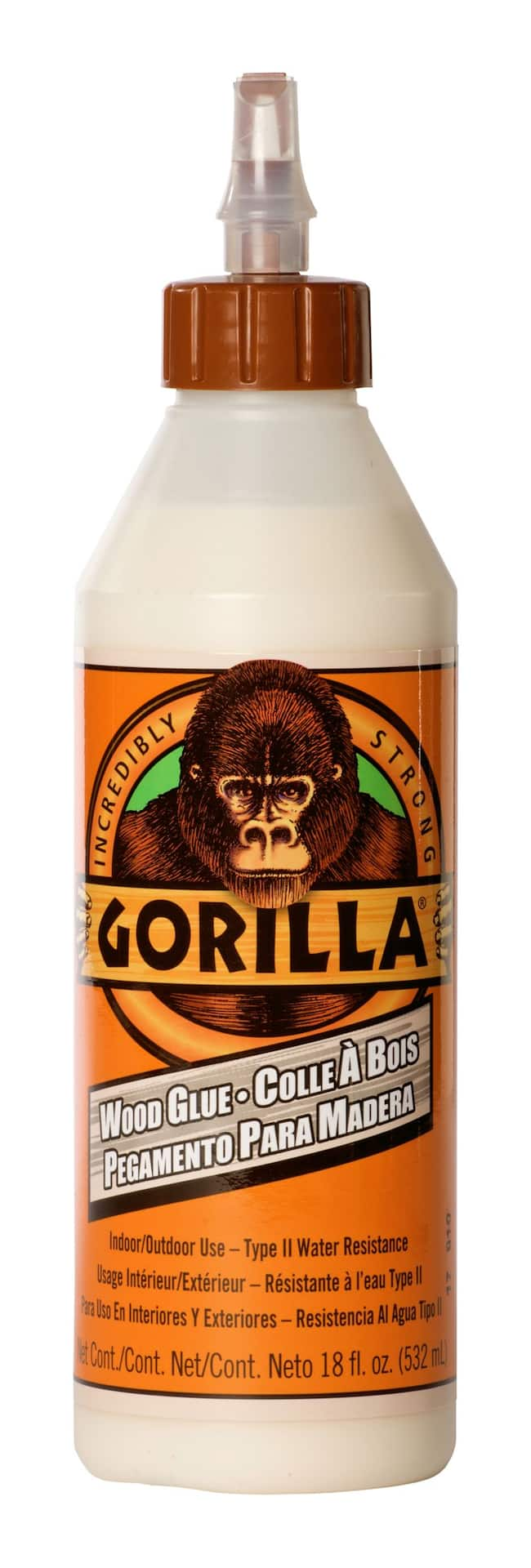
Wood glues come with water resistance ratings, usually labeled as Type I, II, or III, or simply as waterproof or water-resistant. Here’s what they mean for your bird feeder:
| Type | Water Resistance Level | Best Use |
|---|---|---|
| Type I | Waterproof | Ideal for outdoor projects exposed to heavy rain or moisture |
| Type II | Water-Resistant | Suitable for light outdoor use with occasional moisture |
| Type III | Not water-resistant | Only for indoor projects or dry conditions |
Choosing a Type I glue ensures your bird feeder can handle wet weather without falling apart. Have you checked the label on your glue bottle to see if it meets these standards? It could save you from a lot of frustration later.
Credit: www.canadiantire.ca
Common Wood Glues For Outdoor Projects
Outdoor bird feeders need wood glue that resists water and weather. Waterproof PVA and polyurethane glues work well for strong, lasting bonds. Choose glue that dries clear and stays flexible in changing temperatures.
Building an outdoor bird feeder can be a delightful project, but choosing the right wood glue is crucial for its longevity. The elements outside are not forgiving, and the glue you select must withstand rain, wind, and sun. Let’s explore some common types of wood glues that are up to the task.Pva Glue
Polyvinyl Acetate (PVA) glue, commonly known as white glue or carpenter’s glue, is a popular choice for many woodworking projects. It’s easy to use and readily available. However, for outdoor projects, you should ensure you’re picking a PVA glue labeled as water-resistant or waterproof. This type of glue might not be the strongest option in harsh weather conditions, but it’s a good choice for projects in relatively sheltered areas. If you’ve ever repaired a wooden chair that sits on your covered porch, you’ll understand its utility.Polyurethane Glue
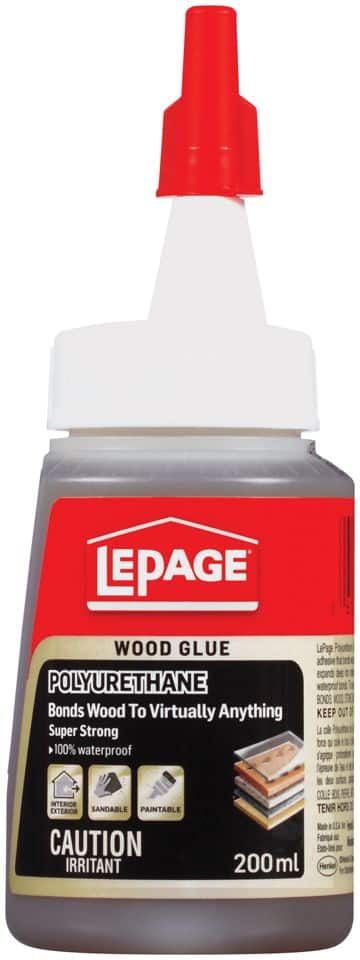
Polyurethane glue is a fantastic option for outdoor projects due to its waterproof nature. It expands as it cures, filling gaps in the wood for a strong bond. This characteristic makes it ideal for bird feeders that need to withstand the unpredictable outdoor environment. Imagine the satisfaction of seeing your bird feeder stay intact after a heavy rainstorm. The only downside is that it can be a bit messy, so have some acetone or mineral spirits on hand for clean-up.Epoxy Resin
Epoxy resin is known for its strength and durability, making it a top choice for outdoor applications. It forms a waterproof seal and can bond a variety of materials, not just wood. This versatility is great if your bird feeder includes metal or plastic components. The curing time for epoxy can be longer, requiring patience. But the reward is a robust, weather-resistant bond that can handle the rigors of outdoor life. Have you ever used it on a project? It’s quite satisfying to see how well it holds up over time.Animal Hide Glue
Animal hide glue is an age-old adhesive, often used in woodworking for its natural properties. While it is less common for outdoor projects, its use in traditional craftsmanship is noteworthy. However, it is not waterproof and is best suited for indoor projects or areas that stay dry. If you’re a fan of traditional methods and want to experiment, it could be a fun project to try. Just keep in mind that your outdoor bird feeder might not last through the rainy season. Would you take the risk for the sake of authenticity? Selecting the right glue can make all the difference in the durability and effectiveness of your outdoor bird feeder. Which one will you choose for your next project?Factors Affecting Glue Performance
Choosing the right wood glue for an outdoor bird feeder depends on several factors. These factors affect how well the glue holds and how long it lasts. Understanding these will help you pick the best glue for your project. The main factors include weather exposure, wood type compatibility, and drying time with strength.
Weather Exposure
Outdoor bird feeders face rain, sun, and cold. The glue must resist moisture and temperature changes. Water-resistant or waterproof glue types work best. They keep the bond strong even after heavy rain or frost. UV resistance also helps the glue last longer under sunlight.
Wood Type Compatibility
Different woods have different textures and oils. Some glues work better with softwoods, others with hardwoods. The glue should soak into the wood well and form a strong bond. Always check if the glue suits your wood type for better adhesion.
Drying Time And Strength
Quick drying glue saves time but may be less strong. Slow drying glue often forms a tougher bond. For outdoor feeders, strength is more important than speed. Choose glue that dries firm and can hold the feeder under stress and weight.

Credit: www.robertdyas.co.uk
Application Tips For Bird Feeder Construction
Building an outdoor bird feeder is rewarding, but the right application of wood glue can make all the difference in durability and strength. You want your feeder to withstand weather and daily bird visits without falling apart. Let’s look at some practical tips to ensure your glue bonds perfectly and your feeder lasts through every season.
Surface Preparation
Clean, dry surfaces are crucial for a strong bond. Remove any dust, dirt, or old finishes from the wood before applying glue. Lightly sanding the wood helps the glue grip better by creating a slightly rough texture.
Think about how moisture affects wood. If the wood is even a little damp, the glue won’t stick well. So, always check the wood’s dryness—especially if you’re working outside or using reclaimed wood.
Clamping And Drying
Applying steady pressure with clamps holds the glued pieces tightly together while the adhesive cures. Don’t rush this step; letting the glue dry fully ensures a strong bond that won’t weaken over time.
Clamping time varies by glue type, but a good rule is to keep the clamps on for at least 30 minutes to an hour. After removing clamps, give the project several hours or even overnight before handling to let the glue cure completely.
Sealing And Finishing
After the glue has dried, sealing your bird feeder protects both the wood and the glue from weather damage. Use a waterproof sealant or outdoor-grade finish to shield against rain and humidity.
Remember, a sealed bond lasts longer. Applying multiple thin coats of finish, with light sanding in between, will give you the best protection without hiding the natural beauty of the wood.
Have you noticed how a well-sealed feeder attracts more birds? They seem to trust the sturdy, weatherproof structure you built with care.
Safety And Environmental Considerations
Choosing the right wood glue for your outdoor bird feeder isn’t just about strength and durability. Safety for the birds and consideration for the environment are just as important. The glue you use can affect both the health of the birds visiting your feeder and the ecological impact of your project.
Non-toxic Options
Look for glues labeled as non-toxic or safe for children. These products avoid harmful chemicals that could poison birds or leach into the environment. Water-based PVA glues are a popular choice because they dry clear, hold well, and don’t release dangerous fumes.
Have you ever thought about what happens if a bird pecks at the glued area? Using non-toxic glue ensures that even curious beaks won’t be harmed. Avoid glues with solvents or strong odors, as they can be deadly to wildlife.
Eco-friendly Glues
Eco-friendly glues minimize environmental damage during and after use. Some are made from natural ingredients like plant resins or soy, which break down more easily than synthetic options. This means less pollution in your garden and safer soil for plants and animals.
Choosing an eco-friendly glue supports a healthier outdoor space. It’s worth checking labels for certifications or claims about biodegradability. Have you ever considered how much glue residue ends up in the soil around your projects? Picking a green glue helps reduce that footprint.
Handling And Storage
Proper handling of wood glue keeps you safe and maintains the glue’s effectiveness. Always follow the manufacturer’s instructions and use gloves if you have sensitive skin. Store glue in a cool, dry place with the lid tightly sealed to prevent drying out or accidental spills.
Think about how often you open your glue bottle. Exposure to air can change its consistency and reduce bonding strength. Keeping your glue fresh means your bird feeder will stay sturdy longer, protecting your feathered visitors better.
Troubleshooting Common Glue Issues
Working with wood glue on an outdoor bird feeder can sometimes be tricky. Glue may not hold well or might come apart after a short time. Knowing common glue problems helps fix them quickly. This section covers typical issues, how to repair glue joints, and ways to keep the glue strong over time.
Glue Failure Causes
- Moisture weakens glue bonds in outdoor conditions.
- Using the wrong glue type for outdoor wood.
- Surfaces not cleaned or sanded properly before gluing.
- Applying too much or too little glue affects adhesion.
- Not clamping pieces together long enough to dry.
- Exposure to extreme temperatures breaks down glue.
Repair Techniques
Remove any loose or damaged glue from the joint. Lightly sand the surfaces to create a fresh, rough texture. Apply a waterproof wood glue suitable for outdoor use. Clamp the pieces tightly and leave them undisturbed for the glue’s full drying time.
For small cracks, a strong adhesive or epoxy can fill gaps. Avoid forcing parts apart if they are still bonded. Patience during drying ensures a stronger hold. Repeat clamping if the bond feels weak after drying.
Maintenance Tips
- Regularly check glued joints for signs of wear or separation.
- Keep the feeder clean and dry to reduce moisture damage.
- Touch up glue spots that start to peel or crack.
- Use protective finishes like sealants or outdoor paint.
- Store feeders indoors during harsh weather or winter.
Credit: www.canadiantire.ca
Frequently Asked Questions
What Type Of Wood Glue Is Best For Outdoor Bird Feeders?
Waterproof wood glue, such as polyurethane or exterior PVA glue, is best. These types resist moisture and weather changes effectively, ensuring durability.
Can Regular Wood Glue Withstand Outdoor Weather?
Regular wood glue lacks waterproof properties and may weaken outdoors. For lasting strength, use waterproof or exterior-grade wood glues designed for outdoor conditions.
How Long Does Outdoor Wood Glue Take To Dry?
Outdoor wood glue typically dries within 30 minutes to 1 hour. Full curing may take up to 24 hours for maximum strength and weather resistance.
Is Epoxy Glue Suitable For Bird Feeders?
Yes, epoxy glue is highly durable and waterproof. It bonds well with wood and withstands outdoor conditions, making it ideal for bird feeders.
Conclusion
Choosing the right wood glue protects your outdoor bird feeder. Use waterproof glue to withstand rain and sun. Strong bonds keep the feeder safe for birds. Simple steps make your project last longer. Trust glues made for outdoor use only.
Enjoy watching birds visit your feeder daily. Small effort brings big joy and durability. Keep your feeder sturdy through all seasons.