

Feeding your feathered friend is a delightful experience, isn’t it? You want to ensure that every bite they take is both nourishing and safe.
But did you know that some seemingly harmless vegetables can actually harm your bird? It’s true! While you might assume that all veggies are healthy, certain ones can be toxic or difficult for birds to digest. Imagine the peace of mind you’ll feel knowing exactly what to avoid, keeping your avian companion safe and thriving.
Stick around to discover the veggies that should never make their way into your bird’s diet and how to make smarter choices for their well-being.
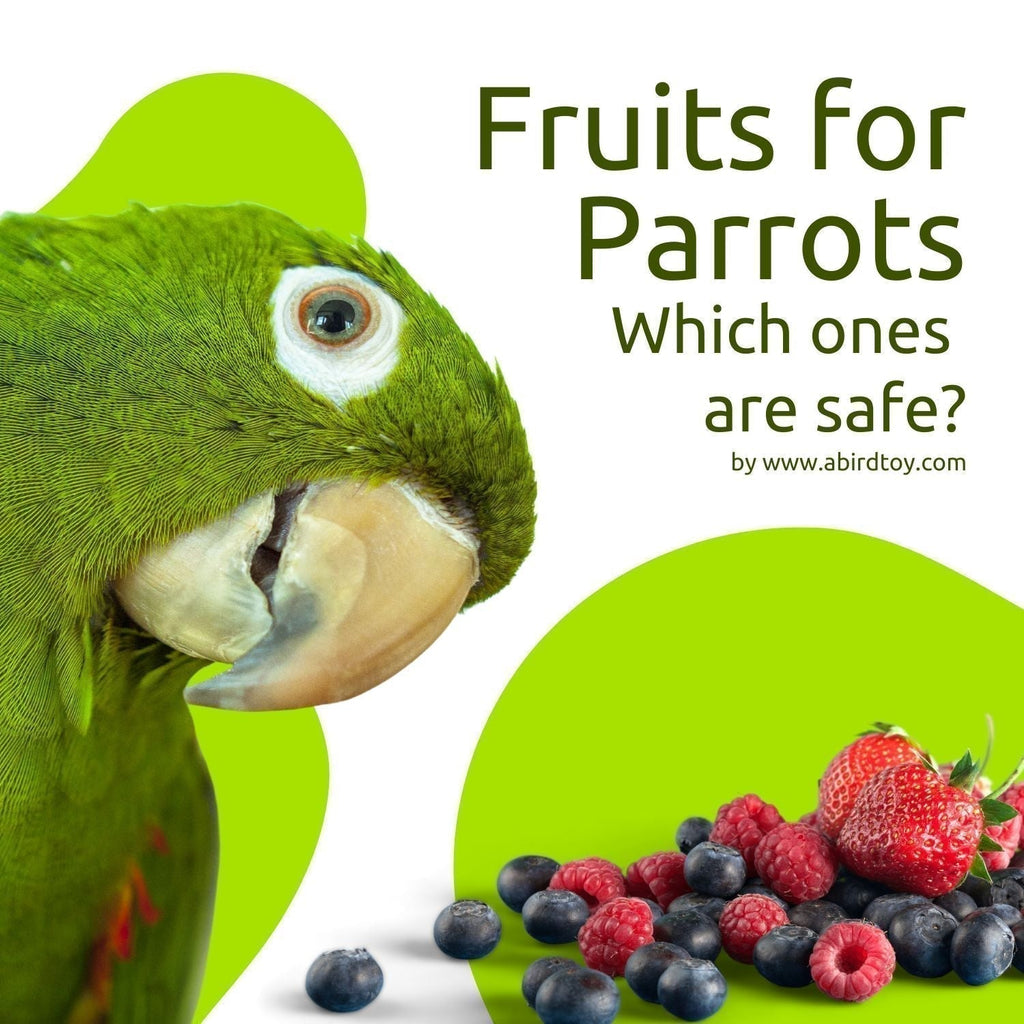
Credit: abirdtoy.com
Toxic Greens For Birds
Not all greens are safe for birds. Some vegetables contain toxins that can harm or even kill your feathered friend. Knowing which greens to avoid is crucial for your bird’s health. Toxic greens may cause serious illness or discomfort. Keep your bird safe by learning about harmful vegetables and their effects.
Common Harmful Vegetables
- Spinach:Contains oxalates that block calcium absorption.
- Rhubarb leaves:Highly toxic; cause kidney damage.
- Onions:Can cause anemia and digestive upset.
- Garlic:Toxic in large amounts; affects red blood cells.
- Raw potatoes:Contain solanine, harmful to birds.
- Tomato leaves and stems:Contain alkaloids that are poisonous.
Signs Of Poisoning
- Vomiting or diarrhea
- Weakness and lethargy
- Loss of appetite
- Tremors or seizures
- Difficulty breathing
- Swelling or redness around the mouth
Spot these signs early. Seek veterinary help immediately to save your bird.
Why Certain Veggies Are Dangerous
Understanding why certain vegetables are dangerous for your bird is crucial to keeping them healthy and happy. Some veggies contain natural substances that can harm your feathered friend, even if they seem harmless to us. Knowing what to avoid helps you provide a safe diet and prevent unexpected health issues.
Toxic Compounds In Plants
Many common vegetables contain toxins that are harmful to birds. For example, raw potatoes and tomato leaves have solanine, a compound that can cause digestive upset or even be fatal. Avocado contains persin, which is highly toxic to many bird species and can damage their heart and lungs.
Other veggies like onions and garlic contain compounds that affect red blood cells, leading to anemia. Even seemingly healthy greens like spinach and rhubarb contain oxalates, which can interfere with calcium absorption and cause kidney problems. It’s important to recognize these hidden dangers in everyday vegetables.
Effects On Bird Health
Feeding your bird toxic vegetables can lead to a range of health problems, from mild digestive discomfort to severe organ damage. Symptoms might include vomiting, diarrhea, weakness, or difficulty breathing. Sometimes, these signs appear hours after eating, making it tricky to link the illness to the food.
I once witnessed a friend’s parrot suddenly become lethargic after nibbling on some avocado scraps. The vet confirmed persin poisoning, which required immediate treatment. This experience taught me that what seems like a healthy treat could quickly turn into a dangerous situation for your bird.
Ask yourself: Are you 100% sure that every veggie you offer your bird is safe? If not, it’s better to stick with known safe options and avoid risking your pet’s health.
Vegetables Often Mistaken As Safe
Many vegetables seem safe for birds but can harm them. These veggies contain substances birds cannot digest well. Feeding such vegetables may lead to health problems or poisoning. Knowing which vegetables to avoid keeps your bird healthy and happy.
Nightshade Family Risks
The nightshade family includes tomatoes, potatoes, and eggplants. These contain solanine, a toxic chemical for birds. Even green or unripe parts of these plants pose risks. Symptoms of poisoning include vomiting and weakness. Avoid feeding any part of nightshade vegetables to your bird.
Alliums To Avoid
Alliums include onions, garlic, leeks, and chives. They contain compounds that damage bird red blood cells. This damage causes anemia and breathing problems. Even small amounts can be harmful over time. Keep all alliums away from your bird’s diet to ensure safety.

Credit: www.fresheggsdaily.blog
Safe Alternatives To Toxic Greens
Choosing the right greens for your bird is crucial to keep them healthy and happy. Some leafy vegetables can be harmful or even toxic, so it’s important to know safe alternatives that provide essential nutrients without risk. Let’s look at some bird-friendly leafy vegetables and the benefits they bring to your feathered friend’s diet.
Bird-friendly Leafy Vegetables
There are plenty of leafy greens that birds love and that support their well-being. Try offering:
- Kale– Rich in calcium and vitamins, it’s a great energy booster for birds.
- Spinach– Packed with iron and antioxidants, but feed in moderation due to oxalates.
- Collard Greens– High in fiber and vitamins A, C, and K, excellent for digestion.
- Romaine Lettuce– Hydrating and gentle on the digestive system.
- Swiss Chard– Contains a variety of nutrients and adds color variety to their meals.
Have you noticed your bird’s preferences? Offering a mix of these greens can keep their diet exciting and balanced.
Nutritional Benefits
These safe greens provide essential vitamins and minerals that support your bird’s immune system, bone health, and feather quality. For instance, vitamin A in collard greens helps maintain healthy skin and vision.
Calcium in kale strengthens bones and aids in egg production for female birds. Fiber from romaine lettuce promotes good digestion, preventing common digestive issues.
By choosing these greens, you give your bird a variety of nutrients without risking their health. What small change can you make today to improve your bird’s diet?
Preventing Accidental Poisoning
Preventing accidental poisoning is crucial when feeding your bird vegetables. Some veggies can be harmful or even deadly if given incorrectly. Understanding how to prepare and monitor your bird’s diet can protect their health and keep them happy.
Proper Food Preparation
Always wash vegetables thoroughly to remove pesticides and dirt. Peeling can help remove toxins found in skins, like in potatoes and eggplants. Cooking some veggies, such as beans, is necessary because raw versions may contain harmful substances.
Be cautious with parts of vegetables that birds shouldn’t eat. For example, tomato leaves and stems contain solanine, which is toxic. Removing these parts before feeding can prevent poisoning.
Monitoring Bird Diet
Keep a close eye on what your bird eats and how they react. If you notice unusual behavior after introducing a new vegetable, stop offering it immediately. Birds can show signs of poisoning like vomiting, lethargy, or changes in droppings.
Track the variety and amount of veggies you provide. Avoid giving large quantities of potentially risky vegetables all at once. This careful monitoring helps you spot problems early and adjust their diet for safety.
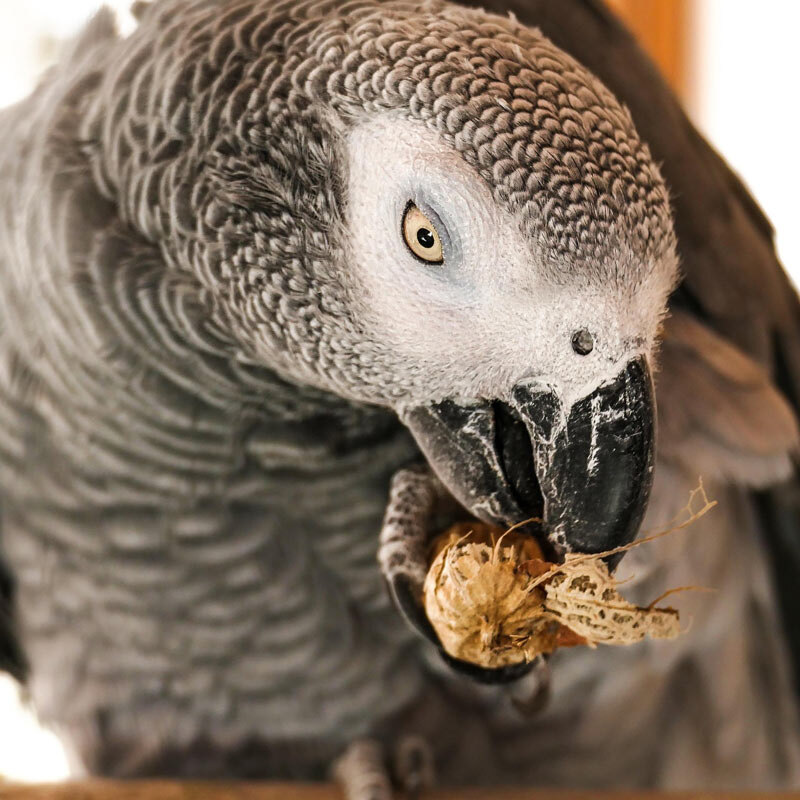
Credit: lafeber.com
Frequently Asked Questions
What Vegetables Are Toxic To Birds?
Avocado, onion, garlic, and rhubarb are toxic to birds. These veggies can cause severe health issues or even death. Avoid feeding them to your pet bird to ensure its safety and wellbeing.
Can Birds Eat Raw Potatoes Safely?
No, raw potatoes contain solanine, which is harmful to birds. Cooking reduces solanine, but it’s best to avoid potatoes altogether. Always offer bird-safe vegetables instead to keep your pet healthy.
Why Should I Avoid Feeding Onions To Birds?
Onions contain compounds that can cause anemia in birds. Even small amounts can damage their red blood cells. Avoid feeding onions to protect your bird’s health and prevent serious illness.
Are Nightshade Vegetables Dangerous For Birds?
Yes, nightshade vegetables like tomatoes, eggplants, and peppers can be harmful if unripe. Ripe tomatoes are generally safe in moderation. Always research specific veggies before feeding them to your bird.
Conclusion
Avoid feeding birds harmful vegetables to keep them safe and healthy. Some veggies can cause illness or discomfort. Always choose fresh, safe foods for your feathered friends. Knowing what not to feed helps protect their well-being. Birds rely on us to provide good nutrition.
Stay careful and watch your bird’s reactions to new foods. Healthy birds bring joy and life to any space. Keep learning and caring for your birds every day.