

Have you ever gazed out your window and wondered how to attract a vibrant array of wild birds to your backyard in Central Florida? You’re not alone.
Birdwatching is a cherished pastime that connects you with nature and brings joy to your everyday life. But, choosing the right wild bird feed can feel like a daunting task. With so many options out there, how do you know what will truly entice the local feathered friends?
Imagine transforming your backyard into a lively haven where colorful cardinals, cheerful chickadees, and melodious mockingbirds gather. The secret lies in selecting the perfect bird feed that caters to the unique tastes of Central Florida’s avian visitors. As you read on, you’ll discover not only the best feed options but also tips that could turn your garden into a thriving bird sanctuary. Let’s dive in and unlock the secrets to creating a bird-friendly paradise right outside your door.
Credit: edis.ifas.ufl.edu
Best Seeds For Central Florida Birds
Choosing the right seeds can make a huge difference in attracting wild birds to your backyard in Central Florida. Birds here have specific preferences based on the region’s climate and native species. Offering the best seeds not only brings more birds but also keeps them healthy and coming back for more.
Sunflower Seeds
Black oil sunflower seeds are a top choice for many Central Florida birds. Their thin shells make them easy to crack open, which appeals to a wide variety of species including cardinals, chickadees, and finches.
You might notice squirrels love these seeds too, so placing feeders strategically can help ensure the birds get their share. Have you tried using a feeder with smaller openings to limit squirrel access?
Millet And Sorghum
White proso millet and sorghum are excellent for ground-feeding birds like doves and sparrows common in Central Florida. These seeds are small and easy to scatter, making them perfect for platform feeders or ground feeding areas.
Adding millet can attract flocks that you might not see with sunflower seeds alone. Have you observed which birds prefer ground feeding in your yard?
Nyjer Seeds
Nyjer seeds are tiny and rich in oil, favored especially by finches such as goldfinches and siskins. Because these seeds are so small, they require special feeders with tiny holes to prevent spillage.
Offering Nyjer seeds can invite some of the most colorful and lively birds to your feeders. Do you have a Nyjer feeder set up yet to see these vibrant visitors?

Credit: edis.ifas.ufl.edu
Fruit And Suet Options
Fruit and suet are excellent food options for wild birds in Central Florida. These foods provide essential nutrients and energy to birds, especially during cooler months or breeding seasons. Offering a variety of fresh fruits and suet types attracts many bird species and supports their health.
Fresh Fruit Choices
Fresh fruits are a natural source of vitamins and water for wild birds. Many birds enjoy sweet and juicy fruits that are easy to eat. Some popular fresh fruit choices include:
- Apples (cut into small pieces)
- Oranges (peeled and segmented)
- Grapes (halved for smaller birds)
- Bananas (sliced thinly)
- Berries (such as blueberries and strawberries)
Place fruit pieces on a platform feeder or hang them in mesh bags. Fresh fruits attract orioles, tanagers, and mockingbirds. Change the fruit daily to keep it fresh and prevent mold.
Suet Benefits And Types
Suet is a high-energy food made from animal fat. Birds need suet for energy, especially during cold or wet weather. It helps birds stay warm and active. Suet also attracts insect-eating birds like woodpeckers and nuthatches.
There are several types of suet available:
- Plain suet blocks
- Suet mixed with seeds or nuts
- Fruit and nut suet cakes
- Peanut butter suet blends
Place suet in special suet feeders to keep it secure. Change suet regularly to avoid spoilage. Suet feeders work best near trees or shrubs where birds feel safe.
Feeders That Attract Colorful Birds
Choosing the right feeders can make a big difference in attracting colorful birds to your backyard in Central Florida. Different feeder styles appeal to various species, so matching your feeder type to the birds you want to see can bring more vibrant visitors closer to your window. Let’s look at some feeder options that can brighten your garden with beautiful feathers and lively activity.
Tube Feeders
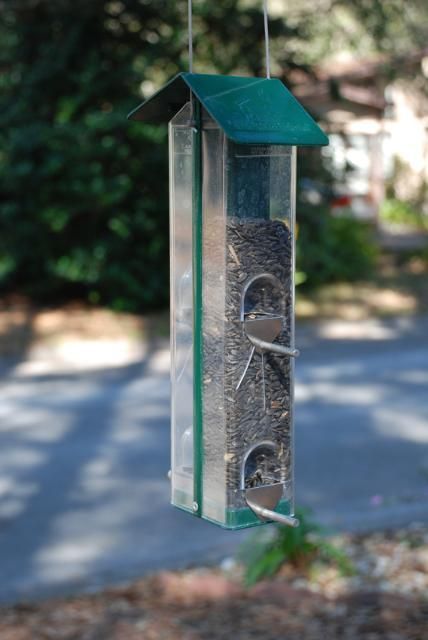
Tube feeders are a classic choice and great for attracting small, colorful songbirds like finches, chickadees, and cardinals. These feeders typically have multiple feeding ports, allowing several birds to feed at once without much competition. Fill them with black oil sunflower seeds or nyjer seed to attract a wide range of species.
One time, I noticed a pair of painted buntings visiting my tube feeder daily after switching to nyjer seed. Their bright blue and red feathers added a splash of color that I hadn’t seen before. Have you tried changing your seed mix recently to see which birds show up?
Platform Feeders
Platform feeders offer an open space that suits larger birds or ground feeders like doves, jays, and cardinals. Because they don’t have enclosed spaces, they invite birds that prefer to hop or land on flat surfaces. You can customize these feeders by adding a mix of seeds, nuts, and even fruit to attract a wider variety.
Adding a platform feeder near some shrubs or trees creates a natural feeding spot that birds feel safe visiting. I once set up a platform feeder with mixed nuts and watched a bright blue jay feast for hours, showing off its vivid colors and loud calls. What kinds of birds do you hope to attract with your platform feeder?
Hummingbird Feeders
Hummingbird feeders are essential if you want to bring in those tiny jewels with their iridescent green and red feathers. These feeders use sugar water to mimic nectar and often have red accents to catch hummingbirds’ attention. Keep your feeders clean and fresh to avoid mold and ensure the birds keep coming back.
I placed a hummingbird feeder near my patio and was amazed at the number of ruby-throated hummingbirds that visited throughout the day. Their quick movements and brilliant colors make feeding them a rewarding experience. Have you considered adding a hummingbird feeder to your garden to enjoy these energetic visitors?

Credit: www.tractorsupply.com
Seasonal Feeding Tips
Feeding wild birds in Central Florida requires adjusting your approach with the changing seasons. Each season brings different challenges and opportunities for attracting and supporting local bird species. Paying attention to these seasonal differences helps you provide the right food at the right time, keeping your backyard visitors healthy and happy all year long.
Summer Feeding Strategies
Summer in Central Florida can be hot and humid, which affects both the birds and the food you offer. During this season, birds often prefer high-energy foods that help them stay active and maintain their energy. Offering seeds like sunflower and safflower supports a variety of birds, including cardinals and finches.
Keep your feeders clean and dry to prevent mold and bacteria growth, which thrive in warm weather. You might also want to add fresh fruit slices such as oranges or berries to attract orioles and tanagers. Remember, water is just as important; a shallow birdbath with clean water encourages birds to stay and refresh themselves.
Winter Food Sources
Winter in Central Florida is mild compared to northern states, but food sources can still become scarce. Birds rely more on feeders during this time, especially for seeds high in fat and protein to keep their body heat up. Black oil sunflower seeds and peanuts are excellent choices to help birds build fat reserves.
Try to place feeders in sheltered areas to protect birds from cooler winds. Suet feeders become popular as they provide a dense source of energy. Have you noticed how woodpeckers and nuthatches flock to suet? Offering it can bring exciting new visitors to your yard.
Avoiding Common Feeding Mistakes
Feeding wild birds in Central Florida can be rewarding. Avoiding common mistakes helps keep birds healthy and happy. Simple actions prevent problems like spoiled food or unsafe feeders. Careful attention ensures birds return to your yard regularly. Follow these tips for safe and effective bird feeding.
Preventing Mold And Spoilage
Wet or old bird feed attracts mold and bacteria. Moldy seeds can harm birds and cause illness. Keep feed dry by storing it in airtight containers. Check feeders often and clean them regularly. Remove wet seeds quickly after rain or dew. Use feeders with drainage holes to avoid water buildup. Rotate seed supply to use older feed first.
Choosing Safe Feeders
Select feeders made from bird-safe materials like metal or hard plastic. Avoid feeders with sharp edges or loose parts. Clean feeders weekly with hot water and mild soap. Place feeders where birds feel safe from predators. Use squirrel-proof designs to reduce pests stealing seed. Position feeders away from windows to prevent bird collisions. Proper feeder choice keeps birds safe and encourages visits.
Native Plants To Complement Feeding
Native plants play a key role in supporting wild birds in Central Florida. They provide natural food, shelter, and nesting spots. Using native plants alongside bird feed creates a healthy environment. Birds feel safer and more comfortable in natural surroundings. This encourages them to visit and stay longer in your garden.
Attracting Birds Naturally
Native plants attract birds by offering natural food sources. Seeds, berries, and nectar from these plants match local birds’ diets. They also attract insects that many birds eat. Birds prefer familiar plants that grow well in the region. Planting species like beautyberry, saw palmetto, and coontie can help. These plants bloom and fruit at different times. This provides food throughout the year. Native plants also offer cover from predators and harsh weather.
Combining Feed And Habitat
Combine bird feed with native plants to create a balanced habitat. Feeders can supply extra nutrition during scarce times. Plant areas near feeders with native shrubs and trees. This helps birds feel safe while they eat. Use a variety of plants for shelter and nesting. Include tall trees, low shrubs, and flowering plants. This diversity supports many bird species. Avoid pesticides to keep the environment safe. Together, feed and native plants make your yard a bird paradise.
Frequently Asked Questions
What Is The Best Wild Bird Feed For Central Florida?
The best bird feed for Central Florida includes sunflower seeds, safflower seeds, and millet. These attract native birds like cardinals and finches. Choose fresh, high-quality seed mixes for optimal results.
Which Seeds Attract The Most Birds In Central Florida?
Black oil sunflower seeds attract a wide variety of birds in Central Florida. They are high in oil content and easy for birds to eat. Millet and cracked corn also attract many species.
Can I Feed Wild Birds Year-round In Central Florida?
Yes, you can feed wild birds year-round in Central Florida. The mild climate allows birds to find natural food, but supplemental feeding helps during dry or cold spells.
What Type Of Feeder Suits Central Florida Wild Birds?
Tube feeders and platform feeders work well in Central Florida. Tube feeders attract smaller birds, while platform feeders accommodate larger species. Clean feeders regularly to prevent disease.
Conclusion
Choosing the right wild bird feed helps attract many birds to your yard. Seeds like sunflower and millet work well in Central Florida. Fresh water and clean feeders keep birds healthy and happy. Watching birds brings joy and connects you to nature.
Try different feeds to see what birds prefer most. Enjoy the beauty and sounds of wild birds daily. Feeding birds supports local wildlife and adds life to your garden. Simple steps make a big difference for bird lovers here.