

Have you ever wondered what happens if you feed a bird sugar? It might seem harmless or even like a sweet treat for your feathered friend.
But the truth might surprise you. What if this simple act could harm your bird or change its behavior in ways you never expected? If you care about your backyard visitors or pet birds, understanding the effects of sugar on them is important.
Keep reading to discover what really happens inside a bird’s body when sugar is involved—and why you should think twice before offering that sugary snack.
Birds And Sugar Consumption
Feeding birds sugar can harm their health by causing digestive problems and energy spikes. Birds need natural foods to stay strong and healthy. Sugar disrupts their diet and may lead to serious illness.
Feeding birds sugar might seem harmless, but it could have surprising effects on their health. Birds, like many animals, have specific dietary needs and aren’t typically built to process refined sugars. Understanding how sugar consumption can affect our feathered friends is crucial for anyone wanting to feed them responsibly.Natural Diet Of Birds
Birds in the wild rely on a varied diet that includes seeds, fruits, insects, and nectar. This diet provides the essential nutrients they need for energy and health. While fruits do contain natural sugars, they also offer fiber, vitamins, and other important nutrients that balance their diet. A natural diet helps maintain a bird’s energy levels and supports their immune system. It’s crafted by nature to suit their specific digestive systems and nutritional needs. Feeding them sugar disrupts this balance and may lead to health issues.Common Sources Of Sugar Exposure
Birds can be exposed to sugar through human foods like bread, sugary cereals, and snacks. These foods are often left out in gardens or parks, tempting birds to snack on them. Bird feeders filled with sugary solutions, like those intended for hummingbirds, can also be a source of sugar exposure. While some species can handle small amounts of sugar, excessive consumption is harmful. Consider the impact of offering sugary treats next time you want to feed a bird. Is there a healthier alternative that respects their natural diet? By being mindful of what you feed them, you contribute positively to their well-being.
Credit: www.reddit.com
Immediate Effects Of Sugar On Birds
Feeding sugar to birds can trigger noticeable changes right away. These immediate effects can impact their behavior and physical health in ways you might not expect. Understanding these reactions helps you make better choices for your feathered friends.
Short-term Behavioral Changes
Birds often become unusually active or restless after consuming sugar. You might see them flapping their wings more or hopping around with extra energy. This sugar rush is similar to what humans experience but can be more intense for birds.
Some birds may also show signs of confusion or irritability. They might peck at things more aggressively or seem distracted. Have you ever noticed your pet bird acting hyper after getting a sweet treat? This is why it’s important to monitor their reactions closely.
Physical Reactions To Sugar Intake
Physically, sugar can cause rapid changes in a bird’s body. Their heart rate may increase, leading to a fast or irregular heartbeat. This puts stress on their cardiovascular system, which isn’t designed to handle high sugar levels.
Birds may also experience digestive upset, such as vomiting or diarrhea. Their small digestive systems struggle to process sugar, which can lead to discomfort or dehydration. If you see these symptoms, it’s crucial to provide fresh water and avoid sugary foods.
Long-term Health Risks
Feeding birds sugar can cause serious health problems over time. Birds are not built to digest sugar like humans. Excess sugar disrupts their natural body processes and leads to harmful effects. Understanding these long-term risks helps protect their health.
Impact On Metabolism
Sugar alters how birds process energy. It forces their bodies to work harder to break down sugar. This strain can damage organs like the liver. Their metabolism slows down, making it harder to convert food into energy. Over time, this leads to weakness and fatigue.
Potential For Obesity And Diabetes
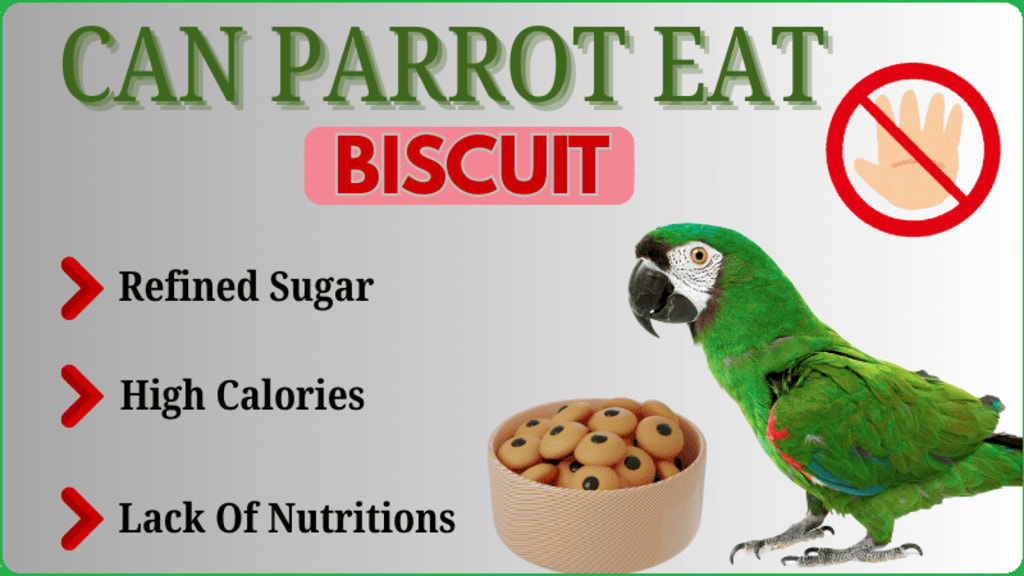
Birds eating too much sugar gain unhealthy weight quickly. Extra fat strains their heart and lungs. Obesity raises the risk of diabetes, a condition where blood sugar is too high. Diabetes causes serious damage to nerves and organs. Birds with diabetes often suffer from poor health and shorter lives.
Credit: vocal.media
Why Sugar Is Harmful To Birds
Feeding sugar to birds might seem harmless, especially if you want to offer a treat. But sugar can actually cause serious harm to their health. Understanding why sugar is bad for birds helps you protect their well-being and avoid unintended consequences.
Differences Between Bird And Human Digestion
Birds digest food very differently than humans do. Their digestive systems are designed to process natural foods like seeds, fruits, and insects—not refined sugars.
While humans can handle moderate sugar intake without immediate harm, birds lack the enzymes to break down processed sugars efficiently. This can lead to digestive upset and nutrient deficiencies.
Have you noticed how your pet bird acts after eating sugary treats? They might become lethargic or irritable because sugar disrupts their energy balance. This shows how sensitive their metabolism really is.
Toxic Components In Processed Sugars
Not all sugars are created equal. Processed sugars often contain additives and chemicals that are toxic to birds.
- High Fructose Corn Syrup:Common in many sugary foods, it can cause fatty liver disease in birds.
- Artificial Sweeteners:These can lead to poisoning and even death in some bird species.
- Refined Sugar Crystals:Sharp edges can injure a bird’s delicate digestive tract.
Even small amounts of these substances can build up and cause long-term health problems. Would you offer your bird something that risks its life just for a quick treat? Protecting your feathered friend means avoiding sugar altogether.
Safe Alternatives For Feeding Birds
Feeding birds the right food supports their health and energy. Sugar harms birds and offers no real nutrition. Choose safe, natural options that birds enjoy and benefit from. These alternatives provide essential nutrients and keep birds coming back to your yard.
Healthy Treats And Snacks
Birds thrive on fresh, natural foods. Seeds like sunflower, millet, and safflower suit many species. Fruits such as apples, berries, and oranges give vitamins and moisture. Vegetables like peas, corn, and leafy greens add fiber and nutrients.
- Unsalted nuts (almonds, walnuts) offer healthy fats and protein.
- Mealworms provide extra protein for insect-eating birds.
- Suet cakes supply energy, especially in colder months.
Always avoid salty, sugary, or processed foods. Fresh water nearby helps birds digest these snacks.
Best Practices For Bird Feeding
Keep feeders clean to stop germs from spreading. Change food regularly to prevent mold and spoilage. Place feeders in safe, quiet spots away from predators. Use the right feeder types for different bird species.
- Hang feeders at least five feet off the ground.
- Clean feeders weekly with mild soap and water.
- Offer food in small amounts to avoid waste.
Observe birds to learn their preferences and feeding habits. Consistent feeding routines help birds feel secure and healthy.
What To Do If A Bird Eats Sugar
Discovering that your bird has eaten sugar can be alarming. Sugar is not part of a bird’s natural diet and can cause serious health problems. Knowing what to watch for and how to act quickly could make all the difference in keeping your feathered friend safe.
Signs Of Sugar Poisoning
Birds that consume sugar may show unusual behavior or physical symptoms. Look for signs such as:
- Increased thirst and excessive drinking
- Restlessness or unusual hyperactivity
- Difficulty breathing or rapid breathing
- Vomiting or regurgitation
- Weakness or lethargy
- Seizures or loss of coordination
If you notice any of these symptoms, it’s crucial to act quickly. Don’t wait for the signs to get worse.
Emergency Care Steps
First, remove any remaining sugar or sugary items from your bird’s environment. Offer fresh, clean water immediately to help flush out toxins.
Keep your bird calm and warm while you prepare to seek veterinary help. Avoid giving any human medications or home remedies unless specifically instructed by a professional.
Contact your avian vet or an emergency pet poison hotline right away. Be ready to describe what your bird ate, how much, and when. Quick action improves your bird’s chances of a full recovery.

Credit: www.reddit.com
Frequently Asked Questions
What Happens If Birds Eat Sugar?
Feeding birds sugar can harm their digestive system. Sugar disrupts their natural diet and may cause obesity. It reduces their ability to absorb nutrients. Over time, sugar intake can lead to serious health issues or death in birds.
Can Sugar Cause Illness In Birds?
Yes, sugar can cause illness in birds. It may lead to obesity, diabetes, and liver problems. Birds are not adapted to process high sugar levels. Avoid feeding sugary foods to keep birds healthy and safe.
Is Sugar Safe For Wild Birds To Eat?
No, sugar is not safe for wild birds. Their bodies are designed for natural foods like seeds and insects. Sugar can attract pests and create dependency. It is best to provide fresh water and natural bird feed.
How Does Sugar Affect A Bird’s Energy?
Sugar gives a quick energy spike but no lasting nutrients. Birds may become hyperactive then lethargic. This imbalance weakens their natural energy regulation. Proper nutrition supports steady energy for flight and survival.
Conclusion
Feeding sugar to birds can harm their health and well-being. Birds cannot digest sugar like humans do. It may cause problems like obesity, diabetes, and weak bones. Birds need natural foods like seeds, fruits, and insects. Giving sugar can also attract pests and spoil their diet.
Protect birds by offering safe, healthy food instead. Keep their environment clean and natural for better care. Small actions make a big difference in bird health. Always choose what helps birds stay strong and happy.