

Have you ever paused to wonder what’s sprouting beneath your bird feeder? If you’re a bird lover, you probably enjoy the cheerful chirps and vibrant flutters of birds in your garden.
But there’s more happening below your feeder than you might think. The ground beneath can transform into a mini-ecosystem, teeming with life and surprises. Curious to find out what these hidden mysteries are and how they might affect your garden?
Dive in as we uncover the fascinating world growing under your bird feeder, and discover how it can bring unexpected benefits or challenges to your backyard sanctuary. Keep reading to unlock the secrets hidden just beneath your feet!
Common Plants Near Bird Feeders
Have you ever noticed a little garden starting to grow beneath your bird feeder? The seeds you scatter don’t just feed the birds; they also feed the soil and the plants that sprout around your feeder. Understanding the common plants near bird feeders can help you manage your outdoor space better and even encourage more wildlife.
Weeds Attracted By Bird Seed
Bird seed often contains a mix of grains and seeds that can quickly sprout into weeds. Common offenders include chickweed, dandelions, and pigweed. These plants grow fast and can take over the area if left unchecked.
If you want to keep your yard tidy, it’s useful to spot these weeds early. Pull them out by hand or use mulch to block their growth. Have you noticed certain weeds popping up more after filling your feeder?
Grasses And Ground Covers
Bird seed can also encourage various grasses to grow under the feeder. Crabgrass and foxtail are common examples that thrive on dropped seeds. These grasses can provide cover for small insects and make your yard more diverse.
Ground covers like clover may also appear, which can be great for attracting pollinators. They need little care and help keep the soil healthy. Would adding a few ground covers around your feeder improve your garden’s look and feel?
Native Wildflowers
Some seeds attract native wildflowers that add color and beauty to your yard. Plants like black-eyed Susan, coneflowers, and milkweed often grow naturally near bird feeders. These flowers attract butterflies and other beneficial insects.
Encouraging native wildflowers can create a mini wildlife sanctuary right outside your window. They require less water and care compared to non-native plants. Have you considered planting native wildflowers near your feeder to boost local wildlife?
How Bird Feeders Affect Plant Growth
Bird feeders do more than just feed birds. They can also impact plant growth beneath them. The seeds that fall, the nutrients left behind, and the changes to the soil all shape the plants that grow under the feeder. Understanding these effects helps gardeners manage their outdoor spaces better.
Seed Spillage And Germination
Birds often drop seeds while eating. These seeds can land in the soil beneath the feeder. Some of these seeds may start to grow into new plants. This natural sowing can create patches of wildflowers or weeds under the feeder. The type of plants depends on the seeds spilled and soil conditions.
Soil Enrichment From Bird Droppings
Bird droppings add nutrients to the soil. They contain nitrogen, phosphorus, and potassium. These nutrients act like natural fertilizer for plants. The soil under a feeder can become richer, helping plants grow stronger. This can encourage lush plant growth in the area.
Microhabitat Changes
The area under a bird feeder can become a small habitat. It may attract insects and small animals. These creatures can affect soil health and plant growth. Shade from the feeder or nearby trees can also change moisture levels. This combination creates a unique environment for plants to grow.
Unexpected Plants Found Under Feeders
Have you ever noticed the plants sprouting beneath your bird feeder and wondered what they are? The area under feeders often hosts a surprising variety of plants that grow from dropped seeds or natural visitors. These unexpected plants can tell you a lot about your local ecosystem and even offer some hidden benefits or challenges.
Edible Plants And Herbs
Sometimes, you’ll find edible plants growing under your feeder. Birds often drop seeds from fruits and nuts they eat, leading to small patches of plants like sunflowers, clover, or even wild strawberries.
Herbs such as chickweed or dandelion may also appear. These can be a bonus if you enjoy foraging or want to attract more wildlife naturally. Have you tried identifying these plants before? It might inspire you to create a mini edible garden right beneath your feeder.
Invasive Species
Not all plants growing under feeders are welcome. Invasive species often sneak in this way, hitching a ride on birdseed or in bird droppings. Plants like Japanese knotweed or garlic mustard can quickly take over and crowd out native plants.
These invaders can harm your garden’s health and local wildlife. Keeping an eye on what’s growing and removing suspicious plants early can save you headaches. What strategies do you use to control unwanted growth in your garden?
Rare Or Unusual Species
Occasionally, you might spot rare or unusual plants beneath your feeder. These could be native wildflowers or unique species that don’t often show up in your area. Their presence may indicate a healthy, diverse environment.
Finding these plants can feel like a small discovery, adding excitement to your birdwatching routine. Have you ever noticed a plant under your feeder that made you pause and wonder about its story?
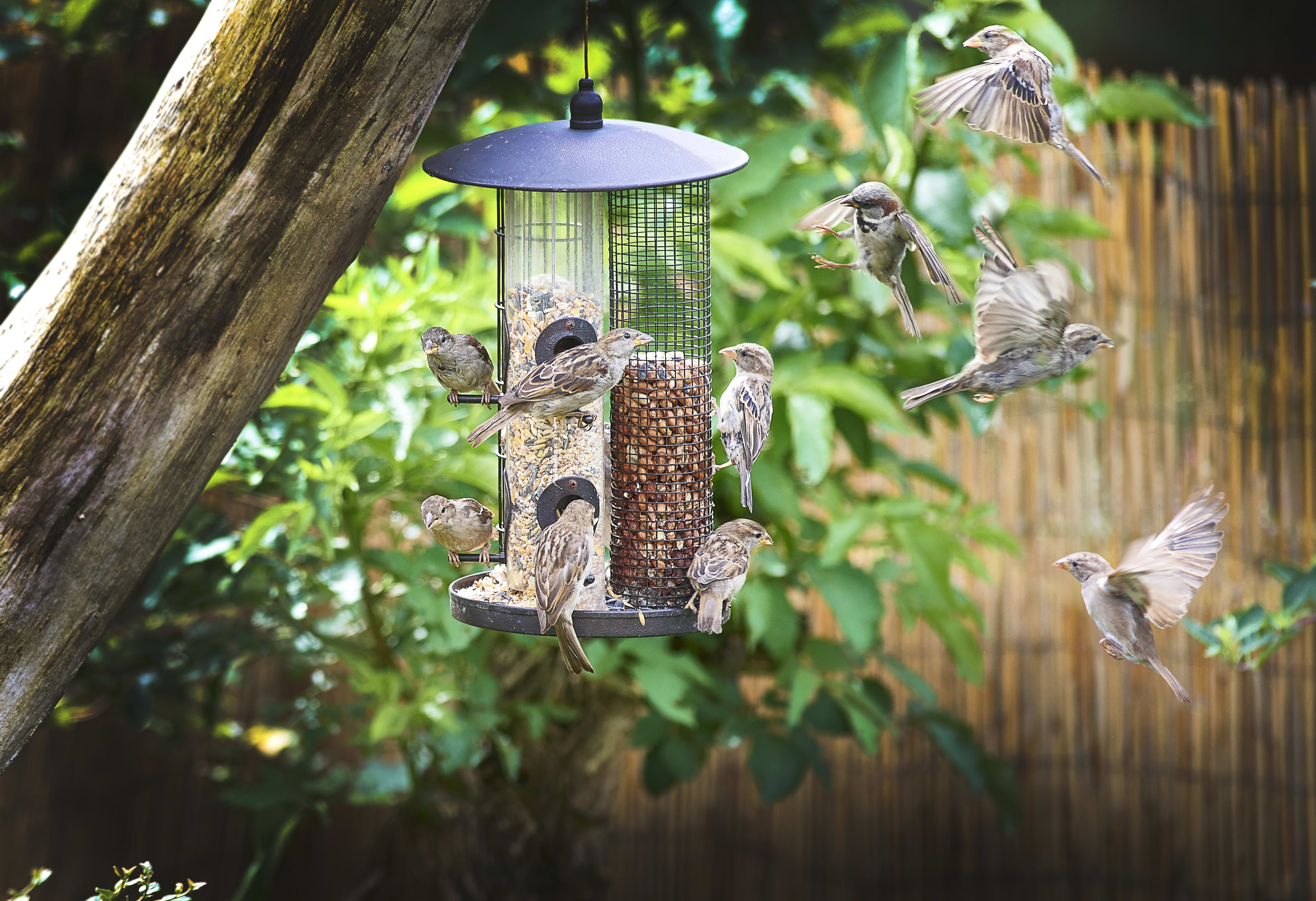
Credit: dengarden.com
Managing Plant Growth Beneath Feeders
Managing plant growth beneath your bird feeder is a small but important task that can improve both the look and health of your yard. Plants growing under feeders often thrive due to dropped seeds and bird droppings, but not all growth is welcome. Taking control early helps maintain a clean feeding area and supports local wildlife effectively.
Identifying Desirable Vs. Undesirable Plants
Not every plant growing under your feeder is a problem. Some, like native wildflowers or ground covers, can attract beneficial insects and add beauty. On the other hand, invasive weeds or aggressive grasses may choke out these helpful plants and make the area look messy.
Spend time observing the plants after a few weeks. Are they flowering or spreading rapidly? Are they native species or common weeds? Knowing the difference can save you time and effort in managing growth.
Controlling Weeds Safely
Weeds often pop up under feeders because of the easy food source. Pulling them by hand is the safest option, especially if you want to avoid chemicals around birds and pets. Mulching around the feeder can also reduce weed growth by blocking sunlight.
If you need to use herbicides, select bird-safe products and apply them carefully. Avoid spraying directly on feeder posts or areas where birds eat. Regular maintenance like raking fallen seeds also limits weed-friendly conditions.
Encouraging Beneficial Plants
You can turn your bird feeder’s base into a mini garden that supports more than just birds. Planting low-growing natives such as clover or creeping thyme can attract pollinators and provide ground cover. These plants also help retain soil moisture and reduce erosion.
Try adding a few pots with herbs or flowers nearby to create a diverse habitat. This encourages a healthy ecosystem and makes your yard more inviting. What types of plants around your feeder might attract even more wildlife?
Tips For Cleaner Feeding Areas
Keeping the area under your bird feeder clean can make a big difference in your backyard’s appearance and health. Seeds that fall and sprout can quickly turn into unwanted plants or messy patches. You can enjoy birdwatching more if you manage the space well and reduce the spread of debris.
Placement Strategies
Think carefully about where you put your bird feeder. Placing it over a hard surface, like a patio or deck, makes cleanup easier because seeds won’t sink into the soil. Avoid putting feeders near garden beds where seedlings might sprout from dropped seeds.
Try hanging feeders away from trees or shrubs to limit seed accumulation in dense plant areas. This also helps reduce the chance of unwanted pests taking shelter. Have you noticed how relocating a feeder can change your bird activity and garden growth?
Regular Cleaning Routines
Set a schedule to clean the ground beneath your feeder regularly. Removing leftover seeds and husks prevents mold, bacteria, and pesky insects from taking over. Use a rake or broom to sweep up debris once or twice a week, depending on how busy your feeder is.
Washing the feeder itself with warm soapy water monthly keeps birds healthy and reduces messy spills. You might find that a consistent cleaning habit also improves the overall look of your yard and makes birdwatching more pleasant.
Using Seed Catchers Or Trays
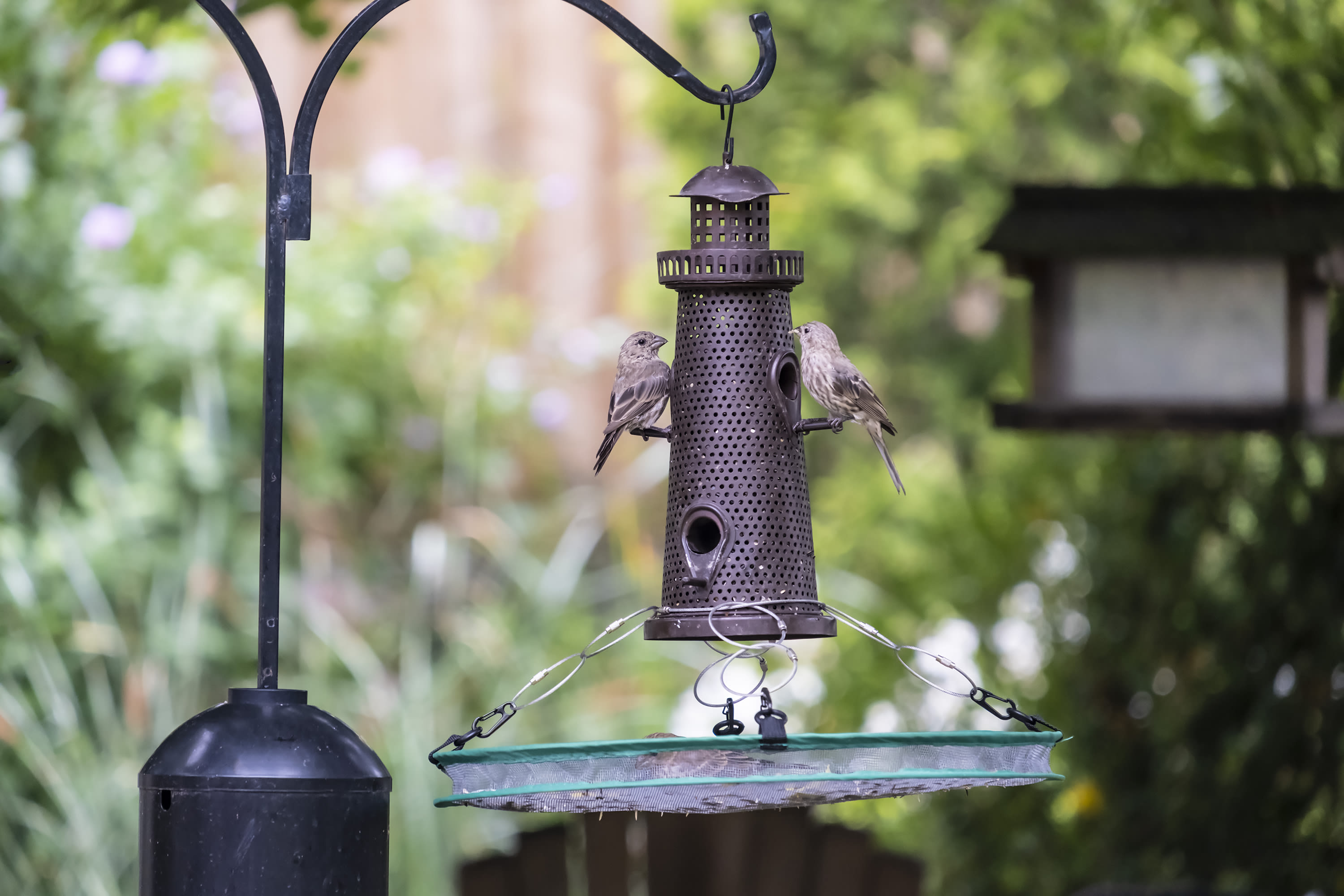
Attach a seed catcher or tray below your feeder to catch falling seeds before they hit the ground. These simple tools help contain mess and make cleanup faster. Some trays even have mesh bottoms that allow water to drain, preventing soggy seed buildup.
If you’ve ever dealt with sprouting weeds or muddy patches, you’ll appreciate how much easier a tray makes maintenance. Consider trying different sizes or styles to find one that fits your feeder and your needs perfectly.
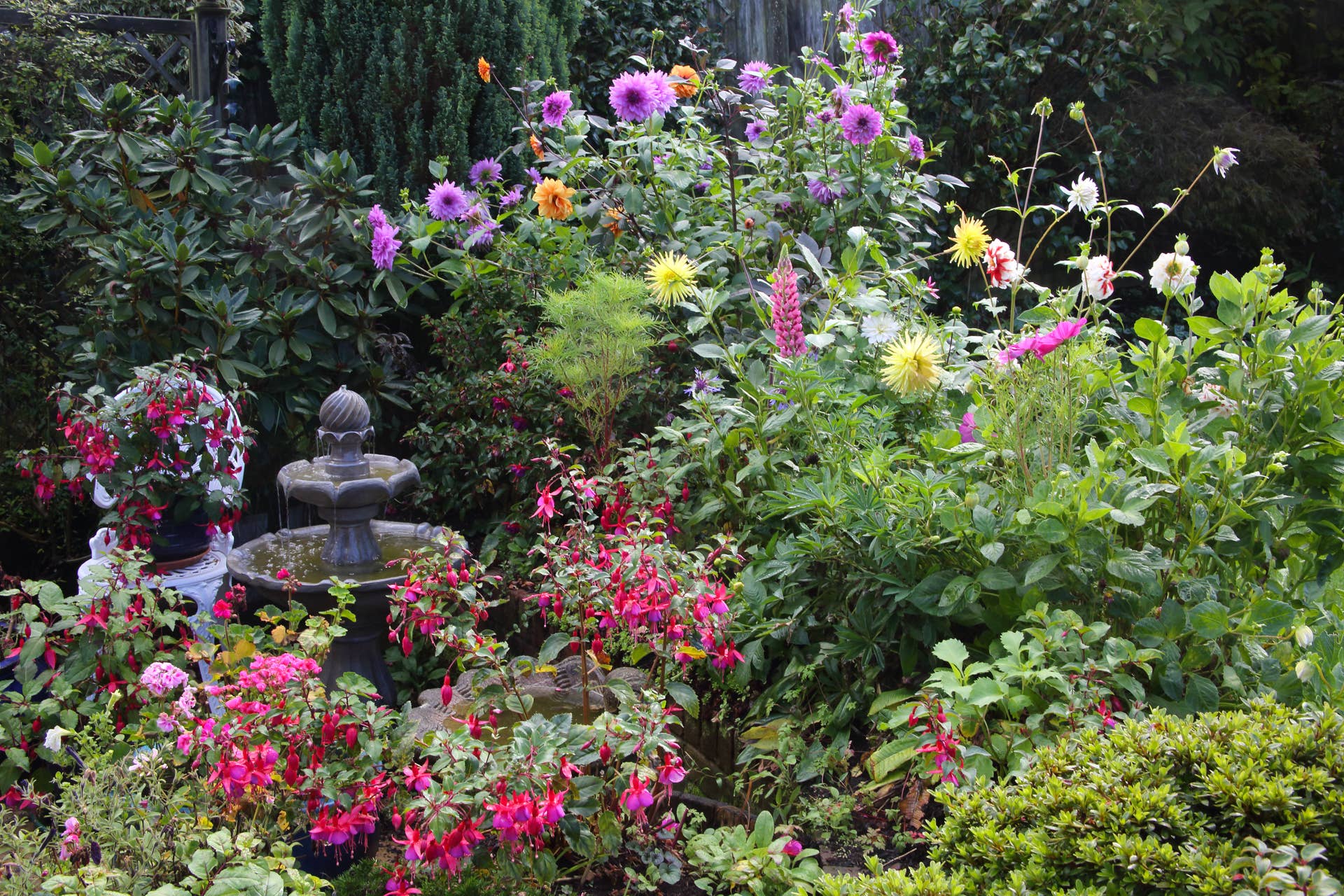
Credit: dengarden.com
Credit: dengarden.com
Frequently Asked Questions
What Plants Commonly Grow Under Bird Feeders?
Common plants under bird feeders include grasses, weeds, and sprouting seeds dropped by birds. These plants thrive on the nutrient-rich soil created by seed debris and bird droppings.
Why Do Weeds Appear Under My Bird Feeder?
Weeds grow because spilled seeds provide food and nutrients. Birds drop seeds that germinate easily, creating a perfect environment for weed growth.
How Can I Prevent Unwanted Growth Under Feeders?
Regularly clean the area and remove fallen seeds. Use a seed tray or ground cover to minimize seed spillage and control plant growth.
Is The Growth Under Feeders Harmful To Birds?
No, most growth is harmless and can benefit birds by attracting insects. However, keep the area tidy to prevent mold or pests.
Conclusion
Bird feeders do more than feed birds. Seeds that fall create new plants below. These plants can attract more wildlife and add life to your yard. Watch carefully. You might see flowers, grasses, or even small trees grow. This natural cycle shows how nature recycles and thrives.
Enjoy the small garden forming under your feeder. It’s a quiet, living surprise waiting for you. Keep observing and learn what grows each season. Nature is always working, even in small places like this.