
Have you ever wondered when it’s the right time to stop feeding wild birds in your backyard? You want to help these beautiful creatures, but how do you know when your support is no longer needed?
Feeding wild birds can be rewarding, but knowing when to stop is just as important for their health and safety. Keep reading, and you’ll discover the signs you shouldn’t ignore and how to make the best choices for the birds you care about.
Your backyard friends depend on you—let’s make sure you’re doing what’s best for them.
Reasons To Feed Wild Birds
Feeding wild birds offers many rewards beyond simple enjoyment. It creates a small but vital support system for birds throughout the year. Birds rely on natural food sources, but these can become scarce or unreliable. Providing food helps them survive tough times and thrive in their habitats. Understanding the reasons to feed wild birds highlights how important your care can be.
Benefits During Winter
Winter is a hard season for birds. Snow and ice cover their usual food sources. Feeding birds supplies extra energy to stay warm. It helps them survive cold nights and snowy days. Birds use the food to build fat reserves needed for survival. A steady food source reduces their search time, saving energy. This support keeps local bird populations strong through winter.
Supporting Nesting Seasons
Spring and early summer are nesting seasons for many birds. They need more food to feed their young. Providing seeds and insects supports parent birds in raising chicks. Extra food means parents can spend more time caring for babies. It increases the chance of chicks growing healthy and strong. Feeding birds during this time aids in population growth.
Helping In Harsh Weather
Birds face many weather challenges beyond winter. Storms, droughts, and heat waves affect their food supply. Feeding birds during harsh weather offers a reliable food source. It helps birds recover strength after storms or heat stress. Food availability during tough weather improves bird survival rates. Your feeding acts as a safety net in difficult times.
Signs To Continue Feeding
Knowing when to stop feeding wild birds can be tricky. Watch for clear signs that show birds still need your help. These signs help you decide if feeding should continue.
Bird Behavior And Dependence
Birds that visit feeders often show strong signs of dependence. They come regularly and wait patiently for food. If they ignore natural sources and rely on feeders, keep feeding. Sudden absence of food can harm them.
Notice if young birds appear more at feeders. This means they depend on human-provided food. Continue feeding until they can find food on their own.
Availability Of Natural Food
Natural food sources vary by season and location. Look for seeds, berries, and insects in the environment. If these foods are scarce, birds need extra help from feeders.
Observe the landscape. Bare trees and dry ground signal low natural food. Keep feeding during these times to support wild birds.
Weather Conditions Impact
Cold, snowy, or rainy weather reduces food availability. Birds burn more energy to stay warm. This increases their need for easy, reliable food sources.
During harsh weather, feeders become vital for bird survival. Keep feeding until weather improves and natural food returns.
When To Gradually Stop Feeding
Knowing when to gradually stop feeding wild birds helps them stay healthy and independent. Wild birds rely on natural food sources during most of the year. Feeding them during harsh weather is helpful. But as seasons change, birds start finding food on their own. It is important to reduce feeding slowly. This avoids sudden changes that could harm the birds.
Spring And Summer Changes
Spring and summer bring more natural food for birds. Trees grow leaves and produce seeds. Insects become abundant, providing protein. Birds shift their diet to these fresh sources. Feeders need less food during these months. Gradually lowering food helps birds adjust. It also prevents leftover food from attracting pests.
Encouraging Natural Foraging
Encourage birds to find food naturally by reducing feeder use. Place feeders in less visible spots. Cut down the amount of food given each week. This motivates birds to explore plants, insects, and berries. Natural foraging improves their survival skills. It also prepares young birds to live without feeders.
Avoiding Overdependence
Stopping feeding too fast may cause stress for birds. They can become dependent on easy food sources. Gradual reduction prevents sudden hunger or disorientation. It helps birds build confidence to find food independently. Overdependence weakens their natural instincts and health. Careful timing ensures a smooth transition back to nature.

Credit: www.allaboutbirds.org
Best Practices For Feeding
Feeding wild birds can be a rewarding experience, but it requires some care to ensure you’re helping them without causing harm. Following best practices not only supports bird health but also keeps your backyard a safe and enjoyable place for these feathered visitors. Are you ready to make your bird feeding both effective and responsible?
Choosing The Right Food
Your choice of food directly affects which birds visit and how healthy they stay. Black-oil sunflower seeds attract a wide variety of birds and are easy for them to eat. Suet is perfect for insect-eating birds, especially in colder months when natural food is scarce.
Avoid bread or processed snacks—they offer no real nutrition and can harm birds. Think about seasonal needs: high-fat foods help in winter, while fruits and nectar suit warmer seasons. What type of birds are you hoping to attract to your yard?
Maintaining Clean Feeders
Clean feeders prevent the spread of disease among birds. Wash your feeders with hot, soapy water at least once every two weeks, or more often in wet weather. Rinse thoroughly to remove soap residue that might be harmful.
Check for moldy or spoiled food daily and replace it promptly. I once ignored this advice and ended up with fewer visitors because sick birds stayed away. How often do you clean your feeders?
Safe Feeding Locations
Place feeders where birds can quickly spot predators but also have nearby cover for quick escape. Avoid areas too close to windows to reduce the risk of collisions. Position feeders at least 10 feet away from glass or use window decals to alert birds.
Keep feeders away from areas where cats or other predators can easily hide. You want your bird visitors to feel safe and return regularly. Have you noticed any risky spots around your yard that might scare birds away?
Common Mistakes To Avoid
Knowing when to stop feeding wild birds is important, but avoiding common mistakes makes the process smoother for both you and the birds. These errors can confuse the birds, harm their health, or disrupt their natural habits. Let’s look at some key pitfalls to avoid so you can support wildlife responsibly.
Stopping Abruptly
Suddenly ending bird feeding can leave hungry birds without a reliable food source, especially during colder months or migration periods.
If you’ve been feeding regularly, try to reduce the amount gradually over a couple of weeks. This gives birds time to find other food sources without stress.
Think about your own experience with routine changes—would you prefer a sudden stop or a gentle transition? Birds feel the same way.
Feeding Inappropriate Foods
Many well-meaning feeders offer bread, junk food, or salty snacks that can harm birds’ health.
Always provide natural foods like seeds, nuts, and fruit suitable for the bird species in your area. If unsure, research local birds’ diets or consult a wildlife expert.
Remember, feeding the wrong foods can cause malnutrition or illness, so choose carefully and responsibly.
Ignoring Seasonal Needs
Birds’ dietary needs change with the seasons, and your feeding habits should reflect that.
In winter, high-fat foods help birds stay warm, while in spring and summer, protein-rich options support breeding and growth.
Failing to adjust your feeding can make your efforts less effective or even harmful. Are you paying attention to what birds need most right now?
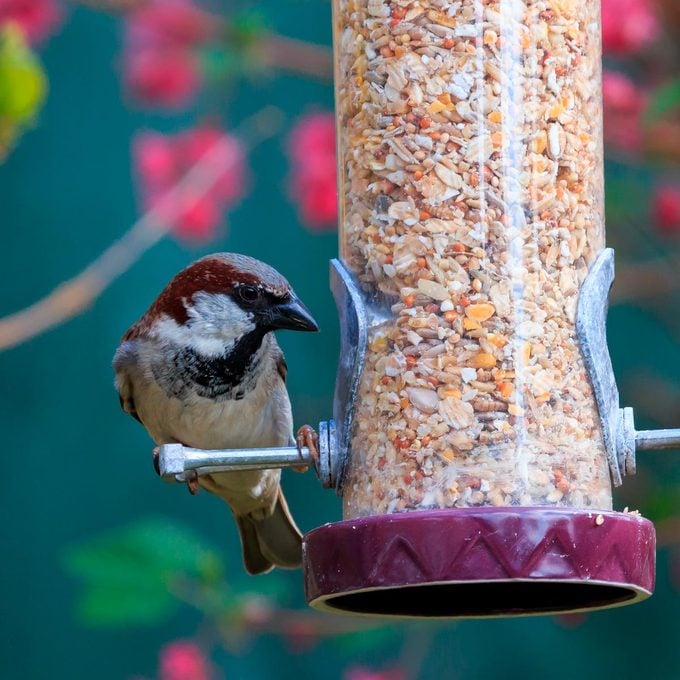
Credit: www.familyhandyman.com
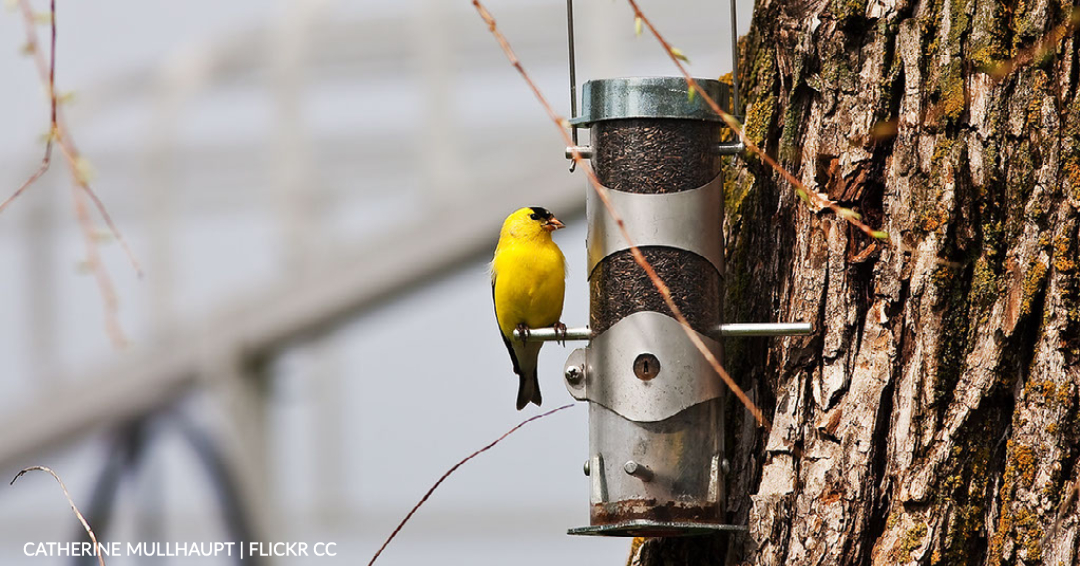
Credit: www.michiganaudubon.org
Frequently Asked Questions
When Is The Best Time To Stop Feeding Wild Birds?
You should stop feeding wild birds in late spring or early summer. By then, natural food sources increase, and birds can forage independently. Continuing to feed past this time may disrupt their natural habits and migration patterns. Monitor local bird activity to decide the right moment.
Can Stopping Feeding Wild Birds Harm Them?
Stopping feeding abruptly rarely harms wild birds. They quickly adapt to finding natural foods like seeds, insects, and berries. Feeding is mainly helpful during harsh winters or food shortages. Ensure gradual reduction to support birds’ transition back to their natural diet and environment.
How Does Season Affect Feeding Wild Birds?
Season significantly impacts feeding wild birds. In winter, food is scarce, so feeding supports survival. In spring and summer, natural food is abundant, reducing the need for feeders. Adjust feeding habits seasonally to promote birds’ health and encourage natural foraging behavior.
Should I Stop Feeding Birds During Migration?
It’s best to reduce feeding as migration approaches. Birds rely on natural food to fuel long journeys. Overfeeding can disrupt migration timing and energy balance. Gradually taper off feeding to encourage birds to prepare naturally for migration.
Conclusion
Feeding wild birds is a rewarding activity. But timing matters. Stop feeding when natural food sources are abundant. Spring and early summer are ideal. Birds find plenty of seeds and insects then. Observe local bird behavior. Notice when they stop visiting your feeders.
This indicates they have enough food. Always ensure clean feeders. Dirty feeders can harm birds. Enjoy watching them flourish. Nature knows best. Trust it to guide you. Happy bird watching!