

You may have seen a mother bird tirelessly feeding her chirping chicks, and it might have sparked a question in your mind: when do mother birds stop feeding their babies? This natural transition is a fascinating aspect of bird life that you might find surprisingly relatable.
Just like watching a child grow, the moment when a bird fledgling takes its first steps towards independence is both heartwarming and intriguing. You’ll discover why and how these tiny creatures are gently nudged to spread their wings and fend for themselves.
By the end of this article, you’ll not only understand the process but also appreciate the delicate balance of nature. Stay with us, and satisfy your curiosity about this captivating world of bird parenting.
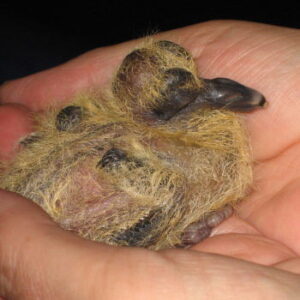
Credit: irishwildlifematters.ie
Feeding Patterns Of Mother Birds
Mother birds follow distinct feeding patterns to nurture their babies. These patterns change as the chicks grow. Understanding these stages helps to know when feeding slows down or stops. Each stage has unique behaviors and feeding needs. The mother bird’s care adapts to the chick’s development.
Early Days After Hatching
In the first few days, chicks are helpless and need constant feeding. Mother birds feed them every 10 to 20 minutes. The food is soft and easy to digest. The mother keeps the chicks warm and protected. She rarely leaves the nest during this stage.
Growth Stages And Feeding Frequency
As chicks grow, their feeding frequency changes. They eat larger amounts but less often. Feeding intervals stretch to 30 minutes or more. Chicks start to open their eyes and move more. The mother encourages them to exercise their wings. Feeding becomes less demanding but still frequent.
Signs Of Reduced Feeding
Reduced feeding means chicks are nearing independence. They may start to peck at food themselves. Mother birds spend more time away from the nest. Chicks begin to explore outside the nest. Feeding trips become fewer and shorter. These signs show the chicks are ready to leave soon.

Credit: swibirds.org
Factors Influencing Feeding Duration
Mother birds stop feeding their babies based on several factors. These factors shape how long the feeding lasts. Understanding them helps explain the variety in bird parenting styles.
Feeding duration depends on the needs of the chicks and the environment. Each bird species has unique habits. The safety of the nest also plays a role. These elements work together to decide when the feeding ends.
Species Differences
Different bird species feed their young for different times. Some species feed chicks only a few weeks. Others may feed for several months. The size and growth rate of chicks affect feeding length. Larger chicks often need longer care. Small songbirds typically stop feeding earlier than raptors.
Environmental Conditions
The environment impacts how long mother birds feed their young. Food availability is crucial. When food is scarce, feeding may last longer. In good seasons, chicks grow faster and leave the nest sooner. Weather also matters. Cold or rainy weather can delay chick development. Birds adjust feeding to match these changing conditions.
Predation Risks
Predators influence feeding time. If predators are near, mothers feed chicks quickly. They reduce the time spent at the nest to avoid attention. In safer areas, feeding is more relaxed and can last longer. Some birds even change feeding times to avoid predators. Night feeding is one example. Protecting chicks often means feeding ends only when chicks are ready to survive alone.
Transition To Independence
The transition to independence is a key stage in a baby bird’s life. During this time, mother birds slowly reduce feeding and help their young learn survival skills. This phase prepares the chicks to live on their own outside the nest.
Encouraging Self-feeding
Mother birds begin by offering food near the nest. They drop small pieces and wait for the chicks to pick them up. This helps the young birds practice eating by themselves. Patience is important as chicks may struggle at first.
Learning To Fly And Hunt
Flying is crucial for independence. Mothers often encourage short flights around the nest. Chicks learn to flap their wings and gain strength. Hunting skills come next. Mothers may bring live food to teach catching techniques.
Gradual Weaning Process
The weaning process happens slowly. Mothers feed less often and leave more food for the chicks to find. This reduces dependence on the parent. Over time, chicks rely fully on their own food sources. This marks the end of the feeding period.
Surprising Feeding Behaviors
Mother birds show many surprising feeding behaviors that vary by species. Their care can last longer than expected. Some species feed their young even after they learn to fly. Feeding methods also change depending on the environment and the number of siblings. These behaviors ensure the survival of the chicks in different ways.
Extended Parental Care In Some Species
Some mother birds feed their babies well after fledging. This extended care helps chicks learn to find food. It also protects them from predators. Birds like crows and jays often feed juveniles for weeks. This extra time builds strength and skill in the young birds.
Sibling Rivalry Impact
Sibling rivalry affects how mother birds feed their babies. Older chicks may get more food than younger ones. This competition can lead to unequal feeding. Mothers sometimes feed the strongest chick more to ensure survival. In some cases, siblings push each other away to get food first.
Unusual Feeding Techniques
Mother birds use unique feeding techniques to nourish their chicks. Some regurgitate food directly into the baby’s mouth. Others drop food near the nest for babies to grab. Some species feed their young with insects caught on the wing. These techniques suit different environments and chick needs.
How To Support Baby Birds If Found
Finding a baby bird can be both exciting and worrying. These tiny creatures need care to survive outside their natural environment. Supporting them properly can increase their chances of growing strong and healthy.
Knowing when to help and how to feed baby birds safely is key. This care ensures they get the right nutrition and avoid harm. Sometimes, professional help is the best choice for the bird’s future.
When To Intervene
Not all baby birds need human help. Many young birds leave the nest but still get fed by their parents. Only intervene if the bird is injured, cold, or alone for a long time.
Check if the bird is in danger from pets or traffic. If yes, move it to a safer place nearby. Avoid taking the bird far from where you found it. Parents often return if the baby is close.
Safe Feeding Tips
Do not feed baby birds bread or milk. These foods can harm them. Use soft, small insects or moistened dog food as a temporary meal. Offer food gently with tweezers or a small spoon.
Keep the bird warm using a soft cloth or box with a heat source. Avoid giving water directly to the bird; it can drown easily. Always keep feeding times regular and small.
Contacting Wildlife Experts
Wildlife experts have the knowledge to care for baby birds properly. Contact local animal rescue or wildlife rehabilitation centers quickly. They can give advice or take the bird for proper care.
Provide details about the bird’s size, condition, and location. Early expert help improves the chance of survival and safe release back to nature.
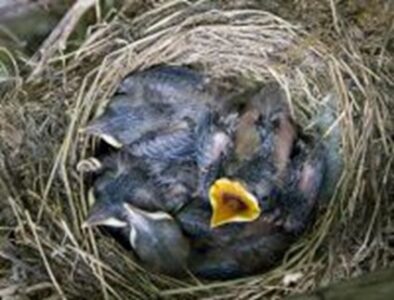
Credit: irishwildlifematters.ie
Frequently Asked Questions
When Do Mother Birds Stop Feeding Their Chicks?
Mother birds usually stop feeding their chicks when they are about 2 to 3 weeks old. At this stage, chicks start eating on their own. Feeding stops gradually as fledglings gain independence and learn to find food by themselves outside the nest.
How Long Do Baby Birds Depend On Their Mother?
Baby birds depend on their mother for food and protection for about 2 to 4 weeks. This period varies by species. During this time, the mother feeds and cares for the chicks until they can survive independently.
What Signals Show Baby Birds Are Ready To Leave Nest?
Baby birds show readiness to leave the nest by growing feathers and practicing flying. They become more active and start exploring outside the nest. When chicks can feed themselves and fly well, mother birds stop feeding them.
Do All Bird Species Feed Babies The Same Way?
No, feeding habits vary among bird species. Some feed regurgitated food, while others bring insects or seeds. However, all mother birds feed their babies until they can eat and survive independently.
Conclusion
Mother birds feed their babies until they can eat on their own. This usually happens a few weeks after hatching. Baby birds learn to fly and find food by watching their parents. Once they become independent, feeding stops. Each bird species has its own timing for this process.
Watching this natural cycle helps us understand bird behavior better. Nature’s way of teaching independence is slow and patient. Caring parents support their young until they are ready to leave the nest. This process ensures the babies survive and thrive in the wild.