

Are you looking to bring a little joy to your garden? A pine cone bird feeder might be just what you need.
It’s an easy project that lets you connect with nature and invites colorful birds to visit your backyard. But when is the best time to make one? Timing is everything, especially when you want to attract a variety of birds.
Imagine watching vibrant feathers flitting around as you sip your morning coffee or enjoying a peaceful afternoon with the chirping melodies of your feathered friends. Creating a pine cone bird feeder not only enhances your outdoor space but also enriches your daily life with a touch of nature. Stick around to discover the perfect moments to dive into this delightful DIY project and watch your garden come alive.

Credit: playofthewild.com
Best Seasons For Pine Cone Bird Feeders
Choosing the right season to make your pine cone bird feeder can enhance its effectiveness and the joy you get from watching visiting birds. Each season offers unique opportunities and challenges for feeding birds, affecting how you prepare and place your feeder. Understanding these seasonal nuances helps you attract more birds and keeps your feeder fresh and inviting.
Why Fall Is Ideal
Fall brings cooler temperatures and shorter days, which means birds start searching for extra food to build energy reserves. This makes it the perfect time to introduce your pine cone feeder filled with seeds and peanut butter. The natural pine cones you find during fall are often fresh and plentiful, making the crafting process easier and more enjoyable.
Have you noticed how birds become more active in the fall? Providing a feeder now supports their survival and encourages repeat visits. Plus, fall colors create a beautiful backdrop for your feeder, adding charm to your garden.
Winter Benefits
Winter is a critical season for many birds as natural food sources become scarce. Your pine cone bird feeder can serve as a vital food supply during freezing temperatures. The sticky peanut butter and seeds stay fresh longer when temperatures are low, making your feeder a reliable feeding spot.
Setting up feeders early in winter can help birds conserve energy and survive harsh conditions. If you enjoy watching birds up close, winter offers a unique chance to see species that are harder to spot in other seasons. Does the thought of feeding hungry birds during winter motivate you to get crafting?
Spring And Summer Considerations
Spring and summer bring more natural food sources like insects and berries, so birds may rely less on feeders. However, offering a pine cone feeder can still attract young birds learning to find food or species that prefer seeds. It’s also a fun way to engage kids in nature activities during warmer months.
Keep in mind that warmer weather can cause the peanut butter and seeds to spoil faster, so you’ll need to refresh the feeder more often. Would you consider using feeders as an educational tool for your family during these seasons? It’s a great way to connect with nature while supporting local wildlife.
Signs It’s Time To Start
Knowing the right time to make a pine cone bird feeder helps attract birds effectively. Nature gives clear signals when birds need extra food. Watching these signs ensures your feeder will be used often and brings joy to your garden.
Bird Activity Levels
Birds become more active when natural food sources shrink. Notice if birds visit your yard less often or seem restless. Increased bird calls or flocks gathering nearby also show they search for food. These signs mean birds may benefit from your feeder.
Availability Of Natural Food
Check the ground and trees for seeds, berries, or insects. A lack of these means less food for birds. Pine cones, acorns, and dried leaves falling early can signal food scarcity. When natural food runs low, birds need help to stay strong.
Weather Conditions
Cold, wet, or windy weather makes it hard for birds to find food. Frost or snow covering plants stops birds from eating naturally. Long spells of bad weather increase bird hunger. Offering food during these times supports their survival and keeps them close.
Preparing Pine Cones For Feeding
Preparing pine cones for feeding is a crucial step to ensure your bird feeder attracts the right visitors and stays clean. Taking time to properly clean, select, and assemble your pine cone feeder can make a huge difference in how effective and safe it is for the birds. Let’s dive into what you need to do before hanging your feeder outside.
Cleaning And Selecting Pine Cones
Start by choosing fresh, open pine cones that have fully spread scales. Avoid cones that are closed tight or show signs of mold or damage.
Cleaning your pine cones is important to remove dirt, bugs, and sap. Soak them in a mixture of warm water and vinegar for about 20 minutes, then rinse thoroughly and let them dry completely.
Have you noticed how some cones attract more birds than others? That’s often because clean, well-chosen cones hold food better and don’t repel birds with unwanted odors or pests.
Choosing The Right Bird Food
Not all bird food works well on pine cones. You want to pick seeds that stick easily and appeal to the birds in your area.
- Peanut butter or suet works great as a sticky base to hold seeds in place.
- Sunflower seeds attract a wide variety of birds and are easy to press into pine cone scales.
- Mix in some millet or cracked corn to attract smaller birds.
Think about what birds visit your garden. Are they finches, chickadees, or woodpeckers? Tailoring your seed mix to local species increases the chances that your feeder will be a hit.
Assembling The Feeder
Once your pine cone is clean and dry, spread a generous layer of peanut butter or suet over the scales. Use a butter knife or your fingers to press it well into the crevices.
Next, roll the pine cone in your chosen bird seed mixture until it is fully coated. Press the seeds gently to make sure they stick firmly.
Finally, tie a sturdy string or twine around the top of the pine cone for hanging. Choose a spot that’s visible but safe from predators, and watch as your feathered friends discover their new snack.
Placing Your Pine Cone Feeder
Placing your pine cone bird feeder correctly makes all the difference in attracting birds and keeping them safe. Where you hang it can affect how often birds visit and how secure they feel while feeding. Think about the environment around the feeder and how it fits with the birds’ natural habits.
Ideal Locations
Choose spots that offer birds easy access to food and shelter. Near bushes or trees is perfect because birds can quickly hide if they sense danger.
A quiet corner of your yard away from heavy foot traffic will encourage shy species to visit. Avoid placing feeders too close to windows to prevent birds from flying into glass.
Safety From Predators
Keep your feeder out of reach from cats and other predators by hanging it at least 5 feet off the ground. Use smooth, slippery poles if you need to mount it on a stand.
Make sure there are no nearby branches or fences that predators can use as a launching pad. You want to give birds a safe spot where they can feed without feeling threatened.
Visibility For Birds
Birds need to see the feeder clearly to find it easily. Place it where it stands out against the background but also blends with natural surroundings to keep it inviting.
Bright colors can attract some birds, but natural settings often work best. Ask yourself: Can birds spot your feeder from a distance and feel confident enough to land?
Maintaining Your Feeder
Maintaining your pine cone bird feeder keeps birds safe and happy. Clean feeders stop mold and bacteria growth. Fresh food attracts more birds and helps them stay healthy. Watching bird visits shows which seeds they like best. Regular care makes your feeder last longer and stay inviting.
Regular Cleaning
Clean the feeder every two weeks. Use warm water and mild soap. Rinse well to remove all soap traces. Let it dry completely before refilling. Avoid harsh chemicals that can harm birds. Clean feeders prevent disease and keep birds safe.
Refilling Tips
Refill the feeder when food looks low. Use fresh seeds or peanut butter. Avoid moldy or old food. Place food evenly on the pine cone. Keep the feeder full during cold months. This helps birds find food easily.
Monitoring Bird Visits
Watch which birds come often. Note what seeds they prefer. Adjust the food mix based on their choices. Keep a journal to track visits and changes. This helps you provide better food for local birds.

Credit: cooknwithmrsg.com
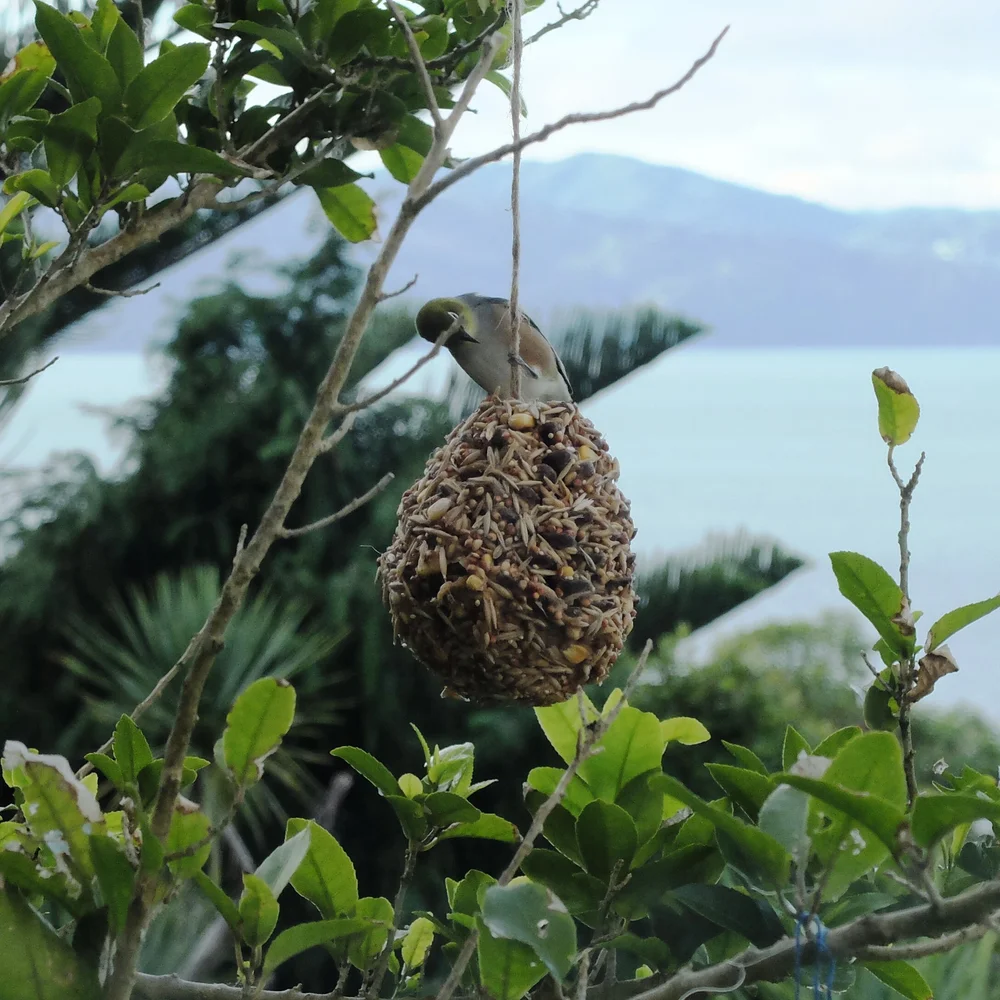
Credit: www.upstartmag.co.nz
Frequently Asked Questions
When Is The Best Time To Make A Pine Cone Bird Feeder?
The best time to make a pine cone bird feeder is in late fall or early winter. Birds need extra food during colder months. Pine cones are abundant then, making it an ideal season for crafting feeders.
How Long Does A Pine Cone Bird Feeder Last?
A pine cone bird feeder typically lasts through the winter months. Its durability depends on weather conditions and the type of seed used. Regularly refilling the feeder helps maintain its usefulness for birds.
Can You Make A Pine Cone Bird Feeder Year-round?
Yes, you can make pine cone bird feeders year-round. However, they are most beneficial in colder months when natural food is scarce. In warmer seasons, feeders attract different bird species and provide supplemental food.
What Materials Are Needed For Pine Cone Bird Feeders?
You need pine cones, peanut butter or suet, birdseed, and string or twine. These simple materials make it easy to create a natural, eco-friendly bird feeder that attracts various bird species.
Conclusion
Making a pine cone bird feeder is best during mild weather. Early spring or fall works well to attract birds. Choose a day when it is dry and calm. This helps the seeds stay fresh and feeders last longer. Watching birds enjoy your feeder brings joy and peace.
It also supports local wildlife in your area. Start simple, and enjoy nature right outside your window. Small efforts make a big difference for birds. Try it soon and see the happy visitors!