
Are you wondering when it’s time to stop feeding those delightful hummingbirds that dart around your garden? As the seasons change, you might find yourself questioning the best moment to take down those feeders.
If you want to ensure these tiny wonders are well cared for, understanding their migration patterns and feeding needs is crucial. We’ll unravel the mystery behind the timing and give you clear guidelines. Stick around to discover how you can make a positive impact on these beautiful creatures, ensuring they thrive and return to brighten your days year after year.
Don’t miss out on learning the secrets that every bird lover should know!
Credit: fwrnews.com
Hummingbird Feeding Basics
Feeding hummingbirds is a simple way to invite these tiny birds to your yard. It helps support them, especially when natural food is scarce. Knowing the basics of hummingbird feeding makes the experience more rewarding and safe for the birds. Understanding why to feed, what feeders to use, and how to prepare nectar ensures you do it right.
Why Feed Hummingbirds
Hummingbirds need energy to fly and survive. They eat nectar from flowers but may struggle when flowers are few. Feeding them helps during early spring and late fall. It also aids young birds learning to find food. Feeding creates a closer connection with nature. Watching hummingbirds up close brings joy and calm.
Types Of Feeders
- Tube Feeders:Simple tubes with feeding ports. Easy to clean and fill.
- Dish Feeders:Shallow dishes that mimic flowers. Attract multiple birds.
- Window Feeders:Attach to glass. Great for watching birds closely.
- Red Feeders:Red parts attract hummingbirds. Avoid painted feeders to keep birds safe.
Choose feeders that are easy to clean. Dirty feeders can harm hummingbirds.
Suitable Nectar Recipes
Make nectar with simple ingredients. Use four parts water to one part white granulated sugar. Boil the water first, then add sugar. Stir until sugar dissolves. Let it cool before filling feeders. Avoid honey, artificial sweeteners, or red dye. These can harm birds or encourage mold growth.

Credit: www.birdwatchingdaily.com
Seasonal Feeding Patterns
Understanding the seasonal feeding patterns of hummingbirds helps you decide the best times to keep your feeders out. These tiny birds have different needs as the year changes, and your feeding schedule can support their natural habits. Let’s look closely at what happens during spring, summer, and fall to help you plan your hummingbird care.
Spring Arrival
When hummingbirds return from migration, they are eager to regain energy. Your feeder becomes a vital food source alongside blooming flowers. Keep your feeder filled consistently during this period, as the birds are establishing territories and mating.
Did you know that some hummingbirds arrive earlier than others? Watching for their arrival can be rewarding and ensures you don’t miss the chance to welcome them. This is the perfect time to clean your feeder regularly to prevent mold and bacteria.
Summer Activity
Summer is hummingbird prime time. They are busy feeding, nesting, and raising their young. Your feeder can supplement their diet, especially on hot or rainy days when nectar from flowers might be scarce.
Consider placing multiple feeders in shaded spots to keep the nectar fresh longer. You might notice increased activity around your yard; this is a good sign your feeder is making a difference. Have you observed how hummingbirds sometimes guard feeders? It’s a natural behavior to protect their food source.
Fall Preparation
As fall approaches, hummingbirds start preparing for migration. Their feeding needs shift as they build fat reserves for the long journey ahead. Keep your feeder filled until you see a clear drop in visits for several days.
Some people stop feeding too early, which can leave hummingbirds underprepared. Others leave feeders out too late, which might attract unwanted pests. Pay attention to the birds’ behavior and local migration reports to time your feeder removal wisely.
Signs To Stop Feeding
Knowing when to stop feeding hummingbirds is just as important as knowing when to start. It helps maintain their natural habits and supports their survival in the wild. Recognizing clear signs can guide you to make the right decision and ensure you’re helping, not harming, these tiny creatures.
Natural Food Availability
One key sign is the abundance of natural food sources. When flowers bloom fully in your area, hummingbirds have plenty of nectar to feed on. You might notice more activity around flowers and fewer visits to your feeders, indicating they’re relying less on artificial food.
Look for vibrant blooms of native plants like trumpet vine, bee balm, or columbine. These provide the natural sugars hummingbirds crave. If you see them feeding heavily on flowers instead of your feeder, it’s a good moment to reduce or stop feeding.
Migration Indicators
Hummingbirds are migratory, so their presence in your area is seasonal. When you observe fewer hummingbirds or none at all, it often means they have started their migration south. This is a clear sign to stop feeding.
Pay attention to local birdwatching reports or apps to track hummingbird movements. If you notice a drop in their visits over several days, consider removing feeders to avoid attracting other wildlife or pests unnecessarily.
Local Climate Effects
Weather plays a big role in hummingbird feeding habits. Cooler temperatures and shorter daylight hours signal the end of their feeding season. When nights start to get chilly, hummingbirds naturally reduce their activity and food intake.
If your area experiences an early frost or consistent cold snaps, it’s best to take down feeders. These conditions encourage hummingbirds to prepare for migration or to enter a state that requires less energy, meaning your feeder won’t be needed.
Regional Differences
Feeding hummingbirds varies widely by region. Climate and local conditions affect when to stop providing nectar. Knowing these differences helps keep hummingbirds healthy and safe.
Feeding In Northern Areas
Colder northern regions have shorter hummingbird seasons. Most hummingbirds leave by early fall. Feeding should stop by late September or early October. Leaving feeders out too long can attract pests and cause mold growth. Watch local bird reports for last sightings.
Feeding In Southern Regions
Southern regions enjoy warmer weather longer. Some hummingbirds stay year-round or migrate later. Feeders can stay up until late November or even December. Clean feeders regularly to prevent bacteria. Observe the birds’ activity to decide when to stop.
Urban Vs Rural Feeding
Urban areas may keep hummingbirds longer due to warm microclimates. Buildings and heat can extend their stay. Rural areas follow natural seasonal patterns more closely. Urban feeders might need more frequent cleaning. Rural feeders often stop earlier as birds migrate faster.
Maintaining Feeders Safely
Keeping your hummingbird feeders safe is key to supporting these tiny visitors without causing harm. Dirty or poorly maintained feeders can become breeding grounds for mold, bacteria, and pests, which can make hummingbirds sick. You want to enjoy watching these birds, but also protect their health by maintaining a clean and safe feeding environment.
Cleaning Frequency
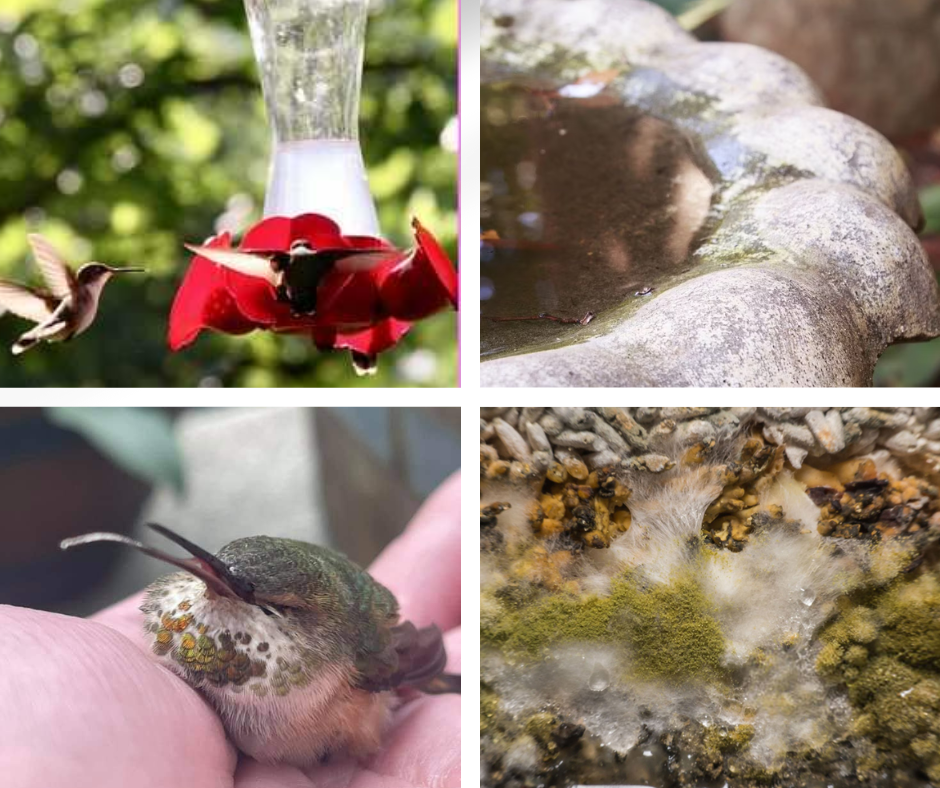
Clean your hummingbird feeders at least once a week, and more often in hot weather. Heat speeds up fermentation and mold growth, which can be harmful to birds. If you notice any cloudiness or black spots in the nectar, clean the feeder immediately.
Use warm water and a mild soap, then rinse thoroughly to remove all soap residue. Avoid harsh chemicals that could leave harmful traces. Regular cleaning keeps nectar fresh and inviting, encouraging hummingbirds to visit safely.
Preventing Mold And Bacteria
Mold grows quickly in sugary nectar, so change it every 2-3 days during warm weather. Don’t let old nectar sit in the feeder—it can turn toxic. Keep feeders in shaded areas to slow down spoilage and reduce the risk of mold.
Inspect feeders carefully for cracks or damaged parts where bacteria can hide. Replace any worn-out feeders to ensure a clean feeding surface. Have you ever seen a hummingbird avoid a feeder? It might be picking up on something you can’t see.
Avoiding Ants And Insects
Ants and other insects are attracted to hummingbird nectar and can contaminate it. Use ant moats or place feeders on poles with ant guards to keep unwanted visitors away. You can also clean the outside of the feeder regularly to remove sticky nectar spills that attract bugs.
Try hanging feeders away from other plants that attract insects, or use natural deterrents like cinnamon around the base. Watching hummingbirds feed without interruptions from ants makes the experience much more enjoyable for you and safer for the birds.
Impact Of Feeding On Hummingbird Health
Feeding hummingbirds can greatly affect their health. It provides extra energy during tough seasons. Yet, improper feeding can cause harm. Understanding the balance helps keep hummingbirds safe and strong.
Benefits Of Supplemental Feeding
Supplemental feeding supports hummingbirds when natural nectar is low. It helps during cold weather and migration periods. Feeders offer a reliable food source that boosts energy. This extra food aids in reproduction and feather growth. Well-fed hummingbirds stay active and healthy.
Risks Of Overfeeding
Overfeeding can cause health problems for hummingbirds. Too much sugar water can lead to malnutrition. It may attract pests and harmful mold to feeders. Birds might become dependent and lose natural foraging skills. Crowded feeders increase the risk of disease spread. Moderation is key to avoid these risks.
Encouraging Natural Foraging
Natural foraging keeps hummingbirds strong and independent. Planting native flowers supports their diet and habitat. Remove feeders gradually as flowers bloom in spring. This shift encourages birds to find nectar naturally. A balanced approach helps hummingbirds thrive year-round.

Credit: www.birdsandblooms.com
Frequently Asked Questions
When Is The Best Time To Stop Feeding Hummingbirds?
Stop feeding hummingbirds when local flowers bloom abundantly. This usually occurs in late summer or early fall. Natural nectar sources provide sufficient food, making feeders unnecessary and encouraging natural foraging habits.
How Do I Know Hummingbirds Have Migrated?
Hummingbirds typically migrate south by late September or early October. When you no longer see them visiting feeders regularly, it’s a sign they’ve left. Ceasing feeding at this time prevents attracting other unwanted wildlife.
Can I Feed Hummingbirds Year-round Safely?
Feeding year-round is not recommended in most regions. Hummingbirds need to migrate to warmer climates in winter. Feeding during migration supports them, but after they leave, feeding can disrupt their natural cycle and local ecosystem.
What Are Signs Hummingbirds Are Done Feeding Here?
Hummingbirds become less frequent at feeders as migration nears. They may visit only briefly or stop altogether. When daily visits drop significantly, it’s time to clean and remove feeders until next spring.
Conclusion
Feeding hummingbirds helps them stay strong during cold months. Stop feeding when flowers bloom and natural nectar grows. This keeps birds healthy and ready to find food alone. Clean feeders often to avoid harm. Watch the birds’ behavior; they show when they need less help.
Enjoy their visits but let nature guide you. Feeding at the right time supports hummingbirds without making them dependent. Careful feeding helps these tiny birds thrive all year.