
Have you ever found a tiny baby bird and wondered when it’s the right time to feed it? Knowing exactly when to step in can make all the difference for that fragile little life.
If you feed too soon or too late, you might unintentionally harm the bird. But don’t worry—this guide will help you understand the signs to watch for and the best moments to offer food. Keep reading, and you’ll learn how to give your feathered friend the care it truly needs.

Credit: www.discovermagazine.com
Signs Baby Birds Need Feeding
Knowing when baby birds need feeding is crucial for their survival and healthy growth. They can’t tell you with words, but their actions speak volumes. Watching for clear signs helps you respond promptly and avoid overfeeding or neglect.
Hunger Cues To Watch For
Baby birds open their mouths wide and chirp loudly when they’re hungry. You might notice them stretching their necks upward, especially when you approach. Sometimes, their beaks will even snap at anything that moves nearby.
I remember feeding a tiny finch who kept fluttering her wings and begging persistently—those were clear signals she was starving. Pay attention to these behaviors rather than just fixed schedules. They tell you exactly when your baby bird needs food.
- Open mouth wide and chirp
- Stretching neck upward eagerly
- Snapping beak at nearby movement
- Restlessness or wing fluttering
Timing Between Feedings
Baby birds have small stomachs and digest food quickly, so they need frequent meals. Typically, feeding every 20 to 30 minutes during daylight hours works well. However, this varies depending on the species and age of the bird.
When I cared for a baby robin, I noticed he calmed down and rested after feeding, which signaled it was time to wait. If the baby bird seems content and quiet, you can pause feeding and watch for new hunger cues. Too frequent feeding can cause health problems, so timing is as important as watching for hunger signs.
| Age of Baby Bird | Feeding Frequency |
|---|---|
| Newborn to 1 week | Every 15-20 minutes |
| 1 to 3 weeks | Every 30 minutes |
| 3 weeks and older | Every 45-60 minutes |
How closely are you watching your baby bird’s behavior? Adjust your feeding schedule based on what you see rather than sticking rigidly to the clock. It’s a balance that makes a big difference in their health.
Preparing The Right Food
Feeding baby birds requires more than just offering food; you need to prepare the right kind of nourishment that supports their growth and health. Their tiny bodies are sensitive, so what you feed them must be carefully chosen and prepared. Understanding which foods are safe and which ingredients to avoid can make all the difference in their survival and development.
Safe Food Options
Baby birds need a diet rich in protein and easy to digest. Soft, finely chopped foods work best because their beaks and digestive systems are still developing.
- Insects:Small insects like mealworms or crickets provide essential protein and mimic what parent birds feed their chicks.
- Boiled eggs:Mashed hard-boiled eggs offer a quick source of protein and fat, perfect for energy and growth.
- Moistened dog or cat kibble:Softened kibble can be a convenient substitute when insects are unavailable, but avoid flavored or medicated types.
- Soft fruits:Small bits of banana or apple add vitamins and hydration but should be given in moderation.
Have you ever noticed how wild parent birds bring a variety of food items to their young? This diversity ensures balanced nutrition, which you should aim to replicate as closely as possible.
Avoiding Harmful Ingredients
Not all human foods are safe for baby birds, and some can be deadly. It’s crucial to know which ingredients to steer clear of to protect these vulnerable creatures.
- Salt and sugar:Even small amounts can disrupt a baby bird’s delicate system and cause dehydration or other health issues.
- Milk and dairy:Birds can’t digest lactose, so avoid milk, cheese, or yogurt entirely.
- Processed foods:Avoid anything with preservatives, spices, or artificial additives that can harm their development.
- Avocado and chocolate:Both contain toxins harmful to birds and must never be fed.
Reflect on what you feed your pets at home—are you certain it’s safe for a baby bird? Their nutritional needs differ greatly, so what’s harmless for one species can be dangerous for another.
Feeding Techniques
Feeding baby birds requires more than just offering food; it demands careful technique to ensure their safety and proper nutrition. Understanding the right tools and positions can make a big difference in their health and growth. Your approach to feeding can also reduce stress for both you and the baby bird.
Proper Feeding Tools
Choosing the right tools helps you feed baby birds gently and effectively. Use small, soft-tipped syringes or specialized feeding spoons designed for hatchlings. Avoid anything sharp or rigid that could harm their delicate mouths.
Containers for mixing formula should be clean and easy to sterilize. A shallow dish can work if the baby bird is starting to eat on its own, but for very young birds, syringes or droppers give you better control over the amount and pace.
- Use a syringe with a soft rubber tip for liquid feeding.
- Spoons with a shallow curve allow gentle delivery of semi-solid food.
- Keep all tools sanitized to avoid infections.
Correct Feeding Position
Holding a baby bird properly during feeding is crucial. Support the bird’s body securely but gently to avoid injury. Keep their head slightly elevated to mimic natural feeding postures and prevent choking.
Never feed a baby bird on its back or too upright; this can cause food to go down the wrong way. Positioning the bird with its head slightly forward encourages swallowing and reduces the risk of aspiration.
- Cradle the bird in your hand with its head tilted upward.
- Use your thumb and forefinger to support the body without squeezing.
- Feed slowly, allowing the bird to swallow before offering more.
Have you noticed how some birds refuse food when held awkwardly? Adjusting the feeding angle can change their entire response. Paying attention to these small details can improve your feeding success dramatically.

Credit: swibirds.org
Frequency And Amount
Feeding baby birds at the right frequency and amount is essential for their healthy growth. Birds need regular meals to maintain their energy and develop properly. Overfeeding or underfeeding can harm their health. Understanding how often and how much to feed depends on their age and size.
Age-based Feeding Schedules
Newborn baby birds require feeding every 15 to 20 minutes from dawn to dusk. As they grow, the feeding intervals lengthen. For example:
- Day 1-7: Feed every 15-20 minutes
- Week 2: Feed every 30 minutes
- Week 3: Feed every 45 minutes to 1 hour
- Week 4 and older: Feed every 1-2 hours
Older nestlings need less frequent feedings but larger meals. This schedule ensures they get enough nutrition without stress.
Adjusting Portions As They Grow
Portions should increase as the baby birds develop. Start with small amounts of soft, easy-to-digest food. Gradually increase the quantity as their hunger grows.
Watch their crop, a small pouch near their neck. It should feel full but not tight. A full crop means they ate enough. Avoid overfilling to prevent discomfort or health issues.
Use this simple guide for portion size:
| Age | Portion Size | Feeding Notes |
|---|---|---|
| Newborn (Day 1-7) | Small drops or a few bites | Feed very frequently |
| 1-2 Weeks | More volume, soft food | Feed every 30 minutes |
| 2-4 Weeks | Larger portions, mixed textures | Feed less often, bigger meals |
Common Mistakes To Avoid
Feeding baby birds might seem straightforward, but many well-meaning caregivers make mistakes that can harm the little ones. Understanding what to avoid is just as important as knowing what to do. Mistakes like overfeeding or offering food at the wrong temperature can cause serious health issues for these fragile creatures.
Overfeeding Risks
It’s tempting to feed baby birds frequently, especially when you want to help them grow fast. However, overfeeding can lead to choking, digestive problems, or obesity. Their tiny stomachs can only hold so much at a time, so giving too much food can cause discomfort and even death.
Ask yourself: are you feeding because the bird is hungry or because you feel anxious? Watch for signs like slower begging or turning away to avoid pushing too much food. Remember, quality and timing matter more than quantity.
Improper Food Temperature
Feeding baby birds food that is too hot or too cold can shock their systems. Cold food slows digestion and can cause internal issues, while hot food can burn their sensitive throats and mouths. A lukewarm temperature close to their natural body heat is safest.
When I first started, I heated formula in the microwave and didn’t check the temperature properly. The baby bird refused to eat and later showed signs of distress. Now, I always test the food on my wrist before feeding to ensure it’s just right.
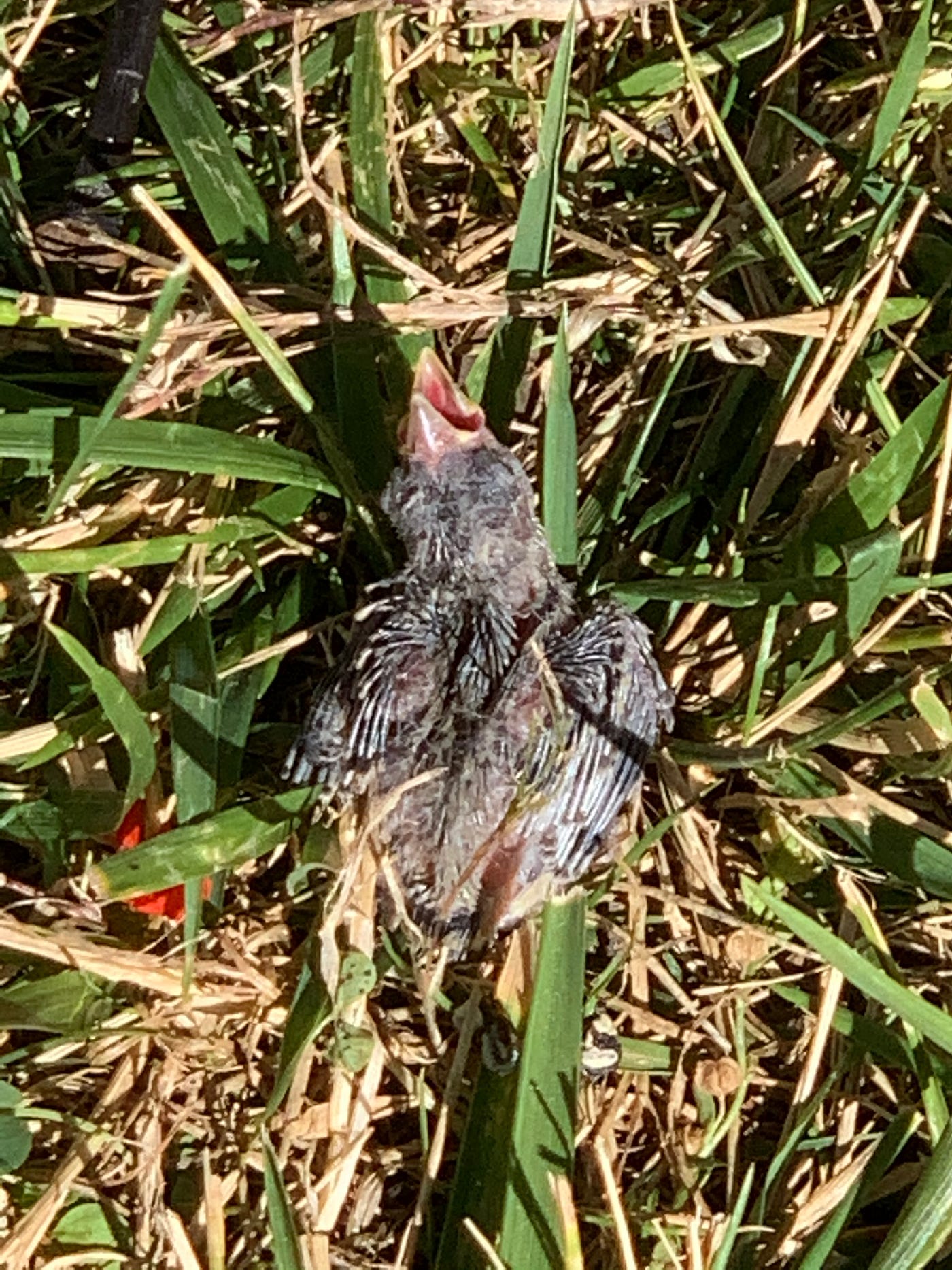
Credit: medium.com
When To Seek Professional Help
Knowing when to seek professional help is vital for a baby bird’s survival. Some situations need expert care beyond regular feeding. Early action can save a bird’s life and prevent suffering. Watch closely for warning signs that show the bird needs urgent attention.
Signs Of Illness
- Weakness or lack of movement
- Fluffed-up feathers for long periods
- Difficulty breathing or noisy breathing
- Visible wounds or bleeding
- Unusual droppings, watery or discolored
- Loss of appetite or refusal to eat
- Swelling in the body or head
- Constant crying or distress sounds
These signs mean the bird may be sick or injured. Immediate care from a wildlife rehabilitator or vet is crucial.
Emergency Situations
- Bird found in a dangerous location, like near roads
- Severe injuries such as broken wings or legs
- Bird is cold and unresponsive
- Bird falls from a great height
- Sudden changes in behavior or consciousness
These emergencies require quick professional intervention. Handling without proper knowledge can cause more harm. Contact a wildlife expert or animal rescue center immediately to ensure safety.
Frequently Asked Questions
When Is The Best Time To Feed Baby Birds?
Feed baby birds when they open their mouths wide and chirp. This shows they are hungry and ready to eat. Usually, feeding starts shortly after hatching and continues until they can eat on their own.
How Often Should Baby Birds Be Fed Daily?
Baby birds need feeding every 15 to 30 minutes during daylight hours. This frequent feeding supports their rapid growth and development. As they grow, the feeding intervals gradually lengthen.
What Signs Show Baby Birds Are Hungry?
Hungry baby birds open their mouths wide, chirp loudly, and stretch their necks. These behaviors signal they need food immediately. Recognizing these signs helps ensure timely and proper feeding.
Can I Feed Baby Birds Human Food?
Avoid feeding baby birds human food, as it lacks proper nutrients. Instead, use specialized bird formulas or natural foods suitable for their species. Proper nutrition is critical for healthy growth and survival.
Conclusion
Feeding baby birds requires careful attention. Timing is crucial for their growth. Always observe their behavior and hunger cues. Young birds eat frequently, needing nourishment every few hours. Offer suitable food for their species and age. Ensure the food is fresh and appropriate in size.
Avoid overfeeding, as it can harm them. A balanced approach helps them grow strong and healthy. Always seek expert advice if unsure. Safeguard their well-being with informed decisions. Proper care leads to thriving birds. Your actions matter in their development journey.
Provide the best support for these little creatures. They depend on your care.