

Are you a garden enthusiast who loves to watch birds fluttering around your backyard? Feeding garden birds can be a delightful and rewarding experience, but timing is everything!
Knowing when to feed them can make a significant difference in their health and vitality. Imagine your garden transforming into a lively haven, teeming with chirps and songs, simply by understanding the right feeding times. This knowledge not only helps the birds but also enhances your garden’s natural beauty.
Curious to find out how you can make your garden a bird paradise all year round? Keep reading to discover the secrets of perfect timing in feeding your feathered friends!

Credit: dengarden.com
Seasonal Feeding Needs
Feeding garden birds changes with the seasons. Different times of the year bring varied needs for energy and nutrition. Birds rely on us most during harsh conditions. Knowing when to feed helps birds survive and thrive all year round.
Feeding In Winter
Winter is the toughest season for birds. Natural food is scarce and energy demands are high. Provide high-fat foods like suet, peanuts, and sunflower seeds. These help birds keep warm and active. Fresh water is also important since ponds may freeze.
Springtime Nutrition
Spring brings new life and busy birds. They need protein for growing chicks. Offer mealworms, insects, and soft fruits. This supports healthy growth and strong feathers. Reduce high-fat foods as natural seeds become more available.
Summer Feeding Tips
Summer is a time of plenty but fresh water is crucial. Birds drink more to stay cool. Provide clean water daily for drinking and bathing. Offer chopped fruits and berries to help with hydration. Avoid moldy or stale food in warm weather.
Autumn Preparations
Autumn is a time to help birds prepare for winter. Increase high-energy foods like seeds and nuts. This helps birds build fat reserves. Keep feeders clean and stocked. Birds start storing energy for colder months ahead.
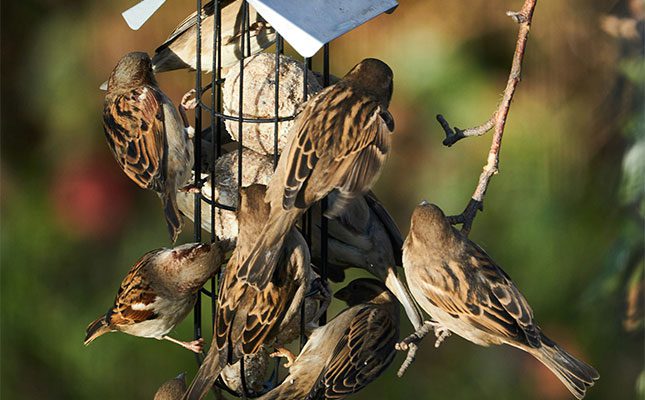
Credit: www.farmersweekly.co.za
Best Foods For Garden Birds
Feeding garden birds helps them stay healthy and active. Providing the right foods encourages more birds to visit. Different birds prefer different types of food. Offering a variety of options meets their needs well. Understanding the best foods supports bird wellbeing all year round.
Seeds And Grains
Seeds and grains form a key part of many birds’ diets. Black sunflower seeds attract finches and sparrows. Millet is popular with ground-feeders like doves. Mixed seed blends offer variety for different species. Avoid seeds with fillers that birds do not eat.
Fruits And Nuts
Many birds enjoy fresh fruits and nuts. Apples, pears, and berries provide natural sugars and vitamins. Unsalted peanuts and almonds offer protein and fats. Chop larger nuts to make them easier to eat. Avoid moldy or spoiled fruits that can harm birds.
Insects And Mealworms
Insects supply essential proteins for growing birds. Mealworms are a favorite for robins and blue tits. Live or dried mealworms both work well. Offer insects in small amounts during breeding seasons. Avoid using insects treated with chemicals or pesticides.
Avoiding Harmful Foods
Some foods can be dangerous for garden birds. Bread lacks nutrients and can cause health issues. Salted or seasoned foods upset their digestion. Avoid chocolate, avocado, and caffeine as these are toxic. Always provide clean, fresh water alongside food.
Feeding Frequency
Feeding frequency plays a key role in keeping garden birds healthy and active. Birds rely on a steady food supply, especially during cold or harsh weather. Finding the right balance helps attract different bird species and supports their natural habits. Understanding how often to offer food makes feeding more effective and enjoyable for both you and the birds.
Daily Vs. Occasional Feeding
Daily feeding provides a constant food source, which is important in winter. Birds need extra energy to stay warm during cold days. Occasional feeding works well in warmer months when natural food is plentiful. Regular daily feeding builds trust with birds, encouraging them to visit often. Occasional feeding may attract fewer birds but still offers needed support.
Adjusting For Bird Activity
Bird activity changes with seasons and weather conditions. Birds eat more in colder weather and less during mild days. Increase feeding during migration periods when birds pass through your area. Decrease food supply if birds are not visiting as much. Watching bird activity helps decide how much and how often to feed.
Monitoring Food Consumption
Keep track of how much food birds eat each day. If food disappears quickly, increase the amount or feeding frequency. Leftover food can attract pests or spoil. Use fresh food and clean feeders regularly. Monitoring consumption ensures birds get enough nourishment without waste.
Feeder Types And Placement
Choosing the right feeder and placing it correctly helps attract more garden birds. Different feeders suit different bird types and foods. Placement affects bird safety and feeding success. Clean feeding areas reduce disease risk and keep birds healthy.
Choosing The Right Feeder
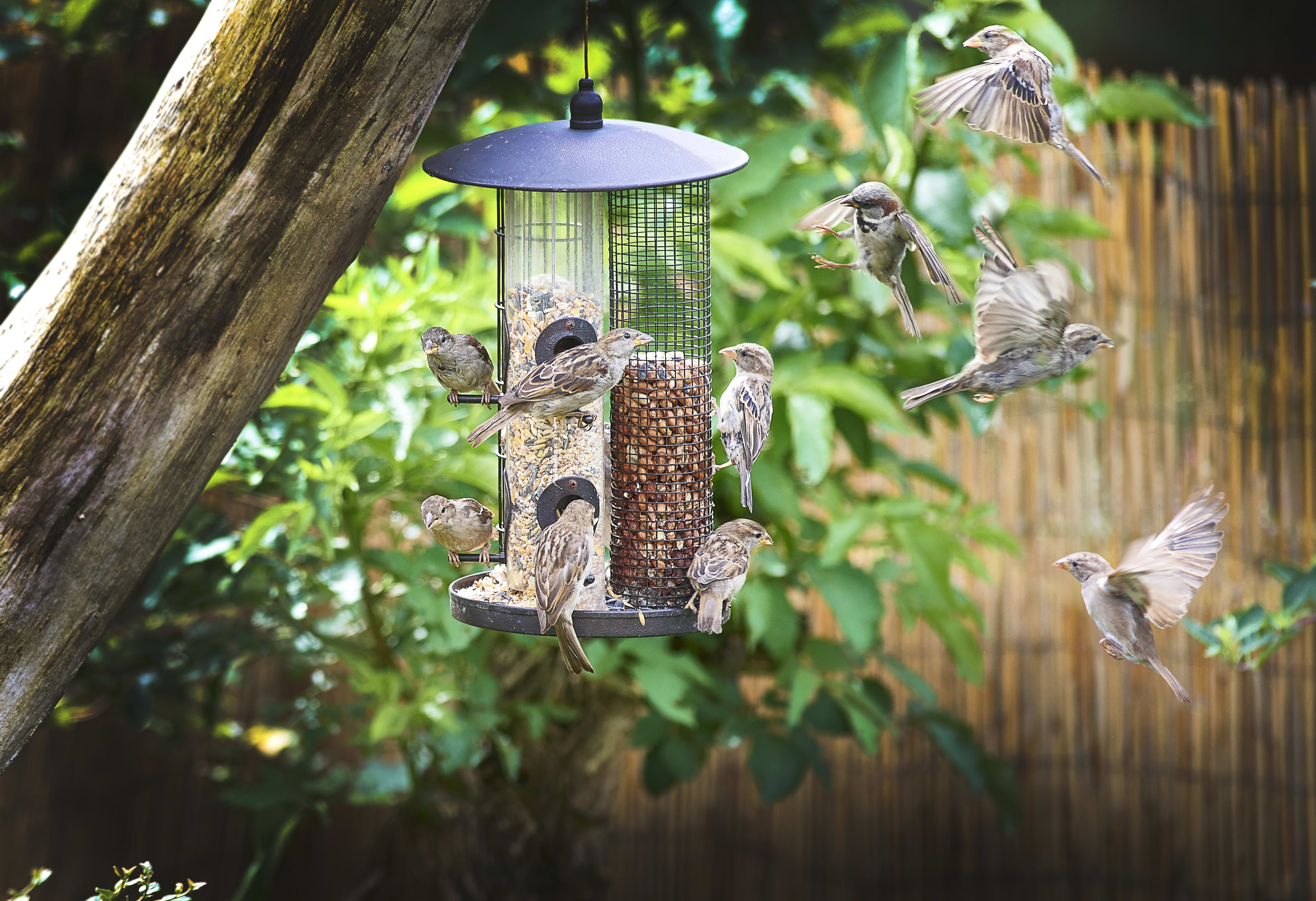
Select feeders based on the food you offer. Tube feeders hold seeds and attract small birds. Tray feeders work well for mixed seeds and ground feeders. Suet feeders are great for insect-eating birds. Use nectar feeders for hummingbirds or orioles. Choose feeders made of durable, weather-resistant materials.
Safe And Accessible Locations
Place feeders near shrubs or trees for quick cover. Keep feeders away from windows to prevent bird collisions. Avoid spots near predators like cats. Mount feeders at least 5 feet off the ground. Ensure easy access for birds but hard access for pests. Choose spots visible from indoors for easy watching.
Maintaining Clean Feeding Areas
Clean feeders regularly to avoid mold and bacteria. Use warm water and mild soap for cleaning. Rinse thoroughly before refilling with fresh food. Remove old or wet food daily. Clear fallen seeds and droppings below feeders. Keep water sources clean and fresh near feeding spots.
Signs Birds Need Feeding
Knowing the signs that birds need feeding helps support their survival. Birds rely on natural food sources that change with seasons and weather. Spotting these signs lets you offer food at the right time. This helps birds stay healthy and active.
Weather Indicators
Cold weather makes food harder to find for birds. Snow and frost cover seeds and insects. Rainy days reduce flying and foraging time. Birds need extra energy to keep warm. Sudden drops in temperature signal a feeding need. Harsh weather means natural food is scarce.
Behavioral Clues
Birds act differently when they need food. They gather in large groups near feeders or gardens. You may see birds searching ground or bushes more often. Some birds become noisier, calling for food. Frequent visits to feeders show hunger. Restless flying or chasing others hints at food shortage.
Population Changes
More birds in your area can mean less natural food. Migrating birds add to local numbers in colder months. Young birds need more food to grow strong. Watch for new bird species visiting your garden. Increased bird activity is a sign they need feeding help.
Avoiding Common Feeding Mistakes
Feeding garden birds can be rewarding and fun. Mistakes during feeding can harm birds or the garden. Avoiding common errors helps keep birds healthy and happy. It also protects your garden from unwanted problems. Simple care and attention make a big difference.
Overfeeding Concerns
Too much food can cause birds to depend on feeders. Natural foraging skills may weaken. Overfeeding leads to leftover food, attracting pests and rodents. It can also cause obesity in birds. Feed in moderation and clean feeders regularly to prevent problems.
Preventing Disease Spread
Dirty feeders spread diseases quickly among birds. Clean feeders at least once a week with hot water and mild soap. Avoid overcrowding by spacing feeders apart. Remove moldy or wet food immediately. Healthy birds need a clean and safe feeding space.
Dealing With Pests
Pests like rats, squirrels, and insects often come for bird food. Use squirrel-proof feeders or place feeders in tricky spots. Avoid spilling food on the ground. Clear fallen seeds daily to stop pests from gathering. Protect birds and your garden from unwanted visitors.
Credit: dengarden.com
Frequently Asked Questions
When Is The Best Time To Feed Garden Birds?
The best time to feed garden birds is during late autumn to early spring. This period covers colder months when natural food is scarce. Feeding them helps birds survive harsh weather and maintain energy for nesting and migration.
Should I Feed Birds Year-round Or Seasonally?
Feeding birds seasonally is ideal, mainly from autumn to early spring. In warmer months, natural food is abundant. Year-round feeding can make birds dependent and disrupt their natural foraging behavior.
What Types Of Food Should I Offer Garden Birds?
Offer high-energy seeds like sunflower, peanuts, and suet in winter. Fresh fruits and mealworms are great in warmer months. Avoid bread, as it lacks nutrients and can harm birds.
How Often Should I Refill Bird Feeders?
Refill bird feeders every 2-3 days, especially in cold weather. Keep food fresh to prevent mold and bacteria. Regular refilling ensures birds have a reliable food source.
Conclusion
Feeding garden birds at the right time helps them stay healthy. Offer food during cold months and early spring. Birds need extra energy when natural food is scarce. Avoid feeding in warm seasons to keep them safe. Clean feeders often to stop diseases.
Watch birds enjoy your care. Simple actions bring nature closer to home. Keep feeding habits consistent for best results. Your garden becomes a bird-friendly space. Helping birds feels rewarding and fun.