

Are you wondering when to stop feeding birds in spring UK? You might think feeding them all year round is best, but timing really matters for their health and safety.
If you keep feeding too late into spring, it can actually harm the birds you want to help. You’ll discover the right moment to stop feeding and why it makes a big difference. Keep reading to learn how you can support your feathered friends the smart way this season.
Bird Feeding Basics
Feeding birds is a simple way to enjoy nature right outside your window. It helps birds find food, especially when natural sources are scarce. Understanding the basics of bird feeding supports both the birds and your garden’s wildlife. Knowing what to feed and why it matters can make a big difference.
Why Feed Birds
Birds need extra food during cold months and early spring. Natural foods like insects and seeds can be limited at times. Feeding birds helps them survive harsh weather and raises their chance to breed. It also attracts a variety of birds to your garden. Watching these visitors can bring joy and relaxation.
Common Bird Food Types
Different birds prefer different foods. Offering a mix will attract more species. Here are popular types:
- Seeds – sunflower, niger, and millet are favorites.
- Fat balls – provide energy, especially in cold weather.
- Peanuts – a rich source of protein for many birds.
- Suet – high in fat, great for insect-eating birds.
- Fruit – apples, berries, and raisins attract thrushes and blackbirds.
Seasonal Changes Affecting Birds
Spring brings notable changes in the lives of UK birds. Warmer weather influences their habits and food sources. Understanding these shifts helps determine when to stop feeding birds in spring.
Spring Bird Behavior
As days grow longer, birds become more active. They start building nests and seeking mates. This time is crucial for their reproductive success. Increased daylight triggers hormonal changes. Birds become more territorial and vocal. Their songs fill the air as they establish breeding grounds. Observing these behaviors indicates the arrival of spring.
Natural Food Availability
Spring sees a rise in natural food sources for birds. Insects become more plentiful, emerging from winter slumber. Plants bloom, providing seeds and nectar. This abundance reduces reliance on bird feeders. It signals a shift in feeding habits. Birds forage more in nature, seeking varied diets. These changes suggest it’s time to reduce supplemental feeding. Encouraging natural foraging helps birds maintain balanced nutrition.
Signs To Stop Feeding Birds
Knowing the right time to stop feeding birds in spring is important. Birds begin to find natural food sources as the weather warms. Watching their behaviour helps decide when to remove feeders. Here are two clear signs to look for.
Increased Natural Foraging
Birds start eating more insects, seeds, and berries outside. You may see them searching on trees, bushes, and the ground. This shows they rely less on feeders. Natural food gives birds better nutrition during breeding season.
Listen for more bird songs too. It means they are active and healthy. When natural foraging increases, it is time to reduce feeding gradually.
Reduced Bird Visits To Feeders
Birds visit feeders less often in spring. They spend more time exploring their environment. Notice fewer birds on your feeder each day. This drop in visits signals they no longer need extra food.
Keep watching for a week or two. If visits stay low, you can stop feeding. Removing feeders too early can leave young birds hungry. Watch for these signs to help birds adjust smoothly.

Credit: www.arkwildlife.co.uk
Risks Of Feeding Birds Too Long
Feeding birds beyond the ideal time in spring can cause problems. Birds may rely too much on human-provided food. This reliance can harm their natural habits. Also, long feeding periods can bring health risks. Understanding these risks helps protect wild birds and nature.
Dependency Issues
Birds may stop searching for natural food sources. They might depend only on feeders for survival. This weakens their ability to find food in tough times. Young birds may never learn to forage properly. This can reduce their chances of living independently.
Health Concerns
Feeding birds too long can cause poor nutrition. Human food often lacks the right nutrients. Birds may suffer from obesity or malnutrition. Feeders can also spread diseases among birds. Crowding at feeders increases infection risks. Dirty feeders create breeding grounds for harmful bacteria.
Best Practices For Spring Feeding
Spring is a time of change for garden birds. Their natural food sources begin to grow again. Feeding birds during this season requires care and attention. Following best practices helps birds adjust smoothly to the warmer months. It also keeps them healthy and safe.
Gradual Reduction Tips
Stop feeding birds suddenly in spring. Gradually reduce the food over two to three weeks. This helps birds find natural food without stress. Slowly lower the amount of seed or fat balls you offer. Remove one feeder at a time if you have many. Watch the birds’ behavior. If they still rely on feeders, reduce food more slowly. This gentle approach supports their natural habits.
Maintaining Clean Feeders
Clean feeders often during spring. Warm weather can cause food to spoil quickly. Spoiled food can harm birds’ health. Use hot water and a mild soap to wash feeders. Rinse thoroughly to remove all soap. Dry feeders before refilling with fresh food. Check feeders for mold or old seeds daily. Keeping feeders clean prevents disease and attracts more birds.

Credit: www.arkwildlife.co.uk
Local Uk Considerations
Feeding birds in spring is a common practice across the UK, but local conditions can greatly affect when you should stop. The climate and bird species in your area influence their natural food availability and their need for supplementary feeding. Paying attention to these local details helps you support wildlife responsibly without disrupting their natural habits.
Regional Climate Impact
Spring weather varies widely across the UK, from the milder south to the cooler north and highlands. In southern England, you might notice birds finding enough natural food earlier, so you can reduce feeding sooner. Meanwhile, in Scotland or northern Wales, colder springs mean birds rely on feeders for longer.
Think about how late frost or snow can delay the growth of insects and plants. These are key food sources for many birds. Have you checked recent weather patterns in your region before deciding to stop feeding?
Species-specific Advice
Different birds have different needs as spring arrives. For example, blue tits and great tits often start feeding their chicks on caterpillars, so they need natural food sources more than feeders by mid-spring. On the other hand, blackbirds and robins might still visit feeders for extra energy during breeding season.
Observe which species visit your garden and how their behavior changes. Are they still coming regularly for seeds or suet? Adjust your feeding accordingly to avoid dependency but still provide support when needed.
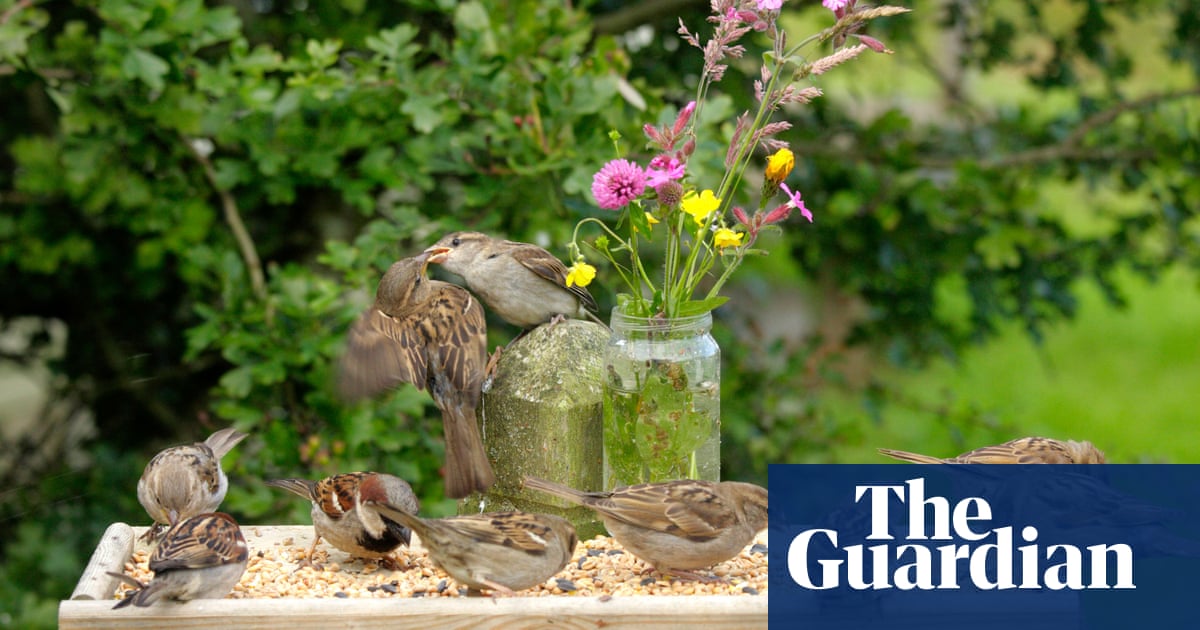
Credit: www.theguardian.com
Frequently Asked Questions
When Should I Stop Feeding Birds In Spring Uk?
You should stop feeding birds in spring when natural food sources increase. This usually happens around late March to early April. Birds become less reliant on feeders as insects and plants become abundant. Gradually reducing feeding helps birds transition to natural diets.
Why Reduce Bird Feeding In Springtime Uk?
Reducing bird feeding in spring prevents dependency on feeders. It encourages birds to forage naturally for insects and seeds. This supports healthy bird behavior and breeding. Overfeeding can also attract pests and cause health issues for birds.
Can I Feed Birds All Year Round In The Uk?
Feeding birds year-round is possible but not always beneficial. Winter feeding supports survival during scarce food times. In spring and summer, natural food is plentiful, so reduce feeding. Adjust feeding based on local bird activity and food availability.
What Foods To Offer Birds In Spring Uk?
In spring, offer high-energy foods like sunflower hearts and mealworms. These support breeding birds and growing chicks. Avoid fatty seeds common in winter mixes. Fresh water is also essential during warmer months to keep birds hydrated.
Conclusion
Feeding birds in spring helps them stay strong after winter. Stop feeding when natural food grows enough outside. This usually happens in late spring or early summer. Birds find seeds, insects, and berries on their own then. Keep feeders clean while you feed.
Watch birds enjoy nature’s fresh food. Enjoy feeding, but let birds learn to find food alone. This keeps them healthy and active all year.