

Feeding birds in your garden can bring joy and life to your outdoor space. But have you ever wondered when it’s actually time to stop?
Knowing the right moment to pause can protect the birds and keep your garden healthy. You’ll discover simple signs and smart tips to help you decide exactly when to stop feeding your feathered visitors. Keep reading to make sure you’re doing what’s best for the birds you love.
Benefits Of Feeding Birds Year-round
Feeding birds throughout the year offers more than just the joy of watching feathered visitors in your garden. It creates a stable food source that supports birds through changing seasons, helps maintain local ecosystems, and allows you to observe fascinating shifts in bird behavior. Keeping feeders stocked year-round can transform your outdoor space into a thriving haven for wildlife.
Support During Harsh Weather
Birds face tough challenges during extreme weather, especially in winter when natural food sources become scarce. Providing food during cold spells or dry seasons can be a lifeline, helping birds conserve energy and survive when insects and berries aren’t available.
Think about the last time a cold snap hit your area. Did you notice fewer birds around? Keeping feeders filled through these periods ensures your garden remains a safe spot for birds to find nourishment and shelter.
Encouraging Local Wildlife
Feeding birds year-round encourages a diverse range of species to visit your garden. This diversity helps maintain a balanced local ecosystem by supporting pollinators, seed dispersers, and natural pest controllers.
Your garden can become a small but vital part of wildlife conservation. Have you ever seen a shy or rare bird visit after you started feeding consistently? That’s the kind of connection that shows how your actions make a difference.
Seasonal Bird Behavior
Bird feeding throughout the year lets you witness how birds change with the seasons. You might see different species arriving for breeding or migration, or notice shifts in feeding habits as birds prepare for cold months.
Watching these behaviors up close can deepen your understanding of nature’s rhythms. What seasonal bird visitors have surprised you the most in your garden?
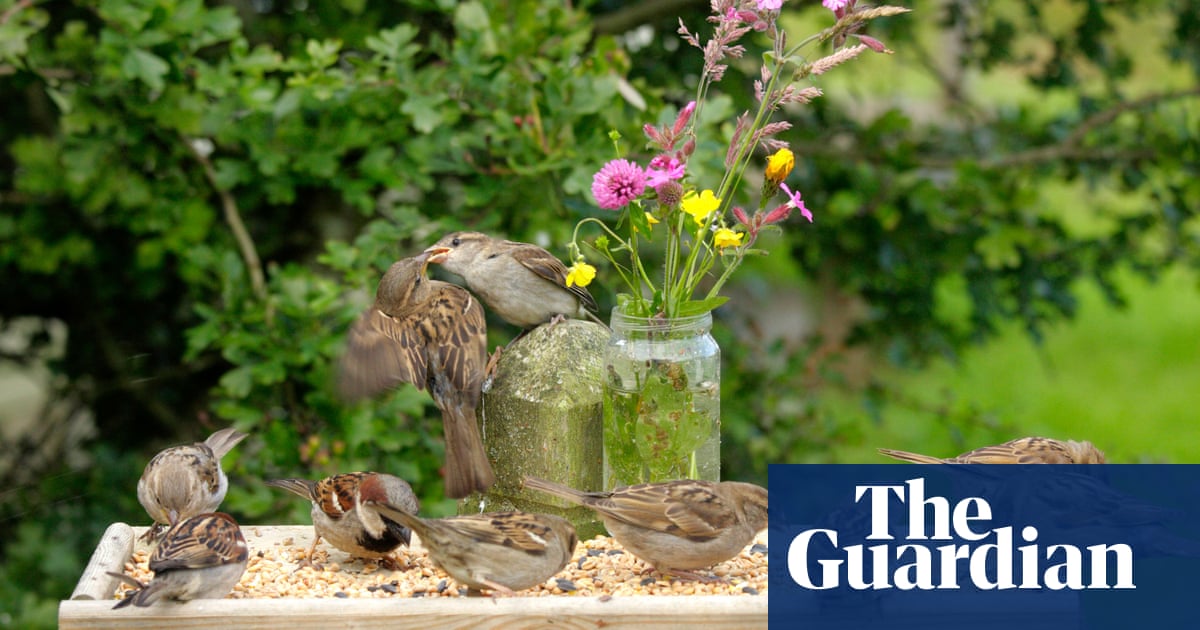
Credit: www.theguardian.com
Signs To Stop Feeding In Spring
Birds start finding natural food as spring warms up. Notice fewer visits to feeders or more birds eating insects nearby. These signs mean it’s time to stop feeding and let nature take over.
As spring arrives, nature begins its renewal. Birds find abundant natural resources. It’s essential to know when to stop feeding them in your garden. Recognizing the signs helps maintain a healthy bird ecosystem.Natural Food Availability
Spring provides birds with ample natural food sources. Insects, seeds, and fruits become plentiful. Birds instinctively prefer these natural foods. Observe their feeding habits closely. When they visit your feeders less, it’s a signal. They are finding food elsewhere.Breeding Season Impact
Spring marks the start of the breeding season. Birds need specific nutrients for egg production. Natural foods often meet these needs better than feeders. Too much reliance on feeders can disrupt their diet. Let them gather what they naturally need.Bird Population Changes
In spring, bird populations shift. Migratory birds return, increasing competition at feeders. Local birds might struggle to access food. By stopping feeding, you encourage birds to forage naturally. This supports a balanced bird population in your garden.Summer Feeding Tips
Summer brings warmth and longer days, changing birds’ feeding habits. Birds find natural food more easily during this season. Garden feeders need adjusting to support their needs without harming their natural habits. Careful feeding helps birds stay healthy and active all summer.
Adjusting Food Types
Offer lighter, natural foods in summer. Seeds like sunflower and millet attract many birds. Soft fruits such as berries and chopped apples provide moisture and energy. Avoid heavy, fatty foods suited for winter. Fresh food helps birds digest easily in hot weather.
Water Sources Importance
Birds need clean water for drinking and bathing. Place shallow dishes or birdbaths in the garden. Change water daily to prevent mosquitoes and bacteria. Water helps birds cool down and stay hydrated in summer heat. Position water sources near feeders for easy access.
Avoiding Overfeeding
Watch how much food is offered. Remove uneaten food to avoid attracting pests. Overfeeding can stop birds from searching for natural food. Feed small amounts several times a day instead. Keep feeders clean to prevent disease and mold growth.
Autumn Feeding Strategies
Autumn is a crucial time for feeding garden birds. As temperatures drop and daylight shortens, birds prepare for migration or the coming winter. Adjusting feeding habits helps them survive these changes. Proper autumn feeding supports their energy needs and health.
Preparing For Migration
Many birds migrate to warmer places in autumn. Feeding helps them build fat reserves for the long journey. Offer high-energy foods like sunflower seeds and suet. These foods provide the fuel birds need to travel far. Keep feeders clean to avoid spreading disease during this busy time.
Energy Needs For Winter
Some birds stay in the garden during winter. They need extra energy to keep warm. Provide foods rich in fat and protein. Peanuts, mealworms, and fat balls are good choices. Feed regularly to help birds store energy before cold days arrive. Avoid empty feeders to keep birds coming back.
Safe Feeding Practices
Keep feeding areas clean to protect bird health. Remove old food and wash feeders weekly. Place feeders away from places where cats can hide. Use fresh water for drinking and bathing. Stop feeding gradually as temperatures rise in spring. This prevents birds from becoming dependent on human food.
Winter Feeding Guidelines
Winter can be a challenging time for garden birds. Cold temperatures and scarce natural food make your feeders a vital resource. But knowing how to feed them right during this season ensures you’re helping, not harming, their survival chances.
Essential Food Choices
Offer high-energy foods that help birds stay warm. Black oil sunflower seeds are a top pick because they have a high fat content and thin shells, making them easy to eat.
Suet blocks provide essential fats and can be lifesavers on freezing days. Mix in peanuts, nyjer seeds, and mealworms to attract different species and keep their diet balanced.
Remember, avoid bread or anything low in nutrients. Your goal is to fuel their bodies, not fill them with empty calories.
Maintaining Clean Feeders
Regularly cleaning your feeders prevents the spread of disease among birds. Moldy seeds and droppings can cause serious health problems, especially in winter when birds are already vulnerable.
Use hot water and a mild detergent once a week, and rinse thoroughly. If you notice any sick birds visiting, clean feeders more often to protect the flock.
Have you checked your feeders lately? A clean feeding station is just as important as the food you provide.
Monitoring Bird Health
Keep an eye on the birds visiting your garden. Look for signs like ruffled feathers, lethargy, or difficulty flying, which can indicate illness or stress.
If you spot sick birds, temporarily stop feeding to avoid spreading disease. Contact local wildlife groups for advice on how to help them recover.
Your attentiveness can make a big difference. Healthy birds will return season after season if you support them wisely.

Credit: www.msn.com
When To Completely Stop Feeding
Knowing when to completely stop feeding birds in your garden helps maintain a healthy balance. Feeding them year-round can disrupt their natural habits. It’s best to let birds find food on their own once nature provides enough. This supports their survival skills and keeps the ecosystem stable.
Signs Of Natural Food Sufficiency
Birds start eating less from feeders when natural food is abundant. You may see more insects, berries, and seeds in your garden. Birds spend more time foraging in trees and bushes. Their feathers look healthy and they appear active. These signs show birds rely less on your feeders.
Avoiding Dependency
Continuous feeding can make birds dependent on humans. They may stop searching for food naturally. This weakens their ability to survive harsh seasons. Stopping feeding gradually helps birds adjust. They learn to find food on their own again. This encourages strong, independent bird populations.
Environmental Considerations
Feeding birds at the wrong time can harm the environment. Excess food may attract pests like rats or unwanted animals. Leftover seeds can grow into invasive plants. Feeder hygiene is harder to maintain year-round. Stopping feeding during natural abundance reduces these risks and protects local wildlife.
Common Mistakes To Avoid
Feeding birds in the garden is rewarding but comes with common mistakes. These errors can harm birds and reduce your enjoyment. Avoiding them helps keep birds safe and healthy. It also ensures your garden stays clean and inviting.
Feeding At Wrong Times
Feeding birds only during winter helps them survive cold months. Continuing in spring or summer can stop birds from finding natural food. It may also cause dependency on feeders. Birds might not migrate or breed properly if fed at wrong times.
Using Inappropriate Foods
Not all bird foods are safe or healthy. Bread, junk food, or salty snacks harm birds’ health. Seeds like sunflower or millet suit many garden birds. Using spoiled or moldy food causes illness. Always choose fresh, natural bird food to support their diet.
Neglecting Feeder Maintenance
Dirty feeders spread diseases among birds. Regular cleaning prevents mold, bacteria, and pests. Use warm water and mild soap for cleaning. Check feeders for damage that could trap or injure birds. Well-maintained feeders attract more birds and keep them safe.
Enhancing Your Garden For Birds
Creating a garden that attracts birds goes beyond just feeding them. Birds need natural food, shelter, and water to thrive. Enhancing your garden helps birds stay healthy and visit often. A garden designed for birds supports their needs all year round.
Planting Native Species
Native plants provide the best food and shelter for local birds. They offer seeds, berries, and insects birds love. These plants grow well in your area without much care. Plant a mix of trees, shrubs, and flowers to supply food throughout the seasons.
Examples of native plants include:
- Oak trees for acorns
- Berry bushes like elderberry or dogwood
- Wildflowers for attracting insects
Providing Shelter Options
Birds need safe places to rest and hide from predators. Dense bushes and shrubs create natural cover. Nesting boxes offer extra shelter, especially during breeding season. Leave some leaf litter or brush piles for ground-dwelling birds.
Good shelter options include:
- Evergreen shrubs for year-round cover
- Birdhouses placed in quiet spots
- Natural piles of sticks or leaves
Creating Water Features
Water attracts birds for drinking and bathing. A small birdbath or pond can make your garden inviting. Keep water clean and fresh to prevent disease. Moving water, like a dripper or fountain, draws more birds.
Ideas for water features:
- Shallow birdbaths with smooth edges
- Small garden ponds with plants around
- Solar-powered fountains or drippers
Credit: twistedsifter.com
Frequently Asked Questions
When Is The Best Time To Stop Feeding Garden Birds?
You should stop feeding birds in late spring or early summer. Natural food sources increase then, helping birds rely less on feeders.
Why Should I Stop Feeding Birds In Summer?
Feeding birds in summer can cause dependency and attract pests. Birds find enough natural food, so stopping helps maintain balance.
How Does Stopping Feeding Birds Affect Their Health?
Stopping feeding at the right time encourages birds to forage naturally. It supports their health by promoting a balanced diet and natural behaviors.
Can Feeding Birds Year-round Harm The Garden Ecosystem?
Yes, feeding birds year-round can disrupt natural food chains. It may lead to overpopulation and increased disease risks in garden wildlife.
Conclusion
Feeding birds in your garden brings joy and helps them survive. Stop feeding when natural food becomes enough for birds. Watch for signs like fewer visits to feeders. Ending feeding at the right time keeps birds healthy. It also helps them learn to find food on their own.
Enjoy watching birds but let nature take its course. This balance supports a happy, healthy garden bird community.