

Have you ever glanced out your window and marveled at the vibrant flurry of hummingbirds darting around your feeder? These tiny, energetic creatures bring joy and life to our gardens.
But as the seasons change in Maryland, you might find yourself wondering when it’s time to pack away the feeders. Knowing the right moment to stop feeding hummingbirds is crucial, not just for your feathered friends, but for your own peace of mind.
We’ll delve into the perfect timing to bid farewell to these enchanting birds as they prepare for their long migratory journey. You’ll discover how to support their needs without disrupting their natural instincts. Stick around to find out how to ensure your backyard remains a sanctuary for these delightful visitors, while also maintaining the balance of nature. Your feathered friends are counting on you, so let’s get started!

Credit: www.birdsandblooms.com
Hummingbird Migration Patterns
Hummingbird migration patterns shape the best times to feed these tiny birds in Maryland. Understanding their arrival and departure helps keep feeders ready without waste. These birds travel long distances and follow seasonal cues for their journeys. Watching their patterns can enrich your backyard birdwatching experience.
Spring Arrival In Maryland
Hummingbirds usually reach Maryland between late April and early May. The Ruby-throated hummingbird is the most common species here. They return to find food and nesting spots. Providing fresh nectar feeders helps them regain energy after migration. Watch for increased hummingbird activity as temperatures rise.
Fall Departure Timeline
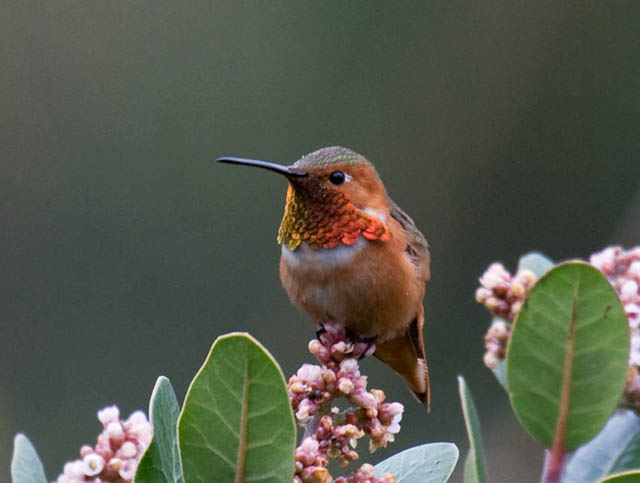
Hummingbirds begin leaving Maryland from late August through early October. They head south for warmer climates before winter arrives. Feeding them until early October supports their energy needs during migration. After mid-October, most hummingbirds have left Maryland. Removing feeders after this time prevents mold and waste.
Credit: www.birdwatchingdaily.com
Feeding Schedule Considerations
Feeding hummingbirds in Maryland requires attention to their natural habits and seasonal changes. A well-planned feeding schedule supports their health and migration patterns. Timing your feeding correctly helps hummingbirds thrive and prepares them for their long journeys.
Ideal Feeding Start Date
Start feeding hummingbirds in Maryland by early April. This timing matches their arrival after winter. Early feeders attract the first migratory birds. Use fresh nectar and clean feeders to ensure safety. Keep feeders full as birds need energy after migration.
When To Gradually Reduce Feeders
Begin reducing feeders in late September to early October. Hummingbirds start migrating south during this time. Slowly empty feeders over two to three weeks. This encourages birds to find natural food sources. Stop feeding by mid-October to avoid dependence. Remove feeders before cold weather arrives.
Signs To Stop Feeding
Knowing when to stop feeding hummingbirds in Maryland helps protect their natural habits. Hummingbirds rely on feeders mainly during certain times. Recognizing signs that they no longer need extra food ensures a smooth transition back to nature. Watch closely for subtle changes in their behavior and surroundings.
Decreased Hummingbird Activity
Hummingbirds visit feeders less often as seasons change. A drop in their visits signals they find enough food elsewhere. They may spend more time in flowers or moving through natural areas. This behavior shows they are preparing for migration or adapting to local food sources. Keep feeders clean but reduce refills when visits slow down.
Natural Food Availability
Spring and summer bring many flowers that provide nectar naturally. When flowers bloom abundantly, hummingbirds prefer these natural sources. Watch for increased hummingbird visits to flower beds instead of feeders. The presence of insects also adds to their diet. Stopping feeding during high natural food availability encourages healthy feeding habits.
Weather Factors Affecting Feeding
Understanding the weather is key to knowing when to stop feeding hummingbirds in Maryland. Weather changes directly influence the birds’ feeding habits and survival. Paying attention to these factors helps you support the hummingbirds effectively without causing harm.
Impact Of Temperature Changes
Hummingbirds rely on warm temperatures to find natural food sources like nectar from flowers. When temperatures drop, their metabolism slows down, and they may depend more on feeders. However, if the weather becomes too cold, the birds migrate or enter a state of torpor to conserve energy.
In Maryland, sudden temperature drops in late fall signal that it’s time to reduce or stop feeding. If you keep feeders out during colder months, you might unintentionally attract birds that should be migrating. Are you prepared to monitor daily temperature trends to make the right feeding decisions?
Effect Of Early Frosts
Early frosts can kill the flowers hummingbirds feed on, cutting off their natural nectar supply quickly. When this happens, feeders become vital for their survival, but only temporarily. You need to watch for frost warnings and adjust feeding accordingly.
Once frost becomes frequent and severe, hummingbirds will have usually migrated south. Continuing to feed after this point might not help and can even disrupt their natural patterns. Have you noticed how early frosts affect your local hummingbird activity?
Maintaining Feeders Post-season
After the hummingbird season ends in Maryland, proper care of feeders is essential. Keeping feeders clean and stored well helps protect birds and extends feeder life. Neglecting maintenance can cause mold growth and damage. This section guides you on how to clean and store feeders safely post-season.
Cleaning And Storage Tips
Empty all remaining nectar from the feeder. Use warm water and mild soap to wash every part. A soft brush helps reach tight spots. Rinse thoroughly to remove soap residue. Let feeders dry completely before storing. Store feeders in a cool, dry place away from sunlight. Keeping feeders dry prevents rust and fading. Use sealed bags or containers to keep out dust and insects.
Preventing Mold And Damage
Mold can grow quickly in leftover nectar. Clean feeders soon after the season ends to stop mold spread. Check for cracks or damage before storage. Replace parts if needed to avoid leaks next year. Avoid storing feeders while still wet to prevent mold. Regular maintenance keeps feeders safe and ready for next use.

Credit: www.birdwatchingdaily.com
Frequently Asked Questions
When Should I Stop Feeding Hummingbirds In Maryland?
Stop feeding hummingbirds in Maryland by early October. Cooler temperatures signal their migration. Leaving feeders up too late can harm local birds.
Why Is Timing Important For Hummingbird Feeders In Md?
Proper timing prevents dependency and disease. It ensures hummingbirds migrate naturally. Feeding too late disrupts their instincts and health.
How Does Weather Affect Hummingbird Feeding In Maryland?
Hummingbirds leave when temperatures drop below 50°F. Cold nights signal migration time. Watch local weather to decide when to remove feeders.
Can I Leave Hummingbird Feeders Out Year-round In Maryland?
No, Maryland winters are too harsh. Feeders left out may freeze or attract unwanted wildlife. Remove feeders before first frost.
Conclusion
Feeding hummingbirds in Maryland is best done until the cold arrives. When temperatures drop, natural food sources become scarce. Keep feeders clean and fresh during the feeding season. Stop feeding when hummingbirds start to leave for warmer places. This helps them rely on nature and migrate safely.
Watching these tiny birds brings joy and helps them survive. Enjoy their visits while feeding, but know when to let them go. This balance keeps hummingbirds healthy and happy in your garden.