

Are you a bird enthusiast who delights in watching feathered friends flock to your backyard for a taste of delicious suet? You’ve likely enjoyed the vibrant flurry of activity and the joy it brings to your outdoor space.
But have you ever wondered when it’s the right time to stop offering this high-energy treat? Knowing when to cease feeding suet can be crucial for the well-being of your avian visitors. You’ll discover the key indicators and essential tips that will help you make informed decisions about your backyard bird feeding habits.
Prepare to unlock the secrets to a thriving bird-friendly environment that aligns with nature’s rhythm!

Credit: www.bendsource.com
Why Suet Matters
Suet plays a key role in feeding wild birds, especially in cold weather. It offers energy birds need to stay warm and active. This high-fat food helps many bird species survive harsh conditions.
Understanding why suet matters can guide you on when to stop feeding it. The right timing ensures birds get the best nutrition without harm. Let’s explore the benefits of suet and the types available.
Benefits For Birds
- Provides a rich source of energy during winter.
- Helps birds maintain body heat in cold weather.
- Attracts a variety of bird species to your feeder.
- Supports breeding birds with extra calories in spring.
- Offers essential nutrients like fats and proteins.
Types Of Suet
- Traditional suet:Pure animal fat, often beef-based.
- Nut and seed suet:Mixed with sunflower seeds, peanuts, or other nuts.
- Fruit suet:Contains dried fruits like raisins or cranberries.
- Vegetarian suet:Made from plant fats for those avoiding animal products.
- Commercial suet cakes:Ready-made blocks for easy feeding.
Seasonal Feeding Patterns
Seasonal feeding patterns play a crucial role in knowing when to stop feeding suet to birds. Suet provides high energy, making it ideal during colder months, but as the seasons change, so do the birds’ dietary needs. Understanding these shifts helps you support your local bird population effectively throughout the year.
Winter Needs
During winter, birds need extra calories to maintain their body heat. Suet is rich in fat, which offers the energy birds require to survive freezing temperatures and harsh weather. You’ll notice more bird activity around suet feeders in winter because it’s a reliable food source when insects and berries are scarce.
Keep your suet feeders stocked consistently through the coldest months. Birds like woodpeckers, nuthatches, and chickadees especially benefit from suet during this time. Have you observed how quickly the suet disappears on chilly mornings? That’s a good sign you’re providing valuable support.
Spring And Summer Changes
As temperatures rise, birds’ diets start shifting away from fat-heavy foods like suet. They focus more on protein-rich insects, fruits, and seeds to fuel breeding and raising their young. Leaving suet out too long in warmer weather can cause it to spoil and deter birds from feeding.
Try reducing suet gradually as spring progresses and remove it entirely by early summer. Instead, offer fresh fruits, nectar, or mealworms to meet their changing needs. Have you noticed how different birds visit your feeder in warmer months? Adjusting food types keeps your feeders attractive and healthy for the birds year-round.
Signs To Stop Feeding Suet
Knowing when to stop feeding suet to birds helps keep them healthy. It also protects your garden and local wildlife. Recognizing clear signs can guide your decision to remove suet feeders safely. Watch closely for changes in bird habits and environment.
Bird Behavior Shifts
Birds may visit less often or ignore the suet. Aggressive behavior around the feeder can increase. Some birds might avoid the feeder if they find natural food sources. Look for fewer birds or signs of distress. These shifts suggest it’s time to stop feeding suet.
Environmental Indicators
Warm weather reduces the need for high-energy suet food. Melting suet can create a mess and attract pests. Notice if insects or rodents gather near the feeder. Wet or hot conditions can spoil suet quickly. These environmental signs mean it is best to take down suet feeders.
Timing Tips For Suet Feeding
Knowing the right time to feed suet to birds can make a big difference in attracting the right visitors and keeping them healthy. Timing your suet feeding helps you provide energy when birds need it most, especially during colder months. Let’s look at some practical tips to help you decide when to start and stop offering suet.
Best Months To Feed
Suet is most beneficial during the coldest months when natural food is scarce and birds need extra calories to stay warm. Typically, this means from late fall through early spring. In many areas, starting suet feeding in October and continuing until March or April works well.
However, some birds may still enjoy suet beyond these months if temperatures drop unexpectedly. Keep an eye on the weather and bird activity to judge if your suet feeder is still needed. Have you noticed your local birds eagerly visiting the feeder even as spring arrives?
Adjusting To Local Climate
Local climate plays a huge role in deciding when to stop feeding suet. In warmer climates, birds rarely need suet year-round because insects and fruits are often available. You might only need to offer suet during brief cold snaps.
In colder regions, suet feeding can extend longer into spring or even start earlier in fall. Watch for signs such as reduced natural food sources or fewer birds at your feeder to guide your timing. If your suet melts quickly in warm weather, it’s a clear sign to pause feeding until cooler days return.
Alternatives After Suet
After the suet season ends, birds still need food to thrive. Suet is rich in energy, especially in cold months. When warmer days arrive, birds seek different food sources. Offering a variety of foods helps keep birds healthy and active year-round.
Other Bird Foods
Many birds enjoy seeds, fruits, and nuts. Black oil sunflower seeds attract many species. Peanuts provide protein but must be unsalted. Fruits like apples and berries offer natural sugars and vitamins.
- Millet and cracked corn are good for ground feeders.
- Thistle seed suits finches and small birds.
- Mealworms supply extra protein for insect-eaters.
Fresh water is essential for birds during warmer months. Changing foods keeps birds interested and nourished.
Maintaining Bird Health
Clean feeders regularly to prevent disease. Remove old or moldy food quickly. Place feeders in safe, sheltered spots to protect birds from predators.
Observe birds for signs of illness or stress. Healthy birds have bright eyes and active movements. Avoid feeding bread or processed foods that harm birds.
Providing varied, fresh food supports strong feathers and energy. Careful feeding helps birds survive outside of winter months.
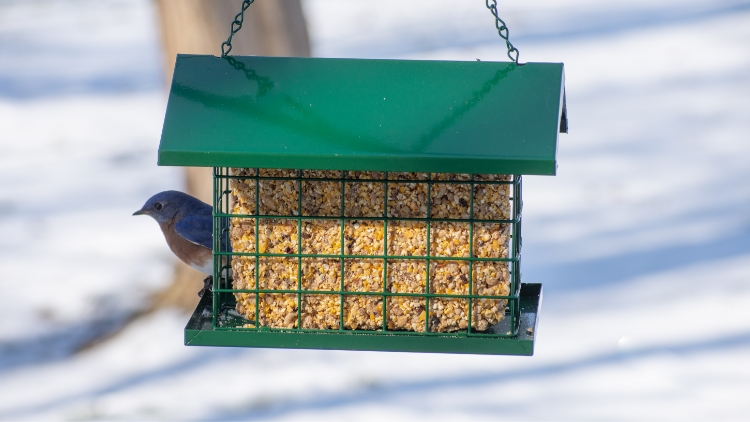
Credit: www.wildbirdsuets.com
Common Feeding Mistakes
Feeding suet to birds can be a rewarding experience, but it’s easy to make mistakes that might harm the birds or waste your efforts. Understanding common feeding errors helps you know when to stop offering suet and how to keep it fresh and safe. Let’s look at some frequent pitfalls and how to avoid them.
Overfeeding Risks
Giving birds too much suet can cause health problems. Suet is high in fat, and while birds need fat for energy, too much can lead to obesity or digestive issues.
Have you noticed birds returning less often or acting sluggish near your feeder? It might be a sign they’re getting more suet than they need.
Be mindful of how much suet you provide. A small amount each day is enough, especially in warmer months when birds get fat from natural food sources.
Suet Storage Tips
Improper storage of suet can spoil it quickly, making it unsafe for birds. Keep your suet in a cool place, ideally refrigerated, to prevent melting and bacterial growth.
Have you ever seen suet turn soft or smell rancid? That’s a clear sign it’s time to replace it. Never leave suet out too long in hot weather—it can become a breeding ground for harmful microbes.
Wrap unused suet tightly in plastic wrap or store it in an airtight container. This keeps it fresh and prevents contamination.

Credit: www.willyswilderness.org
Frequently Asked Questions
When Should I Stop Feeding Suet To Birds?
Stop feeding suet when temperatures rise above 50°F. Birds naturally find other food sources in warm weather. Suet can spoil quickly in heat, attracting pests and mold. Switching to seeds or fruits is best for summer.
Is Suet Safe For Birds Year-round?
Suet is best in cold months only. It provides energy in winter but can cause digestive issues in summer. Warm weather may spoil suet, harming birds. Offer suet mainly from fall to early spring for bird health.
How Does Weather Affect Feeding Suet To Birds?
Cold weather increases birds’ energy needs, making suet ideal. Heat speeds up suet spoilage, risking bird health. Feed suet only during cold, frosty days. Remove suet feeders promptly when temperatures rise consistently.
Can I Feed Suet To Birds In Summer?
Avoid feeding suet in summer as it melts and spoils fast. Birds prefer fresh fruits, seeds, and insects during warm months. Offering suet in heat can attract unwanted pests and harm birds.
Conclusion
Suet feeds birds well during cold months. Warmer weather means birds find natural food. Stop feeding suet when temperatures rise above 45°F. This helps birds eat healthy and avoid harm. Keep suet feeding safe by checking regularly. Clean feeders to prevent disease spread.
Enjoy watching birds eat suet in wintertime. Remember, feeding habits should match the season. Careful feeding supports bird health all year.