

Are you a hummingbird enthusiast in Michigan, eagerly watching these tiny marvels flutter around your feeder? You might be wondering when the right time is to take down your hummingbird feeder as the seasons change.
It’s a delicate decision, and getting it right can make a big difference for the well-being of these charming creatures. In this guide, we’ll explore the perfect timing to remove your feeder, ensuring that you support the hummingbirds without disrupting their natural migration patterns.
Stick with us, and you’ll gain the confidence to care for these feathered friends in the best possible way.
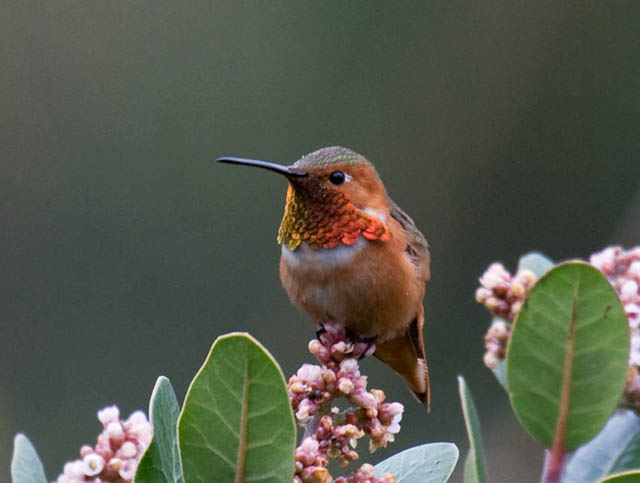
Credit: www.birdwatchingdaily.com
Hummingbird Migration Patterns
Hummingbird migration patterns guide the best times to keep feeders out. These tiny birds travel long distances between breeding and wintering grounds. Their arrival and departure in Michigan depend on weather and food availability. Understanding these patterns helps you know when to offer nectar and when to take feeders down.
Spring Arrival Times
Hummingbirds usually arrive in Michigan between late April and early May. Males often show up first, scouting for territory and food sources. Flower blooms and warmer temperatures trigger their arrival. Keeping feeders ready by mid-April ensures birds find food easily after migration.
Fall Departure Trends
Hummingbirds start leaving Michigan by late August to early September. Some may linger until early October, depending on weather. Cooler temperatures and shorter days signal them to head south. Removing feeders around mid-October helps avoid attracting hungry birds when natural food is scarce.
Regional Variations In Michigan
Migration timing varies across Michigan’s regions. Southern areas see hummingbirds earlier and later than northern parts. The Great Lakes and local climate influence these differences. Watch local birdwatching reports for precise timing in your area.

Credit: www.birdwatchingdaily.com
Signs To Remove Feeders
Knowing the right time to remove hummingbird feeders in Michigan helps protect the birds. It also keeps your feeder clean and safe. Certain signs show that it is time to take down the feeder. Watching for these clues ensures hummingbirds stay healthy and ready for their migration.
Decreased Hummingbird Activity
Hummingbirds visit feeders less often as the season ends. You might see fewer birds each day. Some days, no hummingbirds may come at all. This drop in visits means birds are moving on. Removing the feeder helps avoid wasting nectar and attracting pests.
Weather Changes Impacting Feeding
Cooler temperatures slow hummingbird feeding habits. Frost and cold nights signal the end of their stay. Stormy or windy weather also reduces bird visits. These changes make it hard for birds to find food at feeders. Taking down feeders before harsh weather protects the birds and your feeder.
Local Wildlife Behavior
Squirrels, ants, and bees often invade hummingbird feeders late in the season. These animals can scare away hummingbirds. They also cause damage and make feeding risky for the birds. Watch for increased activity from these creatures. Removing feeders stops unwanted visitors and keeps hummingbirds safe.
Feeder Maintenance Tips
Keeping your hummingbird feeder clean and well-maintained is essential for the health of the birds and the longevity of your feeder. Neglecting maintenance can lead to mold, bacteria, and even harm the hummingbirds you want to attract. Let’s look at some practical tips to keep your feeder in top shape throughout the seasons.
Cleaning And Storage
Regular cleaning is critical. Empty the feeder and wash it with warm water and mild soap every few days during the active season. Avoid harsh chemicals that could leave residues harmful to birds.
Once you decide to take the feeder down, give it a thorough cleaning and let it dry completely. Store it in a cool, dry place away from direct sunlight to prevent damage and mold growth. This keeps your feeder ready for the next season without any unpleasant surprises.
Preventing Mold And Bacteria
Mold and bacteria grow quickly in sugary nectar, especially in warm Michigan summers. Change the nectar every 2-3 days to keep it fresh. If you notice cloudy or fermented liquid, clean the feeder immediately.
Use a mixture of one part white vinegar to four parts water for deeper cleaning. Soaking the feeder in this solution helps kill stubborn mold and bacteria without risking harm to the birds. Have you checked your feeder’s nectar lately? It might be time for a refresh.
Safe Removal Practices
When it’s time to take down your feeder for the season, remove it carefully to avoid spills and attracting unwanted pests. Empty the nectar completely before detaching the feeder. This prevents sticky messes and insect problems around your home.
Consider placing the feeder in a sealed plastic bag during storage to keep dust and insects out. This small step makes a big difference when you bring it back next year. How often do you think about the feeder’s condition before storing it away?

Credit: www.michigansthumb.com
Feeder Timing And Benefits
Timing your hummingbird feeder removal in Michigan is key to supporting these tiny travelers. Knowing when to keep feeders out and when to take them down can make a big difference in their survival and natural behaviors. Proper timing benefits both the birds and your local ecosystem, creating a balanced environment for hummingbirds to thrive.
Supporting Hummingbirds During Migration
Hummingbirds migrate through Michigan primarily from late summer to early fall. Keeping your feeder out during this time provides essential energy for their long journey. I once kept my feeder until early October and noticed more hummingbirds stopping by, likely replenishing before heading south.
Offering fresh nectar at this critical time helps them build fat reserves. This support can be a lifeline, especially during sudden weather changes or scarce natural food sources.
Avoiding Negative Effects Of Late Feeding
Leaving feeders out too late can disrupt hummingbirds’ natural instincts. If they rely too much on feeders, they may delay migration or struggle to prepare properly for winter. Have you ever wondered if your kindness might actually harm their natural behavior?
In Michigan, it’s usually best to take feeders down by mid-October. This encourages hummingbirds to rely on natural food and to migrate on schedule, ensuring they reach their winter habitats safely.
Balancing Feeder Use With Natural Food Sources
While feeders are helpful, they shouldn’t replace natural nectar sources completely. Plants like bee balm, trumpet vine, and native flowers provide vital nutrition and habitat. I recommend planting these around your yard to give hummingbirds a natural food buffet.
Try to maintain feeders only when natural blooms are scarce. This balance keeps hummingbirds healthy and encourages their natural foraging skills, which is essential for their survival beyond your backyard.
Resources For Michigan Birdwatchers
Knowing when to take down your hummingbird feeder in Michigan is easier with the right resources at your fingertips. Connecting with local communities and using reliable tools can help you track hummingbird activity and migration patterns. These resources also offer opportunities to learn more about Michigan’s hummingbirds and how to support them effectively.
Local Birding Groups
Joining a local birding group can transform your hummingbird-watching experience. Groups like the Michigan Audubon Society or regional bird clubs provide firsthand observations and updates on hummingbird presence in your area. These communities often organize outings and share tips on feeder care and timing.
Have you ever noticed how much easier it is to spot birds when you have others sharing their sightings? Being part of these groups means you get real-time advice and can ask questions directly to experienced birders. It’s a great way to deepen your understanding of local bird behavior.
Online Migration Trackers
Online migration trackers offer up-to-date information on hummingbird movements across Michigan. Tools such as Journey North or eBird let you see where hummingbirds have been spotted recently. This data can guide you on the best time to keep your feeder up or when to take it down.
Using these trackers, you can plan your feeder schedule around actual migration trends rather than guessing. Have you checked these sites lately? You might be surprised how dynamic hummingbird migration can be.
Educational Programs And Workshops
Many Michigan nature centers and wildlife organizations offer workshops focused on hummingbirds and backyard bird feeding. These sessions often cover feeder maintenance, nectar recipes, and how to attract and protect hummingbirds. Attending one can give you practical skills and confidence in managing your feeder.
Imagine learning from experts who understand local hummingbird habits and can answer your specific questions. These programs also connect you with others who share your passion, making your birdwatching journey more rewarding. When was the last time you attended a bird-related workshop?
Frequently Asked Questions
When Should I Remove Hummingbird Feeders In Michigan?
Remove feeders in Michigan by late September or early October. This timing aligns with hummingbird migration. It prevents attracting non-migratory birds and pests during colder months.
Why Take Down Feeders Before Winter In Michigan?
Taking down feeders before winter stops leftover sugar water from spoiling. It also protects hummingbirds from cold weather when natural food is scarce. This helps maintain feeder cleanliness and bird health.
How Does Michigan Weather Affect Feeder Removal Timing?
Michigan’s cooling temperatures signal feeder removal time. When nighttime temps consistently drop below 50°F, hummingbirds leave. This natural cue helps decide the best day to take down feeders.
Can I Keep Hummingbird Feeders Up Year-round In Michigan?
Keeping feeders year-round in Michigan is not recommended. Cold winters reduce hummingbird activity and food needs. Removing feeders prevents mold, freezing, and unwanted wildlife problems.
Conclusion
Hummingbird feeders in Michigan should come down by late October. Birds migrate south as the weather cools. Leaving feeders too late can harm them. Clean the feeder well before storing it. Store it in a dry place for next year.
Watching hummingbirds is a joy worth the effort. Timing matters for their safety and health. Follow these tips to help hummingbirds thrive. Keep your feeder ready for next spring’s visitors. Simple care makes a big difference for these tiny birds.