

Have you ever wondered where you can go feed birds and enjoy a peaceful moment surrounded by nature? Feeding birds is more than just a simple activity—it’s a chance to connect with the outdoors, relieve stress, and bring a smile to your day.
But finding the perfect spot to feed your feathered friends can be tricky. You’ll discover the best places nearby where you can feed birds safely and responsibly. Keep reading to find out how you can make the most of this delightful experience and create memories that last.
Best Urban Parks For Bird Feeding
Urban parks offer great spots to enjoy nature and feed birds. These green spaces bring birds closer to city life. Feeding birds in parks helps you connect with wildlife easily. Many parks have areas designed specifically for bird feeding. These places attract various bird species, making visits exciting. Finding the right park enhances your bird feeding experience.
City Gardens With Bird-friendly Areas
City gardens often include bird-friendly sections with native plants. These spots provide food and shelter for birds. Visitors can feed birds safely without disturbing their habitats. Gardens usually have benches and paths for comfortable viewing. Bird feeders filled with seeds attract colorful birds. These areas encourage local wildlife to thrive in urban settings.
Community Parks With Feeding Stations
Community parks often install feeding stations to support bird populations. These stations offer easy access to food for various bird species. The parks maintain cleanliness to keep birds healthy and safe. Feeding stations are placed near walking trails and picnic spots. Families enjoy watching birds gather and feed together. These parks create a welcoming environment for both birds and visitors.
Popular Nature Reserves And Sanctuaries
Bird lovers often seek serene spots for bird feeding. Popular nature reserves and sanctuaries provide perfect settings. These locations are not only beautiful but also home to diverse bird species. They offer unique experiences for both novice and experienced bird enthusiasts.
Protected Wetlands
Wetlands are vibrant ecosystems teeming with life. They attract many bird species year-round. Some of the most popular wetlands include:
- Everglades National Park, Florida
- Okefenokee Swamp, Georgia
- Pantanal, Brazil
In these areas, you can witness exotic birds in their natural habitat. Wetlands provide a perfect environment for feeding and observing birds. Many have boardwalks and viewing platforms for easy access. Bring some birdseed and enjoy the spectacle.
Forest Reserves Known For Bird Activity
Forests are rich in biodiversity and ideal for bird feeding. They are home to many bird species seeking food and shelter. Some renowned forest reserves include:
- Amazon Rainforest, South America
- Black Forest, Germany
- Sinharaja Forest Reserve, Sri Lanka
These forests offer a peaceful ambiance for bird enthusiasts. With dense canopies and lush vegetation, they provide a haven for birds. Trails in these reserves allow for close encounters with feathered friends. Bring binoculars for a closer look.
Backyard Bird Feeding Tips
Feeding birds in your backyard brings nature close to home. It also helps birds find food easily. Creating a welcoming space encourages birds to visit often. Simple steps make feeding safe and enjoyable for both birds and you.
Creating A Safe Feeding Spot
Pick a quiet place away from busy roads. Place feeders near shrubs or trees for bird cover. Keep feeders at least 10 feet from windows. This prevents birds from flying into glass.
Clean feeders regularly to stop disease spread. Use fresh water nearby for drinking and bathing. Remove old seeds and shells daily. This keeps the area tidy and safe.
Choosing The Right Bird Food
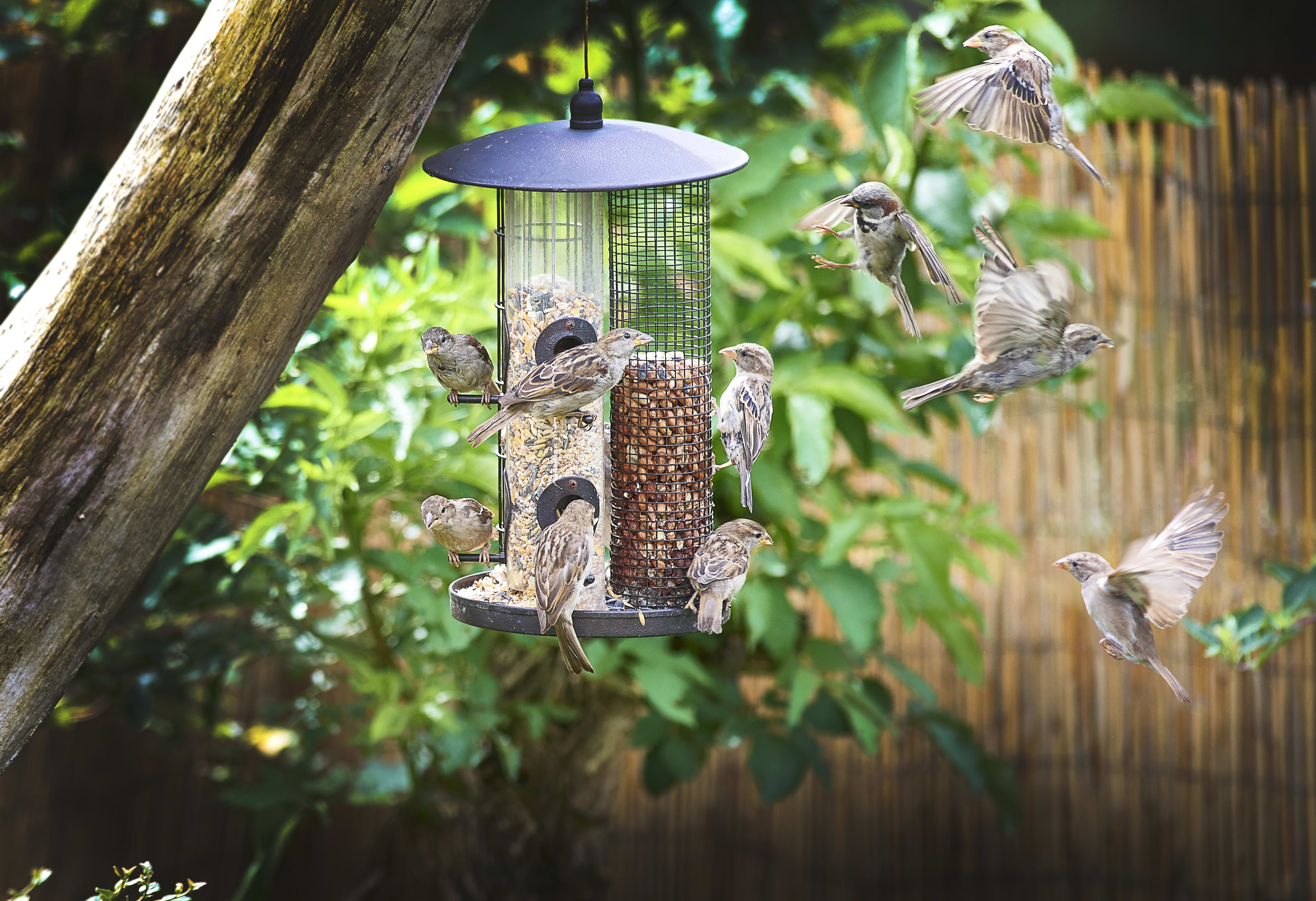
Different birds like different foods. Use black oil sunflower seeds for most birds. Offer nyjer seeds to attract finches and siskins. Provide peanuts for woodpeckers and jays.
Avoid bread or salty snacks; these harm birds. Use fresh food and replace it often. Mix foods to invite many bird species. This makes your backyard lively and colorful.

Credit: www.allaboutbirds.org
Seasonal Bird Feeding Locations
Seasonal changes shape where and how you can feed birds effectively. Different times of the year bring shifts in bird populations and their needs. Knowing the best spots for each season helps you enjoy bird feeding while supporting their natural habits.
Winter Hotspots For Feeding Migratory Birds
Winter drives many birds south, but some still visit colder regions. Wetlands and riverbanks become vital feeding grounds during these chilly months. You can find migratory birds like ducks, geese, and sparrows gathering there.
Try visiting local ponds, marshes, or wildlife refuges in winter. These areas often have natural food sources and open water, attracting birds that need to refuel. Have you noticed how birds flock to places where they can find both food and shelter?
Setting up feeders near these hotspots can increase your chances of seeing a variety of species. Use high-energy seeds like sunflower or suet to help birds survive the cold. What’s your favorite winter bird to watch at a feeder?
Spring And Summer Nesting Areas
Spring and summer bring nesting season, so birds focus on raising their young. Gardens, parks, and wooded areas become lively with activity. Feeding in these areas supports parents and fledglings during this busy time.
Look for places with dense shrubs or trees where birds build nests. Birds like robins, bluebirds, and finches thrive in these spots. Providing mealworms or fruit can attract birds feeding their chicks.
Have you observed how cautious parent birds are around feeders during nesting? Avoid disturbing nesting sites, and position feeders at a safe distance. Your careful approach can make your feeding spot a trusted resource all season long.
Etiquette And Safety While Feeding Birds
Feeding birds can be a joyful way to connect with nature, but it comes with responsibilities. Ensuring proper etiquette and safety protects both you and the birds you want to help. Small actions make a big difference in keeping this activity safe and enjoyable for everyone involved.
Avoiding Overfeeding And Harm
Feeding birds too much or the wrong food can cause serious health problems. Birds need a balanced diet, and human snacks like bread or chips can make them sick. Instead, offer small amounts of birdseed or appropriate bird food to avoid overfeeding.
Think about your local birds’ natural diet before adding food. Providing too much food regularly can make birds dependent and reduce their ability to find food on their own. Have you noticed birds crowding around feeders or acting overly aggressive? That’s a sign you might be feeding too much.
Respecting Wildlife And Environment
Feeding birds should never disrupt their natural habits or harm their habitat. Avoid placing food near busy roads or areas where predators lurk, as this puts birds in danger. Always clean feeders and surrounding areas to prevent mold, bacteria, or pests.
Remember, your feeding spot is part of a bigger ecosystem. Leaving food scraps on the ground can attract unwanted animals and harm the environment. How can you create a feeding station that supports birds without disturbing the balance?

Credit: www.allaboutbirds.org
Credit: dengarden.com
Frequently Asked Questions
Where Are The Best Public Parks To Feed Birds?
Public parks with open spaces and water sources attract many bird species. Choose parks with designated feeding areas to ensure bird safety. Always use bird-friendly food like seeds or grains. Avoid feeding birds in crowded or restricted areas to prevent disturbances.
Can I Feed Birds At My Local Nature Reserve?
Yes, many nature reserves allow bird feeding in specified zones. Check reserve rules first to avoid harming local wildlife. Use natural bird foods and avoid processed items. Feeding helps birds especially in harsh weather but should be done responsibly.
What Types Of Birds Can I Expect To See Feeding?
Common feeding birds include sparrows, pigeons, finches, and robins. Waterfowl like ducks and geese may appear near lakes. Different locations attract different species depending on habitat and food. Observing feeding birds offers a great opportunity to learn about local wildlife.
Is Feeding Birds Allowed In Urban Areas?
Feeding birds is usually allowed in urban parks and gardens. However, avoid overfeeding to prevent dependency and health issues. Use suitable bird food and clean feeding spots regularly. Urban bird feeding can support local bird populations if done responsibly.
Conclusion
Feeding birds brings joy and peace to many people. Parks, gardens, and lakes are great spots to feed birds safely. Always choose natural, bird-friendly foods to help them stay healthy. Feeding birds also helps you connect with nature and learn more about wildlife.
Take time to enjoy these simple moments outdoors. You’ll find birds return often, creating a lovely routine. Remember to keep the environment clean and respect local rules. Small actions can make a big difference for birds and your community. Start feeding birds today and enjoy their beauty near you.