

Are you tired of squirrels stealing all the birdseed from your feeder? You’re not alone.
Finding the perfect spot for a squirrel proof bird feeder can make all the difference. Where you place it matters more than you think. The right location keeps the birds happy and the pesky squirrels away. You’ll discover simple and smart tips to choose the best spot for your feeder.
Keep reading to protect your birdseed and enjoy watching your feathered friends in peace.

Credit: www.popsci.com
Choosing The Right Location
Choosing the right location for a squirrel proof bird feeder is key to attracting birds and keeping squirrels away. The spot must suit birds’ habits and be hard for squirrels to reach. Careful placement improves bird visits and protects your feeder.
Avoiding Squirrel High-traffic Areas
Place the feeder far from trees and structures squirrels use to jump. Avoid spots near fences or power lines that connect to the feeder. Clear space around the feeder stops squirrels from launching attacks. A distance of at least 10 feet from jumping points works best.
Considering Bird Activity Zones
Observe where birds like to feed and rest in your yard. Set the feeder near shrubs or bushes that offer shelter. Birds feel safe when cover is close, so they visit more often. Avoid crowded or noisy areas that scare birds away.
Balancing Sunlight And Shade
Choose a spot with morning sun and afternoon shade for the feeder. Sunlight warms the feeder and dries seeds, preventing mold. Shade cools the area in hot weather, keeping birds comfortable. This balance helps maintain seed quality and bird health.
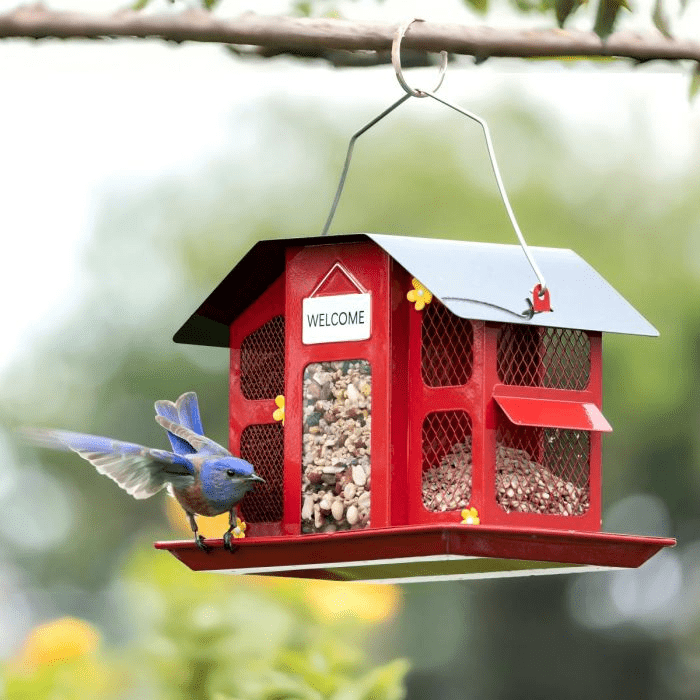
Credit: www.kingsyard.com
Height And Distance From Structures
Choosing the right height and distance from structures for your squirrel proof bird feeder can make all the difference. It not only keeps squirrels at bay but also ensures your feathered visitors feel safe and comfortable. Let’s look at how you can find the perfect spot that balances accessibility for birds and protection from pesky squirrels.
Optimal Height For Bird Feeders
The ideal height for your bird feeder is usually between 5 and 6 feet off the ground. This height keeps it out of reach of most squirrels while making it easy for you to refill and clean. I once placed my feeder too low, and squirrels were a constant problem; raising it just a foot made a huge difference.
Keep in mind, some birds prefer different heights. For example, finches like feeders higher up, while ground-feeders aren’t interested in hanging feeders at all. Consider the types of birds you want to attract when deciding the height.
Safe Distance From Trees And Roofs
Placing your feeder too close to trees or roofs gives squirrels easy launching pads. A good rule is to keep your feeder at least 10 feet away from any structure squirrels can jump from. This distance can be tough in small yards, but it’s crucial to reduce squirrel visits.
If you have nearby branches or ledges, squirrels will use them to reach your feeder. You might find that trimming some branches back can improve your feeder’s safety dramatically. Ask yourself: is your feeder a squirrel playground? If yes, try increasing the distance.
Using Poles And Hanging Methods
Mounting your feeder on a pole with a squirrel baffle is highly effective. The baffle blocks squirrels from climbing up and reaching the food. I installed a metal baffle on a pole, and squirrels gave up within days.
Hanging feeders on thin, flexible wires or cables can also deter squirrels, as they struggle to cross unstable lines. Use sturdy hooks away from branches or structures to prevent squirrels from jumping. Have you tried different hanging methods yet? Experimenting can help find what works best in your yard.
Using Natural Barriers
Natural barriers like trees or fences can help keep squirrels away from bird feeders. Placing feeders near these obstacles makes it harder for squirrels to reach the food. This simple trick protects the birds’ food without extra tools or devices.
Placing a squirrel-proof bird feeder can be a delightful addition to your garden. However, ensuring it’s truly squirrel-proof often requires a bit of strategic thinking. One effective approach is to use natural barriers to deter those crafty critters. By incorporating elements of nature, you can keep the squirrels at bay while enhancing the beauty of your outdoor space.Incorporating Plants And Shrubs
Consider integrating a variety of plants and shrubs around your bird feeder. Dense bushes and thorny plants can serve as natural deterrents. For instance, placing the feeder amidst rose bushes can create a prickly path for squirrels. Additionally, low-lying shrubs can obstruct their direct route, making it difficult for them to leap onto the feeder. Have you ever thought about how your garden’s layout can become your ally in this quest?Placement Near Water Sources
Birds love to frequent areas near water, but squirrels do too. Placing your feeder near a water source like a pond or birdbath can attract more feathered friends. However, be strategic. Ensure the feeder is at a distance that makes it challenging for squirrels to jump. A small pond or even a decorative water feature can enhance the ambiance while serving this dual purpose. What creative water elements can you add to your space to make it more inviting?Avoiding Easy Squirrel Access Points
Squirrels are adept climbers and jumpers, so consider their potential access points. Avoid placing the feeder too close to structures like fences or trees. A good rule of thumb is to maintain a distance of at least 10 feet from any surface they could use to leap from. Reflect on your own garden: are there any overlooked spots that give squirrels an easy advantage? Adjusting the placement by a few feet can make all the difference. By leveraging these natural elements, you not only protect your bird feeder but also create a harmonious and aesthetically pleasing environment.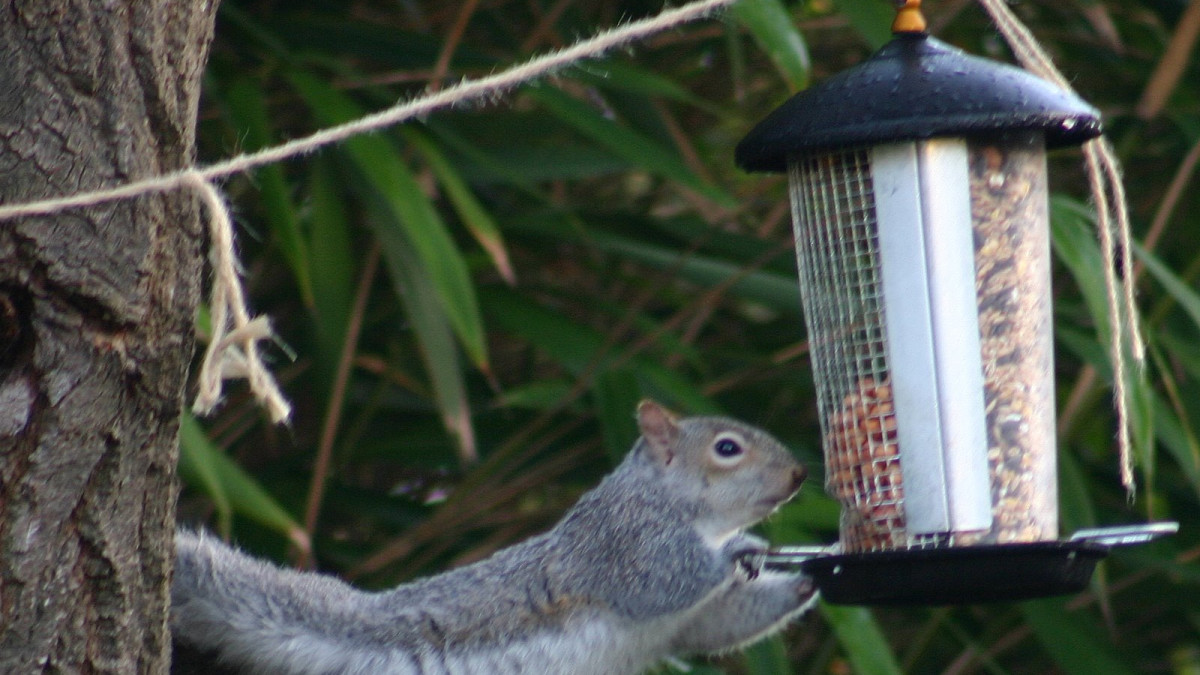
Credit: dengarden.com
Installing Squirrel Deterrents
Installing squirrel deterrents is key to keeping your bird feeder safe and your feathered visitors happy. Without the right barriers, squirrels quickly turn your feeder into their personal buffet. Choosing the right deterrents can make all the difference and save you from constant refilling and frustration.
Baffles And Guards
Baffles and guards act as physical blockers between squirrels and your bird feeder. These devices are usually dome- or cone-shaped and placed above or below the feeder. They prevent squirrels from climbing down or up to reach the food.
Installing a metal baffle on the pole beneath your feeder can stop squirrels from climbing up. Make sure it’s wide enough and positioned at least 4 feet off the ground. Plastic baffles might look nice but often don’t hold up against persistent squirrels.
Slippery Poles And Tubes
Slippery poles and tubes can make it nearly impossible for squirrels to get a grip. Coating poles with materials like PVC or installing metal tubes creates a slick surface that squirrels can’t climb. This simple change can save your feeder without complicated gadgets.
Think about the placement too. Poles should be at least 10 feet away from trees or structures squirrels can jump from. Have you noticed how squirrels use nearby branches as launch pads? Cutting those access points reduces their chances to reach your feeder.
Motion-activated Devices
Motion-activated deterrents surprise squirrels and scare them away before they settle in. Devices like sprinklers, lights, or noise makers activate when movement is detected near the feeder. These unexpected interruptions discourage squirrels without harming them.
One tip is to choose devices with adjustable sensitivity and timers. This way, you avoid scaring off birds or neighbors. Have you tried any motion-activated tools yet? They often work better than you might expect, especially when combined with other deterrents.
Maintenance And Monitoring
Maintaining and monitoring a squirrel proof bird feeder ensures it stays effective and safe for birds. Regular care helps prevent damage and keeps the feeder inviting. Watching how squirrels interact with the feeder can guide adjustments in placement.
Regular Feeder Cleaning
Clean the feeder every two weeks or after heavy use. Remove old seeds and debris to avoid mold and bacteria. Use warm, soapy water and rinse well. Dry thoroughly before refilling to protect birds’ health.
Adjusting Placement Over Time
Move the feeder if squirrels still reach it. Try different spots with more distance from launching points. Avoid placing near trees or fences squirrels use to jump. Small changes can increase squirrel resistance and improve bird access.
Observing Squirrel Behavior Patterns
Watch squirrels’ habits and times they visit your feeder. Note their jumping points and routes. Use this information to block access or reposition the feeder. Understanding their behavior helps keep squirrels away without harming them.
Frequently Asked Questions
Where Is The Best Location For A Squirrel Proof Bird Feeder?
Place the feeder 10 feet away from trees or structures. This distance prevents squirrels from jumping onto it. Choose a spot with good visibility and easy access for bird watching.
How High Should I Hang A Squirrel Proof Bird Feeder?
Hang the feeder at least 5 feet above the ground. This height deters squirrels and keeps birds safe from predators. Ensure it is easily reachable for refilling and cleaning.
Can Placing Feeders Near Birdhouses Attract Squirrels?
Yes, squirrels may be attracted if feeders are too close. Keep feeders at least 10 feet away from birdhouses. This minimizes squirrel interference and protects nesting birds.
Does Using A Pole Help In Squirrel Proofing Feeders?
Using a pole with a baffle effectively stops squirrels. The baffle blocks squirrels from climbing up to the feeder. Secure the pole firmly in the ground for stability.
Conclusion
Placing a squirrel proof bird feeder takes some thought. Choose spots away from trees or fences squirrels can jump from. Mount it on a tall pole or hang it with a wire. Keep the feeder easy for birds to reach but hard for squirrels.
This helps protect your bird food and keeps squirrels busy elsewhere. Enjoy watching birds visit safely and happily in your garden. Small changes make a big difference in keeping squirrels away.