

If you want to attract colorful birds to your yard, where you put your bird feeder makes all the difference. Placing it in the right spot not only keeps the birds safe but also gives you the best view to enjoy their visit.
You might be wondering: How close should it be to trees? Should it be hidden or in the open? Keep reading, because the answers will help you create a lively, bird-friendly space that feels like a natural haven right outside your door.
Your perfect bird-watching experience starts here.
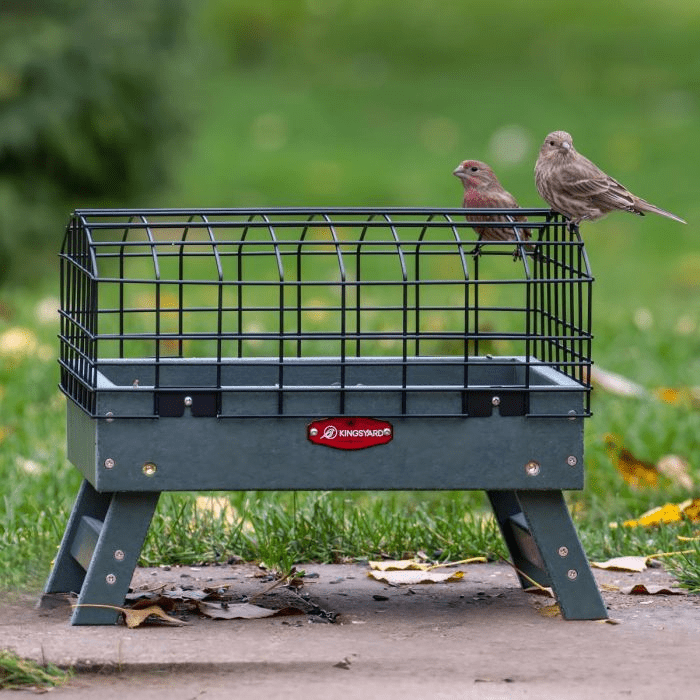
Credit: www.kingsyard.com
Choosing The Right Location
Choosing the right location for a bird feeder is key to attracting birds and keeping them safe. The spot you pick affects how often birds visit and how comfortable they feel. Consider the environment around your yard and the habits of local birds. This helps create a welcoming space that birds want to return to.
Near Natural Cover
Place the feeder close to trees or shrubs. Birds use these as shelter and places to hide from danger. Natural cover gives them a quick escape route. It also offers shade, which keeps birds cool during hot days. Avoid placing feeders too deep in thick bushes to prevent predators from hiding.
Safe Distance From Predators
Keep the feeder away from areas where cats or other predators can easily reach. A distance of at least 10 feet from hiding spots like fences or dense bushes works well. Place feeders high enough to avoid ground predators. This safety helps birds feel secure while eating.
Visibility For Birdwatching
Choose a spot visible from your home or favorite outdoor area. This allows easy birdwatching without disturbing the birds. Clear sightlines help you enjoy their colors and behaviors up close. Avoid placing feeders behind obstacles that block the view.
Considering Sun And Weather
Choosing the right spot for your bird feeder means thinking carefully about the sun and weather. These factors affect not only the comfort of the birds but also how long your feeder stays in good shape. Let’s look at how sunlight and weather conditions can guide your choice.
Morning Sun Benefits
Placing your feeder where it catches the morning sun gives birds a warm, gentle start to their day. Early sunlight helps dry off dew or frost on the feeder, making seeds less soggy and more appealing. You might notice more visitors in the morning if your feeder is bathed in soft sunlight.
Have you watched how birds behave on cold mornings? They often seek warmth first, so your feeder’s location can make a big difference in their daily routine.
Shade For Hot Days
Birds need a cool spot during the heat of the day. Putting your feeder in partial shade prevents seeds from spoiling quickly and keeps the birds comfortable. Look for trees or shrubs that offer dappled shade but don’t block the feeder completely.
Think about how you feel on a hot afternoon—would you stay longer in the sun or under a tree? Birds feel the same way and will linger where it’s cooler.
Protection From Wind And Rain
Wind and rain can scatter seeds and discourage birds from visiting. Position your feeder near natural windbreaks like hedges or fences to shield it from strong gusts. A slight overhang from a porch or a tree branch can also help keep rain off the feeder.
Consider how weather changes day to day. Is your feeder spot sheltered enough to keep seeds dry and safe? A little protection goes a long way in making your yard a reliable feeding spot.
Types Of Bird Feeders And Placement
Choosing the right type of bird feeder and placing it correctly can attract more birds to your yard. Different feeders suit different bird species and environments. Proper placement ensures birds feel safe and can easily access the food.
Hanging Feeders
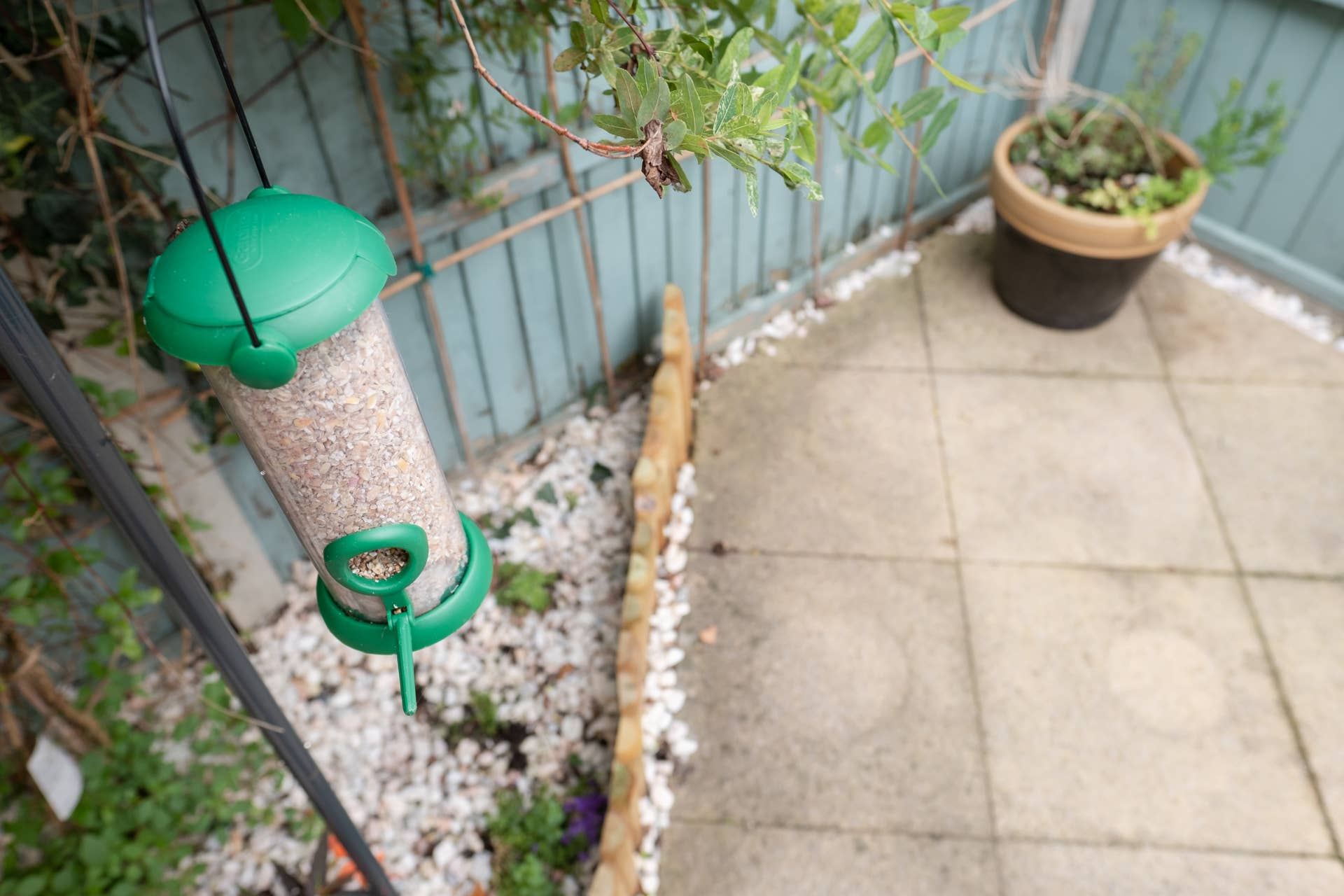
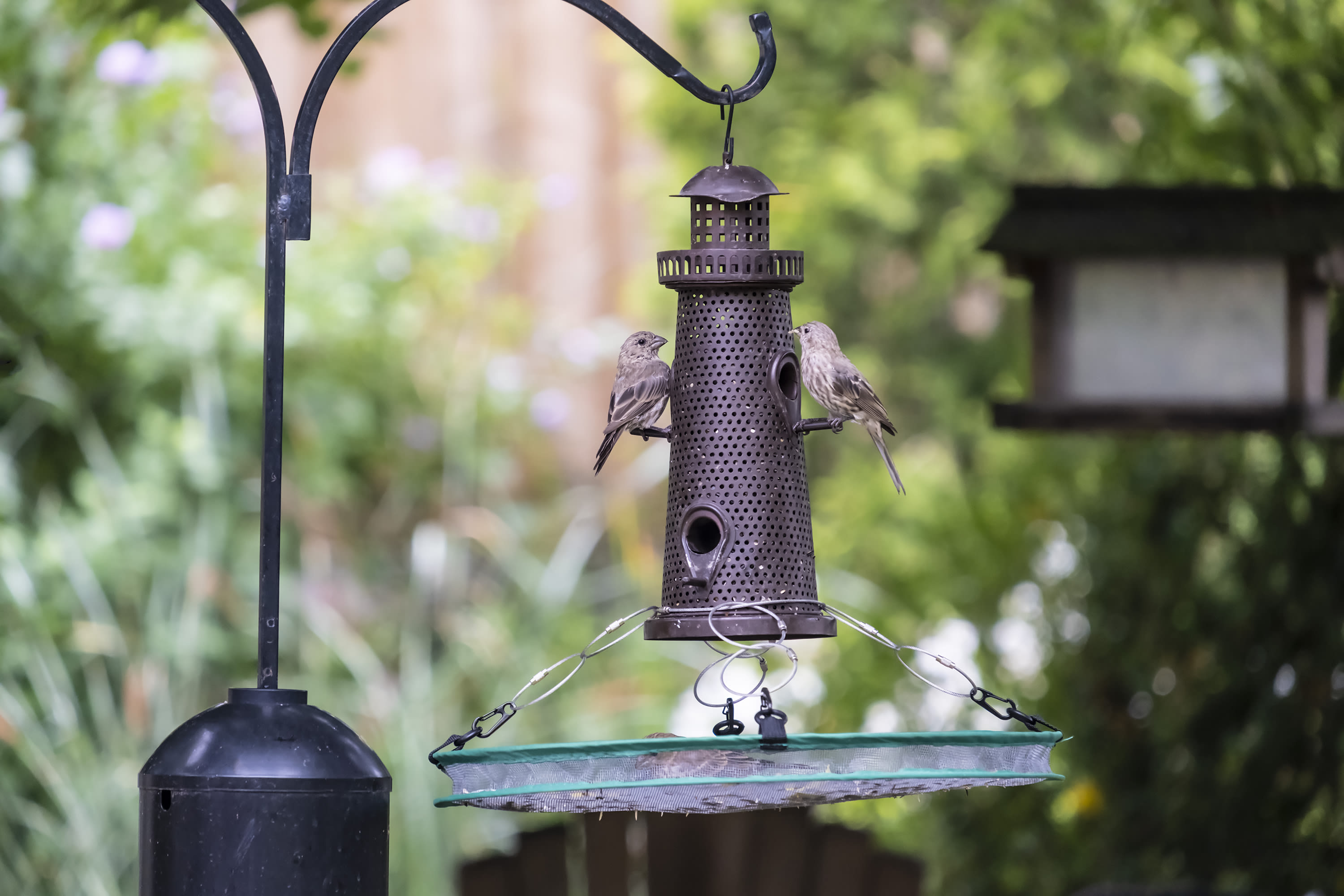
Hanging feeders are popular and easy to install. Hang them from tree branches or sturdy hooks. Place them where birds have cover nearby, like bushes or trees. This helps birds feel protected from predators. Avoid hanging feeders too close to windows to prevent collisions.
Pole-mounted Feeders
Pole-mounted feeders stand on the ground or in garden beds. They attract ground-feeding birds and songbirds. Position poles at least 5 feet away from bushes or fences. This distance keeps squirrels and cats away. Use baffles on poles to stop squirrels from climbing up.
Window Feeders
Window feeders attach directly to glass with suction cups. They allow close-up bird watching from indoors. Place window feeders at bird-safe heights, usually between 3 to 6 feet. Avoid placing them in direct sunlight to keep seed fresh. Clean feeders regularly to prevent mold and disease.
Maintaining Cleanliness And Safety
Keeping your bird feeder clean and safe is key to enjoying healthy birds in your yard. Dirty feeders can spread disease and cause harm to visiting birds. Proper placement helps prevent mold and pests. It also makes cleaning easier and keeps squirrels away.
Easy Access For Cleaning
Place the feeder where you can reach it easily. This makes regular cleaning simple and fast. Use a spot near your door or patio. Clean feeders keep birds healthy and happy. Remove old seeds and wash the feeder at least once a week.
Avoiding Mold And Spoilage
Pick a dry, shaded spot to stop mold growth. Sunlight can spoil seeds quickly. Avoid placing feeders under trees where moisture collects. Use feeders with good ventilation to keep seeds fresh. Moldy seeds can make birds sick.
Preventing Squirrel Access
Squirrels eat bird food and scare birds away. Mount feeders on poles with squirrel baffles. Keep feeders away from tree branches and fences. This stops squirrels from jumping onto feeders. Squirrel-proof feeders protect your seeds and welcome more birds.
Enhancing Bird Activity
Enhancing bird activity in your yard creates a lively and beautiful environment. Birds visit more often when their needs are met. Providing food, water, and shelter encourages them to stay longer. Small changes around your feeder can make a big difference. Here are ways to attract more birds and keep them active.
Using Multiple Feeders
Place several feeders in different spots around your yard. This prevents crowding and reduces bird stress. Different feeders attract various bird species. Some birds prefer seeds, others like suet or nectar. Spreading feeders helps birds find food easily and feel safe.
Providing Water Sources
Birds need fresh water for drinking and bathing. Add a birdbath or shallow dish near feeders. Keep the water clean and change it often. Moving water, like a small fountain, attracts even more birds. Water sources increase the time birds spend in your yard.
Adding Native Plants
Plant bushes, trees, and flowers native to your area. Native plants provide natural food and shelter. Birds use plants for nesting and hiding from predators. Choose plants that produce berries or seeds. This creates a natural habitat and invites more birds.
Credit: dengarden.com
Credit: dengarden.com
Frequently Asked Questions
Where Is The Best Spot To Hang A Bird Feeder?
Place the bird feeder 5 to 10 feet from trees or shrubs. This offers birds quick shelter while keeping the feeder visible and safe from predators.
How High Should A Bird Feeder Be Placed?
Position the feeder 5 to 6 feet above the ground. This height deters cats and other predators, while remaining accessible for birdwatching.
Should A Bird Feeder Be Near Windows?
Avoid placing feeders too close to windows. Keep them at least 3 feet away to prevent bird collisions and ensure bird safety.
How Far From Trees Should Feeders Be Installed?
Set feeders 5 to 10 feet away from trees. This distance protects birds from predators hiding in branches and allows easy flight access.
Conclusion
Choosing the right spot for your bird feeder matters. Birds need safety and easy access. Position it away from predators. Ensure it’s visible from your window. Hang it at a comfortable height. Provide nearby perches for resting. Check that it’s stable and won’t fall.
Clean surroundings keep birds healthy. Experiment with locations for best results. Enjoy watching diverse birds visit daily. Your yard can become a lively bird sanctuary. Encourage nature’s beauty by offering a welcoming space. Simple adjustments make a big difference. Happy bird watching!