

Are you looking to attract a flurry of colorful, buzzing activity to your garden? Knowing exactly where to put a hummingbird feeder can transform your outdoor space into a delightful sanctuary.
With the right placement, you’ll not only enhance your garden’s beauty but also enjoy the mesmerizing dance of these tiny, iridescent creatures. Imagine the joy of sipping your morning coffee while watching hummingbirds dart and hover right in front of you.
This simple change can bring nature closer, turning ordinary days into extraordinary experiences. Stick with us, and you’ll discover the secrets to creating a hummingbird haven that you and your family will adore.

Credit: www.reconnectwithnature.org
Choosing The Right Location
Choosing the right location for your hummingbird feeder makes a big difference. The perfect spot attracts hummingbirds and keeps them safe. It also helps the feeder stay clean and full longer. Think about sunlight, visibility, and wind protection when deciding where to hang the feeder.
Sunlight And Shade Balance
Hummingbirds like warmth but not too much heat. Place the feeder where it gets morning sun. Shade in the afternoon keeps the nectar fresh. Too much sun makes the nectar spoil quickly. A mix of sun and shade is ideal for hummingbirds and your feeder.
Visibility For Hummingbirds
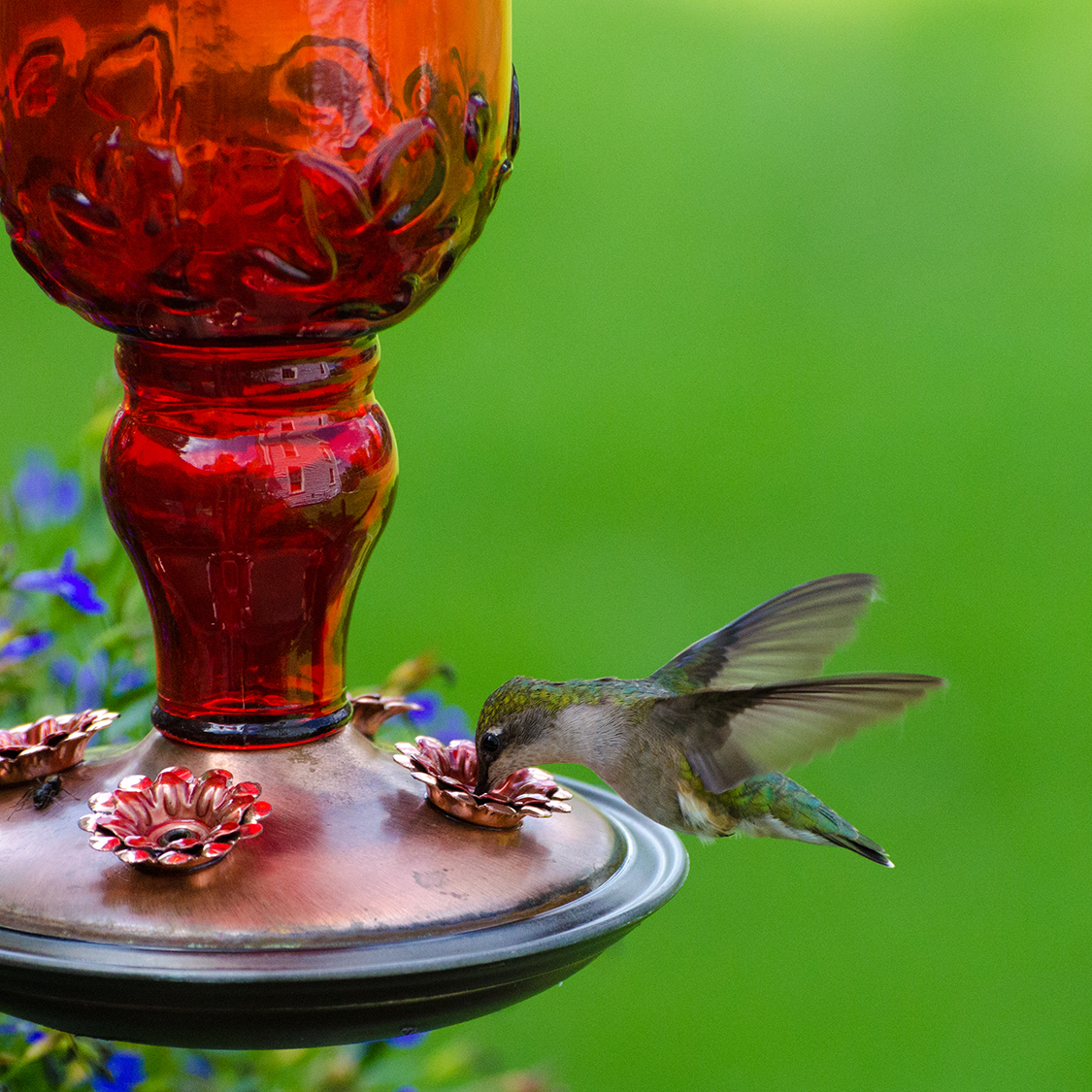
Hummingbirds need to see the feeder easily. Hang it where bright colors stand out. Near flowers or plants helps them find the feeder fast. Keep it away from busy areas. A quiet spot lets hummingbirds feel safe and comfortable.
Protection From Wind
Strong wind can shake the feeder and spill nectar. It also scares hummingbirds away. Find a spot shielded by trees, walls, or fences. A calm place helps hummingbirds feed peacefully. Wind protection keeps the feeder steady and clean longer.
Credit: www.tomsguide.com
Placement Near Natural Food Sources
Placing your hummingbird feeder near natural food sources can make your garden more inviting for these tiny visitors. Hummingbirds are attracted to areas where they find nectar-rich flowers and shrubs, so positioning your feeder nearby can increase the chances of them stopping by. It also creates a seamless feeding experience that feels safe and familiar to the birds.
Flowering Plants And Shrubs
Choose spots close to flowering plants that produce nectar your hummingbirds love, such as bee balm, salvia, or trumpet vine. These plants not only attract hummingbirds but also provide a natural backdrop that helps the feeder blend into the environment.
Try placing feeders within a few feet of these plants but not so close that the feeder blocks access to the flowers. This lets hummingbirds move easily between natural food and your feeder, increasing their visits to your garden.
Avoiding Competition With Other Feeders
Consider how many feeders are already in your area. Too many feeders close together might cause territorial disputes among hummingbirds, reducing feeding activity. Space your feeder at least 10 to 15 feet from others to give birds room to establish their own feeding spots.
Think about your neighbors’ feeders too. If you notice hummingbirds favoring nearby feeders, try relocating yours to a quieter spot near natural food sources. This can help attract more hummingbirds to your yard without competition stress.
Height And Accessibility
Choosing the right height and ensuring easy access to your hummingbird feeder can make a big difference in attracting these lively visitors and keeping your feeder in great shape. Setting the feeder at the proper height not only helps hummingbirds feed comfortably but also keeps it safe from unwanted pests. Plus, you want to be able to refill and clean it without hassle—otherwise, it’s easy to lose motivation.
Optimal Feeder Height
The best height for a hummingbird feeder is usually between 4 and 6 feet off the ground. This range allows hummingbirds to spot the feeder easily while staying safe from ground predators like cats or squirrels. If you’ve got small children or pets, placing it higher can prevent accidental spills or tampering.
Try to avoid setting it too low where it’s vulnerable to ants or other insects. Hanging the feeder from a sturdy branch or a dedicated pole works well. Have you noticed how hummingbirds prefer feeders near natural cover? Placing it close to shrubs or trees offers them quick shelter and makes them feel secure.
Easy Refilling And Cleaning
Accessibility is key for refilling and cleaning your feeder regularly. You don’t want to struggle with awkward positions or reach too high, especially since feeders need frequent maintenance to prevent mold and fermentation.
Mount your feeder where you can reach it comfortably without a ladder. A simple hook on a porch or a pole with a detachable feeder helps speed up the process. Have you ever skipped cleaning because the feeder was a pain to reach? Making it easy to access removes that excuse and keeps your feeder fresh for hummingbirds.
Consider feeders designed with wide openings. They make cleaning less frustrating and refilling quicker. Remember, a clean feeder means healthier birds and more frequent visits.
Safety Considerations
Placing your hummingbird feeder in a safe spot is crucial for protecting these tiny visitors. Safety considerations help ensure that hummingbirds can feed without stress or harm. You want your feeder to be a welcoming haven, not a risky trap.
Avoiding Predators
Predators like cats, squirrels, and even larger birds can threaten hummingbirds at feeders. Position your feeder away from thick bushes or places where predators can hide and launch surprise attacks.
Try hanging the feeder at least 10 feet from any jumping-off points like tree branches or fences. This distance gives hummingbirds a quick escape route and keeps predators at bay.
Think about your own yard’s wildlife. Are there cats that roam freely? If so, consider using a pole with a baffle to block their climb or place the feeder in an open area where you can watch over the birds.
Keeping Away From Windows
Windows pose a serious hazard because hummingbirds often don’t see glass and may fly into it. This can cause injury or worse. Placing feeders too close to windows can increase the risk of collisions.
Place feeders either within 3 feet of a window or more than 30 feet away. At 3 feet or less, birds can’t build up speed to hurt themselves, and at 30 feet or more, they have enough space to avoid the glass.
Adding decals or other window treatments near your feeder can also help birds recognize the glass. Have you noticed your feeder’s location in relation to your windows? Adjusting it might save a hummingbird’s life.
Seasonal Adjustments
Seasonal changes can greatly affect where you should place your hummingbird feeder. Adjusting its location throughout the year helps keep your tiny visitors happy and safe. Paying attention to weather and migration patterns ensures that your feeder stays a reliable source of food.
Adapting To Weather Changes
In warmer months, place your feeder in a shaded spot to prevent the nectar from spoiling quickly. Hummingbirds prefer feeders that are cool and fresh, especially during hot afternoons. Moving the feeder near flowering plants can also offer shelter and make the area more inviting.
During colder or windy days, try relocating the feeder to a more sheltered area like near a wall or under a porch. This protects the feeder and helps hummingbirds conserve energy. Have you noticed how even a slight breeze can make a big difference for these tiny birds?
Relocating For Migration Periods
Hummingbirds migrate, so your feeder’s location might need to change with their travel patterns. Before migration season, place feeders where you spot the most activity, often near trees or shrubs that offer rest stops. This helps hummingbirds refuel during their long journeys.
After the main migration, you might find fewer visitors. Consider moving your feeder closer to your home or garden where hummingbirds linger longer. This small change can keep your feeder useful even when fewer birds are around.
Using Multiple Feeders
Using multiple hummingbird feeders can attract more birds to your garden. It helps reduce competition and keeps birds happy. Placing several feeders also allows you to enjoy watching hummingbirds from different angles. These tips guide you on how to position multiple feeders effectively.
Spacing Feeders Properly
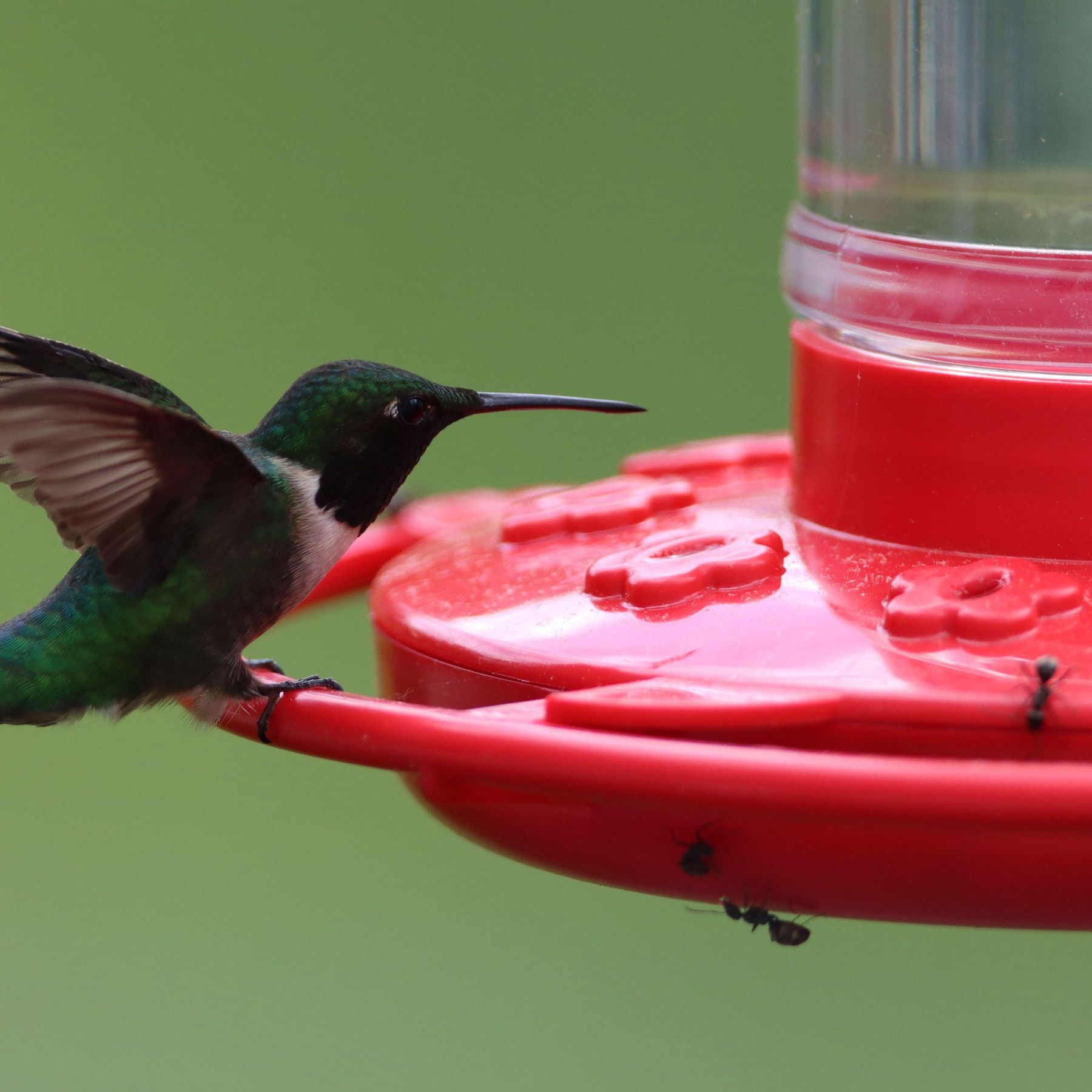
Place feeders at least 10 feet apart. This spacing prevents birds from fighting over food. It gives each hummingbird its own feeding space. Avoid crowding feeders close together. Spread them out in different areas of your yard. Keep feeders away from windows to avoid bird collisions. Proper spacing creates a peaceful feeding area.
Encouraging More Visitors
Use feeders with different colors and shapes. Red feeders attract hummingbirds best. Add feeders at varying heights to suit different species. Change feeder locations occasionally to spark curiosity. Provide fresh nectar often to keep feeders inviting. Plant native flowers nearby to offer natural food sources. These steps invite more hummingbirds to visit your feeders.
Credit: www.homesandgardens.com
Frequently Asked Questions
Where Is The Best Spot To Hang A Hummingbird Feeder?
Hang your feeder in a shady area to prevent nectar spoilage. Choose a spot visible from windows for easy viewing. Avoid windy places to keep the feeder stable and hummingbirds comfortable.
How High Should A Hummingbird Feeder Be Placed?
Place the feeder about 4 to 6 feet above the ground. This height keeps it safe from predators and easy to refill. It also attracts hummingbirds by mimicking their natural feeding height.
Should Hummingbird Feeders Be Near Flowers Or Trees?
Yes, place feeders near flowers or trees for natural cover. Trees offer protection and perching spots for hummingbirds. Flowers help attract more birds by providing natural nectar sources.
How Far From Windows Should A Hummingbird Feeder Be?
Position feeders at least 3 feet away from windows to prevent bird collisions. If space is limited, place them within 1 foot to minimize flight speed. Use decals or screens to reduce window strike risks.
Conclusion
Placing your hummingbird feeder in the right spot helps attract more birds. Choose a quiet area with some shade and protection from wind. Keep it near flowers or plants hummingbirds like. Make sure it is easy to see and reach for cleaning.
Changing the location slightly can bring new visitors. Enjoy watching these tiny birds up close every day. Small changes make a big difference in your garden’s life.