

Imagine stepping into your backyard and being greeted by the cheerful chirping of birds, all thanks to a simple addition—a bird feeder. But where should you place it for the best results?
This question might have crossed your mind as you wonder about transforming your outdoor space into a vibrant aviary. By strategically placing a bird feeder, you can attract a variety of feathered friends, creating a lively and engaging environment right outside your window.
Understanding the ideal locations for bird feeders not only enhances your bird-watching experience but also ensures the safety and comfort of these delightful visitors. Dive into this article to discover where a bird feeder would be found and unlock the secrets to a bustling bird haven in your own backyard.
Best Backyard Locations
Choosing the right spot for a bird feeder makes a big difference. Birds need safe, comfortable places to eat. The best backyard locations offer shelter, good visibility, and easy access. These spots attract more birds and keep them coming back often.
Near Trees And Shrubs
Bird feeders placed near trees and shrubs give birds natural cover. Birds feel safe from predators. Trees also provide perches for birds before and after feeding. Shrubs offer hiding spots and protection from wind. These locations create a welcoming environment for many bird species.
Open Spaces With Clear Views
Open spaces allow birds to spot danger early. Feeding areas with clear views help birds feel secure. These spots also make it easier for you to watch the birds. Place feeders where branches or walls do not block the view. This setup encourages more bird activity around the feeder.
Close To Water Sources
Birds need water to drink and bathe. Placing feeders near birdbaths or ponds attracts more visitors. Birds often visit water and food spots together. Water nearby supports their daily needs and keeps them healthy. This combination creates a lively and busy backyard for birdwatching.

Credit: feedsnneeds.ca
Ideal Urban Spots
Finding the right spot for a bird feeder in an urban environment can make all the difference in attracting feathered visitors. Urban areas may seem challenging, but there are clever locations that provide safety and easy access for birds. Let’s look at some ideal urban spots that work well for bird feeders and how you can make the most of them.
Balconies And Patios
Balconies and patios are excellent places to set up a bird feeder if you live in an apartment or condo. These spots give you a front-row seat to watch birds without disturbing their natural behavior.
Make sure your feeder is placed where birds can perch comfortably but also stay protected from strong winds. Adding a small branch or plant nearby can offer birds a resting place before they approach the feeder.
Community Gardens
Community gardens offer a natural and safe environment for birds amid the city. Installing a feeder here can attract a variety of species that thrive in green spaces.
Since these gardens are shared spaces, check with the community management before placing your feeder. A well-placed feeder can encourage local birdwatching and bring neighbors together around a common interest.
Window Feeders
Window feeders are perfect for bringing birds right to your home, especially if outdoor space is limited. They attach directly to the glass, giving you an up-close view of your visitors.
Position these feeders on windows that get good sunlight but avoid direct afternoon heat to keep the feed fresh. Have you noticed how much more you enjoy your morning coffee with birds chirping just inches away?
Garden And Park Settings
Bird feeders add charm and life to gardens and parks. They attract various birds, creating a lively environment. Placement matters for bird safety and visitor enjoyment. Garden and park settings offer many perfect spots for feeders. These areas provide natural shelter and food sources for birds. Strategic placement ensures birds feel safe and visitors get a good view.
Flower Beds And Bushes
Flower beds and bushes offer natural protection for birds. Feeders placed here blend with plants, making birds feel secure. Bushes act as a hiding spot from predators. Birds can quickly escape if danger appears. The colorful flowers attract birds, increasing feeder visits. Position feeders at the edge of flower beds for easy access.
Under Shade Trees
Shade trees offer cool shelter from sun and rain. Birds prefer feeders under trees for comfort and safety. Trees provide perches near feeders where birds can rest. The shade keeps seeds fresh longer by reducing heat. Place feeders where branches allow easy flight paths. Avoid placing feeders too close to thick branches to prevent predator hiding.
Near Bird Baths
Bird baths and feeders together create a complete bird station. Birds drink and bathe before or after feeding. This setup attracts more birds to one area. The water source encourages birds to stay longer. Place feeders close but not too near to avoid seed contamination. Clean the area regularly to keep birds healthy and happy.
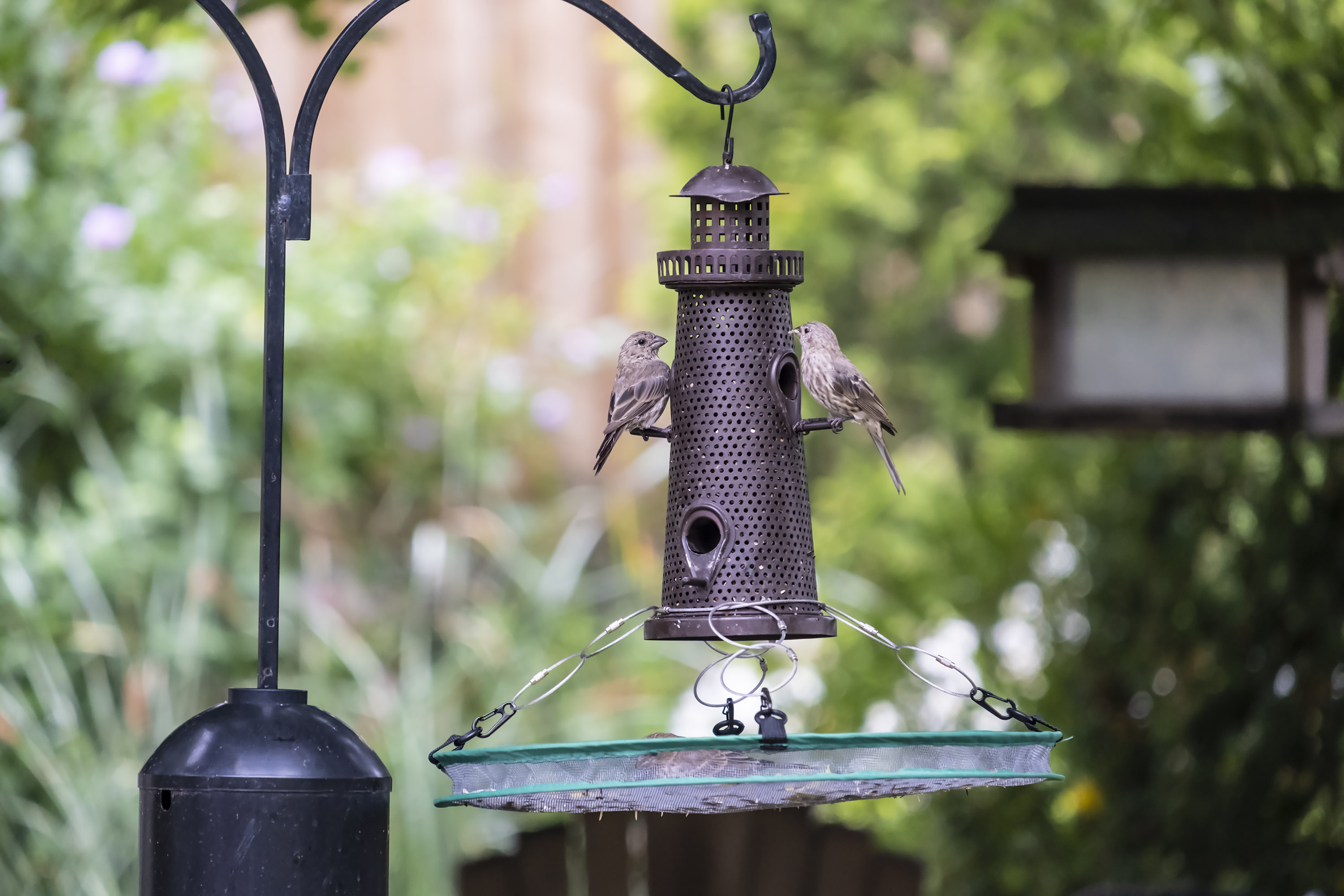
Credit: dengarden.com
Safety And Accessibility
Choosing the right spot for a bird feeder involves more than just picking a visible location. Safety and accessibility are key. Birds need a place where they feel secure and can easily reach food. At the same time, the feeder should not cause stress or harm to the birds. Balancing these factors helps attract more visitors to your feeder.
Avoiding Predators
Place feeders away from dense bushes or tall trees where predators hide. Keep them at least 10 feet from launching points for cats or squirrels. Use metal poles or baffles to stop climbing predators. This reduces danger and keeps birds safe while they feed.
Easy Access For Birds
Choose a spot with open space around the feeder. Birds need room to land and take off easily. Place feeders near natural cover like shrubs for quick escape. Avoid crowded or windy areas that make feeding hard. Accessibility helps birds feel comfortable and encourages frequent visits.
Minimizing Human Disturbance
Set feeders away from busy walkways or noisy spots. Birds prefer quiet places without much human traffic. Avoid placing feeders near windows to prevent bird collisions. A calm environment reduces stress and helps birds feed peacefully.
Seasonal Placement Tips
Bird feeders need thoughtful placement throughout the year. Seasons change bird behavior and habitat needs. Adjusting feeder spots can attract more birds and keep them safe. Each season offers unique challenges and opportunities for feeding birds effectively.
Winter Feeding Spots
Place feeders where birds find shelter from cold winds. Near evergreens or dense bushes works well. Snow cover may hide natural food, so feeders become vital. Keep feeders visible but protected from harsh weather. Ground feeders should be cleared of snow regularly. Water sources nearby help birds stay hydrated in freezing temperatures.
Summer Shade Areas
Choose shaded spots to keep seeds fresh longer. Birds avoid hot, direct sunlight during midday. Place feeders under tree canopies or porch eaves. Shade also protects birds from overheating while they eat. Water sources nearby encourage visits on hot days. Keep feeders clean to prevent mold in warm weather.
Spring Nesting Zones
Place feeders away from known nesting areas to avoid disturbance. Birds focus on building nests and caring for young. Provide food sources that support breeding birds, like protein-rich seeds. Position feeders near flowering plants that attract insects. Birds use both natural and feeder food for their chicks. Avoid moving feeders too often to keep birds comfortable.
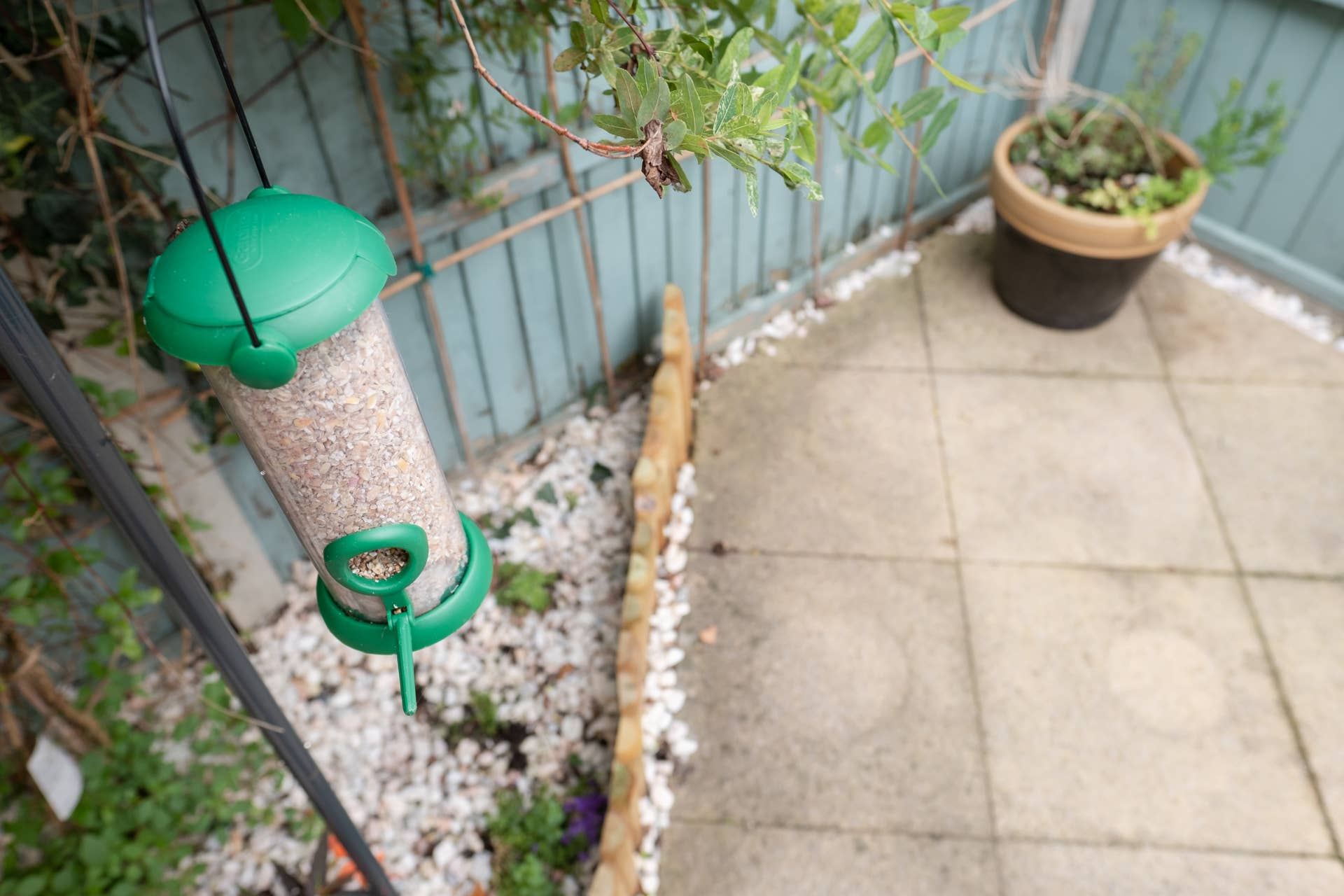
Credit: dengarden.com
Choosing The Right Feeder Location
Choosing the right location for your bird feeder can make all the difference in attracting a variety of birds and ensuring they stay safe and comfortable. It’s not just about hanging a feeder anywhere; thoughtful placement can improve your birdwatching experience and simplify the care your feeder needs. Let’s look at some key factors to consider when selecting the perfect spot.
Sunlight And Weather Protection
Birds prefer feeders that are sheltered from harsh weather. Position your feeder where it gets morning sunlight but is protected from strong afternoon heat and heavy rain. This helps keep the birdseed fresh longer and provides a comfortable spot for birds to feed.
Think about placing the feeder near trees or shrubs that can act as natural windbreaks. However, avoid spots where rainwater can easily splash onto the feeder, causing mold or seed spoilage. Do you notice birds avoiding feeders exposed to the elements in your yard?
Visibility For Birdwatching
Your feeder should be easy for you to see from a favorite window or sitting area. Clear visibility enhances your enjoyment and lets you identify different bird species without disturbing them. Place the feeder against a simple background, like the sky or a plain fence, to help colors and shapes stand out.
Consider how close you want to be to the birds. Sometimes a feeder a few feet from a window provides great views, but too close might scare shy birds away. Have you tried different distances and noticed changes in bird visits?
Maintenance And Refilling Ease
Think about how often you will refill and clean the feeder. A spot that’s easy to reach makes maintenance less of a chore and keeps the feeder in better condition. Avoid locations that require ladders or navigating through tight spaces, especially if you plan to refill often.
Also, consider placing the feeder where spilled seeds won’t create a mess or attract unwanted pests near your home. Accessibility can encourage you to keep the feeder fresh and inviting for birds. What’s your current setup like for refilling—easy or a hassle?
Frequently Asked Questions
Where Is The Best Place To Hang A Bird Feeder?
The best place to hang a bird feeder is near trees or shrubs. This offers birds shelter and protection from predators. Choose a spot visible from a window for easy bird watching. Avoid areas with strong winds or heavy foot traffic to keep birds safe and comfortable.
Can Bird Feeders Be Found In Urban Areas?
Yes, bird feeders are common in urban areas. Many city dwellers place them on balconies, patios, or gardens. Urban feeders attract local birds and help support wildlife in cities. They also provide a peaceful nature experience amid city life. Regular cleaning is important to prevent disease.
How High Should A Bird Feeder Be Placed?
A bird feeder should be placed 5 to 6 feet above the ground. This height protects birds from predators like cats. It also makes refilling and cleaning easier for you. Ensure the feeder is away from windows to prevent bird collisions.
Proper placement encourages frequent bird visits.
Why Place Bird Feeders Near Natural Vegetation?
Placing bird feeders near natural vegetation offers shelter and food sources. Birds feel safer and more likely to visit feeders near trees or bushes. Vegetation also provides nesting spots and protection from harsh weather. This natural setting supports a healthy bird population around your feeder.
Conclusion
A bird feeder fits best where birds feel safe and can easily find food. Gardens, patios, and near trees are great spots. Place feeders away from strong winds and busy areas. Clean feeders often to keep birds healthy. Watching birds visit brings joy and helps nature.
Small efforts create a welcoming space for many bird species. Enjoy the beauty and sounds of birds right outside your window. Simple choices make a big difference for feathered friends.