
Are you wondering where’s the best place to put a bird feeder? Choosing the right spot can make all the difference in attracting colorful birds to your yard.
You want a location that keeps your feathered visitors safe, happy, and coming back for more. You’ll discover simple tips and tricks to find the perfect place for your bird feeder—so you can enjoy beautiful birds right outside your window every day.
Keep reading to unlock the secrets that will turn your garden into a bird paradise!
Credit: dengarden.com
Choosing The Right Location
Choosing the right location for your bird feeder is key to attracting more visitors and ensuring their safety. The spot you pick affects how often birds will come, how comfortable they feel, and how easy it is for you to maintain the feeder. Let’s look at some practical tips to help you find the perfect place.
Consider Bird Activity Areas
Watch where birds naturally gather in your yard before hanging the feeder. Areas near trees, shrubs, or water sources often attract more birds because they offer shelter and food. Placing your feeder close to these spots makes birds feel safer and more likely to visit.
Have you noticed birds frequently landing on certain branches or perching in specific corners? Those are great clues. Avoid open spaces where birds may feel exposed to predators, as they tend to shy away from such areas.
Balance Sunlight And Shade
Birds enjoy a mix of sun and shade. Too much direct sun can spoil the seeds quickly, while constant shade might keep the feeder damp and messy. Aim for a spot that gets morning sun and afternoon shade to keep the food fresh and inviting.
Think about your own experience with garden plants—some thrive better with balanced light. The same idea applies here. A well-lit but not scorching location can also help birds stay comfortable during their visits.
Accessibility For Refilling
Choose a spot that is easy for you to reach regularly. You’ll need to refill the feeder often and clean it to prevent mold and disease. A location near a door or on a deck can save time and effort.
Imagine struggling to carry seed bags through thick bushes or over uneven ground. It’s better to avoid that hassle. Making refilling quick and simple encourages you to keep the feeder stocked and clean, which benefits the birds the most.
Credit: www.kingsyard.com
Safety For Birds
Ensuring safety for birds is a key part of choosing the right spot for your bird feeder. Birds are vulnerable to many threats while feeding, so your placement choices can make a big difference. You want a spot where birds feel secure enough to visit regularly without fear.
Avoid Predators
Keep your feeder out of easy reach for cats and other predators. Placing it at least 10 feet away from bushes or fences gives birds a quick escape route. Avoid spots near dense shrubs where predators can hide and pounce unexpectedly.
Think about visibility too. A feeder in an open area lets birds spot danger early. Have you noticed birds avoiding feeders hidden in thick brush? That’s because they don’t feel safe.
Distance From Windows
Windows can be a serious hazard for birds. Many birds fly into glass because they see reflections or think they can fly through. Position your feeder at least 3 feet away from windows to reduce collision risks.
If space is tight, consider adding decals or screens to break up reflections. You want birds to enjoy your feeder without turning it into a danger zone. How often do you see birds hitting your windows? Adjusting the feeder distance might help.
Protection From Weather
Birds need shelter from harsh weather while feeding. Placing your feeder near a tree or under a covered porch offers protection from rain, wind, and direct sun. This makes feeding safer and more comfortable for them.
Think about the direction of prevailing winds and sun exposure. A feeder facing east often avoids hot afternoon sun, which can spoil seed and stress birds. What weather conditions do birds in your area face most often? Adjust your feeder’s location accordingly.
Types Of Bird Feeders And Placement
Choosing the right type of bird feeder and placing it properly helps attract more birds. Different feeders suit different bird species and environments. Placement affects bird safety and feeding success. Understanding these options guides better decisions for your backyard visitors.
Hanging Feeders
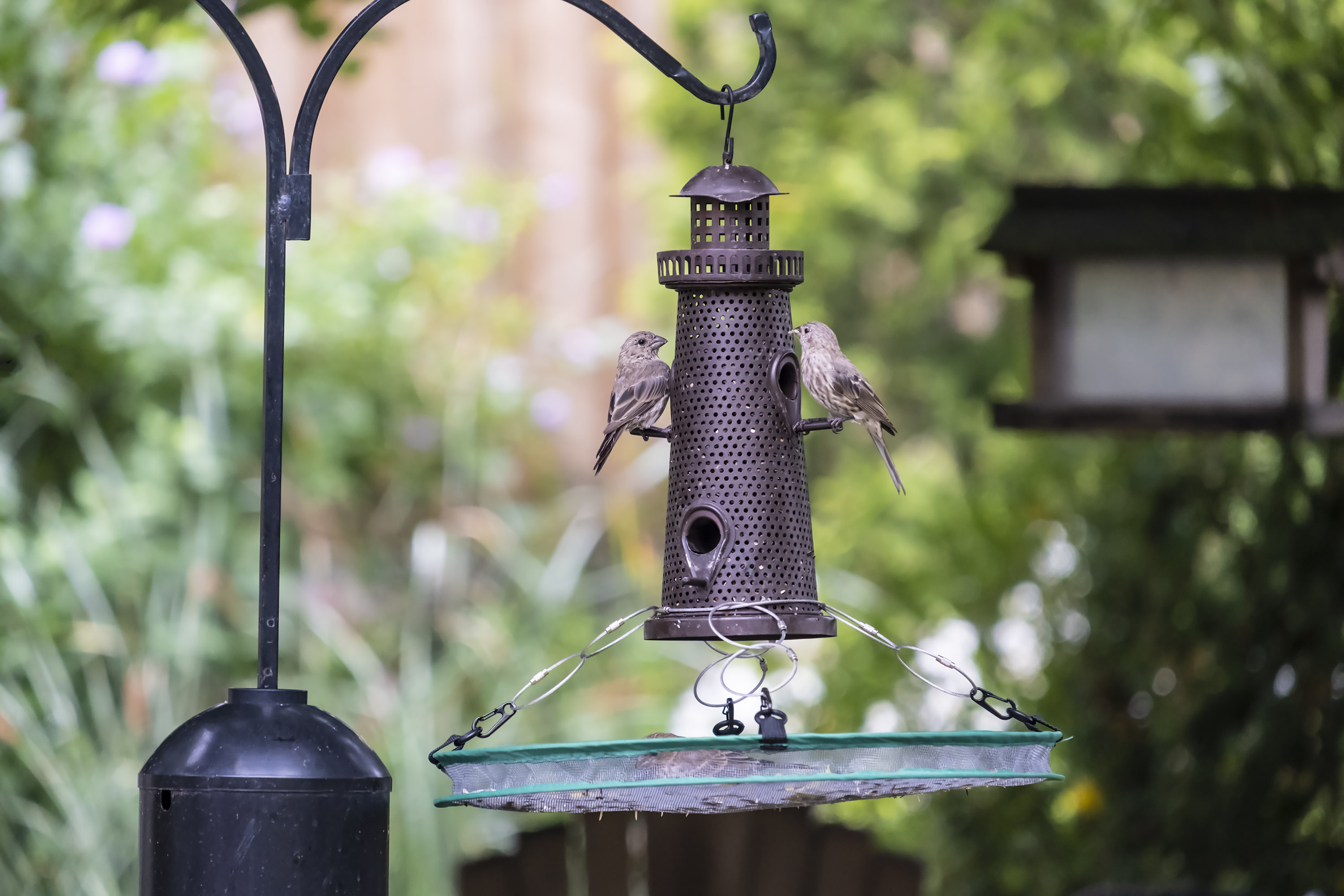
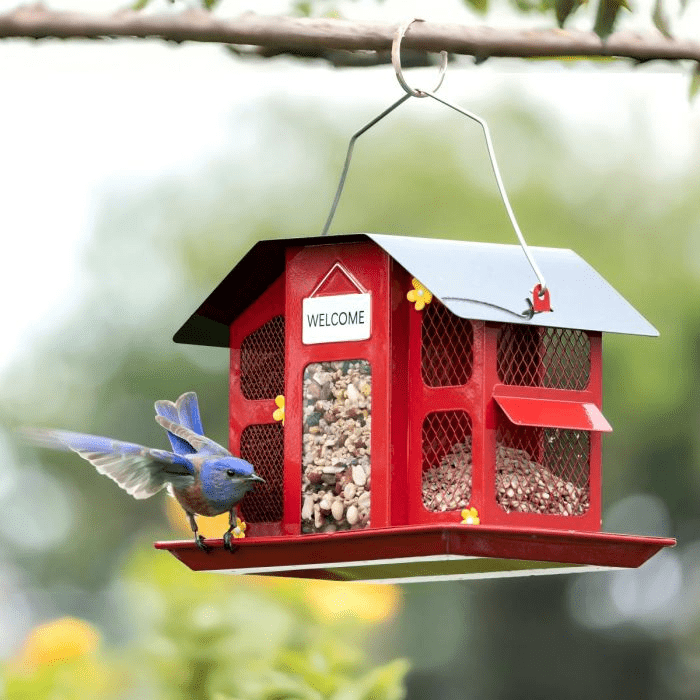
Hanging feeders are easy to install and move around. Hang them from tree branches, hooks, or porch ceilings. Choose a spot with some shade to keep seeds fresh. Place feeders near shrubs or trees for birds to rest and hide from predators. Avoid hanging too close to windows to prevent bird collisions.
Pole-mounted Feeders
Pole-mounted feeders stand on the ground with a supporting pole. These feeders often have guards to keep squirrels away. Place poles in open areas for birds to see predators easily. Surround poles with some bushes or trees nearby for quick shelter. Make sure poles are stable and secure to prevent tipping.
Ground Feeders
Ground feeders attract ground-feeding birds like doves and sparrows. Scatter seeds directly on the soil or use a low tray feeder. Place feeders in quiet, open spots away from heavy foot traffic. Add nearby cover such as low shrubs or tall grass for bird safety. Keep ground feeders clean to avoid disease.
Attracting Different Bird Species
Attracting different bird species requires careful thought about feeder placement. Birds have unique preferences for where they feed. Understanding these preferences helps create a welcoming space for many kinds of birds.
Feeder Height Preferences
Different birds prefer feeders at different heights. Small birds like finches and chickadees often feed low, around 3 to 5 feet. Larger birds, like cardinals and jays, prefer feeders placed higher, between 5 and 6 feet. Ground feeders attract sparrows and doves that like to feed on the ground. Adjusting feeder height can invite a variety of species to visit your yard.
Nearby Plants And Habitat
Birds feel safer near cover such as bushes, trees, or shrubs. Placing feeders close to natural shelter offers birds a quick escape from predators. Native plants that produce berries or seeds also attract birds. Creating a mix of open space and dense vegetation around feeders supports different species. This balance makes your feeder a natural part of the bird’s environment.
Food Type And Placement
Food type affects which birds visit your feeder. Seed-eating birds like sunflower seeds or millet. Hummingbirds prefer nectar feeders placed in sunny spots. Suet feeders attract woodpeckers and nuthatches. Placing specific foods in separate feeders reduces competition. This encourages a wider range of birds to feed comfortably.
Maintenance And Hygiene
Keeping your bird feeder clean is just as important as choosing the right spot for it. Proper maintenance and hygiene protect birds from harmful diseases and keep your garden visitors healthy and happy. Let’s look at practical ways to make cleaning easier and prevent health risks.
Easy-to-clean Spots
Choose a location that allows you easy access for regular cleaning. Placing the feeder near your door or patio can save you time and effort. Avoid hard-to-reach places where debris and droppings can build up unnoticed.
Think about the surface beneath the feeder, too. A spot over a hard surface like concrete or a patio is easier to sweep or hose down than grass or soil. This helps keep the area tidy and minimizes mold growth.
Preventing Mold And Disease
Mold thrives in damp, dark places, so avoid spots shaded by dense trees or close to walls that don’t get sunlight. Position your feeder where air circulates well to keep seeds dry.
Regularly clean the feeder with a mild bleach solution or vinegar to kill germs. This simple routine can prevent diseases like salmonella that harm birds and spread quickly.
Regular Inspection Tips
Set a schedule to inspect your feeder at least once a week. Look for old, wet seeds, mold, or damaged parts that could injure birds.
Check the surrounding area for droppings or spilled seeds that attract pests. Removing these promptly keeps your feeder safe and inviting.
Have you noticed how a clean feeder attracts more birds? Taking just a few minutes for maintenance can make your bird-watching much more rewarding.
Credit: dengarden.com
Enhancing Your Birdwatching Experience
Enhancing your birdwatching experience starts with more than just placing a feeder. Thoughtful setup transforms casual watching into a daily joy. It invites you to connect deeply with nature right from your own space.
Visibility From Home
Choose a spot where you can easily see the feeder from your favorite window. This way, you can watch birds without stepping outside and potentially scaring them away. A location near a window in your living room or kitchen often works well.
Consider the lighting too. Placing the feeder where the morning sun hits it can help you spot vibrant bird colors better. Have you ever noticed how a little sun makes feathers glow?
Setting Up Seating Areas
Create a comfortable spot near the feeder where you can sit quietly. Even a simple chair or bench can make a big difference. It invites longer visits and deeper observation of bird behavior.
Try adding a small table for your bird guidebooks or a cup of tea. This encourages you to spend more time enjoying the moment. How much more would you watch if you felt relaxed and cozy outdoors?
Using Cameras And Binoculars
Investing in binoculars or a camera with a zoom lens can open up new ways to enjoy birdwatching. Binoculars let you see fine details without disturbing the birds. Cameras allow you to capture those special moments to share or study later.
Position your equipment where it’s easy to grab but won’t startle your feathered visitors. Think about a small shelf or side table near your seating area. What could you discover by zooming in on a bird’s intricate patterns or behaviors?
Frequently Asked Questions
Where Is The Ideal Location For A Bird Feeder?
The ideal location for a bird feeder is a quiet, sheltered spot. It should be away from predators and harsh weather. Ensure it is visible to birds and near natural cover like trees. This provides safety and comfort for feeding birds.
How High Should A Bird Feeder Be Placed?
A bird feeder should be 5 to 6 feet above the ground. This height deters predators and provides easy access for birds. Ensure it’s reachable for cleaning and refilling. Adjust the height based on the type of birds you want to attract.
Can Bird Feeders Be Placed Near Windows?
Yes, bird feeders can be near windows if precautions are taken. Position feeders within 3 feet of windows to minimize collision risks. Using window decals can also help prevent bird strikes. Enjoy close-up views of visiting birds safely.
Is It Okay To Hang Bird Feeders In Trees?
Hanging bird feeders in trees is a great option. Trees offer natural protection and appeal to birds. Ensure the feeder is secure and not too close to tree trunks. This placement helps prevent predators from accessing the feeder easily.
Conclusion
Placing a bird feeder in the right spot helps birds visit often. Choose a quiet area with some shade and safety. Keep it near plants or trees for shelter and food. Avoid places too close to windows to stop bird collisions.
Clean the feeder regularly to keep birds healthy. Watching birds up close brings joy and peace. A good spot makes feeding birds easy and fun for everyone. Try different places to see what works best for your feathered friends.