
Have you ever wondered if any birds feed milk to their babies? It sounds strange, doesn’t it?
After all, we usually think of milk as something only mammals produce. But what if I told you there’s a bird that actually does this? You’re about to discover a surprising fact that will change the way you see the bird world forever.
Keep reading, because this little-known secret is as fascinating as it is unexpected—and it might just amaze you!

Credit: besgroup.org
Birds That Feed Milk
Most birds feed their babies with seeds, insects, or regurgitated food. But some birds take a unique approach—they actually produce a special kind of milk to nourish their chicks. This bird milk is not like mammal milk; it’s a nutrient-rich secretion that plays a crucial role in early development. Curious which birds feed milk to their young? Let’s look at some surprising examples.
Pigeons And Doves
Pigeons and doves create a thick, protein-packed substance known as “crop milk.” Both males and females produce it from the lining of their crop, a pouch in their throat. This milk is fed to hatchlings during their first week and is essential for their growth and immune system.
Interestingly, crop milk is rich in fat and antibodies, helping chicks fight diseases. Have you ever noticed how quickly baby pigeons grow? That’s largely thanks to this unique feeding method. If you keep pigeons, understanding this can help you support their health better.
Flamingos
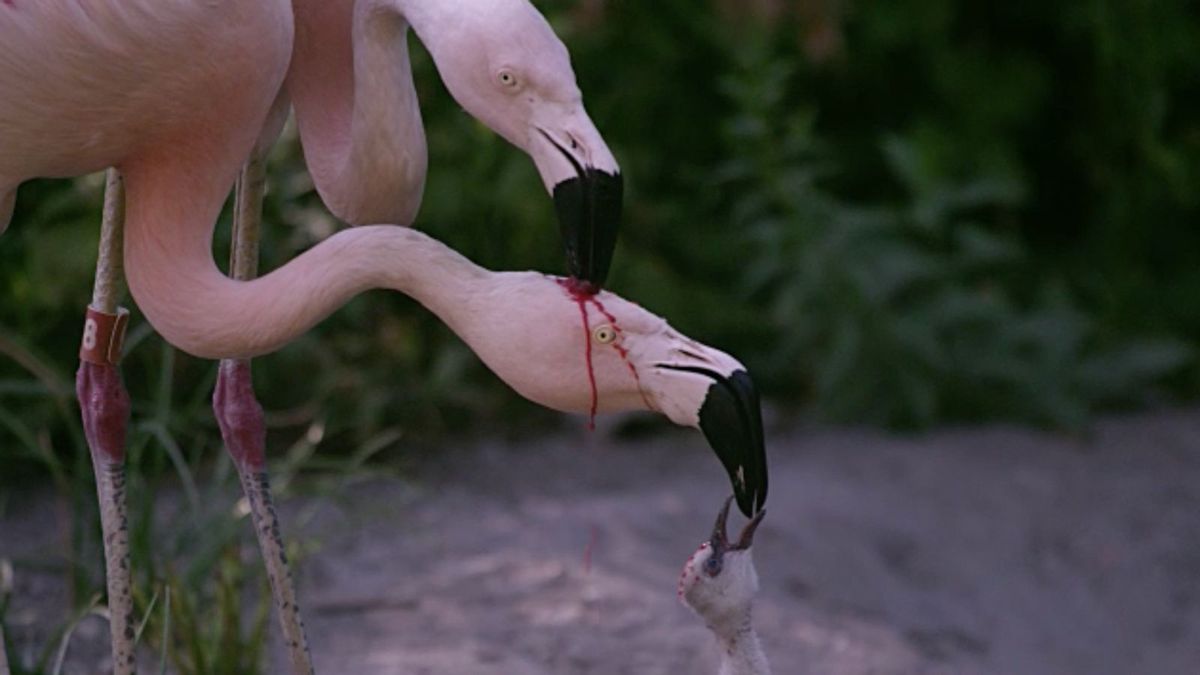
Flamingos also produce a form of crop milk to feed their young. Their milk is reddish because it contains pigments from their diet, which is rich in carotenoids. Both parents share the feeding duty, ensuring the chick gets enough nutrients early on.
The crop milk of flamingos is high in fat and protein, similar to pigeons. This feeding strategy gives flamingo chicks a strong start before they transition to filtering food from water. Have you ever wondered how flamingos manage to thrive in harsh environments? Their crop milk plays a part in that survival story.
Male Emperor Penguins
Male emperor penguins don’t produce milk like pigeons or flamingos, but they perform an equally fascinating feeding role. After the female lays the egg, she leaves to feed, and the male incubates the egg without eating for weeks. Once the chick hatches, the male regurgitates a nutrient-rich substance to feed it.
This regurgitated “milk” contains high energy and essential nutrients, keeping the chick alive during the harsh Antarctic winter. It’s amazing how the male’s sacrifice and specialized feeding support the next generation’s survival. How much do you think parental care influences a chick’s chance of survival in extreme conditions?
What Is Crop Milk
Crop milk is a special substance produced by some bird species to feed their young. Unlike mammalian milk, it is not made in mammary glands. Instead, it comes from the lining of the bird’s crop, a pouch in their throat. This milk helps baby birds grow strong during their first days.
Composition And Nutrients
Crop milk contains proteins, fats, and water. It is rich in antibodies that protect babies from diseases. The high protein level helps baby birds build muscles quickly. It also has good fats, which provide energy for growth. Vitamins and minerals in crop milk support healthy development.
How It Differs From Mammalian Milk
Mammalian milk comes from mammary glands, but crop milk comes from the crop. Crop milk looks like a thick, cheesy substance, not liquid like cow’s milk. It has no lactose, which is a sugar found in mammal milk. Baby birds eat crop milk for only a short time, then move to solid food. Mammalian babies rely on milk for longer periods.
How Birds Produce Crop Milk
Understanding how birds produce crop milk reveals a fascinating part of nature’s care system. Unlike mammalian milk, crop milk is a unique, nutrient-rich secretion that certain birds produce to feed their young. This process involves specific hormonal signals and physical adaptations within the bird’s body, making it a remarkable biological function worth exploring.
Hormonal Triggers
Hormones play a crucial role in signaling the bird’s body to start producing crop milk. Prolactin, often called the “parenting hormone,” rises significantly in both male and female birds during breeding. This hormone stimulates the cells in the crop to begin producing the rich, milky substance essential for feeding chicks.
Have you ever wondered why both parents in some bird species can feed their young? It’s because prolactin levels increase in both sexes, enabling them to produce crop milk. This hormonal change happens rapidly as the eggs hatch, ensuring the chicks get immediate nourishment.
Physical Changes In The Crop
The crop, a specialized pouch in the bird’s throat, undergoes noticeable changes to prepare for milk production. Its lining thickens and becomes filled with nutrient-rich cells that slough off to form the crop milk. Unlike regular food stored in the crop, this milk is a semi-solid, highly digestible substance packed with proteins and fats.
During this phase, the bird’s crop looks swollen and reddish due to increased blood flow and cell growth. This physical transformation is essential for producing enough crop milk to sustain the rapidly growing chicks. Have you noticed how attentive some bird parents become right after hatching? This physical change in their crop supports that urgent feeding behavior perfectly.
Credit: www.snopes.com
Feeding Behavior And Parental Care
Understanding the feeding behavior and parental care of birds that feed milk to their babies reveals fascinating insights into their survival strategies. Unlike mammals, only a few bird species produce a nutrient-rich substance often called “crop milk.” Observing how these parents feed their young can reshape your perspective on avian care and commitment.
Frequency And Duration Of Feeding
Birds that feed milk to their chicks do so frequently throughout the day. This milk is highly nutritious but also perishable, so parents need to provide fresh servings regularly.
The feeding sessions are often brief but repeated many times daily. This ensures the chicks receive enough nourishment to grow rapidly during their early days.
Have you ever wondered how these tiny meals impact chick growth compared to other feeding methods? The constant attention and fresh crop milk help chicks develop faster and stay healthy.
Role Of Both Parents
In many species that produce crop milk, both the male and female share the responsibility of feeding the young. This teamwork increases the chances of chick survival.
Each parent takes turns feeding and guarding the nest, allowing the other to forage or rest. This balanced effort highlights how cooperation is key in bird parenting.
Seeing both parents involved might make you reflect on the importance of shared duties in raising offspring, whether in birds or humans. It’s a powerful example of dedication and partnership in the animal kingdom.
Evolutionary Advantages
Birds that feed milk to their babies have unique evolutionary benefits. This special feeding method helps chicks grow strong and survive tough conditions. It offers nutrition and protection in early life stages. The process shows how nature adapts to improve species survival.
Survival Benefits For Chicks
Feeding milk provides essential nutrients directly to chicks. It boosts their immune system and speeds up growth. Chicks get hydration and energy in a simple form. This reduces risks from harsh environments and food shortages. It also strengthens the bond between parent and chick. Stronger bonds mean better care and protection.
Adaptations In Different Species
Various bird species have developed this milk feeding in unique ways. Some produce crop milk, a nutrient-rich secretion from the crop. Others develop special glands to feed their young. These adaptations suit each species’ habitat and lifestyle. They improve chick survival in diverse environments. This variety shows evolution’s role in shaping bird parenting.

Credit: besgroup.org
Surprising Bird Milk Facts
Birds are known for many fascinating traits, but few realize some species produce a milk-like substance to feed their young. This “bird milk” is not like mammal milk but plays a vital role in chick development. Understanding these surprising facts sheds light on how diverse nature’s feeding strategies are.
Nutritional Value Compared To Mammals
Bird milk contains proteins, fats, and nutrients essential for growing chicks. It is highly rich in fat, which helps young birds gain energy fast. Unlike mammal milk, bird milk has no lactose. This makes it easier for chicks to digest.
The concentration of nutrients varies by species but often exceeds some mammal milks in fat content. Bird milk supports rapid growth during the early days after hatching. It also contains immune-boosting elements to protect chicks from disease.
Unique Cases In The Bird World
Several bird species produce a special secretion called crop milk. Pigeons and doves are famous for this. Both male and female birds feed their chicks with this nutrient-rich substance.
Flamingos and emperor penguins also produce a form of crop milk. This is rare among birds and shows how evolution adapts feeding methods. Crop milk is thick, yellowish, and full of antioxidants and proteins. It helps chicks survive in harsh environments where food is scarce.
Frequently Asked Questions
Which Birds Feed Milk To Their Babies?
Pigeons and doves produce a nutrient-rich substance called “crop milk. ” They feed this milk to their chicks for the first few days after hatching.
How Is Bird Milk Produced?
Bird milk is secreted from the lining of the crop, a specialized part of the digestive tract. Both parent pigeons and doves produce it to nourish their young.
Is Bird Milk Similar To Mammal Milk?
No, bird milk is not true milk like mammals produce. It is a semi-solid, protein-rich secretion that serves the same nourishing purpose for baby birds.
How Long Do Baby Birds Get Fed Crop Milk?
Baby pigeons and doves receive crop milk for about 3 to 5 days after hatching. Then, parents gradually introduce regurgitated seeds and food.
Conclusion
Discovering which birds feed milk to their young is fascinating. Pigeons and doves produce a special milk. This milk nourishes their chicks, ensuring growth and health. Birdwatchers find this behavior intriguing and unique. Understanding bird care enriches our appreciation of nature.
Observing these feeding habits deepens our connection to wildlife. Birds’ nurturing instincts reflect nature’s wonders. Sharing this knowledge can inspire others. Encourage curiosity about the natural world. Learning about birds can be a delightful journey. Nature always has more secrets to reveal.
Explore and appreciate these amazing creatures. They have much to teach us.