

Are you wondering which worm to feed wild birds in your backyard? Choosing the right worm can make a big difference in attracting more birds and keeping them healthy.
You want to offer something that’s not only tasty but also packed with nutrients. You’ll discover the best types of worms that wild birds love and why they matter. Keep reading to find out how you can turn your outdoor space into a bird’s favorite dining spot!
Credit: feedtheball.com
Benefits Of Feeding Worms To Wild Birds
Feeding worms to wild birds offers many benefits. Worms are a natural food source that birds find easy to eat. They provide essential nutrients that help birds stay strong and active. Birds enjoy hunting for worms, which also keeps their instincts sharp. Offering worms supports birds during breeding and colder seasons when food is scarce.
Nutritional Value Of Worms
Worms are rich in protein, which is vital for muscle growth and repair. They contain healthy fats that provide energy for daily activities. Worms also deliver important minerals such as iron and calcium. These nutrients support strong bones and healthy blood. Feeding worms gives birds a balanced diet that helps them thrive.
Enhancing Bird Health And Vitality
Eating worms boosts birds’ immune systems, helping them fight diseases. Worms improve feather quality, making birds better at flying and staying warm. Birds gain stamina from the energy worms provide, allowing longer flights and more activity. Regular feeding of worms can increase bird survival rates during tough seasons. Healthy birds attract mates and raise stronger chicks.
?imgeng=/w_auto,350/h_350)
Credit: www.jollyes.co.uk
Common Worm Types For Wild Birds
Wild birds thrive on a variety of natural foods. Worms are a favorite source of protein and energy. Different types of worms offer unique benefits. Knowing which worms to feed helps support bird health and activity.
Here are some common worm types that wild birds enjoy:
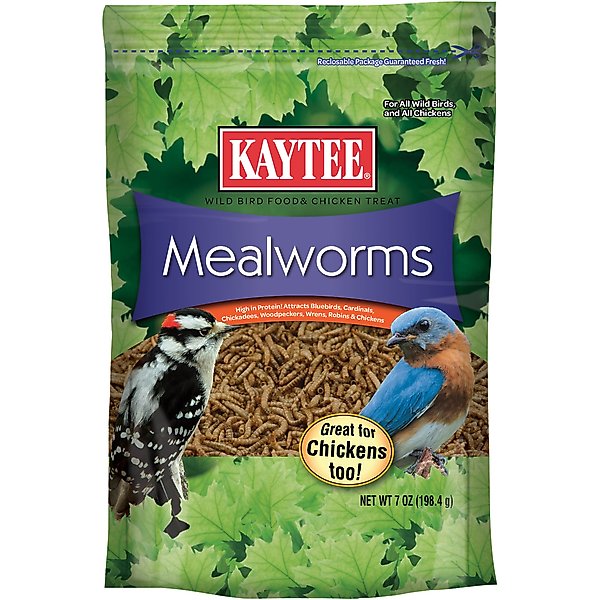
Mealworms
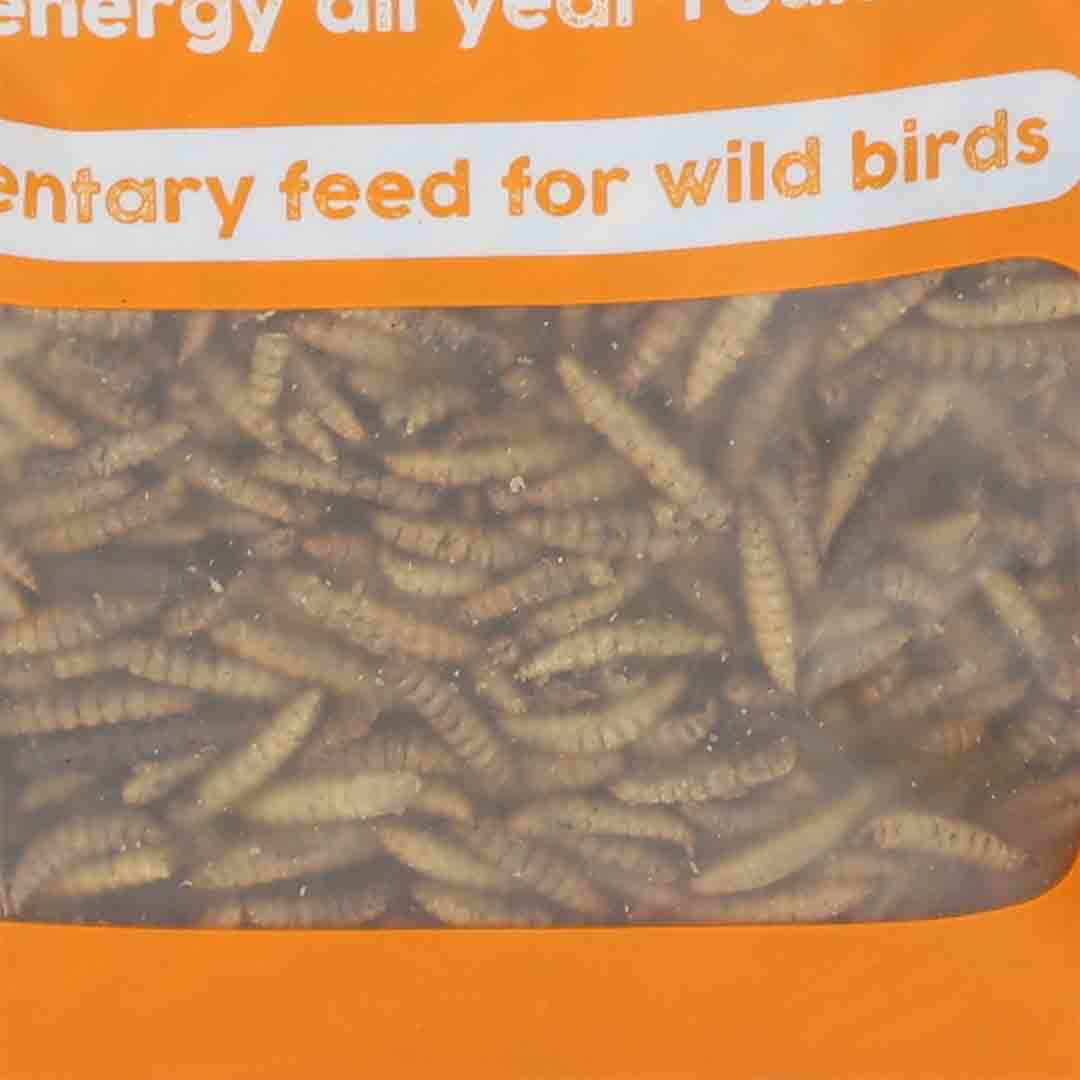
Mealworms are the larvae of beetles. They are high in protein and easy for birds to eat. Many songbirds love mealworms. These worms can be offered live or dried. Mealworms help birds stay energetic, especially during breeding season.
Earthworms
Earthworms live in soil and are rich in nutrients. Birds like robins and thrushes often hunt earthworms. These worms provide moisture and essential minerals. Earthworms are natural and safe for most wild birds. They are an excellent choice for outdoor feeding.
Waxworms
Waxworms are the larvae of wax moths. They are softer and fattier than other worms. Birds enjoy waxworms as a treat. Waxworms supply extra energy, especially in cold weather. Use waxworms sparingly due to their high fat content.
Bloodworms
Bloodworms are red larvae found in water. Aquatic birds and some songbirds find them tasty. Bloodworms contain iron and protein. These worms are a good option for birds near ponds or lakes. They add variety to a bird’s diet.
Choosing The Best Worms
Choosing the best worms for wild birds can boost their nutrition. Birds need protein-rich foods to stay healthy. Worms are a great source of protein and other nutrients. Different birds prefer different types of worms. It’s vital to choose the right ones. This guide helps find the best worms for various birds.
Nutrient Content Comparison
Worms vary in nutrient content. Mealworms are popular for their high protein. They contain about 20% protein and 13% fat. Earthworms are also rich in protein. They provide essential amino acids. Black soldier fly larvae are another option. They have more calcium than mealworms. This is important for bone health in birds.
Suitability For Different Bird Species
Different birds have unique dietary needs. Bluebirds love mealworms. Their soft texture is easy to eat. Robins prefer earthworms. They dig for them in the soil. Chickens enjoy black soldier fly larvae. These larvae offer extra calcium. This is crucial for egg-laying birds.
Understanding these preferences helps provide the right nutrition. Offering the right worms attracts a variety of birds to your garden. This ensures birds get the nutrients they need.
Credit: www.jollyes.co.uk
Safe Feeding Practices
Feeding wild birds worms can be a rewarding experience, but it requires careful attention to safety. Ensuring the worms you offer are fresh, appropriate in quantity, and free from contaminants protects both the birds and your environment. Let’s look at how to keep feeding safe and enjoyable for everyone involved.
Freshness And Quality
Always choose worms that are fresh and lively. Dead or spoiled worms can carry diseases harmful to birds.
Keep your worms in a cool, ventilated container until feeding time. Avoid worms that smell bad or look slimy, as these signs indicate decay.
Have you ever noticed birds avoiding certain food? That’s often a natural warning against poor quality. Your goal is to offer only the best to encourage healthy feeding habits.
Avoiding Overfeeding
Giving birds too many worms can upset their natural diet and lead to health problems. Offer small amounts and observe if the birds return for more.
It’s better to feed regularly but in moderation. This keeps the birds interested without overwhelming their digestive systems.
Ask yourself: Are you feeding to help the birds or just enjoying watching them? Balance is key to long-term benefits.
Preventing Contamination
Use clean feeding trays or surfaces to avoid spreading bacteria. Worms can carry pathogens if placed directly on dirty ground or rusty feeders.
Wash your hands before and after handling worms to protect both you and the birds. Avoid using worms from unknown sources where pesticides or chemicals may be present.
Consider rotating feeding spots to prevent buildup of waste and reduce the risk of disease. What steps can you take today to keep your bird feeding area hygienic?
Where To Source Worms
Knowing where to source worms is key to feeding wild birds effectively. The right worms can attract a variety of birds and keep them coming back to your garden. You have several options to consider, each with its own benefits and challenges.
Buying From Pet Stores
Pet stores often sell worms specifically packaged for feeding reptiles or fish, which can be a convenient choice. These worms are usually clean and safe, reducing the risk of introducing harmful pests to your garden. However, prices can add up if you feed birds regularly.
If you want a reliable supply without much effort, this option works well. Look for red wigglers or nightcrawlers, which are popular among birds. Have you checked if your local pet store offers bulk discounts? That could save you money over time.
Harvesting Locally
Collecting worms from your own yard or nearby natural areas can be rewarding and free. Early mornings or after rainstorms are the best times to find worms active on the surface. But be cautious about pesticides or pollutants in your area—they can harm both the worms and the birds.
Try digging in moist soil under leaf litter or garden compost. You might be surprised how many worms are just beneath the surface. Have you noticed how some bird species respond more eagerly to freshly sourced worms? That’s a sign of natural appeal.
Raising Your Own Worms
Starting a worm bin at home offers a steady, eco-friendly supply. Composting worms like red wigglers thrive in bins filled with kitchen scraps and shredded paper. This method not only feeds your birds but also reduces household waste.
Worm farming does require some care—maintaining moisture and temperature is important. But once set up, it becomes a self-sustaining system. Have you thought about the added bonus of enriching your garden soil with worm castings?
Seasonal Considerations For Feeding
Seasonal changes affect the availability of natural food for wild birds. Worms are a great source of protein and nutrients. Choosing the right type of worm depends on the season. Birds need different nutrients during cold and warm months. Providing the right worms helps them stay healthy and active year-round.
Feeding In Winter
Cold weather makes it hard for birds to find food. Earthworms may be deeper underground or frozen. Mealworms are a good choice for winter feeding. They are high in protein and easy to store. Freeze-dried or live mealworms work well. Bloodworms also provide nutrients but are better for water birds.
- Offer mealworms in a dry, sheltered feeder.
- Check feeders often for moisture or mold.
- Avoid worms that freeze easily outside.
Summer Feeding Tips
Summer offers more natural food sources. Birds eat plenty of insects and worms during this time. Nightcrawlers and red wigglers are good summer options. They thrive in warm soil and are easy for birds to catch. Feeding worms helps young birds grow strong. Keep worms fresh by storing them in cool, moist conditions.
- Place worms in open feeders or near soil.
- Offer small amounts to avoid waste.
- Keep feeders clean to prevent disease.
Alternatives To Worms For Wild Birds
Worms are a popular food for wild birds, but they are not the only option. Many birds enjoy a variety of foods that provide essential nutrients. Offering alternatives can attract different bird species and keep your garden lively. Below are some great choices to feed wild birds besides worms.
Insects
Insects are a natural food source for many birds. They provide protein and fats needed for energy and growth. You can offer live mealworms, crickets, or dried insects. These are easy to find in pet stores or online. Birds like robins, bluebirds, and wrens especially enjoy insects. Insects also help baby birds grow strong and healthy.
Seeds And Nuts
Seeds and nuts are excellent for attracting seed-eating birds. Sunflower seeds, millet, and safflower seeds are popular choices. Peanuts and chopped nuts also work well. Place them in feeders or scatter on the ground. Finches, chickadees, and woodpeckers love these foods. Seeds and nuts provide energy and healthy fats for birds.
Fruits
Fruits are a sweet treat for many birds. Offer sliced apples, berries, grapes, or oranges. Soft fruits like bananas and melon work too. Fruit attracts species like orioles, tanagers, and waxwings. Fresh or dried fruit can be placed on a platform feeder or hung in mesh bags. Fruits add vitamins and natural sugars to birds’ diets.
Frequently Asked Questions
What Types Of Worms Do Wild Birds Prefer?
Wild birds commonly eat mealworms, earthworms, and waxworms. These worms are high in protein and easy to digest. Mealworms are especially popular for many bird species. Providing a variety of worms can attract diverse bird types to your feeder.
Are Live Or Dried Worms Better For Wild Birds?
Live worms are generally better as they mimic natural prey and stimulate birds’ hunting instincts. Dried worms offer convenience but lack moisture and movement, which birds prefer. For best results, offer live worms when possible to promote healthy feeding behavior.
How Often Should I Feed Worms To Wild Birds?
Feed worms to wild birds two to three times a week. Overfeeding can cause dependency and health issues. Ensure worms are fresh and clean to avoid spreading diseases. Moderation helps maintain birds’ natural foraging habits and overall well-being.
Can Feeding Worms Harm Wild Birds In Any Way?
Feeding worms is safe if worms are clean and pesticide-free. Avoid worms from unknown sources to prevent parasites or toxins. Excess feeding may disrupt natural diets. Always offer worms as a supplement, not a primary food source for wild birds.
Conclusion
Feeding wild birds the right worms helps them stay healthy and strong. Mealworms and earthworms suit many bird species well. They provide good protein and energy for birds. Avoid worms from unknown sources to keep birds safe. Fresh, clean worms attract more birds to your yard.
Enjoy watching birds thrive with proper feeding choices. Small efforts create a big difference for wild birds. Keep feeding simple, safe, and natural for best results.