
Have you ever paused to marvel at the lively dance of birds around the trees in your backyard or local park? It’s a delightful spectacle, isn’t it?
Birds are not just drawn to trees for their beauty; they find a haven and a banquet there. But have you wondered why they choose these leafy giants as their favorite dining spots? Understanding this can not only deepen your appreciation for nature but also transform your outdoor space into a bird paradise.
We’ll uncover the fascinating reasons why birds flock to trees for feeding. You’ll discover simple ways to attract more of these feathered guests to your own garden, creating an enchanting and vibrant ecosystem right at home. Stick around, because the secrets of the trees could change the way you see your surroundings forever.
Birds And Trees Connection
Birds and trees share a natural bond that supports life in many ways. Trees provide shelter, food, and a safe place for birds to rest. This connection is vital for bird survival and helps keep ecosystems balanced.
Trees offer birds a place to build nests and hide from predators. Birds also use trees to find insects and fruits for food. The variety of trees in an area can affect which birds visit or stay.
Why Trees Attract Birds
Trees attract birds by offering food, shelter, and safety. Birds look for places with plenty of insects or fruits to eat. Trees with dense leaves give good cover from bad weather and predators.
Birds feel safe in tall trees that offer high perches. These spots help them watch for danger and protect their nests. Trees also provide shade and cooler spots during hot days.
Types Of Trees Birds Prefer
- Oak Trees:Rich in acorns and insects, oak trees attract many birds.
- Pine Trees:Provide seeds and good cover, favorite of many bird species.
- Maple Trees:Offer sap and attract insects that birds eat.
- Fruit Trees:Apple, cherry, and berry trees supply sweet fruits for birds.
- Willows:Near water, these trees attract birds that feed on insects.

Credit: happygardens.com
Feeding Habits Near Trees
Birds often gather near trees to find food. Trees create a rich environment full of tasty options. Birds use trees as a place to eat, rest, and stay safe. Their feeding habits near trees show how important these plants are to their daily life.
Common Food Sources Around Trees
Trees offer many types of food for birds. Seeds fall from cones and fruits on branches. Insects hide in bark and leaves. Birds pick berries and nuts from trees. Some birds eat small animals found near tree roots.
- Seeds from pine cones and acorns
- Berries like elderberries and mulberries
- Insects such as caterpillars and beetles
- Nuts like walnuts and hazelnuts
- Small frogs or spiders near tree trunks
How Trees Influence Bird Diet
Trees shape what birds eat by providing food and shelter. Birds find many insects on tree leaves. Flowers on trees produce nectar for some species. Fruit trees offer sweet treats during harvest seasons. Tree branches give birds a place to eat safely. Different tree types attract different birds and food types. This variety helps birds survive all year.
Unexpected Feeding Spots
Birds do not only feed from the usual spots like feeders or open fields. Trees offer many unexpected places for birds to find food. These spots often go unnoticed but are full of life and nourishment for various bird species.
Birds explore tree bark, leaves, flowers, and fruits. These sources provide essential nutrients and energy. Birds’ feeding habits in these spots help maintain the balance of nature.
Feeding On Tree Bark And Leaves
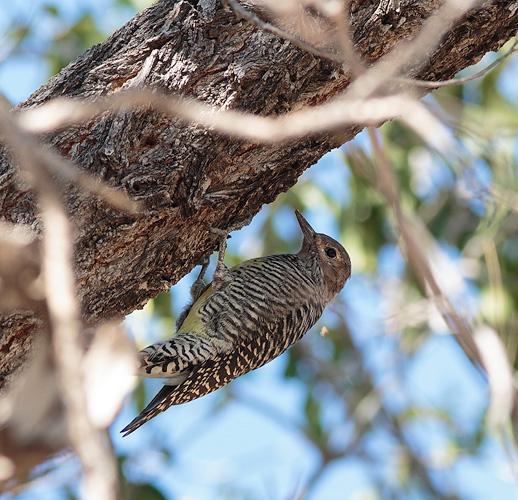
Many birds peck at tree bark to find insects hiding underneath. Woodpeckers are famous for this behavior. They use their strong beaks to chip away bark and catch bugs.
Leaves also attract some birds. They may eat insects living on or inside the leaves. Some birds nibble on soft leaves for moisture and nutrients.
- Tree bark hides insects and larvae.
- Leaves provide insects and some moisture.
- Birds like nuthatches and woodpeckers often feed here.
Birds Feeding On Tree Flowers And Fruits
Tree flowers attract birds with nectar and insects. Hummingbirds and sunbirds often visit flowers for nectar. Other birds eat insects that gather around flowers.
Fruits are a favorite food source for many birds. They eat berries, seeds, and soft fruits directly from the tree. Fruit-eating birds help spread seeds, aiding tree growth.
- Flowers offer nectar and insects.
- Fruits provide energy and vitamins.
- Birds like orioles, tanagers, and thrushes feed on fruits.
Trees As Safe Feeding Zones
Trees serve as vital safe feeding zones for many bird species. Their branches and leaves create a natural refuge that birds depend on during feeding times. This natural protection helps birds eat without constant fear. The presence of trees offers a combination of safety and comfort that open spaces cannot provide.
Protection From Predators
Trees give birds a high vantage point to spot danger early. Birds can quickly hide among leaves and branches when predators approach. The dense foliage makes it hard for predators to reach or see them clearly. This natural shield allows birds to feed calmly and stay alert at the same time.
Shelter From Weather
Trees protect birds from harsh weather like rain, wind, and sun. Leaves and branches block heavy rain and reduce the impact of strong winds. During hot days, the shade keeps birds cool while they eat. This shelter helps birds maintain energy and survive tough weather conditions.
Feeding Strategies In Different Seasons
Birds change their feeding habits based on the season. Trees provide food and shelter, but birds adapt their strategies to survive. Understanding these changes helps us appreciate their behavior and the role of trees in their lives.
Spring And Summer Feeding Patterns
Spring and summer bring warmth and new growth. Trees burst with leaves, flowers, and fruits. Birds take advantage of this abundance. Many feed on insects that live on trees.
- Insects and larvae are rich in protein, vital for raising young birds.
- Fruit-eating birds enjoy berries and seeds that ripen during this time.
- Some birds catch flying insects around tree branches.
These months also see more bird activity. Birds spend more time foraging to support their chicks. Trees offer shelter and nesting sites, making feeding easier and safer.
Winter Feeding Behavior
Winter is a challenging time for birds. Food becomes scarce, and trees lose their leaves. Birds adjust by changing their diets and feeding spots.
- Many rely on seeds and nuts left on trees.
- Some birds store food in the fall and eat it during winter.
- Birds also visit feeders or ground areas for leftover food.
Evergreen trees remain important as they provide shelter and food sources. Birds conserve energy by feeding less frequently but choosing high-energy food.
Credit: nationalzoo.si.edu
Human Impact On Bird Feeding Near Trees
Human activities have a strong effect on bird feeding near trees. Trees provide food, shelter, and safety for many bird species. Changes in the environment due to humans affect how birds find and use food around trees. Some actions help birds, while others make feeding harder for them.
Urban Trees And Bird Feeding
Urban trees offer vital spots for birds to feed and rest. Cities with many trees support diverse bird populations. Birds find insects, fruits, and seeds in these trees. Trees in parks and gardens create safe feeding areas away from predators.
Still, urban areas have challenges for birds:
- Pollution can reduce insect numbers on trees.
- Noise from traffic disturbs bird feeding habits.
- Light pollution changes bird activity times.
Planting native trees helps birds by providing natural food sources. People feeding birds in urban areas can also support their diets. Protecting and increasing urban trees improve bird feeding opportunities.
Effects Of Deforestation
Deforestation removes trees that many birds rely on for food. Birds lose access to fruits, seeds, and insects found in forests. Without trees, birds must travel farther to find food. This increases their energy use and risk from predators.
Loss of trees also means fewer nesting sites. Birds may struggle to raise young without safe places. Changes in the forest affect the entire bird community. Some species may disappear from areas with heavy deforestation.
Protecting forests keeps bird feeding habitats intact. Reforestation can restore food sources and shelter. Healthy forests support strong bird populations and biodiversity.
Encouraging Birds To Feed Near Trees
Birds feel safe and comfortable near trees. Trees offer shelter from predators and harsh weather. They also provide a place to rest between feedings. Encouraging birds to feed near trees helps create a natural habitat. This supports local bird populations and makes your outdoor space lively.
Planting Bird-friendly Trees
Choose trees that produce fruits, nuts, or seeds. These trees attract many types of birds. Native trees work best because local birds know them well. Examples include oak, maple, and dogwood. Plant a mix of tree species for year-round food and shelter. Space trees properly to allow birds easy movement.
Providing Natural Food Sources
Natural foods keep birds healthy and active. Offer berries, nuts, and seeds that trees provide naturally. Avoid processed or artificial foods. Mulch fallen leaves to support insects, another bird food source. Water nearby helps birds drink and bathe safely. Keep feeding spots clean to prevent disease.

Credit: lawnlove.com
Frequently Asked Questions
Why Do Birds Prefer Feeding Near Trees?
Birds find food easily near trees due to abundant insects, seeds, and fruits. Trees also offer shelter and safety during feeding.
What Types Of Food Do Birds Find In Trees?
Birds feed on fruits, seeds, insects, and nectar found on or around trees. These provide essential nutrients for their survival.
How Do Trees Benefit Birds While Feeding?
Trees provide cover from predators and harsh weather. They offer perches for resting and spotting food, making feeding safer and easier.
Are Certain Trees More Attractive To Feeding Birds?
Yes, fruit-bearing and flowering trees attract more birds. Species like oak, pine, and berry trees provide plentiful food and shelter.
Conclusion
Birds prefer feeding near trees because trees offer food and safety. Trees provide fruits, seeds, and insects birds need to eat. Birds also find shelter from predators and bad weather there. Feeding near trees helps birds stay safe and strong.
Planting more trees can invite birds to your garden. Watching birds feed near trees brings joy and peace. Trees and birds share a natural, important connection. It’s simple: trees make great feeding spots for birds.