
Have you ever tossed breadcrumbs to birds in your backyard, thinking you’re helping them out? It seems harmless, even kind.
But what if feeding birds is actually causing more harm than good—for them and for you? Understanding why you should not feed the birds can change the way you interact with nature and protect your local environment. Keep reading to discover surprising reasons that might make you rethink this common habit.
Your actions have a bigger impact than you realize.
Credit: www.theguardian.com
Health Risks To Birds
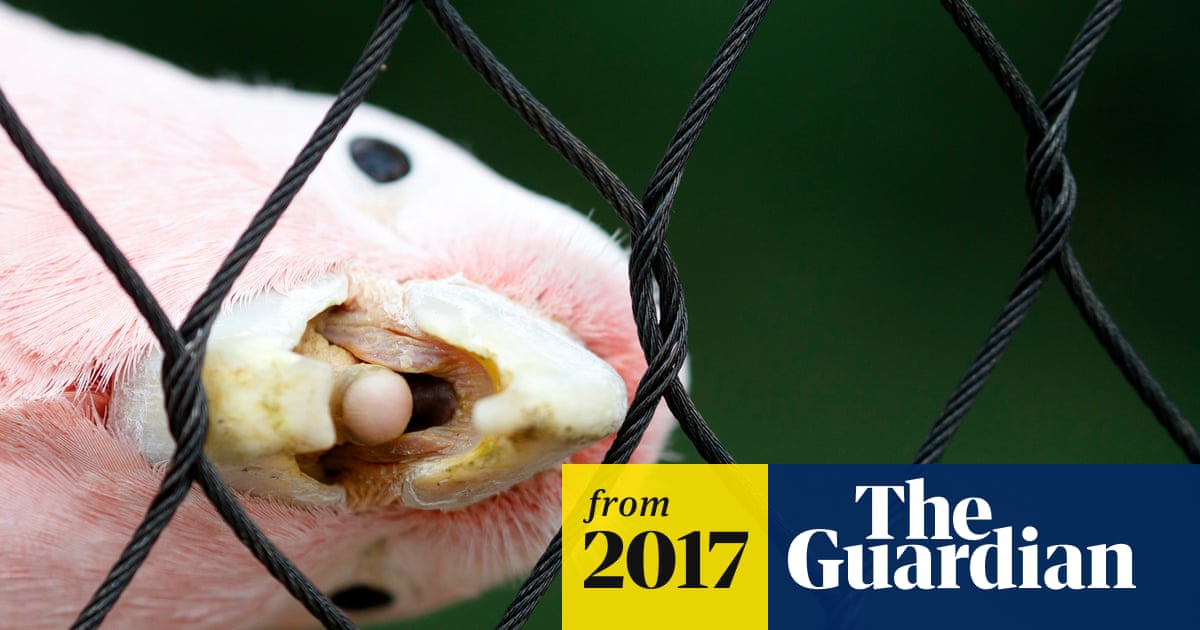
Feeding birds might seem like a kind act, but it can actually put their health at serious risk. Birds depend on natural food sources to get the right nutrients and stay strong. When they rely on human food, it can lead to problems that affect their survival and well-being.
Dependency On Human Food
Once birds start getting food from people, they can lose their natural ability to find food on their own. This dependency makes them vulnerable if the food suddenly stops. You might notice birds hanging around busy areas, waiting for handouts instead of exploring their natural habitat.
Nutritional Imbalance
Human snacks like bread, chips, or crackers lack the vitamins and minerals birds need. These foods are often high in salt and sugar, which can harm their health over time. Imagine eating only junk food every day—you’d feel weak and sick, and birds experience the same.
Spread Of Diseases
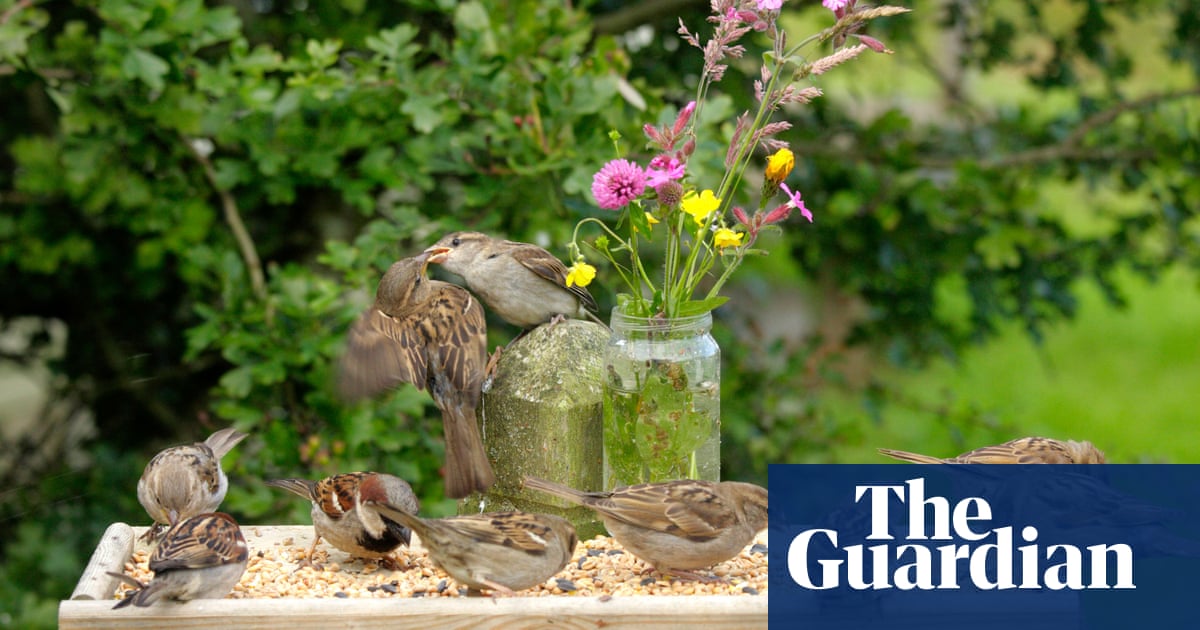
When many birds gather at feeding spots, diseases can spread quickly. Crowded conditions increase the risk of infections like avian flu and salmonella. You might not see the danger, but feeding birds can turn a simple snack into a public health issue for wildlife.
Environmental Impact
Feeding birds might seem like a harmless, even kind act, but it can have serious environmental consequences. The natural balance of ecosystems is delicate, and introducing artificial food sources disrupts this balance in ways you might not expect. Understanding these impacts can help you make better choices for your local wildlife and environment.
Disruption Of Natural Foraging
When birds rely on human-provided food, they lose their natural instinct to forage. This change affects their health because store-bought bread or processed snacks lack essential nutrients. Have you noticed birds gathering around feeders instead of searching for insects or seeds? This shift can weaken their ability to survive during seasons when food is scarce.
Overpopulation In Urban Areas
Feeding birds regularly encourages large numbers to gather in one spot. This overcrowding leads to competition for limited natural resources and increases the risk of disease spreading quickly. You might see more bird droppings in parks or on sidewalks, which can harm public spaces and create sanitation issues. Could your act of kindness be contributing to an unhealthy bird population?
Damage To Local Vegetation
Birds congregating in unnatural numbers often damage plants and trees. They scratch the soil excessively and may eat young shoots or flowers, affecting the growth of local vegetation. Over time, this can change the landscape and reduce the variety of plants in your area. Have you observed bare patches or damaged bushes where birds flock most often?
Effects On Human Communities
Feeding birds might seem like a kind gesture, but it can create several problems for your community. These effects go beyond just the birds themselves and impact your everyday environment. Understanding these consequences helps you make better choices about interacting with local wildlife.
Increased Bird Aggression
Feeding birds regularly can make them dependent on human handouts. This dependence often leads to aggressive behavior, especially when food becomes scarce. You might notice birds fighting over food or even approaching people more boldly, which can be unsettling or dangerous.
Have you ever experienced birds dive-bombing around picnic areas or outdoor cafés? That’s a direct result of increased aggression fueled by handouts. This behavior not only disturbs people but can also lead to injuries or damage to property.
Attracting Pests And Predators
Leftover bird food can attract more than just birds. Rodents like rats and mice are drawn to easy food sources, creating health risks for your community. Predators such as raccoons and stray cats may also come closer to homes and public spaces, increasing the chances of conflicts.
Think about the last time you saw a rat near a bird feeder. That wasn’t a coincidence. Feeding birds without proper management can turn your neighborhood into an unintended hotspot for pests and predators.
Noise And Cleanliness Issues
Large groups of birds attracted by feeding spots often create loud noises, disturbing your peace and quiet. Their droppings can accumulate quickly, causing unsanitary conditions on sidewalks, benches, and cars. This mess can be difficult to clean and may damage property over time.
Imagine walking through a park covered in bird droppings—that’s neither pleasant nor healthy. These problems can reduce the enjoyment of public spaces and increase maintenance costs for communities.
Credit: www.theguardian.com
Legal And Ethical Concerns
Feeding birds might seem like a harmless, even kind, activity. But it raises important legal and ethical questions that many people overlook. Understanding these concerns can help you make better choices about how you interact with wildlife.
Local Laws And Regulations
Many cities and parks have rules against feeding birds. These laws exist because feeding can cause health problems for birds and create public nuisances. For instance, in some places, feeding pigeons is banned to prevent overcrowding and disease spread.
You might wonder, why are these rules so strict? It’s because human food can harm birds, and leftover crumbs attract pests like rats. Ignoring these laws can result in fines or other penalties, so it’s important to know what your local regulations say.
Ethical Implications Of Feeding
Feeding birds disrupts their natural behavior. When birds rely on handouts, they may lose their ability to find food on their own. This dependency can weaken their survival skills and harm their long-term wellbeing.
Have you noticed birds gathering in large groups around feeding spots? This can lead to aggressive behavior and stress among birds. It also spreads diseases quickly, putting entire flocks at risk.
Think about the message you send by feeding wildlife: Are you helping or hurting? Ethical care means supporting birds in ways that don’t interfere with their natural lives. You can help by planting native plants or maintaining bird-friendly habitats instead.
Better Alternatives
Choosing better ways to help birds supports their health and the environment. Feeding birds can cause harm by changing their natural habits. Instead, focus on actions that protect bird homes and promote their natural behaviors. These alternatives help birds thrive safely and naturally.
Supporting Bird Habitats
Create safe spaces for birds by planting native trees and bushes. These plants offer shelter and food throughout the year. Avoid using chemicals that can harm birds and insects they eat. Leave some areas with natural leaves and twigs to build nests. Clean water sources like birdbaths attract birds for drinking and bathing. Protecting habitats helps birds find food and shelter on their own.
Encouraging Natural Feeding
Let birds find their own food in nature. This keeps their diets balanced and healthy. Avoid giving bread or processed food, which can harm birds. Grow flowers and plants that produce seeds and attract insects. Insects are a vital food source for many bird species. Watching birds search for food is a way to learn about their habits. Natural feeding supports the bird’s survival skills and well-being.
Credit: twistedsifter.com
Frequently Asked Questions
Why Is Feeding Birds Harmful To Their Health?
Feeding birds human food disrupts their natural diet. It can cause malnutrition and illness. Birds may become dependent on unhealthy food sources, weakening their survival instincts.
How Does Feeding Birds Affect Their Natural Behavior?
Regular feeding changes birds’ natural foraging habits. They rely on handouts instead of searching for food. This dependency can reduce their ability to survive in the wild.
Can Feeding Birds Spread Diseases?
Yes, feeding birds in groups increases disease risk. Close contact spreads infections like avian flu. Dirty feeding areas also harbor harmful bacteria and parasites.
Does Feeding Birds Cause Environmental Problems?
Feeding birds can lead to overcrowding and pollution. Excess food attracts pests and causes waste buildup. It can disrupt local ecosystems and harm other wildlife.
Conclusion
Feeding birds seems kind, but it can harm them. Wild birds need natural diets for health. Human food may cause nutritional problems. Overfeeding can also lead to dependency. This reduces their survival skills. Birds might become pests, creating issues. Clean up becomes a constant task.
Some foods are toxic, risking bird health. Keep birds wild by enjoying them from a distance. This helps them thrive naturally. Birdwatching is a better alternative. It respects their natural behaviors. Let birds find their own food. It’s the best way to support their health.
Enjoy nature responsibly.