

Are you wondering why birds won’t come to your bird feeder, no matter how long you wait? You’re not alone.
It can be frustrating to set up a feeder and hope for colorful visitors, only to be met with silence. The good news is, there are simple reasons behind this—and even easier ways to fix them. Keep reading, because by the end of this article, you’ll know exactly what’s keeping the birds away and how to invite them back to your yard.
Your feathered friends are closer than you think!
Common Bird Feeder Issues
Not seeing birds at your feeder can be frustrating. Often, simple issues with the feeder setup keep birds away. Let’s look at common problems that might be stopping birds from visiting your feeder and how you can fix them.
Location Problems
Where you place your feeder matters a lot. If it’s too close to busy areas, loud noises, or predators like cats, birds will avoid it. Try placing your feeder near trees or shrubs where birds feel safe but still have open space to spot danger.
Also, think about sunlight and wind. A feeder in harsh sun or strong wind might be uncomfortable for birds. Have you checked if your feeder is easy for birds to access without stress?
Feeder Type And Design
Not all feeders attract every type of bird. Some birds prefer tube feeders, while others like platform or suet feeders. If you’re only offering one style, you might miss out on visitors.
Feeder cleanliness is another key point. Dirty feeders with moldy seeds discourage birds and can even harm them. Do you clean your feeder regularly to keep it inviting and safe?
Food Quality And Selection
Birds are picky eaters. Old, stale, or moldy seeds won’t attract them. Always use fresh, high-quality birdseed suited to the birds in your area.
Offering a variety of foods like sunflower seeds, nyjer, and suet can attract different species. Are you providing a menu that appeals to the birds you want to see?

Credit: happygardens.com
Environmental Factors
Environmental factors play a big role in why birds may not visit your feeder. Birds pay attention to their surroundings before landing. Safe and comfortable spaces attract them. Anything that feels risky or unpleasant can scare them away. Understanding these factors helps create a bird-friendly environment.
Predators And Threats Nearby
Birds avoid feeders if predators lurk nearby. Cats, hawks, or even squirrels can scare them off. Birds look for safe places without danger. Keep feeders away from spots where predators hide. Clear branches or places where cats can jump. A safe area invites birds to feed calmly.
Weather Conditions
Bad weather affects bird visits. Strong winds, heavy rain, or extreme heat make birds stay hidden. Birds seek shelter during storms and bad weather. Place feeders in sheltered spots if possible. This helps birds feel safe during harsh weather. Calm weather increases bird activity at feeders.
Seasonal Changes
Bird visits change with the seasons. Some birds migrate and won’t be around year-round. Food sources vary by season too. Birds eat different things in winter and summer. Adjust feeder food types to match seasonal needs. Seasonal changes affect bird presence and feeding habits.
Bird Behavior And Preferences
Understanding bird behavior and preferences is key to attracting birds to your feeder. Birds are not just random visitors; they have distinct habits and tastes shaped by their environment. Paying attention to these details can turn your feeder into a popular bird hangout.
Bird Species In Your Area
Different regions host different bird species, each with unique preferences. Knowing which birds live nearby helps you choose the right feeder and food. For example, finches prefer thistle seed, while woodpeckers go for suet.
Have you checked local birdwatching groups or apps to identify common birds around you? This insight can save you from offering food that no one wants.
Feeding Habits
Birds have specific feeding times and methods. Some species prefer ground feeding, while others like to feed from hanging feeders. Understanding these habits helps you position your feeder effectively.
Consider that some birds eat in short bursts throughout the day, while others may visit only early morning or late afternoon. Are you observing your feeder at different times to catch these patterns?
Habituation And Fear
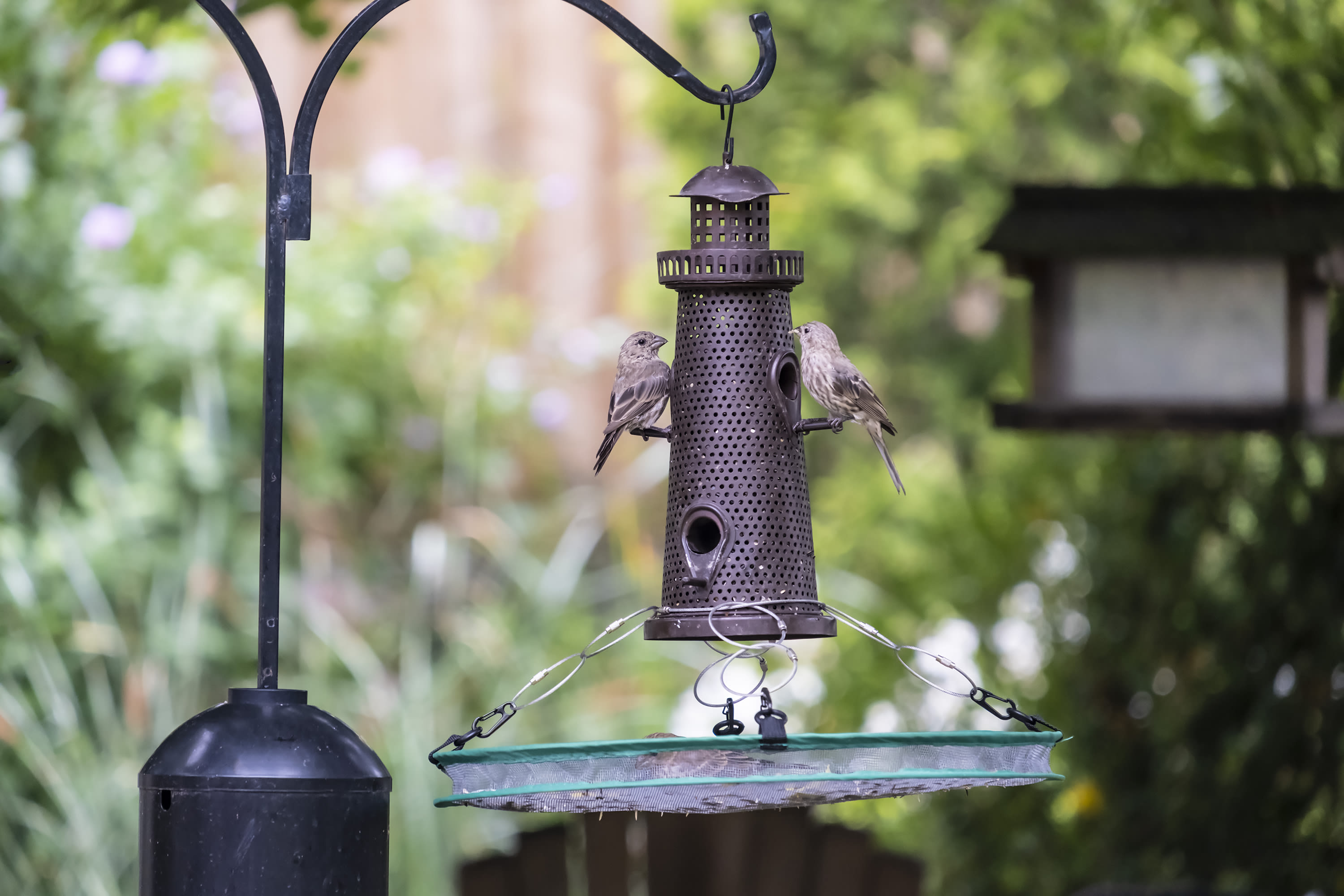
Birds can be shy and wary of new objects or sudden changes. If your feeder is new, birds might stay away until they feel safe. Avoid moving the feeder frequently or making loud noises nearby.
Try sitting quietly near the feeder for a few days to let birds get used to your presence. Patience often turns hesitant visitors into regular guests. Could a quieter, calmer environment encourage more visits?
Credit: dengarden.com
Improving Your Bird Feeder Appeal
Improving your bird feeder appeal can make a significant difference in attracting birds to your yard. Small changes in the feeder type, food choice, and placement can transform a quiet feeder into a buzzing hotspot. Let’s look at how you can tweak these factors to invite more feathered visitors.
Choosing The Right Feeder
Not all bird feeders are equal. Some birds prefer tube feeders, while others like platform or hopper styles. Think about the bird species common in your area and pick a feeder that suits their feeding habits.
For example, finches love tube feeders with small ports, whereas cardinals prefer platform feeders with plenty of space. Also, consider durability and ease of cleaning—dirty feeders repel birds quickly.
Selecting Appropriate Food
The food you offer can be a game changer. Black oil sunflower seeds attract a wide variety of birds, while nyjer seed targets finches specifically. Avoid generic seed mixes that may contain filler seeds birds often discard.
Try offering suet or mealworms in colder months to provide extra energy. Have you noticed certain birds avoiding your feeder? Changing the food might be the reason they come back.
Enhancing Feeder Placement
Where you place your feeder matters more than you might think. Birds prefer feeders near natural cover like trees or shrubs, which offer quick escape routes from predators. Avoid placing feeders too close to windows to prevent collisions.
Also, consider height—some birds feed better at ground level, others prefer feeders hung several feet high. Experiment with different spots and watch how the bird activity changes. Could your feeder’s location be the missing piece?
Maintenance And Hygiene Tips
Keeping your bird feeder clean and well-maintained is key to attracting birds. Dirty feeders can scare birds away or even harm them. Paying attention to hygiene not only protects birds but also makes your feeder more inviting.
Cleaning The Feeder Regularly
You should clean your bird feeder at least once every two weeks. Use warm water and mild soap to remove old seeds and debris. Rinse thoroughly to avoid leaving any soap residue that might deter birds.
Have you noticed a sudden drop in bird visits after rain? Moist seeds often clump and spoil quickly, making the feeder less appealing. Regular cleaning prevents this problem and keeps the food fresh.
Preventing Mold And Contamination
Mold grows fast on damp seeds and can be toxic to birds. Check your feeder daily for wet or moldy seeds, especially after rainy or humid days. Remove spoiled seeds immediately to keep the environment safe.
Try placing your feeder in a sunny spot to reduce moisture buildup. This simple step helps keep seeds dry and fresh longer, making your feeder more attractive to birds.
Avoiding Squirrel And Pest Issues
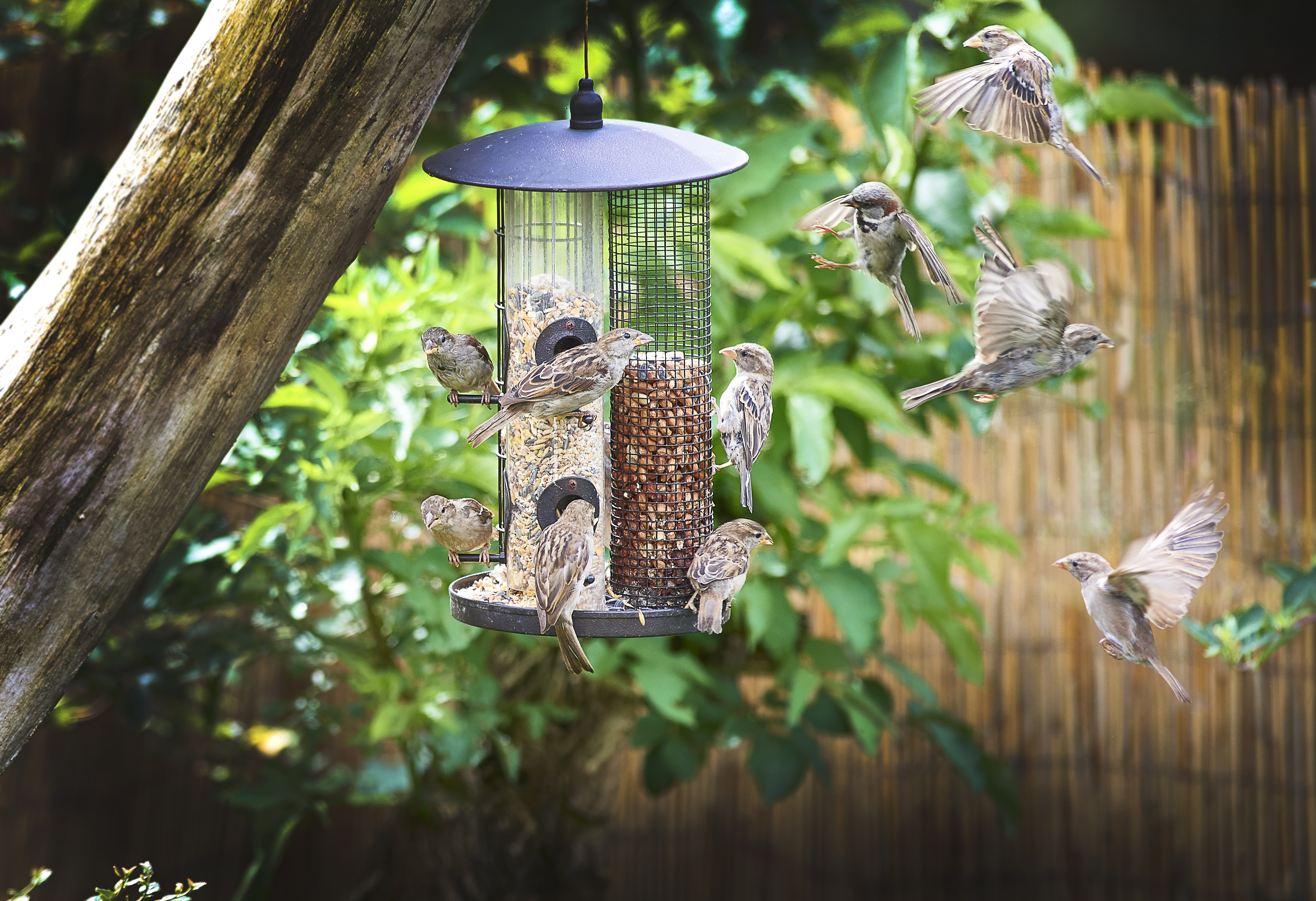
Squirrels and other pests can scare birds away and create a mess. Use squirrel-proof feeders or add baffles to keep these unwanted visitors out. Make sure to clean up spilled seeds under the feeder to avoid attracting rodents.
Have you considered where you place your feeder? Position it away from trees or structures that squirrels can jump from. This small adjustment can make a big difference in keeping your feeder bird-friendly.
Credit: dengarden.com
Frequently Asked Questions
Why Are Birds Avoiding My Feeder?
Birds might avoid your feeder due to its location, food type, or predators. Ensure it’s in a safe, quiet spot. Offer a variety of seeds and check for predators like cats. Clean your feeder regularly to maintain hygiene and attract more birds.
How Can I Attract Birds Quickly?
Use high-quality birdseed and ensure a clean feeder. Position it in a safe, quiet area with nearby shelter. Add water sources like a birdbath. Offering diverse food and ensuring safety from predators can attract birds quickly.
What Food Do Birds Prefer In Feeders?
Birds generally prefer sunflower seeds, peanuts, and suet. Black oil sunflower seeds are particularly popular. Offering a mix of seeds caters to different bird species. Always ensure the food is fresh and free from mold or contamination.
Does Feeder Height Affect Bird Visits?
Yes, feeder height can influence bird visits. Position feeders at heights ideal for specific bird species. Generally, placing feeders 5-6 feet off the ground works well. Ensure they’re safe from predators and easily visible for birds.
Conclusion
Birds may avoid feeders for many simple reasons. Food type, feeder placement, and safety all matter. Try fresh seeds and put the feeder in a quiet spot. Clean the feeder often to keep birds healthy. Patience helps; birds will come back with time.
Watch and learn what your local birds like. Small changes can make a big difference. Enjoy the peaceful moments when birds visit your feeder. Keep trying, and your feeder will become a bird favorite soon.