

Have you ever noticed rust forming on your hummingbird feeder and wondered if it could harm the tiny birds you love to watch? You want to keep your feathered friends safe and happy, but rusty feeders might raise some serious concerns.
Could that rust be dangerous? Or is it just an eyesore? You’ll discover the real impact of a rusty hummingbird feeder and learn simple steps to protect your birds. Keep reading to find out how to ensure your feeder stays safe and inviting all season long.
Risks Of Rusty Feeders
Rusty hummingbird feeders might seem harmless at first glance, but they can pose several risks to the delicate birds that visit your garden. Rust isn’t just an eyesore—it can have real consequences for hummingbird health and safety. Understanding these risks helps you keep your feeders safe and inviting for these tiny creatures.
Impact On Bird Health
Rust can introduce harmful substances into the nectar, which birds then ingest. Over time, this can lead to digestive issues and weaken their immune systems.
I’ve seen hummingbirds avoid feeders that showed even slight rust, likely sensing the danger. If you want to keep them coming back, clean and rust-free feeders are essential.
Potential For Injuries
Rusty edges on feeders can become sharp and jagged, increasing the risk of cuts and scrapes on a hummingbird’s delicate beak and feet.
Even minor injuries can be dangerous for such small birds, leading to infections or difficulties in feeding.
Contamination Concerns
Rust encourages the growth of bacteria and mold, which contaminate the nectar and create an unhealthy feeding environment.
This contamination can quickly spread disease among visiting birds, turning your feeder from a source of nourishment into a hotspot for illness.
Are you regularly checking your feeder for rust and cleaning it thoroughly? This small effort makes a big difference in protecting your hummingbird visitors.
Credit: www.highlandernews.com
How Rust Forms On Feeders
Rust on hummingbird feeders doesn’t just appear overnight. It develops through a natural chemical process that involves the materials of your feeder and the conditions around it. Understanding how rust forms can help you take better care of your feeders and keep the birds safe.
Material Types Prone To Rust
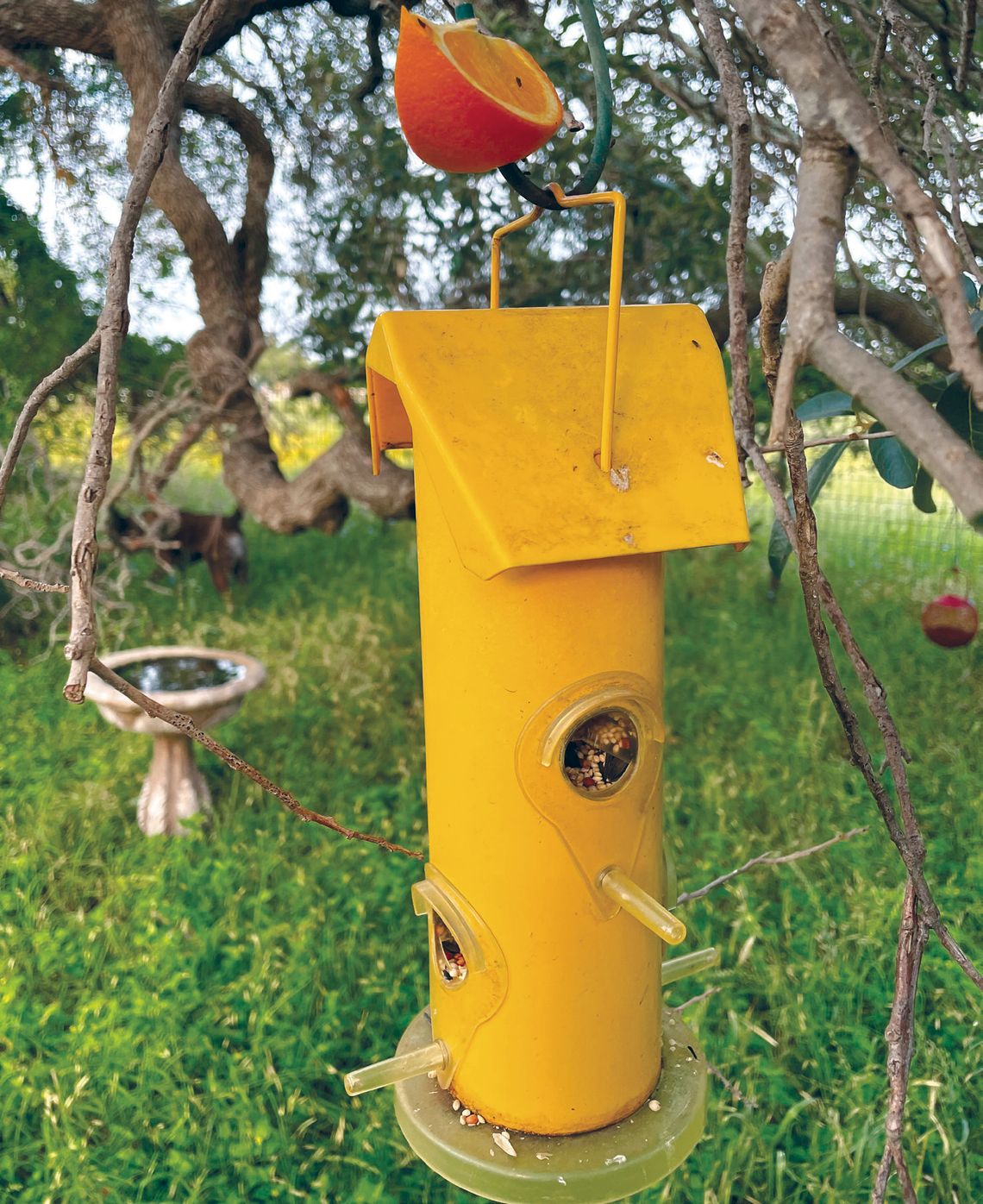
Not all feeders are created equal when it comes to rust. Feeders made from iron or steel are especially vulnerable because these metals react with oxygen and moisture. Plastic and glass feeders don’t rust, but metal parts like hooks or lids often do.
If your feeder has a metal base or frame without a protective coating, it’s more likely to develop rust spots. Even stainless steel can corrode over time if scratched or exposed to harsh elements.
Environmental Factors
Where you place your feeder can speed up or slow down rust formation. High humidity, frequent rain, and exposure to salty air near the coast increase moisture levels, encouraging rust.
Sunlight plays a role too. UV rays can degrade protective coatings on metal, leaving it exposed. Do you know if your feeder sits in a shaded, damp spot or a dry, sunny area? That can make a big difference.
Signs Of Rust Development
Rust usually starts as tiny orange or brown spots on metal surfaces. These spots might feel rough or flaky when you touch them. You might also notice discoloration or small pits on the metal.
Early rust might be easy to clean, but if left unchecked, it can eat through the metal, creating holes and sharp edges that can harm hummingbirds. Have you checked your feeder closely for these early signs lately?
Effects Of Rust On Nectar Quality
Rust on a hummingbird feeder can change the quality of the nectar inside. These changes can affect the health and behavior of the birds. Understanding how rust impacts nectar helps keep feeders safe and attractive for hummingbirds.
Chemical Changes In Nectar
Rust forms when metal reacts with water and air. This reaction releases iron oxide particles into the nectar. These particles alter the nectar’s natural sugar balance. The taste and smell of the nectar may also change. Such changes can make the nectar less nutritious for hummingbirds.
Attraction Or Repellence To Birds
Birds rely on sight and smell to find food. Rust can discolor the nectar or feeder, making it less appealing. Some birds may avoid feeders with rusty spots. Others might still visit but drink less nectar. This reduces the feeder’s effectiveness in attracting hummingbirds.
Mold And Bacterial Growth
Rusty feeders often have rough surfaces where mold can grow. Mold and bacteria thrive in old, dirty nectar. These microbes can harm hummingbirds by causing illness. Clean feeders prevent this risk. Rust encourages microbial growth by trapping moisture and nectar residue.
Credit: www.homedepot.com
Safe Alternatives To Rusty Feeders
Rusty feeders can harm hummingbirds by contaminating their food and causing injuries. Choosing safe alternatives protects these delicate birds and keeps your garden lively. Using the right materials and regular care helps maintain feeders without rust risks.
Rust-resistant Materials
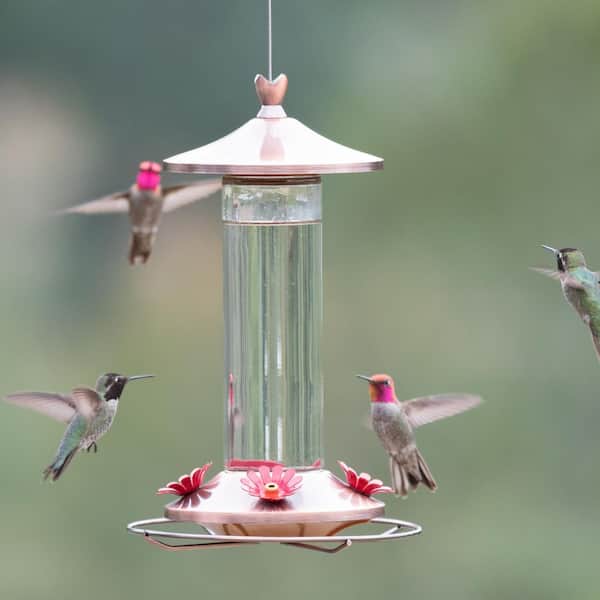
Select feeders made from rust-proof materials. Stainless steel and plastic are excellent choices. Glass feeders also avoid rust and are easy to clean. Avoid metal parts that can corrode and harm birds.
Proper Maintenance Tips
- Check feeders weekly for damage or rust spots.
- Empty and refill feeders with fresh nectar often.
- Store feeders indoors when not in use to prevent rust.
- Keep feeding ports clean and clear to avoid mold.
Diy Feeder Cleaning Methods
Use mild soap and warm water to clean feeders. Avoid strong chemicals that can harm birds. A mixture of vinegar and water works well to remove buildup. Rinse feeders thoroughly to remove all residues. Let feeders dry completely before refilling.
When To Replace A Feeder
Knowing when to replace your hummingbird feeder is crucial to keep the little visitors safe and healthy. Rust not only affects the feeder’s appearance but can also pose health risks to birds. Being proactive about feeder maintenance ensures you provide a clean and safe environment for hummingbirds to enjoy.
Assessing Damage Severity
Take a close look at the rust spots on your feeder. Small, surface-level rust can sometimes be cleaned off with vinegar or a gentle scrub. However, if the rust has caused holes, sharp edges, or structural weakness, it’s time to replace the feeder immediately.
Think about how long the feeder has been exposed to outdoor elements. Constant exposure to rain and sun accelerates rusting. If the damage looks widespread and deep, replacing the feeder is safer than risking harm to the birds.
Cost Vs. Safety Considerations
New feeders come in various price ranges, from budget-friendly plastic models to more durable glass or metal ones. While it might be tempting to keep using a rusty feeder to save money, consider the health risks to hummingbirds.
Is saving a few dollars worth potentially exposing birds to injury or illness? Investing in a new feeder means peace of mind and a cleaner feeding environment. Remember, a safe feeder encourages more frequent visits from your tiny friends.
Signs Feeder Is No Longer Safe
- Visible rust flakes or sharp edges that could cut birds.
- Discoloration or buildup inside feeding ports that can harbor mold or bacteria.
- Leaks or cracks where mold might grow unnoticed.
- Difficulty cleaning due to corrosion or damage.
If you notice any of these signs, don’t hesitate to replace the feeder. Your quick action can prevent health problems for the hummingbirds and keep your backyard buzzing happily.
Encouraging Healthy Feeding Habits
Encouraging healthy feeding habits helps hummingbirds stay strong and safe. A rusty feeder can cause harm, so good habits protect birds from illness. Healthy feeding supports their energy and migration needs. Simple steps ensure feeders attract hummingbirds without risks.
Feeder Placement Tips
- Place feeders in shaded spots to keep nectar fresh.
- Keep feeders away from strong winds and direct sun.
- Hang feeders near flowers to attract more birds.
- Avoid areas near predators like cats or large birds.
- Position feeders at eye level for easy bird access.
Nectar Preparation Guidelines
- Use four parts water to one part white sugar.
- Boil water to dissolve sugar completely, then cool.
- Do not use honey, artificial sweeteners, or red dye.
- Make fresh nectar every few days to prevent spoilage.
- Store extra nectar in the fridge to keep it fresh.
Regular Cleaning Schedules
- Clean feeders at least once every three days.
- Use hot water and a brush to remove mold or residue.
- Rinse thoroughly to avoid soap harm to birds.
- Inspect for rust or cracks; replace damaged feeders promptly.
- Keep feeder parts dry before refilling with nectar.

Credit: www.yahoo.com
Frequently Asked Questions
Can Rust Harm Hummingbirds?
Yes, rust can harm hummingbirds. Rusty feeders may leach harmful metals like iron into the nectar. Consuming these metals can be toxic to hummingbirds, affecting their health negatively. Regularly check and clean feeders to prevent rust. Use feeders made of rust-resistant materials like glass or plastic for safety.
How To Prevent Rust In Feeders?
To prevent rust, choose feeders made of glass or plastic. Regularly inspect metal feeders for any signs of rust. Clean them frequently and thoroughly. Avoid using harsh chemicals that can damage the material. Store feeders indoors during bad weather to reduce exposure to moisture, which causes rust.
Is It Safe To Use Rusty Feeders?
No, it is not safe to use rusty feeders. Rust can contaminate the nectar, posing health risks to hummingbirds. It can lead to metal poisoning, affecting their health. Always ensure feeders are rust-free, clean, and in good condition to maintain a safe feeding environment for hummingbirds.
How Often Should Feeders Be Cleaned?
Feeders should be cleaned every three to five days. In hot weather, clean them more frequently. Regular cleaning prevents mold and bacteria growth, ensuring fresh nectar for hummingbirds. Use a mixture of hot water and vinegar or a mild soap solution.
Rinse thoroughly to remove any residue before refilling.
Conclusion
Rust on a hummingbird feeder can harm the birds. Rust may cause infections or block their feeding. Keep feeders clean and free from rust to protect hummingbirds. Regular checks and cleaning help maintain safe feeders. Replace rusty feeders promptly to avoid risks.
Healthy feeders attract more hummingbirds to your garden. Caring for feeders shows respect for these tiny birds. Simple steps make a big difference for their safety. Always choose feeders made from rust-resistant materials. Your attention helps keep hummingbirds happy and healthy.