
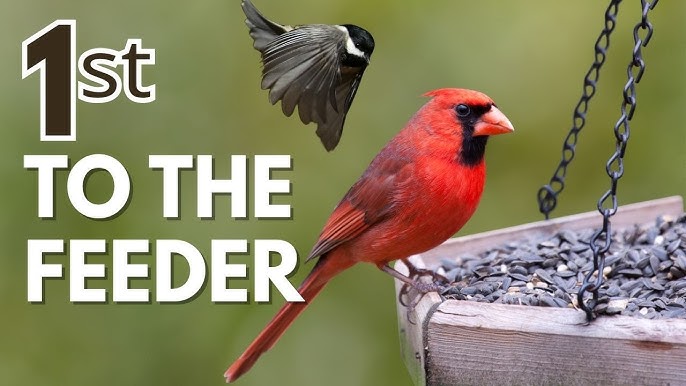
Are you wondering if birds will visit your new feeder? It’s natural to feel excited—and a bit impatient—after setting it up.
You want to see colorful feathers fluttering nearby and hear cheerful bird songs right outside your window. But will they really come? The answer depends on a few simple things you can control. Keep reading, and you’ll discover easy tips to attract birds quickly and turn your feeder into a lively gathering spot.
Your backyard could become their favorite hangout before you know it!
Choosing The Right Feeder
Choosing the right bird feeder is key to attracting birds to your garden. The right feeder meets the needs of the birds you want to see. It also fits well in your outdoor space. Understanding different feeder types, materials, and placement helps you make the best choice.
Types Of Bird Feeders
- Tube Feeders:Slim and easy to hang. Great for small birds like finches and chickadees.
- Hopper Feeders:Larger and hold more seed. Attracts a variety of birds including cardinals and jays.
- Platform Feeders:Open tray style. Good for ground-feeding birds like doves and sparrows.
- Nectar Feeders:Designed for hummingbirds. Filled with sugar water.
- Suet Feeders:Hold suet cakes. Attract woodpeckers and nuthatches.
Material And Durability
Feeders come in plastic, metal, and wood. Plastic feeders are lightweight and affordable. Metal feeders last longer and resist squirrels better. Wooden feeders blend well in natural settings. Choose a feeder that stands up to weather and is easy to clean.
Placement Tips
Place feeders where birds feel safe. Near bushes or trees is best for quick cover. Avoid windy or noisy spots. Keep feeders at least 5 feet from windows to prevent collisions. Regular cleaning helps keep birds healthy and coming back.

Credit: happygardens.com
Selecting The Best Bird Food
Choosing the right bird food is key to attracting a variety of feathered visitors to your new feeder. The type of food you offer can make all the difference in which birds come to visit and how often they return. Understanding what birds prefer and how to keep their food fresh will help you create a welcoming spot that birds love.
Popular Seeds And Mixes
Some seeds are favorites among many bird species. Black oil sunflower seeds are a top choice because they have thin shells that are easy for most birds to crack open. Nyjer seeds attract finches, while millet is popular with ground-feeders like sparrows and doves.
Pre-made seed mixes can be convenient but check the ingredients. Avoid mixes with a lot of filler seeds like red millet or oats, as many birds tend to ignore them. You want a mix that offers variety without waste.
Food Preferences By Bird Species
Different birds prefer different foods. Cardinals and chickadees love sunflower seeds, while woodpeckers are often drawn to suet. Hummingbirds need nectar, not seeds, so a separate feeder is best for them.
Have you noticed certain birds visiting your feeder more than others? Offering foods tailored to those species can increase visits. Try observing which birds frequent your area and adjust your offerings accordingly.
Avoiding Spoiled Food
Spoiled or moldy food can harm birds and will keep them away. Always check for dampness or clumping in seed mixes before filling your feeder. Rain or humidity can cause seeds to spoil quickly.
Clean your feeder regularly and store extra seed in a cool, dry place. Your feeder should be refilled with fresh food often to keep birds healthy and coming back. How often you refill and clean can make a big difference in your feeder’s success.
Creating A Bird-friendly Environment
Creating a bird-friendly environment around your new feeder is essential to attract a variety of feathered visitors. Birds look for more than just food—they need water, shelter, and a safe space to feel comfortable. Small changes in your yard can make a big difference in how often birds visit and how long they stay.
Providing Water Sources
Birds need water for drinking and bathing. Adding a birdbath or a shallow water dish near your feeder encourages them to stop by more often. Moving water, like a small fountain or dripper, can catch birds’ attention better than still water.
Have you noticed how birds often prefer clean, fresh water? Change the water every couple of days to keep it inviting and avoid mosquitoes. Even a simple dripping faucet can turn your yard into a popular bird hangout.
Adding Natural Shelter
Birds feel safer when they have places to hide from predators and bad weather. Planting native shrubs or trees near your feeder gives them natural shelter. You can also add brush piles or place a few evergreen branches around the feeding area.
Think about how you feel when you visit a crowded place—is there a quiet corner you seek out? Birds do the same. Providing cover nearby encourages them to visit and linger without fear.
Maintaining Cleanliness
Keeping your feeder and surrounding area clean is crucial for bird health. Regularly remove old seeds, husks, and droppings to prevent disease. Clean your feeder at least once every two weeks with warm, soapy water.
Have you ever avoided a dirty restaurant? Birds also avoid dirty feeders. A clean feeding spot keeps them coming back and supports a healthy bird population in your yard.
Timing And Patience
Adding a new bird feeder to your yard is exciting, but it requires timing and patience to see the feathered visitors arrive. Birds don’t always show up immediately, and understanding when to expect them can make your experience more rewarding. Patience is key, and knowing the best times can help you set realistic expectations.
Best Seasons To Attract Birds
Bird activity varies throughout the year, so timing your feeder setup can influence how quickly birds find it. Spring and fall are often the best seasons because birds are actively searching for food during migration. In spring, many species are returning and looking to refuel, while fall offers a chance for birds to stock up before winter.
Winter feeders also attract birds, but you may notice fewer types. This is because only certain hardy species stick around, and they rely heavily on food sources like feeders. Summer tends to be slower since natural food is abundant, so birds might ignore your feeder for a while.
How Long It Takes For Birds To Arrive
Expect some waiting before your feeder becomes a busy spot. It can take anywhere from a few days to a couple of weeks for birds to discover your feeder, depending on your location and the feeder’s visibility.
To speed things up, place your feeder in a visible spot near natural cover like trees or shrubs. Birds feel safer when they have quick access to hiding spots. Also, keep your feeder clean and filled with fresh food to encourage repeat visits.
Have you ever noticed how birds seem to appear right after you’ve almost given up? That’s a common experience. Staying patient and consistent with your feeder care is often what finally attracts the birds you want to see.
Using Attractants And Enhancements
Using attractants and enhancements can make your bird feeder a favorite spot quickly. Birds respond to sounds, sights, and natural surroundings. These elements help create a welcoming space that feels safe and inviting to birds. Small changes can increase the chances of birds visiting your feeder regularly.
Adding Bird Calls And Sounds
Playing bird calls can attract species nearby. Soft, natural sounds draw attention without scaring birds. Use a small speaker or bird call device near your feeder. Avoid loud or harsh noises that might cause stress. Matching sounds to the birds you want helps bring them closer.
Incorporating Native Plants
Plant native flowers, shrubs, and trees around your feeder. Native plants provide natural food and shelter for birds. They also attract insects that birds eat. This creates a natural habitat that encourages birds to stay longer. Choose plants that bloom at different times for year-round interest.
Using Bright Colors
Bright colors catch birds’ attention from a distance. Red, yellow, and orange work best for many species. Use colorful feeder parts or place colorful items nearby. Avoid colors that blend too much with the background. Bright colors help birds find your feeder quickly and easily.

Credit: www.reddit.com
Common Mistakes To Avoid
Setting up a new bird feeder is exciting, but it’s easy to miss small details that keep birds away. Avoiding common mistakes can make a big difference in attracting feathered visitors quickly. Let’s look at some pitfalls you should watch out for to help your feeder become a popular spot for birds.
Feeder Placement Errors
Where you place your feeder matters more than you might think. If it’s too close to windows, birds may avoid it out of fear of collisions. Try positioning your feeder at least 3 feet away from windows or use decals to reduce reflection risks.
Also, feeders placed in exposed areas can scare birds away. Birds prefer some cover like nearby shrubs or trees where they can quickly hide from predators. Do you have a quiet, sheltered spot in mind for your feeder?
Wrong Food Choices
Not all bird foods attract the same species. Offering only bread or generic seeds might not bring the birds you want. Black oil sunflower seeds are a favorite for many common backyard birds and provide good nutrition.
Consider what birds are native to your area and what they prefer. Using the right food can turn your feeder from empty to bustling in no time. Have you noticed which seeds local birds seem to favor?
Neglecting Feeder Maintenance
Dirty feeders can discourage birds and even spread disease. Regular cleaning with warm water and mild soap keeps your feeder safe and welcoming. Avoid using harsh chemicals that might leave harmful residues.
Check for moldy or wet seeds often, especially after rain. Wet seeds can spoil quickly and make birds sick. How often do you clean your feeder to keep it fresh and inviting?

Credit: avibirds.com
Frequently Asked Questions
Will Birds Visit A Brand New Feeder Immediately?
Birds may take a few days to discover a new feeder. Placement, seed type, and local bird activity affect visitation. Patience is key for birds to trust and frequent the feeder regularly.
What Seeds Attract Birds To New Feeders Fastest?
Black oil sunflower seeds attract most bird species quickly. Nyjer and millet are favorites for finches and smaller birds. Using fresh, high-quality seeds boosts the chances of early bird visits.
How To Position A New Feeder To Attract Birds?
Place feeders near shrubs or trees for cover and safety. Ensure feeders are visible and away from predators. Proper height and sunlight exposure help birds find and feel safe at your feeder.
Do Birds Prefer Certain Feeder Types Over Others?
Tube feeders attract small songbirds, while platform feeders suit larger species. Hopper feeders offer ample seed and attract diverse birds. Choose feeder types based on the birds common in your area.
Conclusion
Your new bird feeder can attract many beautiful birds. Patience is key. Birds need time to find new feeders. Place the feeder in a quiet, safe spot. Keep it filled with fresh seeds. Different seeds attract different birds. Observe them and enjoy their visits.
Regular maintenance ensures a welcoming spot for them. It might take time, but your efforts will pay off. Soon, your garden will be alive with fluttering wings. Enjoy the beauty and joy they bring. Be patient, and nature will reward you.