

Have you ever set up a bird feeder, only to find it damaged or empty in no time? You might be wondering, will birds actually destroy a bird feeder?
It’s a common concern for anyone who loves attracting feathered friends to their yard. Understanding what causes the damage and how to prevent it can save you money and frustration. Keep reading, and you’ll discover simple tips to protect your feeder while still enjoying the lively visitors it brings.

Credit: www.thesun.ie
Bird Feeder Basics
Understanding the basics of bird feeders is key to keeping your garden visitors happy and your feeder intact. A well-chosen feeder can attract a variety of birds without causing damage to the feeder itself. Knowing what types of feeders exist and what materials they are made from helps you make the best choice for your outdoor space.
Types Of Bird Feeders
Bird feeders come in many shapes and sizes, each designed to attract different bird species. Tube feeders are great for small songbirds, while platform feeders invite larger birds to dine. Suet feeders offer a high-energy treat that woodpeckers and nuthatches love.
Choosing the right feeder means thinking about the birds you want to attract and how durable the feeder needs to be. Have you noticed certain birds prefer a specific feeder style in your area? This can guide your selection and reduce the chances of damage.
Materials Used In Feeders
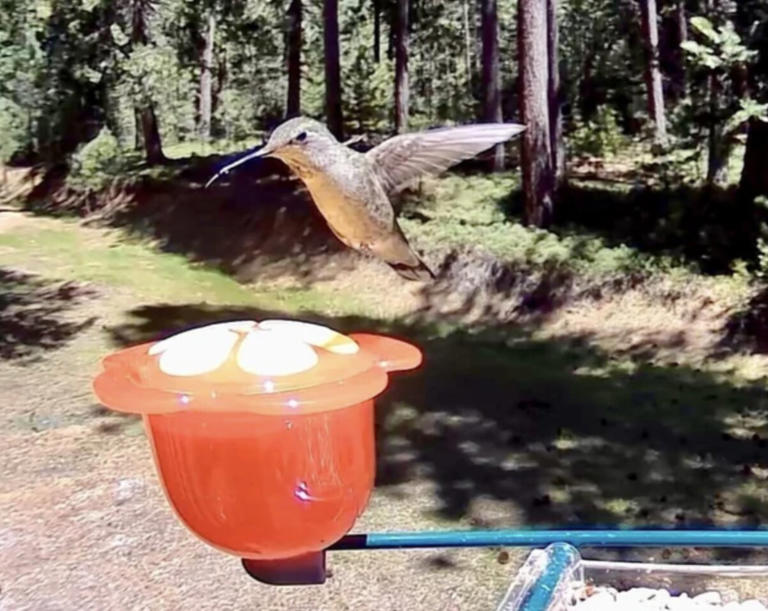
Feeders are commonly made from plastic, metal, or wood, each with pros and cons. Plastic feeders are lightweight and affordable but can crack under stress or harsh weather. Metal feeders offer durability and resistance to squirrels but might heat up in direct sunlight, affecting the seed quality.
Wooden feeders blend into natural surroundings and are sturdy, but they require regular maintenance to prevent rot. Think about your climate and the animals around your feeder before choosing a material. What material would hold up best in your backyard conditions?
Credit: www.msn.com
Common Bird Behavior Around Feeders
Birds around feeders show various behaviors that affect the feeder’s condition. Understanding these behaviors helps in managing feeders better. Birds are curious and active creatures. Their actions can sometimes cause wear and tear to feeders.
Feeding is the main activity at feeders. Birds also use feeders for resting or watching their surroundings. Recognizing common behaviors helps prevent damage and keeps feeders attractive to birds.
Feeding Habits
Birds visit feeders mainly to eat seeds or nectar. They often peck quickly to grab food. Some birds may cling to feeder parts while eating. Others might hover or land softly. Aggressive birds can push or jostle smaller ones. This rough behavior may cause feeder parts to loosen.
Birds tend to scatter seeds around the feeder. This can attract other wildlife and cause messes. Persistent birds might peck at feeder surfaces. Over time, this pecking can wear down paint or wood. Metal feeders usually resist damage better.
Nesting And Perching
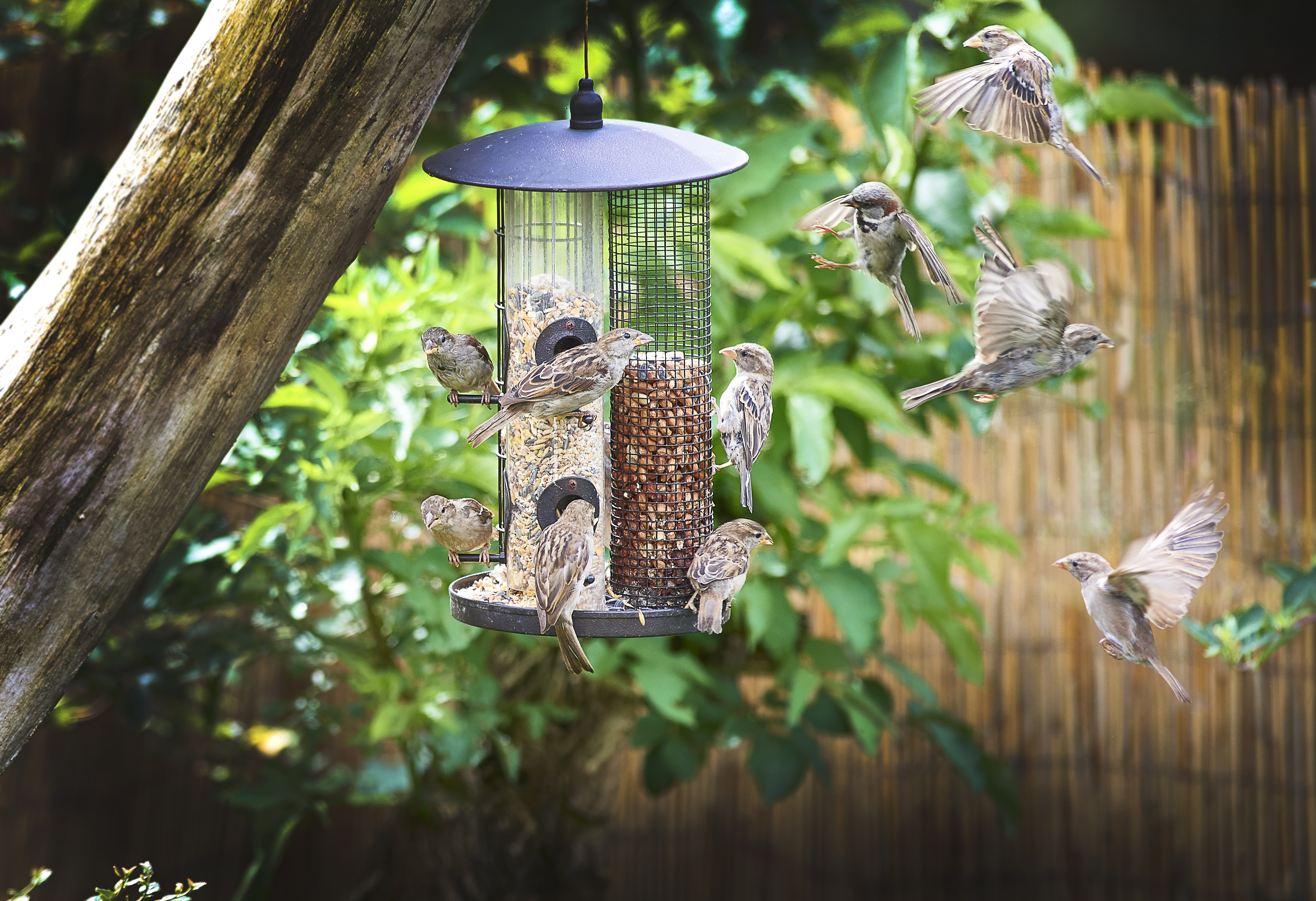
Birds sometimes use feeders as perches. They rest or watch for predators here. Perching can add weight and stress to feeders. Small birds are light, but groups can be heavy. Branches or poles holding feeders may bend or break.
Some birds may try to build nests nearby. They use twigs and leaves from feeder surroundings. Nesting near feeders can attract more birds. It might lead to droppings and debris buildup. Regular cleaning helps keep feeders in good shape.
How Birds Can Damage Feeders
Bird feeders are a fantastic way to enjoy nature up close, but they often face challenges from the very visitors they attract. Birds can unintentionally cause damage to feeders, leading to frustration for bird lovers. Understanding how birds affect these feeders helps you choose the right design and maintain it effectively.
Chewing And Pecking
Birds use their beaks to explore and interact with feeders, which sometimes means chewing or pecking at parts of the feeder. Wood feeders are especially vulnerable as wood absorbs the impact and can splinter or crack over time.
Even metal or plastic feeders are not immune; repeated pecking can cause scratches, chips, or loosen fastenings. Have you noticed how squirrels and woodpeckers target certain feeders? Their strong beaks can turn your feeder into a chew toy.
Weight And Movement Stress
Feeders must support not only the weight of seeds but also the birds themselves. Larger birds or groups landing simultaneously can put stress on hanging or pole-mounted feeders. This constant shifting and movement can weaken hooks, chains, or mounting brackets.
Over time, the feeder may start swinging excessively, causing parts to loosen or break. You might find your feeder tilted or hanging crooked after a busy morning of bird visits. Are your feeder’s attachments strong enough to handle the daily activity?
Species Most Likely To Cause Damage
Not all visitors to your bird feeder are gentle guests. Some species have stronger beaks or clever habits that can lead to damage. Knowing which animals are most likely to cause harm helps you protect your feeder and keep your feathered friends safe.
Woodpeckers
Woodpeckers are tough on bird feeders. Their strong, chisel-like beaks can peck through wood, plastic, or even metal parts. I’ve seen a woodpecker create holes in a wooden feeder in just a few days, turning a nice feeder into a battered one.
They aren’t just after the food inside. Sometimes, woodpeckers drum on feeders to mark territory or attract mates. This behavior can cause cracks or loosen parts, making the feeder unstable over time.
To protect your feeder, consider metal guards or feeders made from tough materials. Have you noticed any strange pecking sounds around your feeder? That might be a woodpecker testing its strength.
Squirrels And Other Pests
Squirrels are notorious for raiding bird feeders. They use their sharp teeth to chew through plastic and wood, often pulling feeders down or breaking perches. I once watched a squirrel dismantle a feeder in minutes, leaving seeds scattered everywhere.
Other pests like rats and raccoons can also cause damage. They can be surprisingly strong and persistent, especially at night. These animals don’t just eat the seeds—they can break parts to get to the food.
To keep these pests at bay, try squirrel-proof feeders or add baffles. Have you tried feeding birds without attracting uninvited guests? It’s a challenge, but choosing the right feeder helps a lot.
Preventing Feeder Damage
Bird feeders can suffer damage from energetic birds or harsh weather. Preventing this damage helps keep feeders safe and birds happy. Simple steps can increase a feeder’s life and reduce repair costs.
Choosing Durable Materials
Select feeders made from strong materials like metal or thick plastic. These materials resist pecking and harsh weather better than thin plastic or wood. Metal feeders last longer and stand up to squirrels and larger birds.
Look for feeders with rust-resistant coatings. These coatings protect metal parts from rain and snow. Also, feeders with shatterproof components reduce breakage risks. Durable feeders save money over time and provide stable feeding spots for birds.
Proper Placement And Maintenance
Place feeders where birds feel safe but away from strong wind or direct sun. Avoid spots near windows to prevent bird collisions. Keep feeders off the ground to reduce damage from animals and moisture.
Clean feeders regularly to prevent mold and bacteria growth. Inspect feeders weekly for cracks or loose parts. Tighten screws and replace damaged pieces quickly. Proper care keeps feeders intact and inviting for birds all year.
Credit: dengarden.com
Signs Of Damage To Watch For
Noticing early signs of damage on your bird feeder can save you money and frustration. Birds are lively visitors, but their activity might wear down your feeder over time. Recognizing these signs helps you decide when to repair or replace parts before the feeder becomes unusable.
Physical Wear And Tear
Look closely at the feeder’s structure. Are there cracks, chipped paint, or bent metal parts? These are clear signs that the feeder is under stress.
Check the feeding ports and perches. If you see holes worn larger or perches loose, birds might be struggling to feed properly.
Weather also plays a role. Rust spots or faded colors suggest that the feeder’s protective coating is breaking down, making it more vulnerable to bird activity and the elements.
Behavioral Clues From Birds
Watch how birds interact with your feeder. Are they pecking aggressively at certain spots? Persistent pecking can cause damage over time.
Notice if large groups of birds gather and jostle on the feeder. Heavy traffic might strain the feeder’s supports and cause it to sway or tilt.
If you see birds attempting to pry open sections or accessing seed in unusual ways, it might be a sign that the feeder design isn’t holding up well against their cleverness.
Repairing And Replacing Feeders
Bird feeders often face wear and tear from active birds. Repairing and replacing feeders keeps them safe and attractive for birds. Regular care extends feeder life and saves money. Knowing when to fix or replace helps maintain a healthy bird feeding area.
Diy Fixes
Small damages can be fixed at home with simple tools. Loose parts can be tightened with a screwdriver. Cracks in plastic feeders can be sealed with waterproof glue. Rusty metal parts benefit from sanding and rust-resistant paint. Clean feeders thoroughly before repairs to avoid mold.
Broken perches can be replaced using small wooden dowels. Use strong string or wire to rehang feeders securely. Clear scratches on glass feeders with fine sandpaper. Regular checks catch small problems before they grow. DIY fixes keep feeders functional and safe for birds.
When To Buy New
Some damages make feeders unsafe or unattractive. Large cracks or holes let seed spill quickly. Rust that weakens metal parts can cause collapse. Mold growth inside feeders is hard to remove. If repairs cost more than a new feeder, replace it.
Feeder design matters too. Old feeders may not keep seed dry or deter squirrels. Choose new feeders with durable materials and easy cleaning. Fresh feeders attract more birds and last longer. Replace feeders to ensure a safe feeding spot.
Balancing Bird Enjoyment And Feeder Longevity
Balancing the joy of watching birds with the need to keep your bird feeder intact can be a bit tricky. Birds are lively and curious, and their enthusiasm sometimes leads to feeder damage. However, with the right approach, you can enjoy vibrant bird activity without constantly repairing or replacing your feeder.
Feeding Strategies
Choosing the right type of feed can make a big difference. Seeds that are less messy, like sunflower hearts or safflower, attract birds but cause less spillage. Avoid cheap mixes full of filler seeds that birds often scatter, which can invite pests and wear down your feeder faster.
Consider placing multiple feeders instead of one. This reduces crowding and aggressive bird behavior that can lead to damage. You might also try feeders designed for specific bird species, which can limit access to larger, more destructive birds.
Monitoring Bird Activity
Keep an eye on how different birds interact with your feeder. Are some species more destructive? Are certain times of day busier? Observing these patterns helps you adjust feeder placement or feeding times to reduce wear and tear.
Use a simple notebook or a phone app to track which birds visit and how often. You might notice that early morning visitors cause less damage than those arriving later. This insight lets you tweak your routine and keep the feeder in better shape.
Frequently Asked Questions
Can Birds Damage A Bird Feeder?
Yes, some birds can damage feeders by pecking or scratching. Larger birds may cause more wear. Durable feeders resist damage better.
How To Prevent Birds From Destroying Feeders?
Use sturdy, high-quality materials and secure feeders tightly. Place feeders away from areas where birds cause damage. Regularly inspect and maintain feeders.
Which Birds Are Most Likely To Damage Feeders?
Larger birds like woodpeckers and aggressive species may damage feeders. Squirrels and other animals can also cause harm. Design feeders to deter such visitors.
Does Feeder Damage Affect Bird Feeding Habits?
Damaged feeders may reduce food availability and discourage birds. Clean, well-maintained feeders attract more birds. Timely repairs help maintain bird visits.
Conclusion
Bird feeders bring joy to both birds and humans. They sometimes attract unwanted attention. Some birds may peck and damage feeders. Choose durable materials for your feeder. Avoid flimsy plastic. Regular maintenance helps too. Clean feeders prevent damage and disease.
Consider bird behavior when selecting a feeder. Some designs deter aggressive birds. Feeders with metal parts last longer. Enjoy watching birds in your garden. With care, feeders can last and bring happiness.