
Have you ever hung a bird feeder outside and wondered, “Will birds actually find it?” You’re not alone. It can be frustrating to set up a feeder and wait, hoping for colorful feathers and cheerful chirps.
But the good news is, there are simple ways to make your feeder impossible for birds to miss. You’ll discover the secrets to attracting birds to your feeder quickly and easily. Get ready to turn your outdoor space into a lively haven for feathered friends!
Choosing The Right Feeder
Choosing the right feeder plays a crucial role in attracting birds to your yard. The feeder you pick affects not only which birds visit but also how often they come back. Understanding the different types, materials, and sizes will help you make a choice that suits your space and the birds you want to attract.
Types Of Feeders
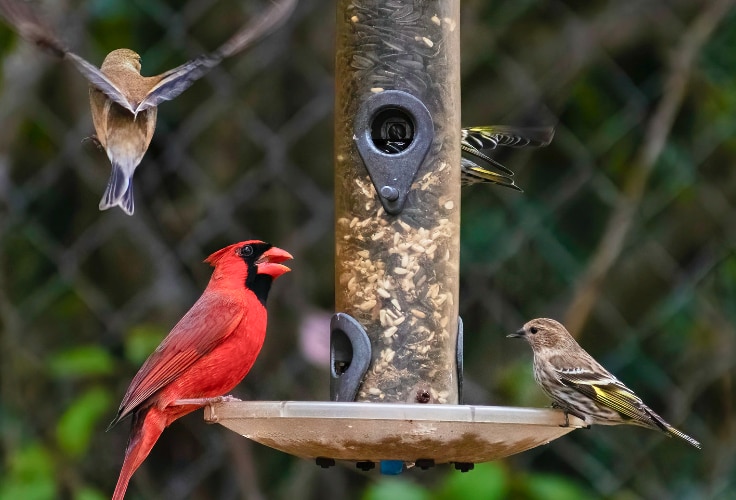
There are many feeder designs, each catering to different bird species and feeding habits. Tube feeders are great for small songbirds like finches and chickadees. Platform feeders provide an open space that attracts a variety of birds but may invite squirrels as well.
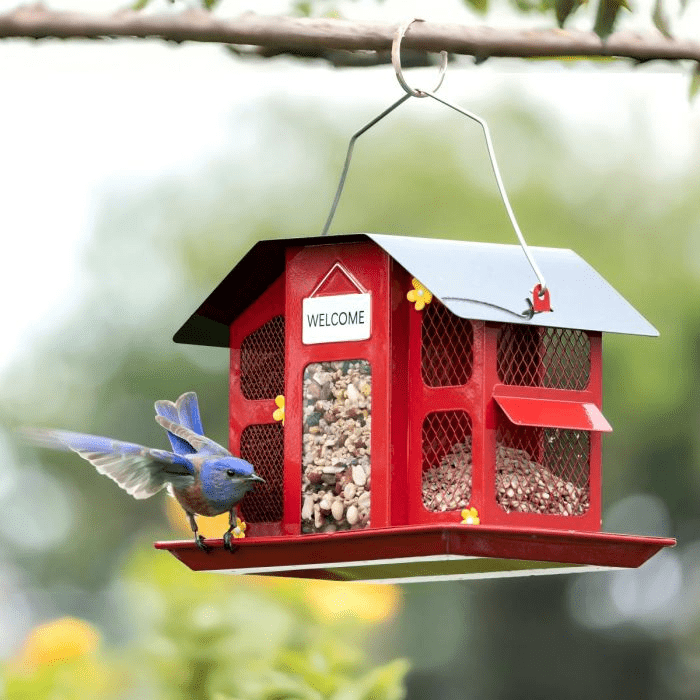
Hopper feeders hold a larger quantity of seed and protect it from the elements, making them ideal if you want to feed birds consistently without frequent refills. Suet feeders appeal to woodpeckers and insect-eating birds, especially in colder months.
Ask yourself: which birds do you want to see most? Your choice here directs your entire feeding setup.
Material And Durability
Feeders come in plastic, metal, and wood, each with its pros and cons. Plastic feeders are lightweight and affordable but might crack under harsh weather or attract squirrels who chew on them. Metal feeders, especially those made of stainless steel, offer excellent durability and resist damage from squirrels.
Wood feeders blend well with natural surroundings but require regular maintenance to prevent rot and mold. Your local climate should influence your material choice—think about rain, wind, and sun exposure. Is your feeder going to last through multiple seasons or need replacement soon?
Feeder Size And Capacity
Choosing the right size depends on how many birds visit and how often you can refill the feeder. Small feeders are easy to clean and refill but might empty quickly if you have many visitors. Larger feeders hold more seed, reducing refill frequency, but can become dirty or moldy if not cleaned regularly.
Consider your daily schedule and how much time you can dedicate to maintenance. A feeder with a capacity that matches your availability keeps the seed fresh and birds happy. Have you thought about how much seed you are willing to store and how much space the feeder will occupy?

Credit: www.youtube.com
Selecting Bird-friendly Seeds
Selecting the right seeds plays a big role in attracting birds to your feeder. Different birds prefer different types of seeds. Choosing bird-friendly seeds makes your feeder more inviting and keeps birds coming back. Seeds also affect the health and safety of the birds visiting.
Popular Seed Types
Black oil sunflower seeds are favorites among many birds. They have thin shells, so birds can eat them easily. Millet is another common seed, loved by ground-feeding birds like sparrows. Nyjer seeds attract finches with their small size and high oil content. Mixed seed blends offer variety but check the ingredients carefully. Avoid fillers like red millet or wheat, which many birds ignore.
Seasonal Seed Choices
Seeds should match the season to attract local birds effectively. In winter, high-fat seeds like sunflower and safflower help birds stay warm. Spring and summer require lighter seeds for breeding birds. Offer more millet and cracked corn during these months. Changing seeds with seasons keeps your feeder interesting and supports bird health all year.
Avoiding Unwanted Birds
Not all birds are welcome at feeders. Pigeons and starlings can crowd out smaller birds. Safflower seeds repel many large birds but attract cardinals and finches. Use seed blends without millet to discourage sparrows. Place feeders in spots hard for unwanted birds to reach. These tactics help keep the right birds visiting your feeder.
Optimal Feeder Placement
Optimal feeder placement makes a big difference in attracting birds. Birds need clear signals to find your feeder easily. The right spot keeps them safe and comfortable. It also helps you enjoy watching them without disturbance.
Safe And Visible Locations
Choose a spot where birds can see the feeder clearly. Avoid placing feeders near busy roads or places with heavy foot traffic. Birds feel safer in open areas with a clear view of their surroundings. This helps them watch for predators while feeding. Bright, open spaces attract more birds.
Height And Accessibility
Place feeders at a height that birds can reach but predators cannot. Usually, 4 to 6 feet off the ground works well. This height also makes it easier for you to fill and clean the feeder. Avoid placing feeders too low, where cats or other animals can reach them. Accessibility means safety for birds and convenience for you.
Proximity To Natural Cover
Set feeders near trees or shrubs. Natural cover offers birds a quick place to hide. It also makes them feel less exposed and more likely to visit. Avoid placing feeders too deep in thick bushes, as predators may hide there. A balance between open space and nearby cover is best.
Maintaining Cleanliness
Keeping your bird feeder clean is key to attracting birds and keeping them healthy. Birds prefer feeders free from old seeds and dirt. A clean feeder invites more birds to visit often. It also helps stop harmful germs from spreading.
Regular Cleaning Routine
Clean your feeder at least once every two weeks. Remove all seeds and debris before washing. Use warm water and a brush to scrub all surfaces. Let the feeder dry completely before refilling it. This routine keeps seeds fresh and feeder safe for birds.
Preventing Mold And Disease
Mold grows quickly in damp seed and dirty feeders. It can make birds sick and scare them away. Throw away any wet or clumped seeds immediately. Check the feeder daily for signs of mold or damage. Keeping the feeder dry and clean lowers disease risks.
Safe Cleaning Supplies
Use mild soap or a solution of vinegar and water to clean. Avoid harsh chemicals that can harm birds. Rinse the feeder well to remove all soap residue. Use a soft brush or cloth to avoid scratches. Clean tools only used for feeders prevent cross-contamination.
Creating A Bird-friendly Habitat
Creating a bird-friendly habitat around your feeder helps attract more birds. Birds seek places that offer food, water, and shelter. These elements make them feel safe and comfortable. By designing a welcoming environment, your feeder becomes a popular spot for local birds.
Planting Native Flora
Native plants provide natural food and shelter for birds. They attract insects that many birds eat. Choose flowers, shrubs, and trees local to your area. These plants support birds throughout the year. Their seeds, berries, and nectar offer extra food sources.
Providing Water Sources
Birds need fresh water for drinking and bathing. A shallow birdbath or small pond works well. Keep water clean and fresh by changing it often. Moving water, like a dripper or fountain, attracts more birds. Place water near the feeder but away from predators.
Shelter And Nesting Spots
Birds look for safe places to rest and raise young. Dense shrubs, brush piles, and trees provide good cover. Nesting boxes give extra homes for cavity-nesting birds. Avoid trimming all branches or clearing brush near feeders. These spots help birds feel secure and stay close by.
Credit: avibirds.com
Timing And Patience
Timing and patience play crucial roles in attracting birds to your feeder. Birds don’t always show up immediately, and understanding their habits can greatly improve your chances of visits. Patience allows you to learn their patterns and adjust your feeding schedule accordingly.
Best Times To Feed Birds
Birds are most active during the early morning and late afternoon. These times are when they search for food to fuel their day or prepare for the night. Try putting out food just after sunrise or a couple of hours before sunset to catch their attention.
Consider your local environment too. In urban areas, birds might visit feeders more often during quieter times, such as early mornings on weekends. Have you noticed certain times when your feeder stays untouched? Experiment with timing to see what works best in your backyard.
Being Patient For Visits
It can be tempting to expect birds to flock to your feeder right away, but they need time to discover it. Some species are cautious and will only approach once they feel safe. Keep your feeder in the same spot consistently and avoid sudden movements nearby.
When I first set up a feeder, it took almost a week before any birds showed interest. During that time, I watched quietly from a distance and resisted the urge to move or refill too often. Patience paid off when a small group of finches finally arrived and stayed for days.
Seasonal Bird Behavior
Bird activity changes with the seasons, affecting when and how often they visit feeders. In spring and summer, many birds focus on nesting and may visit less frequently. During fall and winter, feeders become vital food sources as natural supplies dwindle.
Knowing this, you can adjust your feeding habits. Offering high-energy seeds in winter can attract more visitors, while in summer, providing fresh water might be more appealing. How do you adjust your feeder to match the changing seasons?
Using Visual And Auditory Attractants
Using visual and auditory attractants can help birds find your feeder more easily. Birds rely on sight and sound to locate food sources. Bright colors and natural sounds invite birds to explore your feeder area. Creating a welcoming environment encourages more visits.
Colorful Decorations
Bright colors catch birds’ attention from far away. Red, yellow, and orange are especially attractive to many bird species. Adding colorful ribbons, flowers, or painted feeders can increase visibility. Choose natural tones to blend with the environment but still stand out. Avoid too much glare or shiny surfaces that may scare birds.
Bird Calls And Sounds
Playing bird calls can attract certain species to your feeder. Use recordings of local birds to sound natural. Soft and gentle calls work best, mimicking real bird communication. Avoid loud or repetitive sounds that might frighten birds. Sounds help birds feel safe and curious about your feeder.
Avoiding Scare Tactics
Birds avoid feeders with sudden movements or loud noises. Keep decorations still and quiet to create a peaceful space. Remove or reduce items like scarecrows or flashing lights near the feeder. These may frighten birds away instead of attracting them. Focus on calm, inviting signals to welcome feathered visitors.
Credit: www.kingsyard.com
Frequently Asked Questions
How Do Birds Locate Feeders?
Birds use their keen eyesight and memory to find feeders. Brightly colored feeders and those filled with fresh seeds attract them. Birds often follow others to food sources. Placing feeders in visible, open areas can increase discovery. Regularly filling feeders ensures they remember the location.
What Time Of Day Do Birds Visit Feeders?
Birds typically visit feeders in the early morning and late afternoon. These times coincide with their natural feeding patterns. However, some birds may visit throughout the day. Observing local bird activity can help determine peak visiting times. Keeping feeders stocked ensures birds find food whenever they visit.
Why Are Birds Not Coming To My Feeder?
Several reasons may deter birds, such as location, food type, or feeder cleanliness. Ensure the feeder is in a safe, visible spot. Offer a variety of seeds to attract different species. Regular cleaning prevents mold and disease, making the feeder more appealing to birds.
How Long Does It Take For Birds To Find A New Feeder?
It might take a few hours to weeks for birds to find a new feeder. Factors like location, food type, and bird population affect discovery time. Be patient, and consider adding bird-friendly plants or water sources nearby to attract them faster.
Conclusion
Birds will find your feeder with a little time and care. Place it in a quiet, safe spot. Use fresh seeds and keep the feeder clean. Watch patiently as birds start to visit. Each feeder attracts different types of birds.
Enjoy the calm and beauty they bring. Feeding birds creates a special connection with nature. Keep trying, and soon your feeder will be lively. Simple steps make a big difference in attracting birds.