

Are you wondering if hummingbirds will still visit your feeder when it’s placed under a tarp? You’re not alone.
Many bird lovers want to protect their feeders from rain or harsh sun but worry that covering them might scare away these tiny, colorful visitors. Understanding how hummingbirds react to shelters like tarps can help you keep your feeder safe while still attracting these amazing creatures.
Keep reading to discover what hummingbirds really think about feeders under tarps—and how you can create the perfect spot for them to stop by again and again.

Credit: www.yahoo.com
Hummingbird Behavior Near Feeders
Hummingbirds are small, fast birds with unique behaviors near feeders. Observing them can reveal patterns about their flight, shelter needs, and feeding habits. These behaviors help understand if hummingbirds will fly under a tarp to reach a feeder. Their natural instincts guide how they interact with feeding stations and shelter options.
Flight Patterns And Shelter Preferences
Hummingbirds have quick and direct flight paths. They prefer open spaces to avoid predators. Near feeders, they often hover carefully before landing. They can change direction swiftly and hover in place. When a tarp is overhead, hummingbirds may fly under it if there is enough space. They use sheltered areas during rain or strong wind. Trees and shrubs are common natural shelters. A tarp mimics these safe spots if positioned well.
Reaction To Weather Changes
Hummingbirds respond quickly to weather changes. Rain, wind, and cold affect their feeding routines. They seek shelter during storms to save energy. A tarp can provide a dry, calm place near the feeder. On windy days, hummingbirds avoid open feeders without cover. They prefer feeders near stable shelter. Hummingbirds may delay feeding if weather is too harsh. Shelter helps them feed longer and stay healthy.
Common Feeding Habits
Hummingbirds feed frequently throughout the day. They visit feeders to drink nectar or rest. They prefer feeders in safe, visible locations. Bright colors attract hummingbirds to feeders. They often return to the same feeder multiple times. Hummingbirds defend their feeding spots from others. A tarp over the feeder can help them feel secure. They like feeders with easy access and protection from weather.
Using A Tarp For Feeder Protection
Using a tarp for feeder protection can be a simple yet effective way to keep your hummingbird feeder safe from harsh weather and other elements. It helps maintain the quality of the nectar and ensures a consistent feeding spot for the birds. Have you ever wondered if hummingbirds actually prefer feeders that are shielded from rain or sun?
Benefits Of Covering Feeders
Covering your feeder with a tarp offers several advantages. It prevents rainwater from diluting the nectar, which keeps the sugar concentration just right for hummingbirds. This means less frequent refills and a more inviting feeding station.
It also provides shade, protecting the nectar from overheating and fermentation. Hummingbirds can be picky about their food, and a cooler feeder is more appealing to them. Plus, the tarp can shield the feeder from falling debris or bird droppings, keeping it clean longer.
Ideal Tarp Placement
Where you place the tarp matters as much as using one. Position it above the feeder but high enough to allow hummingbirds easy access. If it’s too close, it might block their flight path or frighten them away.
Consider the direction of the sun and prevailing winds when setting up the tarp. A south-facing tarp provides shade during the hottest parts of the day, while a windbreak on the windward side can reduce shaking and spillage. Would your feeder spot benefit more from sun protection or wind shelter?
Materials That Work Best
Not all tarps are created equal for hummingbird feeders. Lightweight, breathable fabrics like nylon or polyester work well because they allow air circulation and prevent moisture buildup under the cover. Avoid heavy, non-breathable tarps that trap heat and moisture, which can spoil the nectar.
Look for materials that are water-resistant but not completely waterproof to maintain a balance between protection and ventilation. Transparent or light-colored tarps can keep the area bright, which helps hummingbirds spot the feeder easily. Have you tried different tarp materials to see which your local hummingbirds prefer?
Will Hummingbirds Fly Under A Tarp?
Hummingbirds are curious and quick birds that often visit feeders for nectar. Many bird lovers wonder if hummingbirds will fly under a tarp placed above their feeder. This question matters because tarps can provide shelter from rain or sun. Understanding how hummingbirds react to tarps helps in setting up feeders that attract these tiny birds.
Attraction Or Avoidance Factors
Hummingbirds may be attracted to tarps if they offer protection from harsh weather. Tarps can create a safe space from rain or strong sunlight. However, hummingbirds might avoid tarps if the cover is too dark or blocks their view. Bright light and open spaces usually attract hummingbirds more.
Movement and color around the feeder also affect their choice. If the tarp moves in the wind, birds might get scared. Hummingbirds prefer steady, calm environments for feeding.
Observations From Birdwatchers
Many birdwatchers note that hummingbirds do fly under tarps during light rain. They seem to appreciate the shelter while still accessing nectar. Some observers report that hummingbirds hesitate at first but soon get used to the tarp.
Others have seen hummingbirds avoid tarps placed very close to feeders. Birds need space to hover and maneuver. When the tarp is too low or tight, hummingbirds may choose feeders without cover.
Impact Of Tarp Height And Size
The height of the tarp is key to hummingbirds’ comfort. A tarp placed at least 2 feet above the feeder gives enough flying room. Larger tarps that cover a wider area also feel safer to birds.
Small or low-hanging tarps can block flight paths and make hummingbirds nervous. Tarps with open sides help maintain good airflow and visibility. This setup encourages hummingbirds to fly under the tarp and reach the feeder.

Credit: www.reddit.com
Tips To Encourage Hummingbirds To Use Covered Feeders
Encouraging hummingbirds to use feeders placed under a tarp takes thoughtful planning. Covered feeders offer protection from rain and harsh sun. Birds may feel safer with a bit of shelter nearby. Small changes in the feeder setup can make a big difference in attracting hummingbirds to these spots.
Creating A Safe Environment
Place the feeder near shrubs or trees. These provide natural cover and perching spots. Avoid areas with heavy foot traffic or loud noises. Keep predators, like cats, away from the feeding area. Position the tarp so it does not block the feeder’s entrance. This helps hummingbirds feel secure and able to spot danger.
Using Bright Colors And Proper Feeder Design
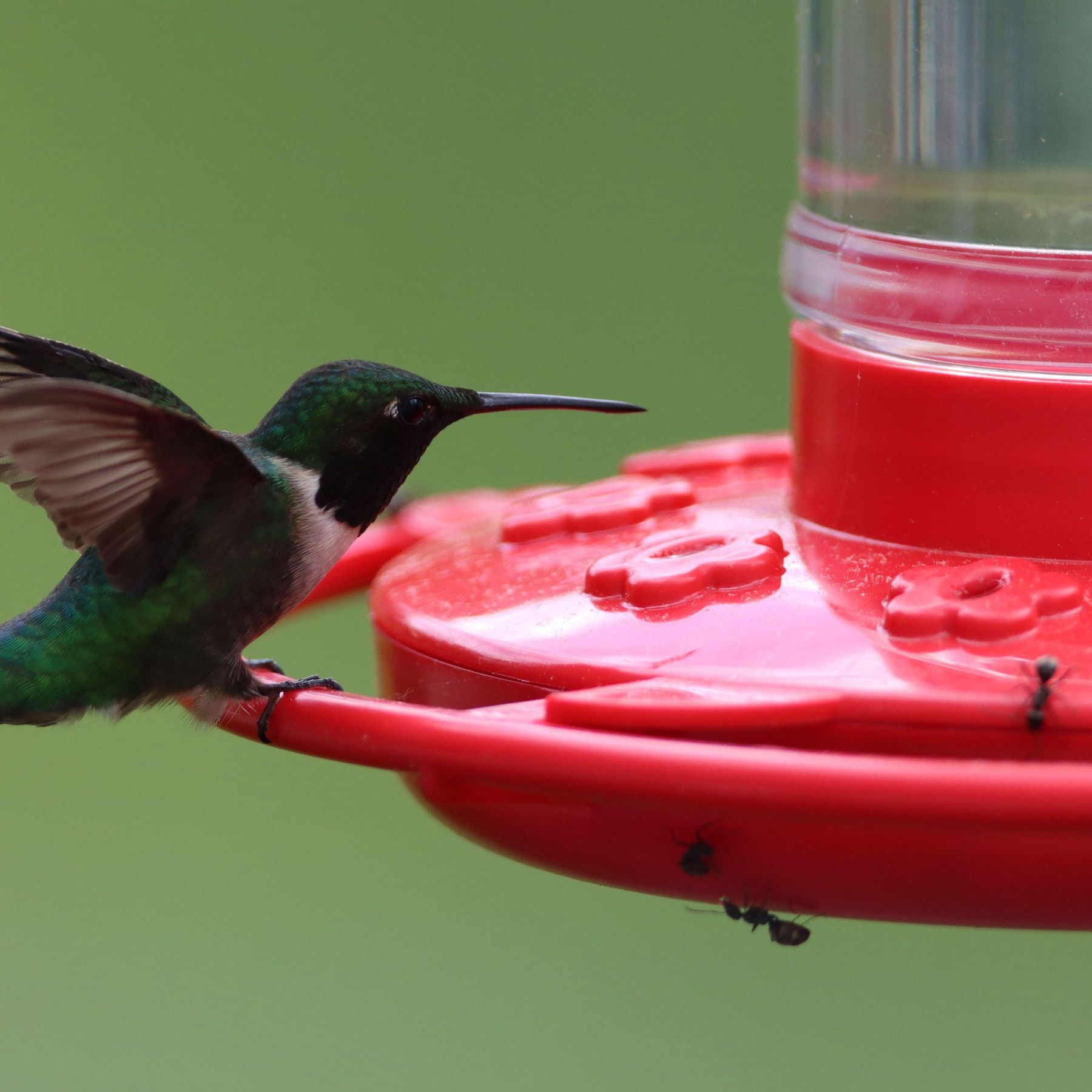
Hummingbirds are drawn to bright red and orange colors. Choose feeders with red accents or add red ribbons nearby. Use feeders with multiple feeding ports to reduce crowding. Clear reservoirs show nectar levels easily. Avoid feeders with yellow parts, which attract bees and wasps instead. Bright colors and good design help hummingbirds notice and use the feeder more.
Regular Cleaning And Maintenance
Clean feeders every three to five days in warm weather. Use hot water and a brush to remove mold and bacteria. Replace nectar regularly to keep it fresh. Dirty feeders can repel hummingbirds and spread disease. Check the tarp and feeder for damage or leaks. A clean, well-maintained feeder under a tarp stays inviting and safe for hummingbirds.
Alternatives To Tarps For Feeder Protection
Protecting your hummingbird feeder from sun and rain helps keep the nectar fresh. Tarps are a common choice but not the only one. There are natural and creative ways to shield your feeder without using tarps. These alternatives also create a welcoming space for hummingbirds to visit and feed comfortably.
Natural Shade Options
Placing your feeder near trees or bushes provides natural shade. Leaves block harsh sunlight and reduce nectar spoilage. Choose spots with dappled light rather than full sun. Shrubs or climbing plants can act as living umbrellas. This method blends well with the garden and attracts birds naturally.
Custom Feeder Covers
Specially designed covers fit over hummingbird feeders. These covers protect from rain and sun but allow easy bird access. Materials like mesh or lightweight fabric work well. Some covers come with bright colors to attract birds. Covers also help keep insects away from the nectar.
Positioning For Optimal Sunlight
Placing feeders in the right spot reduces the need for extra protection. Morning sun is gentle and helps keep nectar warm. Avoid spots with strong afternoon sun that can spoil nectar fast. Look for areas with partial shade during the hottest hours. Adjust feeder height to avoid direct exposure to harsh weather.
Credit: www.homesandgardens.com
Frequently Asked Questions
Will Hummingbirds Stay Under A Tarp Near Feeders?
Hummingbirds may stay under a tarp if it offers shelter from rain or sun. They prefer open spaces but tolerate cover when feeding.
Can A Tarp Protect Hummingbird Feeders Effectively?
Yes, a tarp can protect feeders from rain and direct sunlight. This keeps the nectar fresh longer and attracts more birds.
Do Hummingbirds Avoid Feeders Under Tarps?
Hummingbirds do not typically avoid feeders under tarps. They focus on nectar availability but prefer clear flight paths and safe perches.
How Does A Tarp Affect Hummingbird Feeding Behavior?
A tarp provides shelter, which can make hummingbirds feel secure. It may increase feeder visits during harsh weather conditions.
Conclusion
Hummingbirds can adapt to various feeding environments. A tarp provides them shelter. It shields feeders from rain and sun. Birds may feel safe under it. Observing their behavior helps in adjusting feeder placements. Patience is key. Birds need time to adapt.
Consistent feeder locations support their return. Ensure feeders are clean and filled regularly. A welcoming environment encourages visits. Their presence adds beauty to any garden. Understanding their needs enhances your birdwatching experience. Enjoy the vibrant life they bring.