
Have you ever wondered if other birds besides hummingbirds would visit your hummingbird feeder? You might be surprised to learn that your feeder can attract a variety of feathered friends.
Understanding which birds might stop by and why can help you create a lively backyard scene. If you want to make the most of your feeder and enjoy watching different birds, keep reading—this article will reveal what you need to know about sharing your hummingbird feeder with other birds.
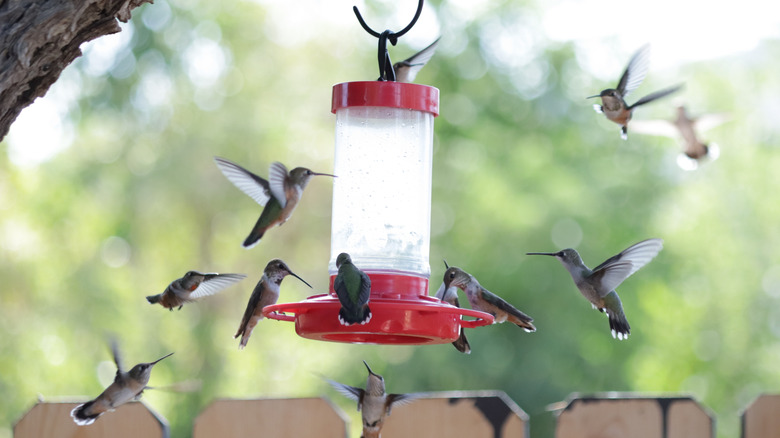
Credit: www.outdoorguide.com
Hummingbird Feeders And Their Design
Hummingbird feeders are specially designed to meet the needs of these tiny birds. Their design helps attract hummingbirds and keeps the nectar fresh. The shape, color, and feeding ports all play important roles in inviting hummingbirds to visit.
The design also helps prevent other animals from accessing the nectar easily. Still, some other birds may try to drink from these feeders. Understanding the design helps explain why and how other birds might use them.
Features That Attract Hummingbirds
- Bright red colors mimic flowers hummingbirds love.
- Small feeding ports fit the hummingbird’s long beak.
- Clear nectar reservoirs show fresh nectar inside.
- Perches allow hummingbirds to rest while feeding.
- Built-in bee guards keep insects away from nectar.
These features make hummingbird feeders very specific for hummingbirds. The bright colors and small holes discourage larger birds from feeding. The bee guards reduce competition from insects.
Common Feeder Types
| Feeder Type | Description | Best For |
|---|---|---|
| Top-Load Feeders | Fill from the top, easy to clean and refill. | Beginners and regular cleaning |
| Bottom-Load Feeders | Fill from the bottom, less mess, harder to clean. | Experienced users |
| Perch Feeders | Include perches for birds to rest while feeding. | Comfortable feeding for hummingbirds |
| Window Feeders | Attach to windows, great for close-up viewing. | Watching hummingbirds indoors |
Each feeder type offers different benefits for hummingbirds. Some designs are easier to clean and refill. Others provide better viewing or comfort for the birds.
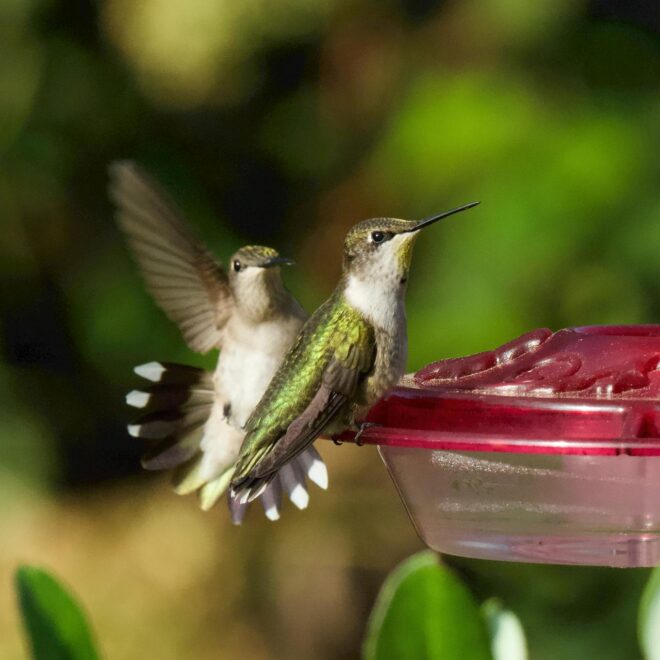
Credit: www.birdwatchingdaily.com
Birds Attracted To Hummingbird Feeders
Hummingbird feeders often become a hotspot not just for hummingbirds but for a variety of other bird species. These feeders offer an easy source of sugar water that can attract different birds, especially during times when natural nectar sources are scarce. Understanding which birds visit and why they are drawn to these feeders can help you manage your feeding station better and enjoy a wider range of feathered visitors.
Species Often Seen Visiting
Besides hummingbirds, you might notice several other bird species showing up at your feeder. Orioles are frequent visitors, attracted by the sweet nectar just like hummingbirds. House finches and sparrows also sometimes take advantage of the easy food source.
Additionally, some warblers and woodpeckers may stop by, especially during migration seasons. These birds are generally more interested in the sugar water as a quick energy boost. Have you ever spotted a curious chickadee or titmouse sipping from a hummingbird feeder? Their visits can be surprising but delightful.
Why Non-hummingbirds Are Interested
Many birds are drawn to hummingbird feeders because they provide a concentrated source of energy. Sugar water acts like a quick fuel, especially for small birds that need constant energy to keep warm or stay active. You might find that during cold snaps or dry spells, more species than usual visit your feeder.
Some birds are also attracted by the bright colors of the feeder itself, mistaking it for flowers or fruit. This visual cue can prompt curious birds to investigate. If you want to keep non-hummingbirds away, consider feeders designed specifically for hummingbirds with built-in guards or smaller feeding ports.
Risks Of Other Birds Drinking From Hummingbird Feeders
Hummingbird feeders are designed specifically for tiny nectar-loving birds, but other birds often find their way to these sweet spots. While it might seem harmless to see other birds enjoying the feeder, there are important risks involved that you should consider. Understanding these risks helps you protect your hummingbirds and maintain a healthy feeding environment.
Impact On Hummingbirds
When larger birds drink from hummingbird feeders, they can scare away the hummingbirds you want to attract. Hummingbirds are territorial and may avoid feeders if they feel threatened or crowded. This reduces the chances for you to enjoy their delicate visits and can affect their feeding habits.
Another issue is that bigger birds might damage the feeder by pecking or perching on it. This can lead to leaks or broken parts, making the feeder less safe and less effective for hummingbirds. Have you noticed fewer hummingbirds after squirrels or larger birds started visiting your feeder?
Health Concerns For Other Birds
Hummingbird feeders often contain sugary nectar that is not suitable for many other bird species. Birds that drink from these feeders may suffer from nutritional imbalances because they aren’t getting the diverse diet they need. This can weaken their immune systems and make them more vulnerable to disease.
There is also a risk of spreading illness among birds sharing the feeder. Diseases like mold infections or bacterial growth can thrive in leftover nectar, especially if the feeder isn’t cleaned regularly. Larger birds can introduce dirt or saliva that contaminates the nectar, putting all visitors at risk.
To keep your feeder safe, consider placing it where only hummingbirds can access it, and clean it often. What steps have you taken to protect your birds from these risks?
Tips To Discourage Unwanted Visitors
Unwanted birds often visit hummingbird feeders, causing trouble for the tiny visitors. Discouraging these larger birds helps protect hummingbirds and keeps the feeder clean. Simple changes can make a big difference. Try different ways to keep unwanted birds away while still attracting hummingbirds.
Feeder Placement Strategies
Place feeders in open areas away from trees and shrubs where larger birds like to perch. Hang feeders at least 5 feet above the ground. Avoid spots near bird feeders meant for bigger birds. Keep feeders near flowers or plants hummingbirds like. This makes the area less attractive to unwanted birds.
Feeder Design Adjustments
Choose feeders with small feeding ports sized for hummingbird beaks only. Use feeders with built-in bee guards to prevent access by bigger birds. Bright red colors attract hummingbirds but do not attract larger birds. Avoid feeders with large perches that allow bigger birds to land. Consider weight-activated feeders that close for heavy birds.
Alternative Feeding Options For Other Birds
If you’ve noticed other birds eyeing your hummingbird feeder, you might wonder if there are better ways to attract them without disrupting the tiny nectar drinkers. Different bird species have different feeding needs, so offering alternative options can keep all your feathered friends happy. Let’s look at how you can provide the right feeders and foods tailored specifically for various birds in your yard.
Types Of Feeders For Different Species
Different birds prefer different types of feeders. Tube feeders with small perches attract finches and chickadees, while platform feeders are great for ground-feeding birds like doves and sparrows.
- Suet feeders:Ideal for woodpeckers, nuthatches, and wrens, especially in colder months.
- Nectar feeders:Perfect for hummingbirds but usually avoided by larger birds.
- Nyjer feeders:Designed for tiny seeds that goldfinches love.
- Fruit feeders:Attract orioles and tanagers who enjoy juicy treats.
Have you noticed certain birds prefer specific feeders in your garden? Experimenting with a variety can help you discover what works best for your local species.
Safe Foods For Various Birds
Choosing the right food is essential for the health of your backyard visitors. Avoid anything processed or with additives, and stick to natural options you can easily provide.
- Black oil sunflower seeds:A favorite for many songbirds due to their thin shells.
- Suet cakes:Provide high energy, especially useful in winter.
- Fruit pieces:Offer slices of oranges, apples, or berries to attract fruit-eaters.
- Peanut pieces:Loved by jays and woodpeckers, but ensure they are unsalted and chopped to avoid choking.
- Mealworms:Great protein source for bluebirds and wrens.
Have you tried offering mealworms or fresh fruit to your birds? Watching their reactions can be quite rewarding and helps you adjust your feeding strategy.

Credit: www.natureswaybirds.com
Maintaining Your Hummingbird Feeder
Maintaining your hummingbird feeder is key to attracting these vibrant birds and keeping them healthy. A clean and well-stocked feeder not only invites hummingbirds but also discourages other birds or insects that might be drawn to leftover syrup. Let’s look at how you can keep your feeder in top shape with easy cleaning and refilling habits, plus tips to prevent mold and bacteria.
Cleaning And Refilling Best Practices
Regular cleaning prevents old nectar from spoiling and keeps your feeder inviting. Empty the feeder every 2-3 days, especially in warm weather, to avoid fermentation. Use warm water and a mild soap or a mixture of vinegar and water to scrub the feeder thoroughly.
Rinse well to remove all soap residues before refilling with fresh nectar. A simple nectar recipe is 1 part sugar to 4 parts water—never use honey or artificial sweeteners. If you notice ants or bees, try hanging the feeder in a shaded spot or use ant moats to keep them away.
Preventing Mold And Bacteria
Mold and bacteria grow quickly in sugary water. You might not see it immediately, but they can harm hummingbirds. Clean your feeder with a bottle brush to reach every nook, and soak it in a diluted bleach solution (1 part bleach to 9 parts water) once a week for a deep clean.
Rinse thoroughly after bleaching to avoid chemical residues. Change nectar frequently and avoid letting it sit in direct sun for too long. Think about how often you check your feeder—could a little extra attention keep your visitors healthier and happier?
Frequently Asked Questions
Do Other Birds Use Hummingbird Feeders?
Yes, other birds like orioles and woodpeckers may use hummingbird feeders. They are attracted to the sweet nectar. To accommodate them, consider using feeders with perches. However, ensure hummingbirds still have access by maintaining multiple feeding stations and keeping feeders clean and filled with fresh nectar.
Are Hummingbird Feeders Safe For Other Birds?
Hummingbird feeders are generally safe for other birds. The sugar water is not harmful to them. However, ensure the feeders are clean and free of mold. Moldy nectar can be dangerous to all birds. Regular cleaning and maintenance will help keep all visiting birds healthy and safe.
How Can I Attract Only Hummingbirds?
To attract only hummingbirds, use feeders specifically designed for them. These feeders have small openings that suit hummingbirds’ long bills. Place feeders in areas less accessible to larger birds. Additionally, grow native flowers that attract hummingbirds and provide natural nectar sources, enhancing your garden’s appeal to these tiny creatures.
What Birds Are Attracted To Hummingbird Nectar?
Birds like orioles, woodpeckers, and warblers are often attracted to hummingbird nectar. They enjoy the sweet taste. While they may visit occasionally, hummingbirds remain the primary visitors. To ensure hummingbirds get their fill, maintain multiple feeders and keep them clean and well-stocked with fresh nectar.
Conclusion
Other birds may visit hummingbird feeders, but not often. They prefer different foods and feeders made for them. Watching various birds at your feeder adds joy to your garden. Keep the feeder clean and filled with fresh nectar. This helps hummingbirds stay healthy and happy.
Enjoy the quiet moments and the tiny, bright visitors. Nature’s small wonders bring peace and simple pleasure. Each bird has its favorite spot and taste. Your feeder creates a little world full of life.