
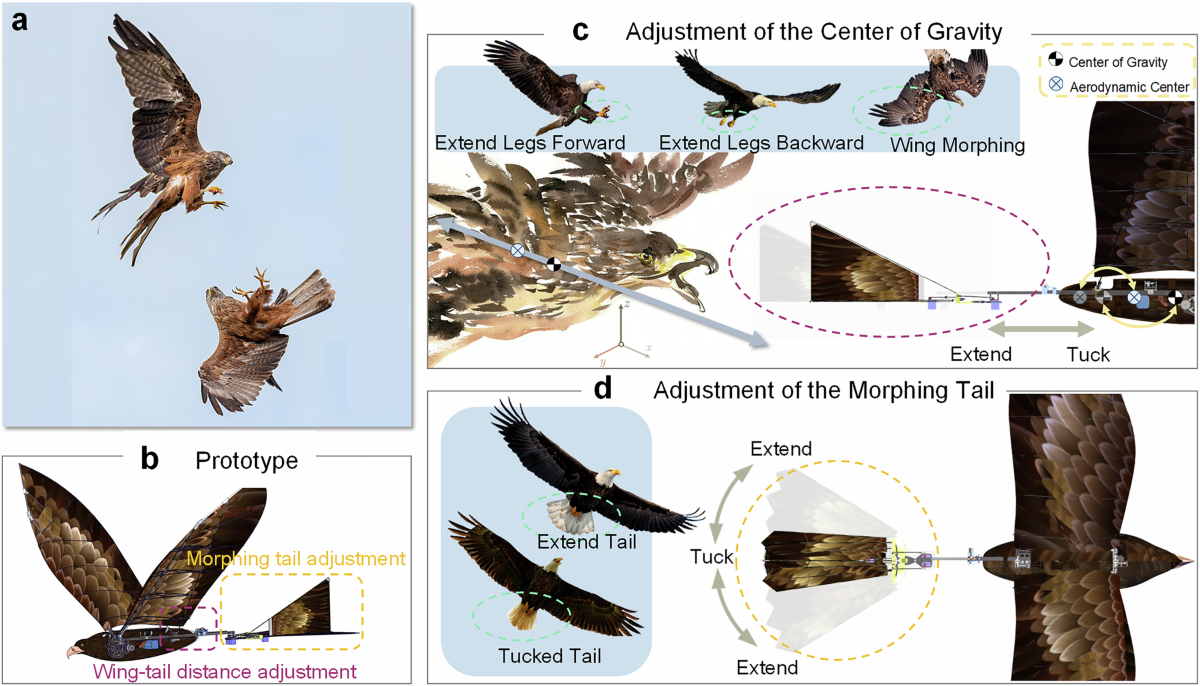
Have you ever wondered how birds soar through the sky with such ease and speed? It’s not just their wings that make it possible—birds use smart behaviors to cut through the air and reduce drag.
Understanding these simple yet clever tricks can change the way you see flight and even inspire your own ideas about moving smoothly and efficiently. Keep reading to discover the surprising bird habits that help them glide effortlessly, and learn how these natural techniques might just boost your own performance in unexpected ways.
Bird Wing Shapes And Drag
Birds change wing shape to cut air resistance and fly faster. They tuck wings close during dives and spread them wide to glide smoothly. These actions help birds use less energy and move easily through the air.
Understanding bird wing shapes and how they reduce drag can offer us fascinating insights. Each bird’s wing is a masterpiece of evolution, fine-tuned to minimize air resistance and enhance flight efficiency. By examining these shapes, we can see how nature’s designs lead to smoother and faster travel.Wing Tapering Effects
Wing tapering plays a crucial role in reducing drag. Birds with tapered wings, like swallows and falcons, can cut through the air more efficiently. The tapered design helps in reducing the wingtip vortices, which are the swirls of air that drag behind wings and slow birds down. Next time you watch a bird in flight, notice how its wings narrow towards the tips. This design is not just for aesthetics; it’s a strategic adaptation for speed and agility.Feather Alignment And Smoothness
Feather alignment significantly impacts a bird’s ability to reduce drag. When feathers are perfectly aligned, they create a smooth surface, allowing air to flow seamlessly over the wings. Birds such as the peregrine falcon, known for its high-speed dives, rely on this smooth alignment to maintain aerodynamic efficiency. Ever wondered how birds manage to keep their feathers so impeccably smooth? Preening is their secret weapon, ensuring that every feather remains in optimal condition for flight. Thinking about these natural strategies, what lessons can we apply to our designs and technology? The answers may just be soaring above us.Flight Postures That Cut Drag
Birds use special flight postures to reduce air resistance and fly efficiently. These postures help them cut drag, saving energy during long flights. Understanding these positions shows how nature shapes perfect flyers.
Streamlined Body Position
Birds tuck their wings close to their bodies. They align their feathers tightly to create a smooth surface. This shape reduces turbulence as air flows over them. The streamlined body lets birds slice through the air easily. It lowers drag and helps birds fly faster and farther.
Head And Neck Adjustments
Birds stretch their necks forward in flight. This action keeps their heads in line with the body. A straight line reduces air resistance on their head and neck. Some birds also tuck their heads slightly during fast dives. These small adjustments help minimize drag and improve flight control.
Feather Movements During Flight
Feather movements during flight are crucial in helping birds reduce drag and glide smoothly through the air. These subtle shifts allow birds to adjust their wing shape and surface area, optimizing their flight efficiency. Understanding how these tiny feather adjustments work can help you appreciate the complexity behind what looks like effortless flying.
Micro-adjustments In Feathers
Birds constantly make small, precise movements with individual feathers to control airflow. These micro-adjustments help reduce turbulence, which in turn lowers drag. You might not notice it, but these tiny shifts make a big difference in flight performance.
Think about how a hawk hovers before diving. It subtly adjusts each feather to stay steady and reduce resistance against the wind. Imagine if you could fine-tune your movements that precisely—how would it change your efficiency in everyday tasks?
Role Of Primary And Secondary Feathers
Primary feathers, located at the wing tips, are the main drivers of thrust and maneuverability. They spread out like fingers during slow flight or landing, helping to control air resistance and avoid stalling. Secondary feathers, closer to the bird’s body, provide lift and stability by smoothing airflow over the wing.
When you watch a bird take off, notice how these feathers change position. The primaries fan out to catch more air, while the secondaries tighten to maintain lift. This coordinated movement reduces drag and lets the bird fly longer distances with less effort.
Tail Functions In Drag Reduction
The tail plays a crucial role in reducing drag during bird flight. It acts like an aerodynamic tool that adjusts to different flying needs. Birds change their tail shape and position to control airflow and minimize resistance. These tail movements help them fly smoothly and save energy.
Tail Fanning And Folding
Birds fan their tails wide to increase surface area. This action creates more lift and slows down the bird. Fanning spreads the feathers apart, allowing air to pass through easily. It reduces drag by smoothing the airflow behind the bird.
Folding the tail feathers tightly helps during fast flight. It narrows the tail, cutting down air resistance. This streamlined shape allows birds to move faster with less effort. Tail fanning and folding work together to balance speed and control.
Tail Positioning For Stability
The tail adjusts its angle to keep the bird stable in the air. Tilting up or down changes how air flows around the body. This positioning reduces turbulence and drag during flight.
Birds use their tails like rudders to steer and balance. Small tail movements help maintain a straight path and reduce wobbling. Stability through tail positioning makes flying more efficient and less tiring.
Wingtip Vortices And Their Control
Wingtip vortices form as birds fly, creating swirling air patterns at their wings’ tips. These vortices increase drag and make flight less efficient. Birds have evolved behaviors and physical features to control these vortices. This control helps them reduce drag and save energy during flight.
Minimizing Turbulence
Birds adjust their wing shape to reduce turbulence. Slight changes in wing angle help smooth airflow. This limits the size and strength of vortices. Flying in formations also reduces turbulence for each bird. The lead bird breaks the air, easing the path for others.
Wingtip Feathers As Vortex Breakers
Wingtip feathers spread out like fingers at the wing edges. These feathers break up the vortices into smaller swirls. Smaller vortices create less drag than one large vortex. This design improves flight efficiency and stability. It also helps birds glide longer with less effort.

Credit: www.wildlifenomads.com
Behavioral Adaptations In Flight
Birds have developed clever ways to reduce drag while flying. Their behavior in the air plays a big role in how smoothly and efficiently they move. Understanding these adaptations can help you see flight from a new perspective and maybe even apply some ideas to your own activities.
Gliding Vs. Flapping Techniques
Gliding lets birds cut through the air with minimal effort. Instead of constantly flapping, they stretch their wings wide and let the wind carry them forward. This reduces drag because there’s less movement disrupting airflow.
Flapping creates more thrust but also increases drag due to wing movement. Birds often switch between flapping and gliding to balance energy use and speed. You might notice hawks or eagles soaring high with long glides, saving energy on long trips.
Speed Modulation And Drag
Adjusting speed helps birds control drag effectively. Flying too fast can increase drag sharply, while flying too slow can make it harder to stay airborne. Birds find the sweet spot where their speed minimizes drag and maximizes lift.
Think about pigeons in the city—they speed up to avoid obstacles, but then slow down to conserve energy. This natural speed modulation is a smart way to manage drag without extra effort. What speed do you find most comfortable when cycling or running? There might be a similar balance you can apply.
Environmental Influences On Drag
Birds face constantly changing environments that affect how much drag they experience during flight. Understanding these environmental influences helps explain why birds adjust their behavior to fly more efficiently. You might be surprised at how subtle changes in wind and altitude lead to major differences in a bird’s aerodynamic performance.
Wind Conditions And Flight Adjustments
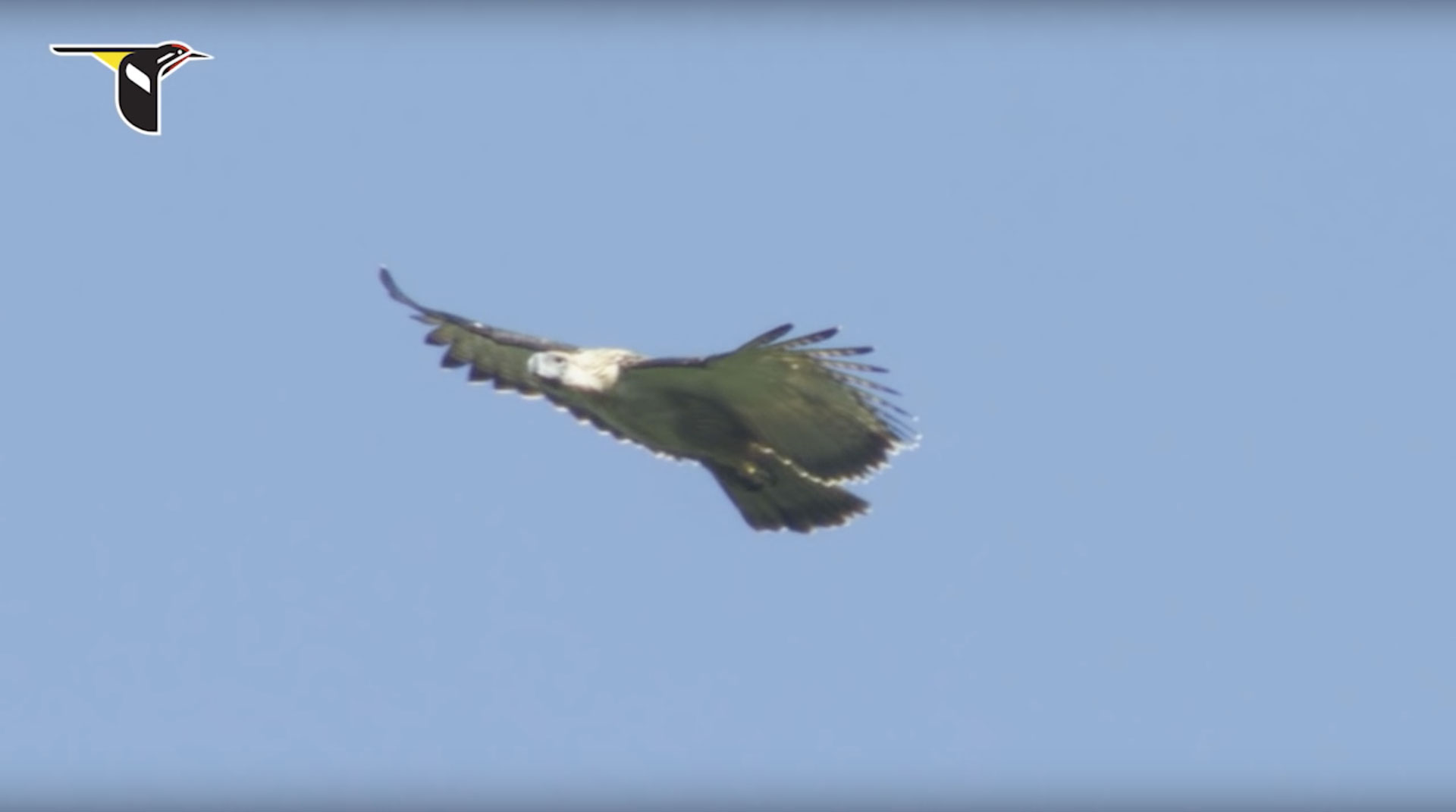
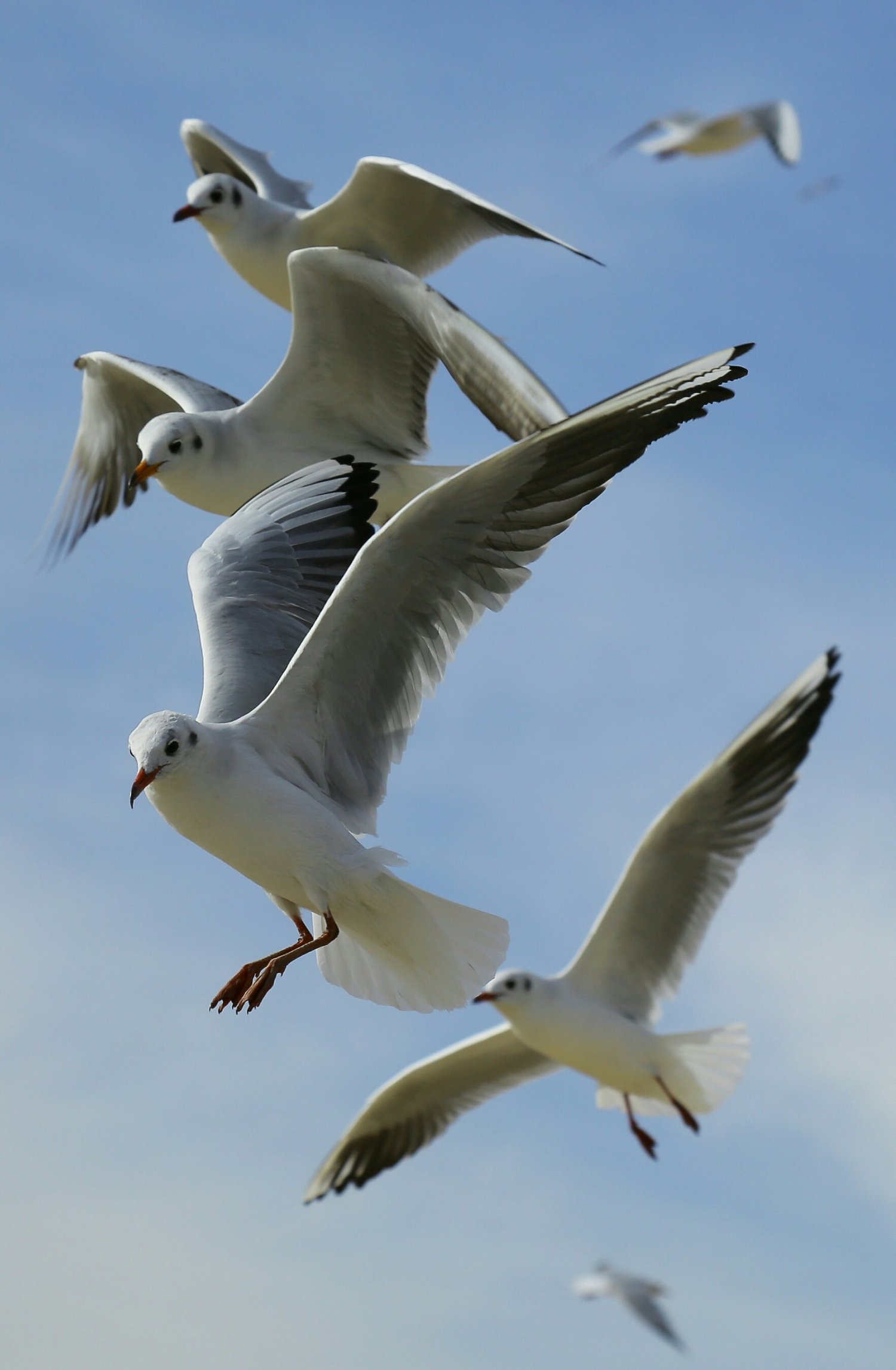
Birds don’t just fight the wind—they use it to their advantage. When winds are strong, many birds angle their wings and bodies differently to cut through the air with less resistance.
For example, gulls often tilt their wings slightly upward into the wind, creating lift that reduces drag. You can observe this if you watch seabirds near the shore on a windy day.
They also change their flight paths—sometimes gliding or soaring instead of flapping—to conserve energy. Have you noticed how birds circle in thermals on windy days? This behavior minimizes drag and maximizes lift at the same time.
Altitude Effects On Aerodynamics
Flying higher or lower in the atmosphere changes the air density and temperature, which impacts drag significantly. At higher altitudes, the air is thinner, so birds experience less air resistance but also less lift.
To compensate, many birds stretch their wings wider and adjust their wingbeats to maintain smooth flight. Migratory birds flying at high altitudes often show these adjustments, allowing them to cover vast distances efficiently.
Have you ever wondered how birds manage to soar for hours without tiring? Their ability to tweak aerodynamics based on altitude is a big part of the answer.
Credit: academy.allaboutbirds.org
Credit: www.animatornotebook.com
Frequently Asked Questions
How Do Birds Reduce Air Resistance During Flight?
Birds streamline their bodies and tuck in feathers to minimize air resistance. Their wing shape and smooth feather alignment also reduce drag, enabling efficient flight and energy conservation.
Why Do Birds Fly In V Formations?
Flying in V formations lowers drag by creating upwash from the lead bird’s wingtip vortices. This formation saves energy and helps birds maintain longer flights with less effort.
How Do Wing Shapes Affect Bird Drag?
Wing shape influences drag by altering airflow around the bird. Pointed, tapered wings reduce drag for fast flight, while broader wings aid in lift and maneuverability with slightly more drag.
What Role Do Feathers Play In Drag Reduction?
Feathers overlap tightly to create a smooth surface that reduces turbulence. This alignment lowers drag and allows birds to glide efficiently and control their flight with precision.
Conclusion
Birds use smart behaviors to reduce drag and fly smoothly. They tuck their wings close and keep feathers tight. This helps them cut through the air with less effort. Birds also change body shape to stay sleek in flight. These small changes save energy and help them fly farther.
Watching birds teaches us how nature solves tough problems. Their simple tricks inspire better designs in planes and cars. Understanding bird flight shows the power of working with nature.