

Are you torn between choosing monoculars or binoculars for your bird watching adventures? You want to get the best view of those beautiful birds without struggling with bulky gear.
But which one truly gives you clearer, closer sightings? You’ll discover the key differences and surprising benefits of monoculars compared to binoculars. By the end, you’ll know exactly which tool suits your style and needs—making every bird watching trip more enjoyable and rewarding.
Keep reading to find out which option will bring your feathered friends into sharper focus.
Monoculars Vs. Binoculars
Choosing between monoculars and binoculars for bird watching can be tricky. Both tools help you observe birds up close, but they offer different experiences. Understanding their differences can help you pick the right one for your needs.
Key Differences
Monoculars use a single lens, making them compact and lighter. Binoculars, on the other hand, have two lenses, allowing you to use both eyes for viewing. This affects comfort and depth perception during long bird watching sessions.
With binoculars, you get a wider field of view, which helps when tracking fast-moving birds. Monoculars provide a narrower view but are easier to carry around, especially for quick spotting. Also, binoculars often have better image stabilization because of their design.
Advantages Of Each
- Monoculars:Highly portable and lightweight, perfect for short hikes or quick checks. They fit easily in pockets or small bags, making them convenient when you want to travel light.
- Binoculars:Offer better depth perception and eye comfort, reducing fatigue during extended use. Their wider field of view helps you spot birds faster in dense foliage or open skies.
Think about your bird watching style—do you prefer quick, casual glimpses or detailed, longer observations? I once took a lightweight monocular on a day hike and appreciated how easy it was to carry. But during a weekend birding trip, I found binoculars helped me enjoy the details and colors more deeply.
Which matters more to you: portability or viewing comfort? Your answer will guide you to the right choice.
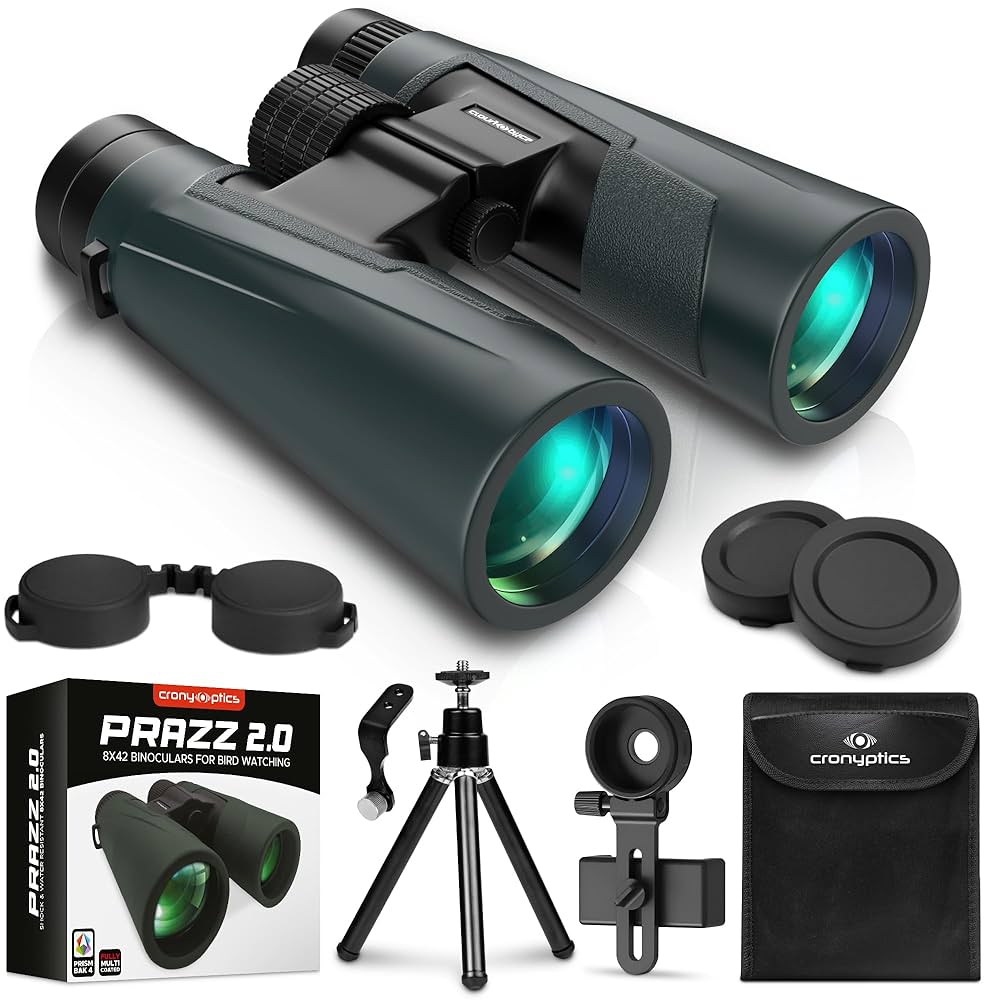
Credit: www.amazon.com
Features To Consider
Choosing between a monocular and binoculars for bird watching depends on key features. These features affect how well you see birds and how easy the device is to carry. Understanding these features helps pick the right tool for your needs.
Magnification Power
Magnification power shows how much closer the bird appears. Higher magnification means a bigger image but can make the view shaky. Lower magnification gives a steadier and wider view. For bird watching, 8x to 10x is often ideal. It balances clarity and stability well.
Field Of View
Field of view tells how wide the area you can see is. A wider field shows more of the environment. It helps find fast-moving or distant birds easier. Monoculars often have a narrower view than binoculars. Check the field of view size before buying for better spotting.
Portability And Weight
Portability matters if you walk or hike a lot. Light and compact devices are easy to carry all day. Monoculars are usually smaller and lighter than binoculars. This makes them good for quick trips or travel. But small size may reduce comfort during long use.
Benefits Of Monoculars For Bird Watching
Monoculars offer several benefits that appeal to bird watchers. Their compact design makes them easy to carry. They provide clear views of birds without much effort. Monoculars suit those who prefer lightweight gear. These devices also work well in various outdoor settings. Bird watchers can enjoy nature without bulky equipment.
Ease Of Use
Monoculars are simple to operate. They require only one eye, reducing strain. This makes focusing on birds quicker and easier. Their small size fits comfortably in one hand. Adjusting the focus is straightforward and fast. Beginners find monoculars less confusing than binoculars. They allow for smooth, quick spotting of birds.
Versatility In Outdoor Activities
Monoculars adapt well to many outdoor activities. Hikers, campers, and hunters find them useful. Their light weight means less load during travel. Monoculars fit easily into pockets or small bags. They are handy for quick checks at a distance. These devices work well in tight spaces too. Bird watchers enjoy the freedom monoculars provide.
Advantages Of Binoculars For Bird Watching
Choosing between binoculars and monoculars can be tricky for bird watching, but binoculars offer clear advantages that can enhance your experience. Their design allows you to see the world in a way that feels more natural and immersive. Let’s look at why binoculars often stand out when you’re trying to spot that elusive bird in the trees.
Depth Perception
Binoculars provide depth perception because they use both eyes, giving you a three-dimensional view. This makes it easier to judge how far away a bird is, which can be crucial when you want to decide whether to move closer or stay put.
When I first started bird watching, I struggled to estimate distances with a monocular. Switching to binoculars instantly improved my ability to track birds in flight and spot nests hidden among branches. Can you imagine missing out on a rare sighting because you misjudged the distance?
Comfort For Extended Use
Using binoculars feels more comfortable over long periods because they distribute the viewing effort across both eyes. This reduces eye strain and fatigue, which can be a real problem on long bird watching trips.
Think about how your eyes feel after scanning the landscape for hours. Binoculars help keep your vision steady and your focus sharp. Have you ever noticed how quickly your eyes tire when you use a monocular for more than a few minutes?
Expert Opinions
Experts have studied the differences between monoculars and binoculars for bird watching. Their insights help bird watchers choose the right tool. Opinions vary based on experience, needs, and bird watching style. Here is what bird watchers and professionals say about each option.
Bird Watchers’ Preferences
Many bird watchers prefer binoculars for their wide view. They say binoculars help spot birds faster and track them easily. Binoculars provide depth perception, making it easier to judge distance.
Some bird watchers like monoculars for their light weight and compact size. They find monoculars easier to carry during long hikes. Monoculars fit in small bags and pockets, which is convenient for quick trips.
Bird watchers often choose based on comfort and field conditions. For quick, casual viewing, monoculars work well. For detailed study and longer sessions, binoculars are preferred.
Professional Recommendations
Birding experts usually recommend binoculars for serious bird watchers. They highlight binoculars’ ability to show clear, detailed images in both eyes. This reduces eye strain during long observation periods.
Professionals note monoculars are useful for scouting or when space is limited. They suggest using monoculars as a backup or for beginners. Monoculars also serve well for spotting distant birds quickly.
Experts advise choosing optics with good magnification and lens quality. Both monoculars and binoculars can offer excellent views if made well. The choice depends on the user’s specific bird watching goals and habits.

Credit: www.amazon.com
Selecting The Right Optics
Choosing the right optics for bird watching depends on various factors. Both binoculars and monoculars offer unique benefits. Understanding these helps in making the best choice for your needs. Consider how often you will use the gear and what features matter most to you.
Budget Considerations
Price plays a key role in selecting optics. Binoculars usually cost more than monoculars. This is due to having two lenses instead of one. Think about how much you want to spend before buying.
Monoculars often provide good quality at a lower price. They are lightweight and easy to carry. Binoculars offer better depth perception but can be heavier and pricier. Balance cost with features to fit your budget.
Specific Use Cases
Consider what type of bird watching you plan. Monoculars work well for quick spotting and short trips. They fit in small pockets and are less tiring to hold.
Binoculars excel for detailed viewing and longer sessions. They give a wider field of view and better image stability. If you watch birds in dense forests or open fields, binoculars might be the better option.
Think about your comfort and convenience. Pick optics that suit your style and environment. This makes bird watching more enjoyable and effective.
Care And Maintenance
Proper care and maintenance can make a huge difference in how well your monocular or binocular performs over time. These devices are delicate optical instruments that need regular attention to stay sharp and clear. Neglecting their upkeep can lead to foggy lenses, misalignment, or even permanent damage.
Cleaning Tips
Always start cleaning by gently blowing off dust and debris from the lenses. Using a soft brush or a lens blower helps avoid scratches that rough cloths can cause.
Use a microfiber cloth designed for optics to wipe the lenses. Avoid tissues or regular cloths as they can leave fibers or cause tiny scratches. If smudges persist, apply a small amount of lens cleaning solution to the cloth, never directly on the lens.
Be careful not to use household cleaners or water, as these can damage the lens coatings. Have you ever noticed how a quick clean can instantly brighten your view? It’s a simple step that keeps your bird-watching moments crystal clear.
Storage Solutions
Store your monocular or binocular in a padded case when not in use. This protects them from bumps, dust, and moisture. A hard case is ideal if you travel often or hike through rough terrain.
Keep silica gel packets inside your storage case to absorb moisture. Dampness can fog up lenses and lead to mold growth inside the optics. Make sure your device is completely dry before putting it away for long periods.
Where you store your gear also matters. Avoid leaving it in hot cars or direct sunlight, which can warp plastic parts or damage coatings. What’s your go-to spot for keeping your optical gear safe and ready?
:max_bytes(150000):strip_icc()/tal-celestron-trailseeker-8x42-ed-binoculars-sarah-barber-18-5bfcad5d279347f79e03f02c7fe42287.jpeg)
Credit: www.travelandleisure.com
Frequently Asked Questions
Are Monoculars As Effective As Binoculars For Bird Watching?
Monoculars are compact and lightweight but offer less depth perception than binoculars. Binoculars provide better image clarity and a wider field of view, making them generally more effective for bird watching.
What Are The Advantages Of Using Monoculars?
Monoculars are easy to carry and quick to use. They are ideal for casual bird watchers who prefer portability over enhanced depth perception and wider views.
Can Monoculars Replace Binoculars For Beginners?
Monoculars can be good for beginners due to simplicity and affordability. However, binoculars often provide a more immersive bird-watching experience with better image quality.
How Does Field Of View Compare Between Monoculars And Binoculars?
Binoculars generally have a wider field of view than monoculars. This wider view helps bird watchers track moving birds more easily and see more details.
Conclusion
Minoculars offer a compact and lightweight option for bird watching. They fit easily in pockets and bags. Binoculars provide a wider view and better depth perception. Both tools help spot birds clearly, but choices depend on your needs. Minoculars suit quick trips and light travel.
Binoculars work best for longer, focused bird watching. Think about comfort, size, and how you plan to use them. Each has strengths that can enhance your bird watching experience. Choose what feels right for you and enjoy nature’s beauty up close.