
Have you ever paused to watch a bird soaring through the sky or perched quietly on a branch? That simple act is more than just a moment of calm—it’s the heart of bird watching.
But what does bird watching really mean for you? Is it just a hobby, or could it be a doorway to discovering nature’s hidden wonders? You’ll uncover how bird watching can change the way you see the world, sharpen your focus, and bring unexpected joy to your everyday life.
Keep reading, and you might find yourself seeing birds—and your own experiences—in a whole new light.
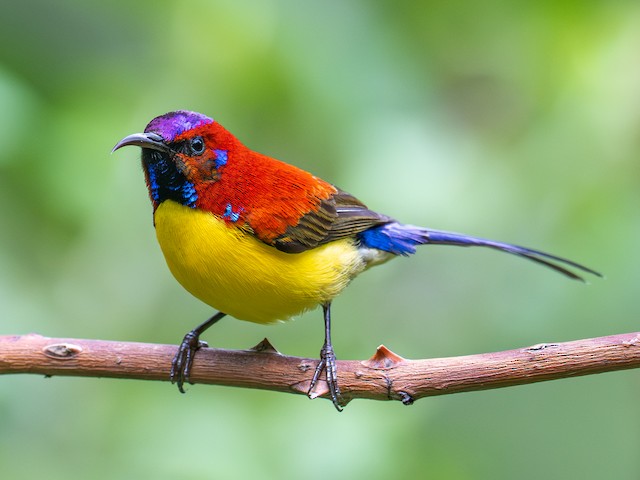
Credit: ebird.org
Bird Watching Basics
Bird watching is a quiet, peaceful activity that anyone can enjoy. It means observing birds in their natural homes. This hobby helps you connect with nature and learn about different bird species. Beginners often start with simple steps to get the most from their experience. Knowing the basics makes bird watching more fun and rewarding.
Essential Gear
Good gear helps you see birds clearly and stay comfortable outdoors. A pair of binoculars is a must-have. It brings distant birds close to your eyes. A field guide or bird identification app helps you recognize birds by sight and sound. Wearing weather-appropriate clothes keeps you warm, dry, or cool. A notebook is useful for jotting down your sightings and notes.
Choosing Locations
Birds live in many types of places. Parks, forests, wetlands, and gardens can all be great spots. Early mornings are the best time to watch birds. They are more active and easier to spot then. Visit places with water, trees, and plants. These areas attract more bird species. Be patient and move quietly to avoid scaring birds away.
Bird Identification Tips
Bird identification is a key skill in bird watching. It makes the experience richer and more rewarding. Learning how to identify birds helps you understand their habits and habitats. It also connects you more closely to nature.
Simple tools and techniques can improve your ability to spot and name birds. Two important ways to do this are using field guides and recognizing bird calls.
Using Field Guides
Field guides are books or apps that show pictures and details of birds. They help you compare what you see with images and descriptions. Look for features like size, color, shape, and markings.
Choose a guide specific to your region for better accuracy. Many guides include tips on bird behavior and habitats too. Carry a compact guide during your walks or use a phone app for quick access.
Take notes or mark down birds you spot. This practice improves your memory and identification skills over time.
Recognizing Bird Calls
Bird calls are unique sounds each species makes. Listening carefully can help identify birds even if you can’t see them clearly. Try to notice the pitch, rhythm, and repetition of the sounds.
Start by learning common calls of birds in your area. Use recordings or apps to practice. Hearing calls frequently makes it easier to recognize them in nature.
Combine call recognition with visual cues for best results. This dual approach leads to faster and more confident bird identification.
Benefits Of Bird Watching
Bird watching offers many benefits beyond just spotting colorful birds. It brings people closer to the natural world and supports mental well-being. This simple activity fits well into daily life and requires little equipment. Many find peace and joy in observing birds in their natural habitat. The following sections explain key benefits of bird watching.
Connecting With Nature
Bird watching helps people notice the beauty around them. It encourages outdoor time in parks, forests, and gardens. Observing birds teaches patience and attention to small details. This connection often increases respect for wildlife and the environment. It also inspires care for natural spaces and promotes eco-friendly habits.
Mental Health Advantages
Watching birds can reduce stress and calm the mind. It offers a break from screens and daily worries. Many find joy in the simple act of spotting a bird. This hobby can improve mood and lower feelings of anxiety. Spending time outside with birds helps refresh the brain and boost focus.
Bird Watching For Conservation
Bird watching goes beyond a simple hobby; it plays a crucial role in conservation efforts worldwide. Every time you observe and record bird species, you contribute valuable data that helps protect these creatures and their environments. Understanding how your bird watching activities support conservation can turn your pastime into a powerful tool for preserving nature.
Citizen Science Projects
Joining citizen science projects allows you to make a real impact on bird conservation. By submitting your bird sightings to platforms like eBird or the Audubon Society, you help scientists track bird populations and migration patterns.
Your observations can reveal changes in bird behavior or habitat use, sometimes even before experts notice. Have you ever wondered how your local bird counts influence larger conservation policies? Participating in these projects connects you directly to global efforts and provides data that can prompt action to save endangered species.
Supporting Bird Habitats
Protecting bird habitats is essential for their survival, and you can help by supporting local conservation initiatives. Simple actions like planting native trees or avoiding pesticide use create safe spaces for birds to thrive near you.
Engaging with community groups focused on habitat restoration amplifies your contribution. Think about the last time you saw a bird nesting in your backyard—what if that habitat disappeared? Your support for habitat protection ensures birds have the resources they need for feeding, breeding, and shelter.
Bird Watching Communities
Bird watching communities bring together people who share a passion for observing and appreciating birds. These groups offer more than just companionship; they provide valuable opportunities to learn and grow your skills. Connecting with others can make your bird watching experience richer and more rewarding.
Joining Clubs And Groups
Local bird watching clubs give you a chance to meet fellow enthusiasts face-to-face. Many clubs organize regular outings, workshops, and talks where you can learn from experienced birders. Joining a group can also give you access to exclusive birding spots and resources you might not discover on your own.
Think about the last time you spotted a rare bird. Wouldn’t it be exciting to share that moment with others who truly understand the thrill? Clubs often foster mentorship, where seasoned birders help newcomers improve their identification and spotting skills.
Online Resources And Forums
Online communities open up a world of bird watching beyond your local area. Forums and social media groups let you ask questions, share photos, and get instant feedback from birders worldwide. This can be especially helpful when you’re unsure about identifying a species or need tips on birding gear.
Some websites even offer bird sighting maps and real-time alerts. Imagine knowing exactly where a rare bird was spotted yesterday and planning your next trip around that information. Engaging online keeps your bird watching active and exciting, even when you can’t get outside.

Credit: www.amazon.com.br
Challenges In Bird Watching
Bird watching is a peaceful and rewarding hobby. It connects people with nature and wildlife. Yet, it has its challenges. Understanding these challenges helps bird watchers enjoy their experience more fully. Some difficulties come from nature itself. Others come from the need to protect the birds and their homes.
Environmental Changes
Bird habitats are changing fast. Climate shifts affect where birds live and how they behave. Trees and plants may disappear or grow in new places. This makes it hard to find certain birds. Pollution and deforestation also harm bird populations. Natural disasters can destroy nests and food sources. Bird watchers must adapt to these changes. Sometimes they must travel farther or learn new habits of birds.
Ethical Bird Watching Practices
Respecting birds is very important. Disturbing them can cause stress or harm. Bird watchers must keep a safe distance. Avoid loud noises and sudden movements. Do not touch nests or feed birds. Using binoculars and cameras helps observe without bothering them. Following local rules and guidelines protects birds and their homes. Responsible bird watching ensures that future generations can enjoy this hobby too.

Credit: www.yahoo.com
Frequently Asked Questions
What Does Bird Watching Mean?
Bird watching means observing and identifying different bird species in their natural habitats. It is a popular outdoor hobby that combines nature appreciation with wildlife study. Bird watchers often use binoculars and field guides to enhance their experience.
Why Is Bird Watching Popular Worldwide?
Bird watching is popular because it connects people with nature and promotes relaxation. It requires minimal equipment and can be done anywhere. It also encourages environmental awareness and offers opportunities for social interaction and physical activity.
How Do Beginners Start Bird Watching?
Beginners start bird watching by learning common local birds and using basic binoculars. Joining bird watching groups or using apps helps identify species. Observing birds regularly improves skills and enhances enjoyment of this peaceful activity.
What Equipment Is Needed For Bird Watching?
Essential equipment includes binoculars, a field guide, and a notebook. Binoculars help see birds clearly from a distance. Field guides assist in identifying species. A notebook is useful for recording sightings and observations.
Conclusion
Bird watching brings people closer to nature and its beauty. It helps us notice small details in birds and their habits. This hobby offers peace and a chance to relax outdoors. Anyone can start with just a pair of binoculars and patience.
Watching birds also helps protect wildlife and their homes. It teaches respect for all living things. Bird watching means enjoying simple moments and learning about the world. Give it a try—you might find joy in every bird you see.