
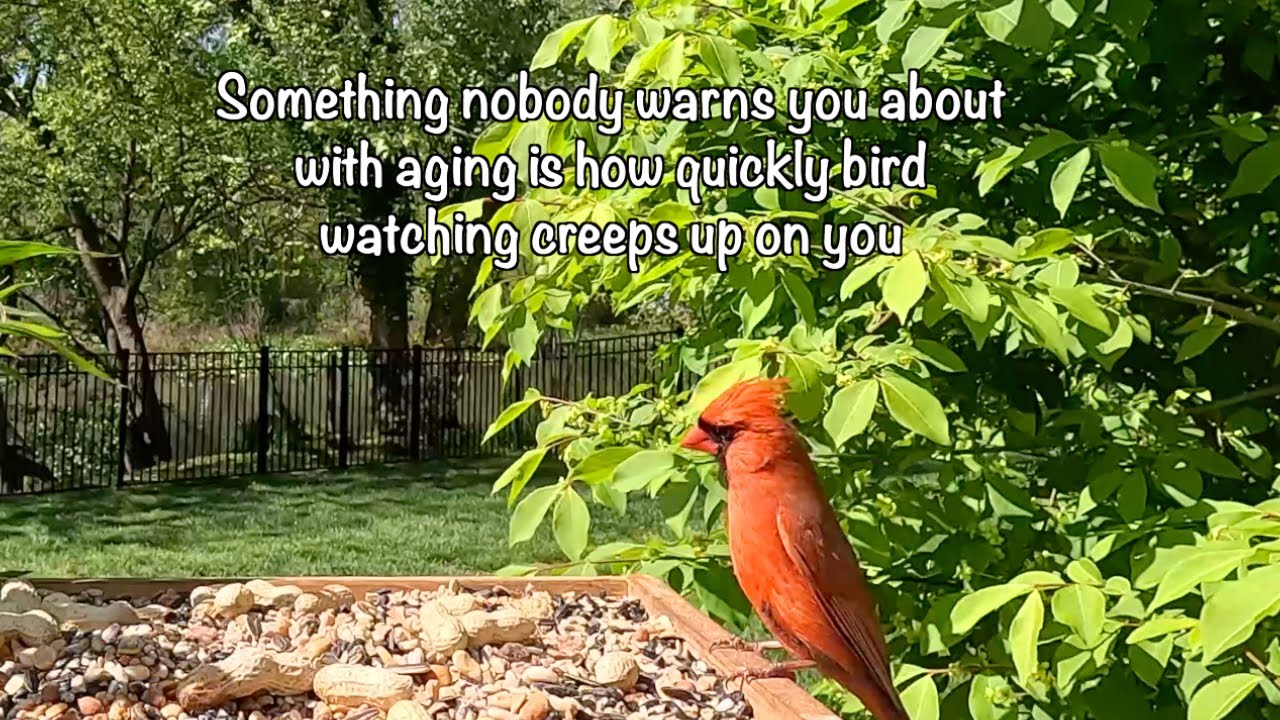
Have you ever found yourself quietly watching birds fluttering in the trees or hopping around your backyard? If so, you might wonder what it really means when you enjoy birdwatching.
Is it just a simple hobby, or does it say something deeper about you? Understanding why you like watching birds can reveal surprising insights about your personality, your need for calm, and even how you connect with nature. Keep reading to discover what your love for birds might be telling you about yourself—and why it’s more meaningful than you think.

Credit: www.allaboutbirds.org
Birdwatching And Its Growing Popularity
Birdwatching has become a popular hobby worldwide. People enjoy spending time outdoors, observing birds in their natural habitats. This activity offers relaxation, excitement, and a connection with nature. The growing interest in birdwatching reflects a broader desire to explore the environment and learn about wildlife. Many communities now support birdwatching through clubs, events, and guided tours.
Understanding The Appeal Of Birdwatching
Birdwatching attracts people of all ages. It requires patience and attention to detail. Many find joy in spotting rare or colorful birds. The hobby also encourages learning about different species and their behaviors. It gives a sense of achievement when identifying a new bird.
Benefits Of Birdwatching For Mental Health
Spending time observing birds helps reduce stress. The calm and quiet environment promotes peace and mindfulness. Birdwatching can improve focus and patience. It also offers a break from daily routines and screens. Nature’s beauty provides comfort and joy.
Birdwatching As A Social Activity
Many birdwatchers join groups or clubs. These communities share tips and organize trips. Group birdwatching creates friendships and shared experiences. It makes the hobby more enjoyable and educational. Events like bird counts bring people together for a cause.
How Technology Supports Birdwatching
Modern tools make birdwatching easier. Apps help identify bird species quickly. Cameras and binoculars improve viewing quality. Online forums allow sharing photos and stories. Technology connects birdwatchers worldwide.
Psychological Benefits
Watching birds can be more than just a hobby—it offers powerful psychological benefits that influence your mental well-being. Taking time to observe birds helps calm your mind and improves your emotional state. These benefits are accessible to anyone, whether you’re in a busy city park or a quiet forest.
Stress Reduction
Spending time watching birds naturally lowers stress levels. Your body reacts to the peaceful activity by reducing cortisol, the hormone linked to stress. You don’t need special equipment; just stepping outside and focusing on birdsong can create a calming effect.
Have you noticed how your breathing slows and your worries fade when you pause to watch a bird flutter? This simple act can be a powerful tool to manage daily stress.
Mindfulness Enhancement
Birdwatching trains you to be fully present in the moment. It encourages you to notice small details like feather patterns or bird calls. This focus helps your mind avoid wandering into negative or anxious thoughts.
Try paying close attention to a bird’s movements during your next watch. You’ll find your mind becomes sharper and more centered, making it easier to handle distractions in your daily life.
Connection With Nature
Watching birds deepens your bond with the natural world. This connection can boost your mood and increase feelings of happiness. It reminds you that you are part of a larger ecosystem, creating a sense of belonging.
Ask yourself: How often do you pause to appreciate the world outside your window? Making birdwatching a habit can help you feel more grounded and connected every day.
Social Aspects Of Birdwatching
Birdwatching is more than spotting birds. It connects people with shared interests. The social side of birdwatching brings joy and friendship. It creates bonds that last a lifetime. Meeting others with the same passion makes the experience richer. Sharing stories and discoveries builds a strong community.
Community Building
Birdwatching helps create close-knit communities. Enthusiasts meet in parks, forests, or online groups. They exchange tips and celebrate rare sightings. These groups support learning and growth. They encourage respect for nature and conservation efforts. Community events strengthen friendships and knowledge.
Sharing Experiences
Birdwatchers love sharing their stories and photos. Talking about favorite birds sparks excitement. People discuss different bird calls and behaviors. Sharing helps beginners learn quickly. It also inspires others to explore nature. This exchange builds a sense of belonging.
Birdwatching Clubs
Clubs offer a formal way to join the birdwatching world. They organize trips, workshops, and talks. Clubs provide resources like guides and binoculars. Members enjoy regular meetings to connect and learn. Clubs often work on local conservation projects. Joining a club deepens the birdwatching experience.
Cognitive Benefits
Watching birds offers more than just a peaceful pastime; it actively sharpens your mind. This hobby demands focus and patience, which naturally boosts several cognitive skills. Let’s look closely at how birdwatching can make your brain work better and faster.
Improved Attention To Detail
Birdwatching trains you to notice small differences in feathers, colors, and behaviors. This fine-tuned observation helps you spot details you might otherwise miss in everyday life. Have you ever found yourself catching tiny changes in your surroundings just because of your birdwatching practice?
Paying close attention during birdwatching also improves your ability to concentrate on tasks at work or school. Your brain gets used to filtering out distractions and focusing on what matters most.
Increased Patience
Waiting quietly for birds teaches you patience in a way few other activities do. This calm endurance is a skill that transfers well to stressful situations in your daily routine. How often do you find yourself rushing through things that could benefit from a slower, more thoughtful approach?
By practicing patience, you reduce impulsiveness and make better decisions. This can improve relationships and your overall mental well-being.
Enhanced Memory Skills
Remembering different bird species, their calls, and habitats challenges your memory every time you go out. This mental exercise strengthens your brain’s ability to store and recall information. Could this be why people who birdwatch often have sharper memories?
Keeping track of sightings and patterns also helps you develop organizational skills. You get better at categorizing information, which is useful in many areas of life, from work projects to personal goals.
Birdwatching And Environmental Awareness
Birdwatching is more than just a relaxing hobby; it opens your eyes to the delicate balance of nature around you. Observing birds in their natural habitats can deepen your connection to the environment and encourage a greater sense of responsibility toward protecting it. This connection often inspires a stronger environmental awareness that extends beyond just watching birds.
Conservation Efforts
When you watch birds, you start noticing the threats they face, like habitat loss and pollution. This awareness often motivates people to support or join conservation projects. Whether it’s planting native trees or advocating for protected areas, your interest in birds can turn into meaningful action to help preserve their homes.
Awareness Of Biodiversity
Birdwatching teaches you how diverse life is in your local area and beyond. You learn to identify different species and understand their roles in ecosystems. Have you ever stopped to think about how each bird contributes to the health of the environment? This knowledge makes you more aware of the importance of protecting all living things, not just the birds you see.
Impact On Environmental Policies
Your observations as a birdwatcher can provide valuable data for scientists and policymakers. Citizen science projects often rely on birdwatchers to track population changes and migration patterns. By sharing your findings, you can influence decisions that promote stronger environmental protections and sustainable practices.
Credit: www.greatmagazines.co.uk
Cultural Significance Of Birds
Birds have held a deep place in human culture for thousands of years. They appear in stories, art, and beliefs across the world. Watching birds connects us to these rich traditions.
Their presence often symbolizes ideas beyond the natural world. Birds inspire creativity and shape how people understand life and nature. Their cultural significance shows the bond between humans and the sky.
Symbolism In Different Cultures
Birds represent many ideas in different cultures:
- In ancient Egypt, the falcon symbolized protection and power.
- Native American tribes saw the eagle as a sign of strength and freedom.
- In Chinese culture, cranes stand for longevity and happiness.
- Many cultures view doves as symbols of peace and love.
These meanings show how birds connect to spiritual and social beliefs.
Birds In Art And Literature
Birds often appear in paintings, poems, and stories. Artists use birds to express emotions and ideas. Writers describe birds to add beauty and meaning to their work.
- Poets write about birds to symbolize hope and change.
- Famous paintings include birds to create a feeling of freedom.
- Birds in folklore teach lessons or explain natural events.
Birds enrich art and literature with their vivid presence.
Influence On Human History
Birds played roles in important historical events and daily life. People used pigeons to carry messages in wars. Sailors watched birds to find land at sea.
Birds influenced human survival and communication. Their migration patterns helped farmers predict weather changes. Humans have depended on birds for guidance and inspiration.
Technological Advances In Birdwatching
Technology has changed how people enjoy birdwatching. It makes spotting and identifying birds easier and more fun. Many tools and platforms help bird lovers connect and learn more about birds.
Use Of Apps And Gadgets
Apps help identify birds by sound or photo. Gadgets like digital binoculars and cameras capture clear images. These tools make birdwatching more accessible for beginners. They also help track bird sightings over time.
Online Birdwatching Communities
Online groups let birdwatchers share photos and tips. Members discuss rare sightings and bird behaviors. These communities create a sense of belonging. They offer support and advice for all skill levels.
Citizen Science Projects
Birdwatchers contribute to science by recording observations. Projects collect data on bird migration and population. This information helps protect bird habitats. Anyone can join and make a difference.
Credit: www.birdfy.com
Personal Growth Through Birdwatching
Birdwatching offers more than just a chance to see beautiful creatures. It helps people grow personally in several meaningful ways. Spending time observing birds teaches valuable life skills and brings a deeper sense of peace. This simple hobby can change how you see the world and yourself.
Developing Patience And Focus
Watching birds requires sitting quietly for long periods. This practice builds patience naturally. Your mind learns to stay calm and still. You also sharpen your ability to focus on small details. These skills help in daily life, reducing stress and improving attention.
Cultivating Curiosity
Birdwatching sparks a natural desire to learn more. Each bird has unique habits and sounds. You become interested in their behavior and environment. This curiosity encourages exploring new places and facts. It keeps your mind active and open to discovery.
Finding Joy In Simplicity
Birdwatching shows how joy comes from small moments. A bird’s song or flight can lift your mood instantly. It teaches appreciation for nature’s simple gifts. This joy helps improve mental health and overall happiness. It reminds you to slow down and enjoy life’s little wonders.
Frequently Asked Questions
What Does It Mean If You Enjoy Watching Birds?
Enjoying birdwatching often means you appreciate nature’s beauty and find peace in observing wildlife. It reflects curiosity and mindfulness, enhancing mental well-being.
Why Do People Find Birdwatching Relaxing?
Birdwatching relaxes the mind by connecting you with nature. It reduces stress and promotes focus through quiet observation and patience.
Can Watching Birds Improve Mental Health?
Yes, birdwatching can boost mental health. It encourages mindfulness, reduces anxiety, and fosters a sense of calm and happiness.
What Personality Traits Do Bird Watchers Have?
Bird watchers tend to be patient, observant, and curious. They value nature, enjoy solitude, and often have a keen eye for detail.
Conclusion
Watching birds shows a love for nature and calm moments. It brings peace and helps you notice small, beautiful things. This hobby teaches patience and care for the environment. Birds remind us to enjoy simple pleasures every day. Whether in a park or backyard, birdwatching connects you to the world around you.
It’s a quiet way to relax and feel happy. Many find joy in spotting different birds and learning their names. In the end, liking birds means loving life’s little wonders and peaceful times.