
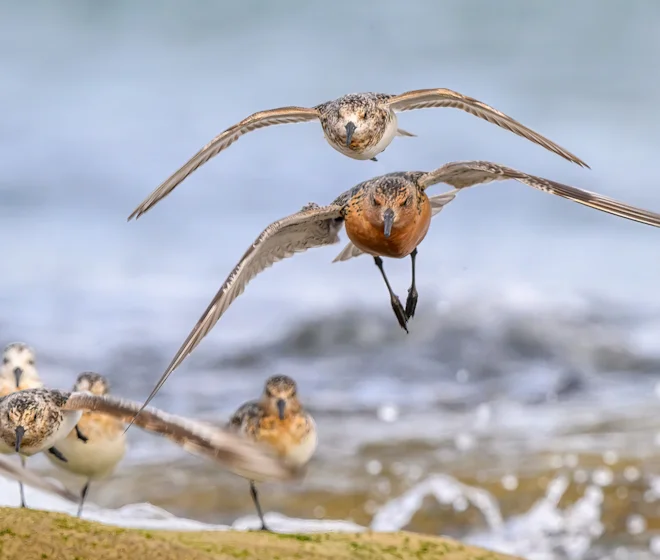
If you love watching birds, Northumberland is a place you can’t miss. Imagine standing quietly by the coast or in a peaceful woodland, spotting colorful birds you’ve never seen before.
Whether you’re a beginner or an experienced birdwatcher, Northumberland offers spots where your passion can truly come alive. You’ll discover the best places to watch birds, helping you plan your next outdoor adventure with confidence and excitement. Keep reading to find out where your next amazing birdwatching experience awaits.
Best Coastal Birdwatching Sites
Northumberland’s coastline offers spectacular birdwatching opportunities. The region’s diverse habitats attract many bird species. Coastal sites are especially rich with birdlife. The following locations are top choices for bird enthusiasts.
Farne Islands
The Farne Islands are a haven for birds. Puffins and guillemots nest here in spring. You can see thousands of seabirds during breeding season. Boat trips provide close views of these wonderful creatures. Seals also bask on the rocks.
Holy Island
Holy Island, also known as Lindisfarne, is a birdwatcher’s paradise. It’s famous for its tidal mudflats and salt marshes. These habitats attract migratory birds. In autumn, you can spot waders and wildfowl. The island is also home to rare species like the marsh harrier.
Bamburgh Beach
Bamburgh Beach offers a stunning backdrop for birdwatching. The beach is wide and sandy, ideal for spotting shorebirds. You might see sanderlings running along the tide line. In the dunes, skylarks sing their beautiful songs. The nearby castle adds to the scenic beauty.

Credit: heatherlea.co.uk
Top Inland Bird Habitats
Northumberland offers some fantastic inland spots for bird watching. These habitats attract a wide variety of birds throughout the year. Each location provides unique environments perfect for spotting different species. Let’s explore the top inland bird habitats in this region.
Kielder Water And Forest Park
Kielder Water and Forest Park is a vast area of lakes and woodlands. It hosts many birds, including ospreys, herons, and woodpeckers. The mix of water and forest creates a perfect home for wildlife. Visitors enjoy peaceful walks with many chances to see birds close up.
Hauxley Nature Reserve
Hauxley Nature Reserve is a peaceful spot with wetlands and ponds. It attracts ducks, geese, and wading birds. The reserve has hides for quiet birdwatching. It is an excellent place for families and beginners to spot waterfowl and songbirds.
Derwent Reservoir
Derwent Reservoir is popular for watching ducks, grebes, and gulls. The open water and surrounding hills provide diverse habitats. Birdwatchers often spot peregrine falcons and other birds of prey here. It is a great place for a day of birding and nature walks.
Rare And Migratory Birds To Spot
Northumberland is a treasure trove for birdwatchers eager to spot rare and migratory species. The region’s diverse habitats attract an impressive variety of birds, from coastal cliffs to inland woodlands. Knowing where and when to look can transform your birdwatching trip into an unforgettable experience.
Seabirds And Puffins
The coastline of Northumberland hosts some of the UK’s most stunning seabird colonies. Puffins, with their colorful beaks, are a highlight here, especially during the breeding season. Places like the Farne Islands offer close-up views of these charismatic birds as they nest among the rocky islets.
Besides puffins, you can spot guillemots, razorbills, and kittiwakes. These birds often gather in large numbers, creating spectacular sights. Have you ever watched a flock of seabirds diving into the sea in perfect unison? It’s a powerful reminder of nature’s rhythm.
Birds Of Prey
Northumberland’s rugged landscapes provide ideal hunting grounds for several birds of prey. The majestic peregrine falcon nests on steep cliffs, while hen harriers glide low over moorlands. Spotting these raptors requires patience and a keen eye, but the reward is a glimpse of raw wildness.
Look for buzzards soaring high or kestrels hovering silently above fields. Early mornings often increase your chances of seeing them actively hunting. What’s the most thrilling bird of prey you’ve encountered in the wild?
Seasonal Migrants
Each year, Northumberland welcomes a variety of migratory birds that pass through or stay to breed. Warblers, wheatears, and cuckoos arrive in spring, filling the air with their calls. Autumn brings in different visitors like pink-footed geese and various waders preparing for their journey south.
Timing your visit during these peak migration periods can vastly increase the diversity of species you see. Keep a notebook or app handy to track your sightings and note changes in behavior. How might observing these seasonal arrivals change your understanding of bird migration?
Birdwatching Tips And Essentials
Birdwatching in Northumberland offers a peaceful way to connect with nature. Knowing the right tips and essentials can enhance your experience. Preparation helps you spot more birds and enjoy every moment outdoors.
Best Times To Visit
Early mornings are perfect for birdwatching. Birds are most active at dawn. Late afternoons also offer good sightings as birds prepare to rest. Seasonal changes affect which birds you see. Spring brings migratory birds, while winter shows different species.
Gear And Equipment
Binoculars are essential for clear viewing. A field guide helps identify birds by shape and color. Wear comfortable clothes that blend with nature. Waterproof boots keep your feet dry in wet areas. A notebook lets you record your sightings easily. Carry a small backpack for snacks and water.
Local Birdwatching Groups
Joining local groups offers many benefits. Experienced birdwatchers share useful advice. Group walks increase chances of spotting rare birds. Many groups organize events and workshops. Check community boards or social media to find groups near you.
Conservation Efforts And Protected Areas
Northumberland is a haven for bird watchers due to its strong focus on conservation. Protected areas and local efforts help preserve habitats and support bird populations. These actions make the region a thriving place for diverse bird species.
Conservation efforts protect key environments like wetlands, forests, and coastlines. These habitats are vital for breeding, feeding, and sheltering birds. Preservation of these areas ensures birds can thrive and visitors can enjoy watching them.
Rspb Reserves
The Royal Society for the Protection of Birds (RSPB) manages several reserves in Northumberland. These reserves offer safe spaces for birds to live and breed. Visitors can see species such as curlews, redstarts, and ospreys.
RSPB reserves include:
- Hauxley Nature Reserve
- Druridge Pools
- Newbiggin-by-the-Sea
Each reserve has visitor facilities and guided walks. These help people learn about birds and their environment while minimizing disturbance.
Community Initiatives
Local communities play a big role in bird conservation. Groups organize habitat restoration and bird counts. These activities raise awareness and involve residents in protecting wildlife.
Community projects focus on:
- Planting native trees and shrubs
- Creating bird-friendly gardens
- Cleaning and maintaining wetlands
Such efforts improve habitats and increase bird numbers. They also encourage people to enjoy nature responsibly.
Wildlife Protection Laws
Strong laws protect birds and their habitats across Northumberland. These laws stop illegal hunting, egg collecting, and habitat destruction. They also regulate development near important sites.
Key protections include:
- Designation of Sites of Special Scientific Interest (SSSIs)
- Special Protection Areas (SPAs) for rare species
- Legal penalties for harming protected birds
These laws ensure long-term survival of many bird species. They create a safe environment for birds to live and breed.
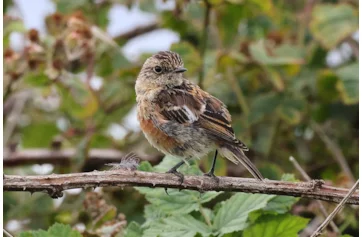
Credit: www.birdguides.com
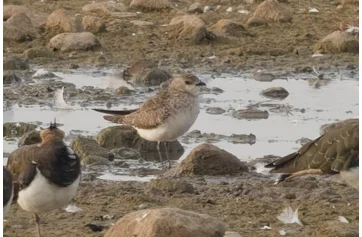
Credit: www.birdguides.com
Frequently Asked Questions
Where Are The Best Birdwatching Spots In Northumberland?
Northumberland offers top birdwatching at Farne Islands, Holy Island, and Kielder Water. These areas host diverse species and stunning scenery.
What Rare Birds Can I See In Northumberland?
You can spot rare birds like puffins, Arctic terns, and bitterns in Northumberland’s coastal and wetland reserves.
When Is The Best Time For Birdwatching In Northumberland?
Spring and autumn are ideal for birdwatching due to migratory species passing through the region.
Are There Guided Birdwatching Tours Available In Northumberland?
Yes, several nature centers and wildlife groups offer guided tours to help spot and identify birds.
Conclusion
Northumberland offers many great spots to watch birds. You can see different species in forests, wetlands, and along the coast. Each location brings a new chance to spot rare and common birds. Pack your binoculars and enjoy nature’s show. Birdwatching here is peaceful and fun for all ages.
Visit often to discover new birds and enjoy fresh air. Nature awaits you in Northumberland’s beautiful birdwatching places.