
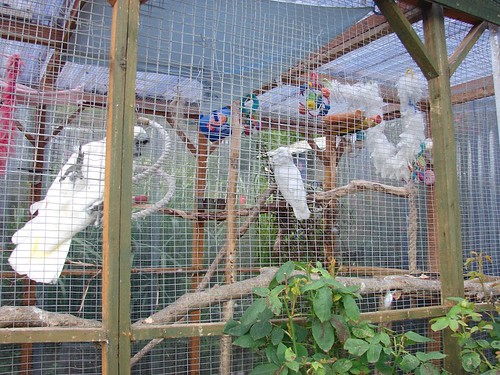
Thinking about bringing a bird into your home? You might want to pause and reconsider.
Birds can seem like charming, low-maintenance pets, but the truth is far from simple. If you’ve ever wondered why birds often end up stressed, lonely, or even sick in captivity, this article is for you. By the end, you’ll understand the hidden challenges that come with keeping birds as pets—and why they might not be the right choice for your lifestyle.
Keep reading to discover what most people don’t tell you about birds in your home.
High Maintenance Needs
Birds might look like low-effort pets, but their high maintenance needs can quickly catch you off guard. They require constant attention to stay healthy and happy. If you’re thinking about adding a bird to your home, prepare for daily tasks that can be time-consuming and demanding.
Daily Cleaning Requirements
Birds create a lot of mess. Their cages need daily cleaning to prevent bacteria buildup and unpleasant odors. Feathers, droppings, and food scraps scatter everywhere, so you’ll be sweeping and wiping regularly.
Ignoring this can lead to health problems for both you and your bird. Have you ever considered how much time you can realistically spend cleaning every day?
Specialized Diet Demands
Feeding birds isn’t as simple as tossing them some seeds. Many species require a balanced diet with fresh fruits, vegetables, and specific pellets. You’ll need to research what’s best for your bird’s breed and age.
Offering the wrong food can cause nutritional deficiencies or even poisoning. Are you ready to shop for and prepare fresh ingredients daily?
Social Interaction Necessities
Birds are social creatures that need your interaction to thrive. They can get lonely, depressed, or develop behavioral problems if left alone too long. This means you must spend quality time playing, talking, or training them every day.
Are you prepared to make yourself part of your bird’s daily routine and give them the attention they deserve?

Credit: www.reddit.com
Behavioral Challenges
Birds may seem like charming pets, but their behavior often creates many challenges. Understanding these issues helps explain why birds can be difficult companions. These challenges can affect both the bird’s well-being and the owner’s daily life.
Noise And Vocalization Issues
Birds are naturally loud animals. Some species squawk or scream for hours. This noise can disturb neighbors and family members. Birds also mimic sounds, which might be unexpected or annoying. Quiet moments are rare with a talkative bird around.
Destructive Chewing Habits
Birds have strong beaks designed for chewing. They often chew on furniture, wires, and household items. This behavior can cause damage and safety hazards. Without proper toys, birds may destroy valuable belongings. Chewing is a natural activity but hard to control.
Aggression And Biting
Birds sometimes show aggression toward humans. Biting can happen without warning and cause pain. Aggression may result from fear, stress, or lack of socialization. Training and patience are necessary but do not always stop biting. This behavior can make birds challenging to handle safely.
Health And Safety Concerns
Keeping birds as pets might seem appealing, but there are important health and safety concerns you should consider before inviting one into your home. Birds can carry illnesses, trigger allergies, and even cause accidents with their unpredictable flight patterns. Understanding these risks can help you decide if a bird is truly the right pet for you.
Susceptibility To Illness
Birds are vulnerable to a variety of diseases, some of which can spread to humans. Psittacosis, also known as parrot fever, is a serious illness you could catch from an infected bird. Even if your bird appears healthy, it might still carry bacteria or viruses that are harmful to you and your family.
Keeping a bird healthy requires constant vigilance and regular visits to a specialized avian vet. Are you prepared for the time and expense needed to monitor your bird’s health closely?
Potential For Allergic Reactions
Many people underestimate how much bird dander and feathers can affect indoor air quality. If you or someone in your household has allergies or asthma, a bird can make symptoms worse. Feather dust and droppings can linger in the air and on surfaces, triggering sneezing, coughing, or skin irritation.
Think about whether your home environment can handle the extra cleaning and air filtration needed to reduce allergic reactions. Could a bird’s presence impact your daily comfort or health?
Hazards Of Flight
Birds are not confined to cages all the time and can fly around your home unexpectedly. This freedom can lead to accidents like crashing into windows, knocking over fragile items, or even injuring themselves. Their sharp claws and beaks might also cause scratches or bites if they feel threatened or scared.
Have you considered how you would bird-proof your living space to prevent injuries to both your pet and your family? Flight hazards are real risks that many new bird owners overlook.

Credit: threebirdsandacloud.wordpress.com
Space And Environmental Needs
Birds have unique space and environmental needs that many pet owners underestimate. These needs impact their health, behavior, and overall happiness. Understanding these demands is crucial before deciding to keep a bird as a pet.
Cage Size Requirements
Birds require cages much larger than most people expect. Small cages restrict their movement and lead to stress and physical problems.
For example, a parrot needs enough room to spread its wings fully without touching the sides. A cramped cage can cause feather plucking and aggressive behavior.
Think about your living space. Can you realistically provide a cage that allows your bird to move freely and stay healthy?
Need For Free Flight Space
Birds naturally fly for hours each day. Keeping them confined without the chance to fly can harm their muscles and mental state.
Even if you have a large cage, it rarely matches the freedom birds get in the wild. Free flight space helps them exercise and reduces boredom.
Ask yourself: Can you dedicate safe, supervised time for your bird to fly outside the cage regularly?
Environmental Enrichment
Birds need stimulation beyond just space. Without toys, social interaction, and variety, they can become lonely or destructive.
Simple items like swings, mirrors, and foraging toys encourage natural behaviors and keep their minds active.
Consider how much time and effort you can commit to enriching your bird’s environment daily. Neglecting this can lead to health and behavior issues.
Longevity And Commitment
Owning a bird means preparing for a long-term commitment that often surprises many first-time pet owners. Birds live far longer than most small pets, which means your relationship with them can span decades. This longevity demands serious planning, both emotionally and financially, before you decide to bring a bird into your home.
Long Lifespan Considerations
Many birds, such as parrots and cockatoos, can live 40 to 80 years or more. This lifespan often exceeds that of a dog or cat. Have you thought about who will care for your bird if your life circumstances change?
Choosing a bird means accepting a companion who might outlive you. This can be a beautiful bond but also a heavy responsibility. Unlike other pets, birds often require lifetime care, which can affect your future plans significantly.
Impact Of Rehoming On Birds
Birds are highly social and sensitive creatures. Changing homes can cause them severe stress and behavioral problems. When a bird is rehomed, it might refuse to eat or develop anxiety-driven behaviors.
Think about the emotional toll on your bird if you can’t keep it long-term. Birds bond deeply with their owners, so rehoming is not just a simple change of address. It can lead to lasting trauma and trust issues with humans.
Financial And Time Investments
Birds need more than just food and water; they require toys, cage maintenance, and regular vet visits, which can add up quickly. You should expect to spend both time and money daily on their care.
Consider the hours you must dedicate to social interaction and mental stimulation. Without this, birds can become bored, leading to destructive habits and health problems. Are you ready to prioritize their needs over your convenience for years?

Credit: www.reddit.com
Ethical And Legal Issues
Choosing birds as pets raises serious ethical and legal questions. Many birds come from wild habitats, making their capture harmful. Laws often protect these creatures to conserve nature. Understanding these issues is essential before deciding to keep a bird at home.
Wildlife Conservation Concerns
Wild birds play important roles in ecosystems. Taking them from nature can upset balance. Some species face extinction due to trapping. Illegal capture reduces their numbers in the wild. Protecting birds helps maintain healthy environments for all life.
Legal Restrictions And Permits
Many countries have strict laws on bird ownership. Some birds require special permits to own legally. Selling or buying protected species is often illegal. Ignoring these laws can lead to heavy fines or jail. Knowing local rules prevents legal trouble and supports conservation.
Role Of Breeding And Trade
Bird breeding aims to reduce wild capture but has challenges. Poor breeding conditions cause health problems in birds. The trade in birds sometimes supports illegal activities. Buyers should ensure breeders follow ethical and legal standards. Responsible trade helps protect wild populations and promotes bird welfare.
Frequently Asked Questions
Why Are Birds Considered Bad Pets?
Birds can be noisy, messy, and require constant attention. They may develop behavioral issues if neglected. Their lifespan is often long, demanding long-term commitment. Many birds need specialized diets and care, making them challenging for casual pet owners.
Do Birds Need More Care Than Other Pets?
Yes, birds need daily mental stimulation and social interaction. Their cages must be cleaned regularly to prevent diseases. They require a balanced diet and fresh water. Birds also need safe toys and space to fly, increasing their care demands compared to some pets.
Are Birds Noisy And Disruptive Pets?
Many bird species are naturally loud and vocal. Their calls can disturb neighbors and household members. Noise levels vary by species but can be intense during mornings and evenings. This noise can cause stress for owners and make birds unsuitable for quiet homes.
Can Birds Develop Behavioral Problems As Pets?
Yes, birds often develop issues like biting, screaming, and feather plucking. These behaviors stem from boredom, stress, or lack of socialization. Proper training and environment enrichment are crucial to prevent such problems. Without these, birds can become difficult to handle.
Conclusion
Birds need special care and attention every day. They can be noisy and messy pets. Their health needs are hard to manage for many people. Birds also need space to fly and be active. Many owners find bird care more difficult than expected.
Think carefully before deciding to keep a bird. They are not the best pet for everyone. Choosing the right pet means understanding its needs well. Birds deserve a home that fits their lifestyle perfectly.